


Antique Wine Chalice
An antique wine chalice brings tactile weight and historic craftsmanship to the table, spanning Georgian crystal to Victorian silver.
Antique Wine Chalice
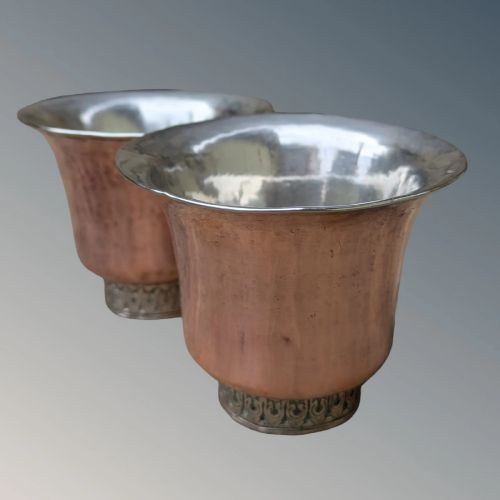
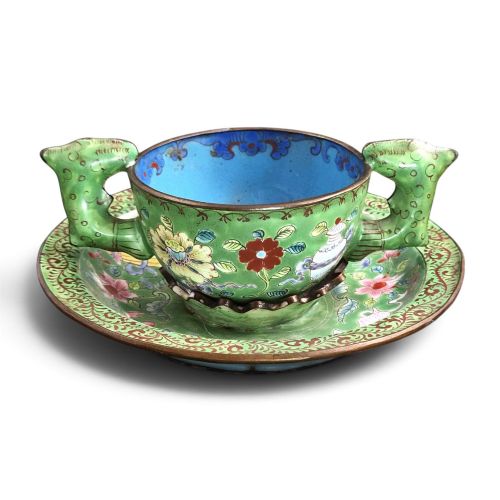
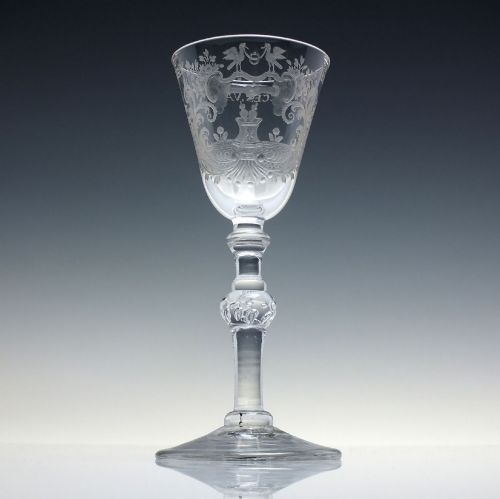
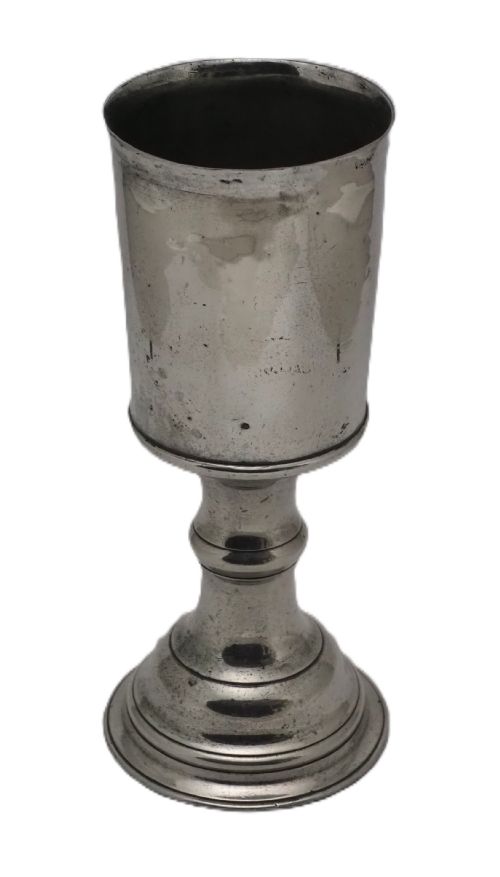
When you search for an antique wine chalice, you encounter a diverse group of elevated drinking vessels designed across centuries for ceremony, dining, and display. The forms range from heavy eighteenth-century lead glass goblets and rummers to nineteenth-century sterling silver presentation pieces, pewter drinking vessels, and decorative copper or enamel creations.
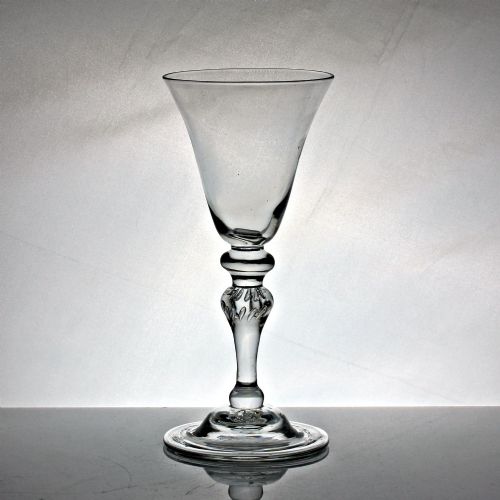
The versions most commonly met on this page originate in the Georgian and Victorian eras, taking shapes such as baluster stem wine glasses, bucket rummers, and pedestal cups. Alongside British silversmithing and glassmaking, the selection encompasses continental European crystal, Irish pewter, and objects from Tibetan and Chinese traditions.
How they were made
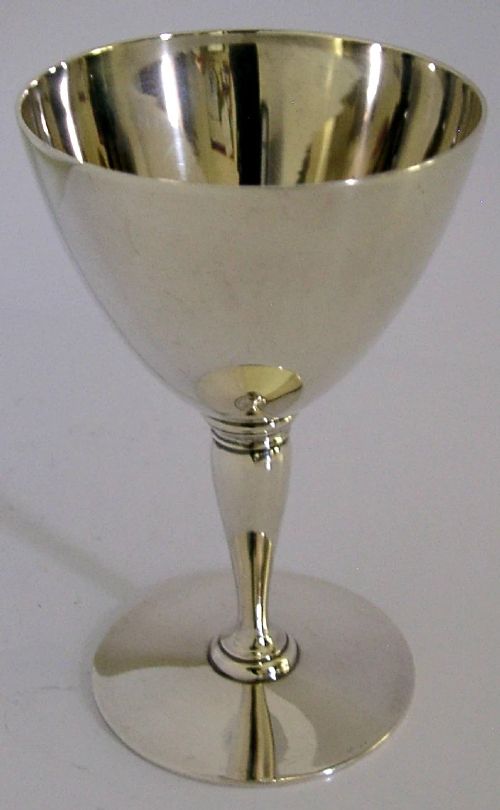
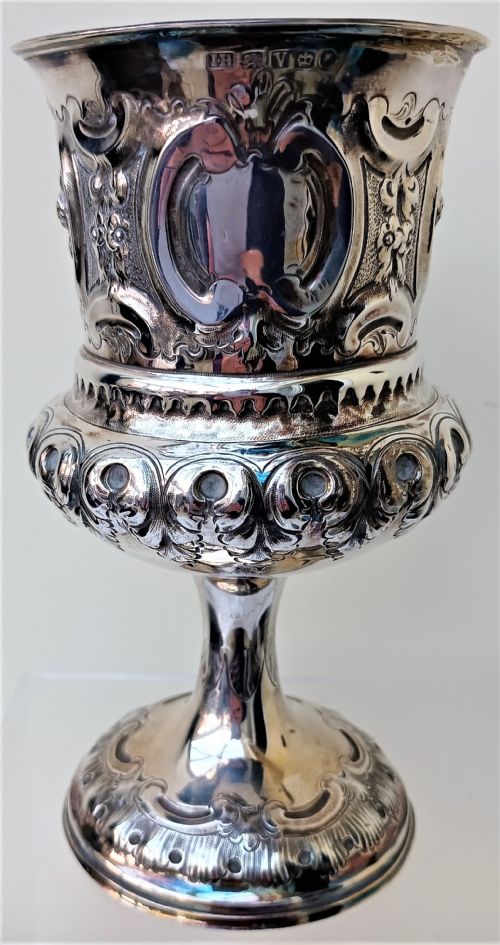
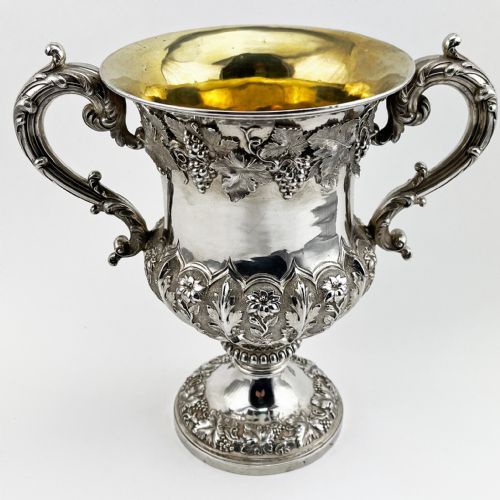
Silversmiths shaped sterling silver and silver plate through hammering, casting, and repoussé, often incorporating parcel gilt interiors, crisp engraving, and heraldic crests. Workshops utilised traditional hallmarks to record the assay office, date, and maker.
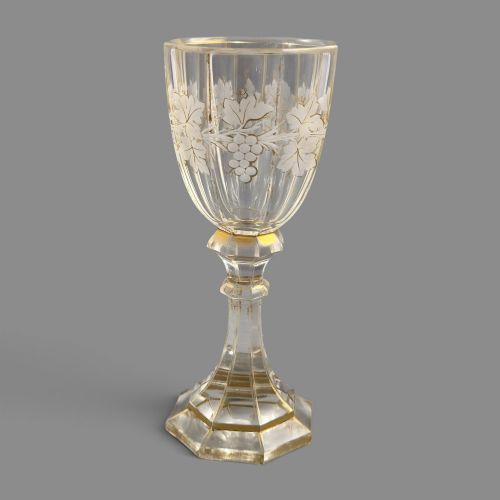
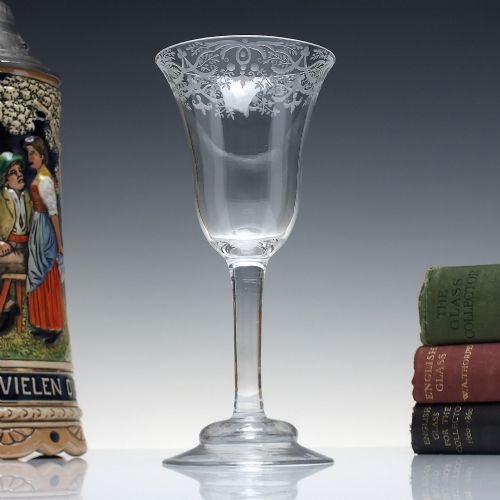
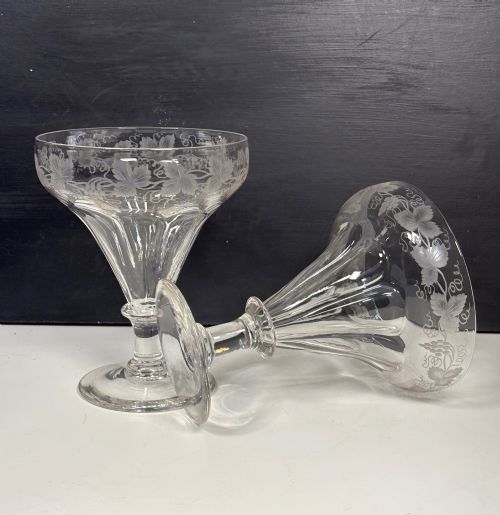
Glassmakers relied on lead glass and lead crystal formulations, shaping bowls and stems through blowing, moulding, and wheel-engraving. Artisans also applied cutting techniques to achieve hobnail patterns and faceted facets, or decorated surfaces with enamelling and gilding.
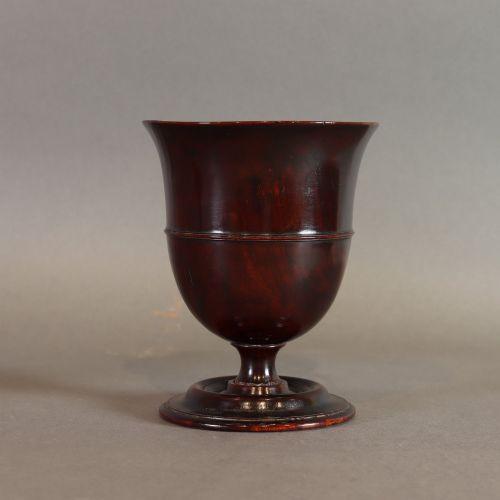
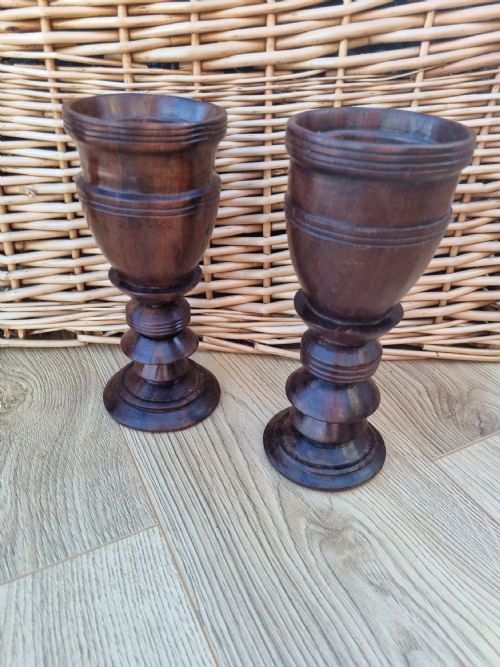
Woodturners and metalworkers shaped alternative materials like lignum vitae, walnut, copper, and pewter into pedestal drinking vessels and communion cups, employing turning lathes and casting moulds to achieve balanced proportions.
Material variety ranges from opalescent French glass and Bohemian enamelled crystal to Chinese export silver and treen walnut.
What varies in quality
The distinction between standard domestic items and superior examples often lies in the crispness of the hand-engraving, the depth of the wheel-cuts, and the clarity of the metal or glass. Master silversmiths and premier glass houses produced pieces with balanced proportions, substantial weight, and well-executed decorative motifs.
Provenance and maker attribution elevate certain pieces, particularly when accompanied by clear hallmarks from noted silversmiths or documented works from prominent glass factories. The survival of matching pairs or sets further distinguishes exceptional survivals from single items.
Tiffany and Co·Moser Bohemian·George Unite·Wang Hing and Co·William Eaton·Frits Hechert
The Antique Wine Chalice Glossary
- Baluster
- A swelling, vase-shaped stem found on eighteenth-century drinking vessels that often incorporates internal air bubbles or twists.
- Rummer
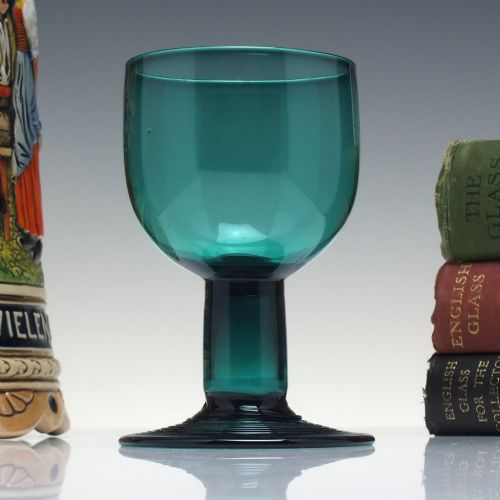
- A large, heavy drinking glass with a thick stem and foot, popular during the Georgian and Regency periods for ale and wine.
- Sterling Silver
- An alloy containing a high proportion of pure silver by weight, widely utilised by British silversmiths for tableware and presentation pieces.
- Pewter
- A malleable metal alloy primarily composed of tin, historically cast into durable vessels such as tavern mugs and communion cups.
- Römer
- A traditional Germanic large drinking glass, typically featuring a green bowl set upon a cylindrical prunt-studded stem.
Antique Wine Chalice: Frequently Asked Questions
What is the difference between a chalice and a goblet?
A chalice traditionally denotes a sacred vessel used in religious communion or formal ritual, featuring a deep bowl raised on a stem and foot. A goblet serves a more secular function for dining and drinking, though the terms frequently overlap in historical descriptions.
Craftsmen shaped both forms from silver, glass, and pewter using similar architectural principles. Examining the context of the piece, such as ecclesiastical hallmarks or heraldic engraving, helps clarify its intended historical use.
How do I date an antique glass goblet?
Dating historical glass relies on observing the manufacturing techniques, metal composition, and stem design. Early pieces often display heavy lead metal with dark pontil marks on the underside of the foot.
Stylistic shifts in the stem, moving from heavy baluster forms to air twist or faceted variations, provide reliable clues. Comparing the cutting patterns and bowl shapes against documented timelines narrows the production period.
Can I use an antique silver goblet for drinking?
Sterling silver drinking vessels were designed precisely for consumption and remain robust enough for occasional use today. Regular cleaning with a gentle, non-abrasive silver polish maintains the surface without wearing away historic details.
Acidic beverages should not be left in silver or pewter vessels for extended periods. Hand washing immediately after use preserves the metal and any gilt interiors.
How do I identify Irish pewter pieces?
Irish pewter vessels often carry maker stamps, touchmarks, or capacity measures that distinguish them from English counterparts. Workshops in Dublin and other centres adhered to strict guild standards regarding metal purity and pint capacities.
The weight, surface oxidation, and specific rim profiles assist collectors in separating Irish examples from continental European alternatives. Checking for touchmarks near the base provides the clearest indication of origin.