


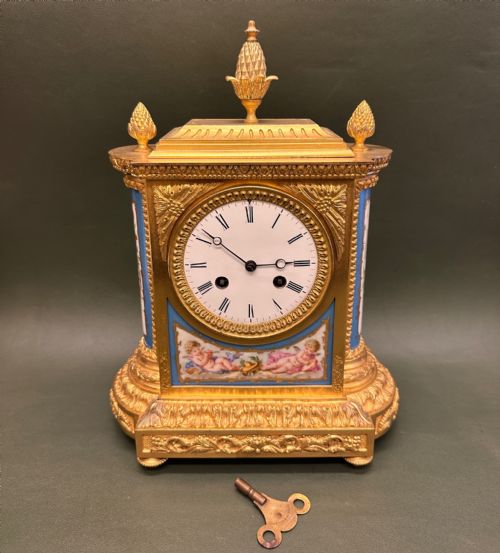


Antique Winding Table Clock
An antique winding table clock brings mechanical precision and period character to a room, offering daily interaction with traditional horology.
Antique Winding Table Clock
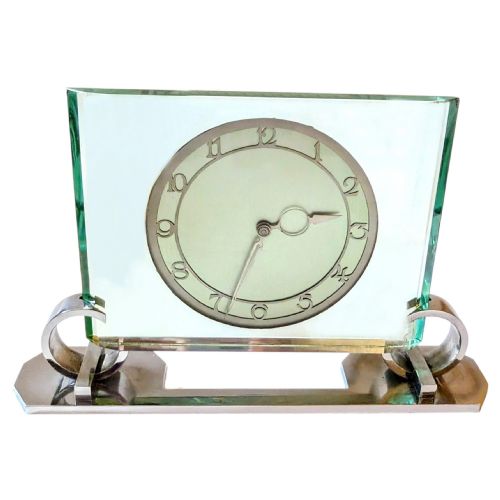
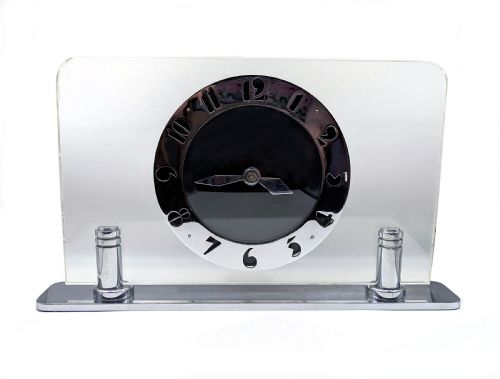
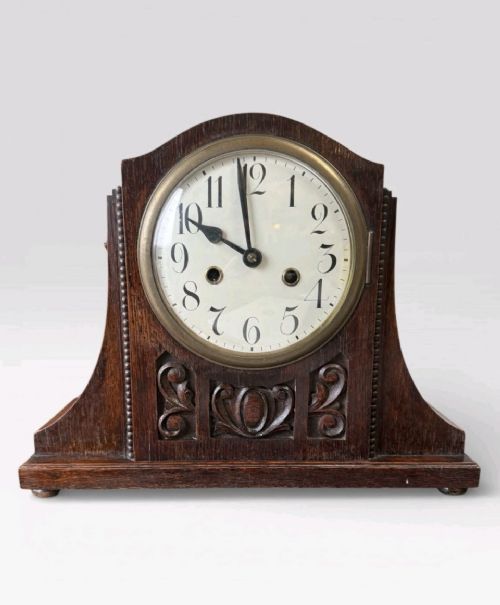
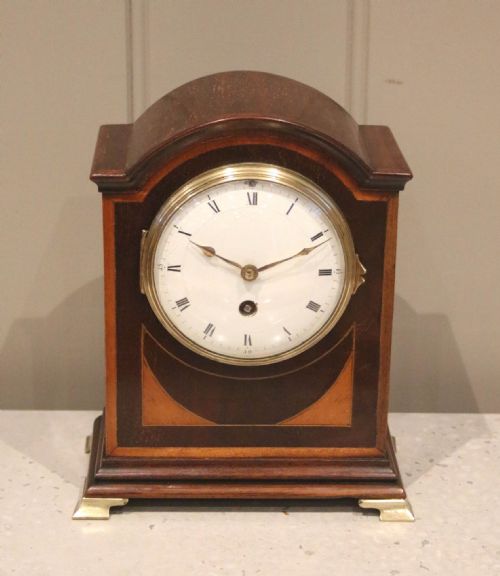
When you search for an antique winding table clock, you are looking at timepieces designed for domestic surfaces, including bracket clocks, mantel clocks, and carriage clocks. These objects range from nineteenth-century fusee movements housed in mahogany and oak to twentieth-century Art Deco designs.
The versions you are most likely to meet on this page span the Victorian and Edwardian eras alongside later twentieth-century pieces. They appear in diverse styles such as Regency, Rococo Revival, and Bauhaus, reflecting changing interior tastes across generations.
Makers and retailers represented across these pieces include provincial names and London firms alike. Their forms vary from traditional wooden bracket cases to glass-fronted brass carriage designs with repeating mechanisms.
How they were made
Cases combine timbers such as mahogany, oak, and rosewood, often enhanced with satinwood inlay or brass detailing. Metal elements incorporate gilt bronze, ormolu, chrome, and brass to frame dials and glass panels.
Mechanical construction relies on fusee movements, repeater mechanisms, and mechanical wind-up systems. Enamel dials and porcelain mounts complete the faces, requiring specialised mounting techniques within the wooden or metal frames.
Listings span periods from the nineteenth century through the 1960s, featuring materials such as mahogany, brass, glass, and chrome.
What varies in quality
Quality rests in the complexity of the movement and the precision of the case construction. Twin fusee movements and repeating complications demonstrate higher workshop standards than simpler wind-up mechanisms.
Materials and finishing dictate the tier of a piece, from finely figured mahogany and hand-gilt ormolu to standard oak and plated brass fittings. The integration of porcelain mounts and detailed dial work separates standard production from exceptional examples.
Smiths Clockmakers·S Simpson Southampton·Bravingtons Ltd of London·Maple of London·Hay London·DeLa Salle And Christie·J.B. Delettrez·L Epee·Joseph Soldano
The Antique Winding Table Clock Glossary
- Fusee
- A conical pulley used in mechanical clocks to maintain even force on the gear train as the mainspring unwinds. This mechanism improves timekeeping accuracy across the power reserve.
- Bracket clock
- A portable table clock originally designed to sit on a wall bracket to aid sound projection. Later examples function as freestanding mantel clocks.
- Carriage clock
- A small, spring-driven timekeeper with a carrying handle, originally made for travellers. These pieces often feature glass panels that display the internal escapement.
- Repeater
- A mechanism that chimes the hours and quarters on demand when a lever or button is pressed. This complication was particularly valued before artificial illumination made night-time viewing easy.
- Ormolu
- Gilded bronze used for decorative mounts on nineteenth-century clock cases. The technique involves applying a mercury and gold amalgam to the bronze base.
Antique Winding Table Clock: Frequently Asked Questions
How do I wind a mechanical table clock?
Insert the matching key into the winding arbor on the dial or backplate and turn it gently until you feel resistance. Avoid over-winding, as this can damage the mainspring.
Most mechanical pieces require a weekly wind to maintain accurate timekeeping. Keeping to a consistent schedule helps preserve the tension within the movement.
Where should I place a bracket clock?
Select a stable, level surface away from direct sunlight, draughts, and dampness. A sturdy mantelpiece or wooden cabinet provides an ideal location for heavy wooden cases.
Ensure the surface does not vibrate, as stability is essential for the pendulum or balance wheel to beat evenly. Proper placement reduces unnecessary wear on the escapement.
How do carriage clocks differ from mantel clocks?
Carriage clocks are compact, brass-framed timepieces fitted with carrying handles and glass sides. They were designed for travel and rely on a platform escapement rather than a pendulum.
Mantel clocks are generally larger and heavier, housed in wooden cases such as mahogany or oak. They are stationary domestic objects intended to sit permanently on furniture.
What is a single fusee movement?
A single fusee movement uses a conical pulley and a chain or cord to equalise the power delivered by the mainspring. As the spring unwinds, the leverage changes to maintain consistent force.
This system ensures the clock runs with greater accuracy throughout its winding cycle. It represents a hallmark of traditional British horological craftsmanship.
How can I tell the period of a clock case?
Examine the timber, decorative motifs, and hardware style to identify the era. For example, satinwood inlay and mahogany point to earlier periods, while chrome and streamlined forms suggest the 1930s.
Maker signatures on the dial or backplate also help date the piece through historical trade records. Comparing construction methods reveals when a workshop active.