


Antique Winding Clock
An antique winding clock brings mechanical timekeeping into daily life, driven by weights or springs across styles from Victorian mantel pieces to Art Deco designs.
Antique Winding Clock
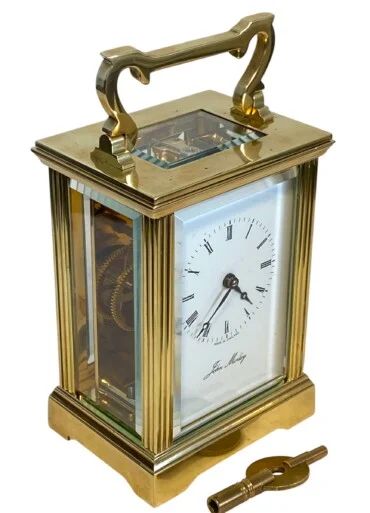
An antique winding clock encompasses portable timepieces like pocket watches and carriage clocks alongside larger domestic wall, bracket, and mantel pieces. Buyers most frequently encounter brass carriage clocks and mahogany wall or mantel pieces originating from the nineteenth and early twentieth centuries.
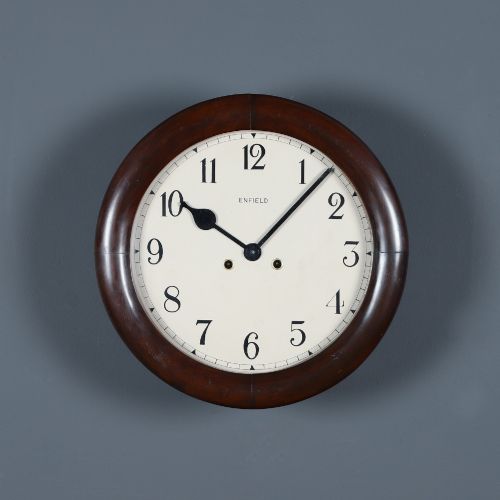
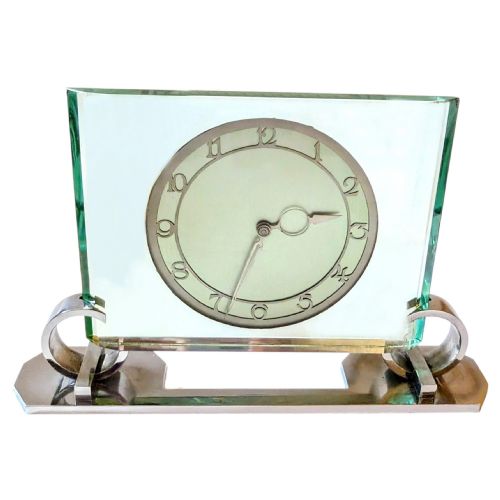
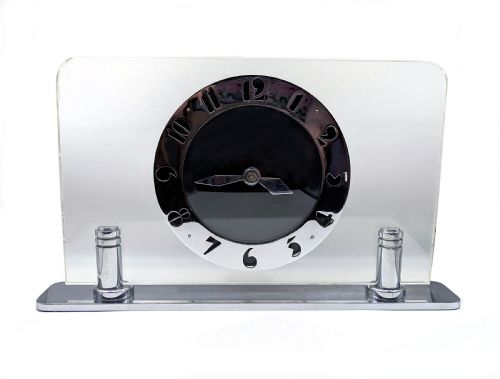
The selection ranges from sturdy station and school wall dials to intricate French repeater mechanisms and German Art Deco modernist designs. These timekeepers span periods from late Georgian and Victorian eras through to the 1960s.
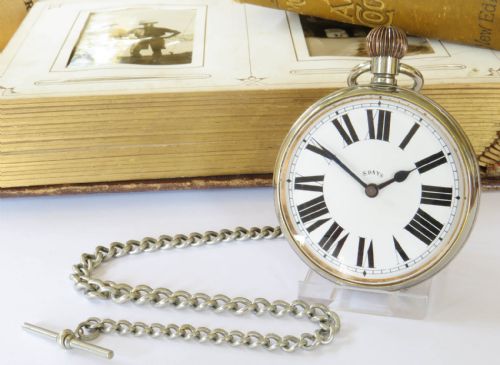
Domestic pieces serve to mark the hours in living spaces while smaller carriage clocks and goliath pocket watches offer portable utility. Each format reflects the predominant aesthetic and mechanical standards of its respective decade.
Materials and construction
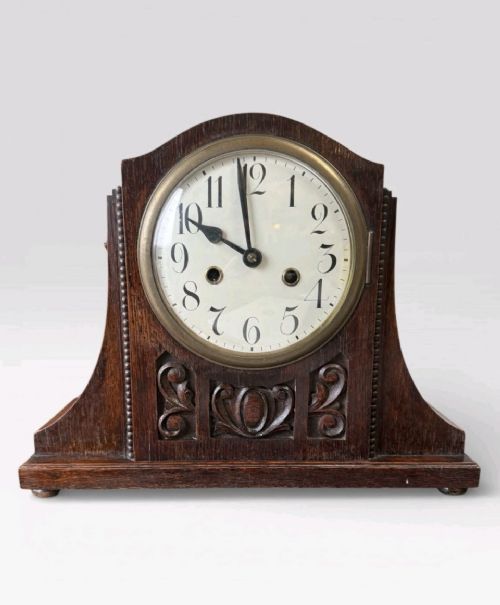
Maker workshops utilised robust timber housings such as mahogany, walnut, and oak for larger wall and bracket clocks, often incorporating glass viewing panels and satinwood inlay. Metal cases relied heavily on brass, gilt bronze, or chrome, housing intricate mechanical gear trains.
Dials display Roman or Arabic numerals rendered on enamel or metal surfaces, sometimes paired with visible gongs, chimes, or alarm complications. Construction combined traditional cabinet-making with precision metalworking to ensure reliable manual winding and escapement.
Timepieces span from late Georgian bracket clocks to mid-century wristwatches and 1960s carriage clocks.
Judgements of quality
Makers known for signed dials and established workshops command attention through superior finishing of internal gears and exterior mounts. The harmony between the original dial, hands, and housing dictates the standing of each timepiece.
John Morley·Mappin and Webb·Bravingtons Ltd of London·Lamy and Lacroix·J.B. Delettrez·Joseph Soldano
The Antique Winding Clock Glossary
- Carriage clock
- A portable spring-driven timepiece designed for travel, typically featuring a brass frame with glass panels and a swing handle.
- Fusee
- A conical pulley used in clock movements to maintain an even pull as the mainspring unwinds, ensuring steady timekeeping.
- Repeater
- A mechanism that sounds the hours and quarters on demand when a lever or button is pressed.
- Goliath pocket watch
- An oversized pocket watch, often housed in a dedicated leather travel case or stand alongside an 8-day movement.
- Bracket clock
- A portable table or shelf clock historically placed upon a matching wall bracket.
- Gorge case
- A stepped brass carriage clock case style popular during the nineteenth century.
Antique Winding Clock: Frequently Asked Questions
How do I wind an antique mechanical clock?
Wind the mainspring using the appropriate key or built-in key mechanism until gentle resistance is felt, taking care not to over-wind.
Ensure you turn the key in the correct direction specified for that particular gear train.
What is the difference between a mantel clock and a bracket clock?
Mantel clocks are generally designed to sit directly on a fireplace mantel or shelf, often displaying wood or ceramic cases.
Bracket clocks originate from larger portable table timepieces that historically rested on wall brackets to project sound effectively.
How can I tell a Victorian carriage clock from a later piece?
Victorian carriage clocks typically feature heavy cast brass frames, platform escapements, and white enamel dials with delicate hands.
Mid-twentieth-century examples often adopt simplified case geometries, different metal finishes like chrome, or bolder Art Deco numerals.
Why does my clock have an 8-day movement?
An 8-day movement requires winding only once a week rather than daily, offering greater convenience for domestic use.
This longer power reserve relies on a longer or stronger mainspring housed within the clock mechanism.