




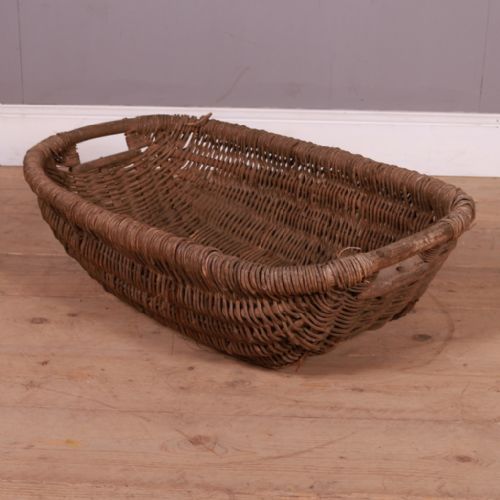
Antique Wicker Basket
An antique wicker basket brings warmth and texture to a room, offering practical storage with genuine age and organic character.
Antique Wicker Basket
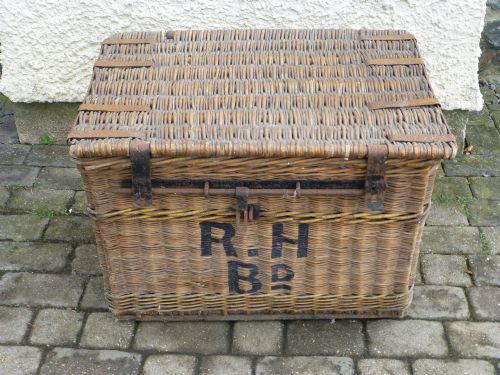
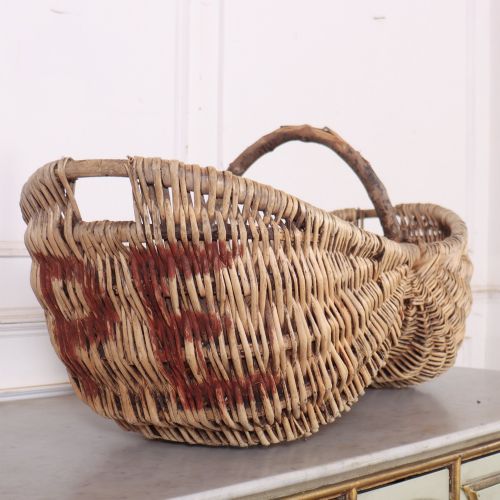
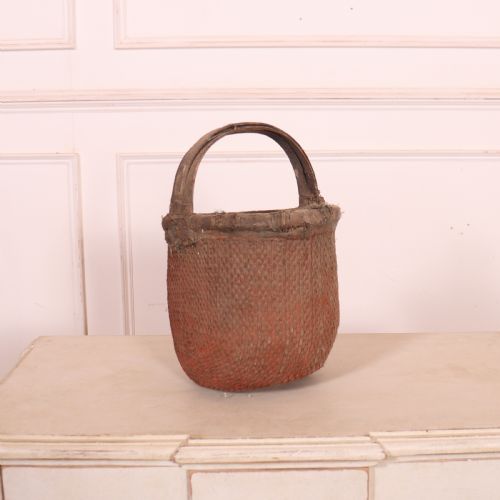
An antique wicker basket is a functional woven container originating from various periods, with examples appearing across the nineteenth and early twentieth centuries. These pieces serve multiple domestic and agricultural purposes, functioning as log holders, storage trunks, and harvest receptacles.
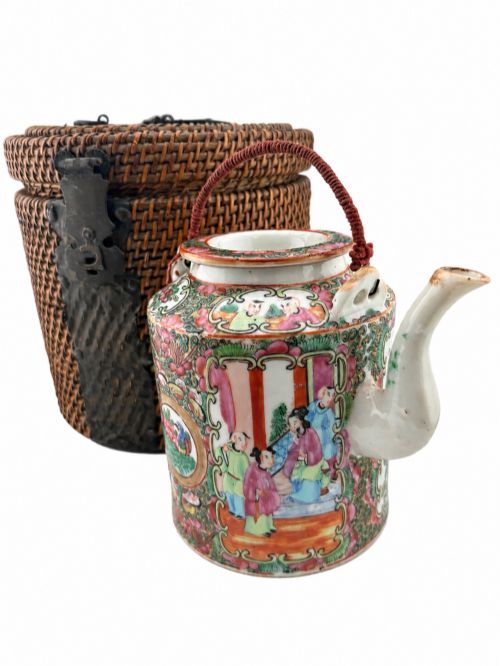
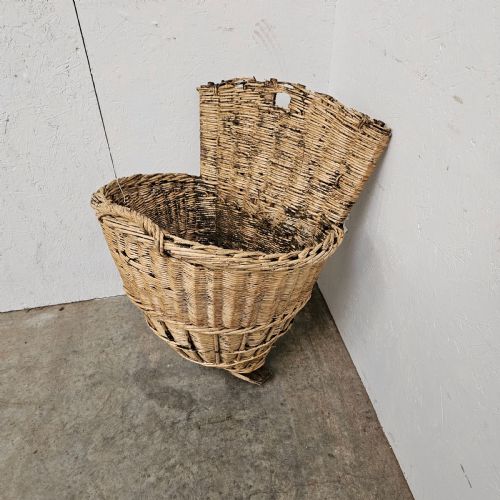
Buyers seeking an antique wicker basket frequently encounter French harvest carriers, large industrial log receptacles, and fitted picnic sets. The selection spans utilitarian farm carriers designed for grapes and flowers alongside sturdier transport trunks built with cane.
Origins stretch from English country workshops to French provincial vineyards, showing diverse regional weaving traditions. Utility and robust construction define these items, ensuring they survived decades of heavy use before entering the decorative market.
Materials and construction
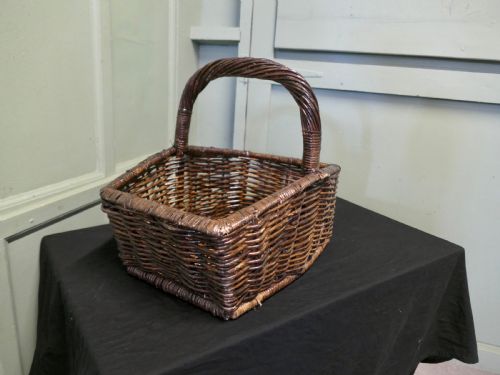
Makers utilised natural materials such as willow, cane, and woven wood to build these containers. Plant fibres were harvested, soaked for pliability, and skillfully manipulated around rigid structural frames to ensure durability.
Weaving techniques varied according to the intended load, combining tight utilitarian packing weaves with heavier cane reinforcements. Structural strength relied on thick upright stakes interwoven with flexible runners, creating resilient walls capable of bearing weight.
Antique Wicker Basket Retail Price Guide 2026
Typical asking prices for wicker basket among the pieces listed under this phrase on Sellingantiques today, from the lower quarter to the upper quarter. They describe what is for sale here now, not the wider market.
The inventory includes specialised forms such as French grape hods, travelling tea sets, and industrial log trunks reflecting diverse regional agricultural traditions.
Assessing quality and preservation
Quality in these woven vessels depends on the tightness of the weave, the uniformity of the plant material, and the retention of structural integrity. Superior pieces maintain their original shape without excessive sagging or brittle breakage in the fibres.
The degree of original surface wear separates utilitarian survivals from exceptional examples. Patina accumulated through decades of agricultural or domestic service adds depth, provided the underlying framework remains stable and strong.
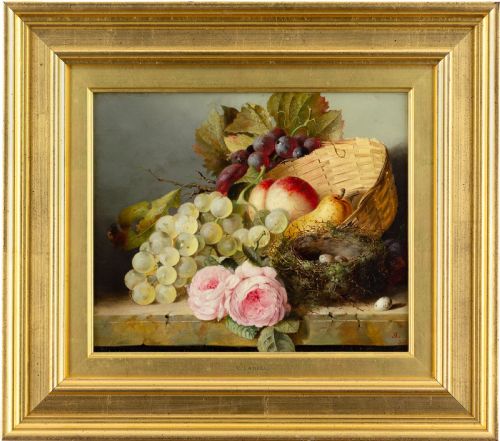
Edward Ladell·Gaspar Peeter Verbruggen·Mabel Gear·Alfred Arthur Brunel de Neuville
The Antique Wicker Basket Glossary
- Wicker
- A method of weaving flexible plant materials into containers or furniture. It describes the technique rather than a specific botanical species.
- Cane
- The peeled, split bark of the rattan palm used for sturdy structural bindings and heavy-duty basketry. This material resists splitting under intense tension.
- Willow
- The most common harvested rod material employed in traditional European basket weaving. Its natural flexibility allows for intricate binding patterns.
- Hotte
- A traditional deep carrying basket or hod carried on the back during grape harvests in French vineyards. These pieces feature a tapered shape designed for field utility.
Antique Wicker Basket: Frequently Asked Questions
How were harvest baskets used?
Agricultural workers employed these robust containers to gather seasonal crops such as grapes, flowers, and fruit directly from the fields. Their shapes were tailored to specific tasks, allowing for efficient carrying during long working hours.
Over time, these utilitarian objects transitioned from agricultural tools into decorative home storage accessories. Their durable construction allowed them to survive decades of demanding physical labour outdoors.
How do I clean an old basket?
Dusting gently with a soft-bristled brush or using a low-suction vacuum attachment removes accumulated debris safely. Avoid soaking natural plant fibres in water, as excessive moisture causes swelling and structural distortion.
Keeping these items away from direct heat sources prevents the material from drying out and becoming brittle. Periodic light conditioning can help maintain the flexibility of the historical weave.
Are these baskets strong enough for daily storage?
Many surviving examples retain considerable structural strength, making them well-suited for holding items like blankets, logs, or magazines. The heavy industrial and agricultural variants were specifically built to bear heavy loads without collapsing.
Lighter decorative pieces require more careful placement to avoid crushing the delicate weave. Assessing the rigidity of the base and handles determines safe everyday utility.
How do I date an antique basket?
Dating relies on observing the fastening methods, handle construction, and the specific type of plant material utilised in the weaving process. Industrial trunks from the nineteenth century often incorporate heavier cane framing and metal reinforcements.
Stylistic cues and regional weaving patterns also provide clues to the approximate decade of origin. Surviving examples span from the seventeenth century through the mid-twentieth century, showing evolving domestic needs.