


Antique White Wardrobe
An antique white wardrobe brings light timber and aged paint together, offering generous storage with genuine period character for a bedroom.
Antique White Wardrobe
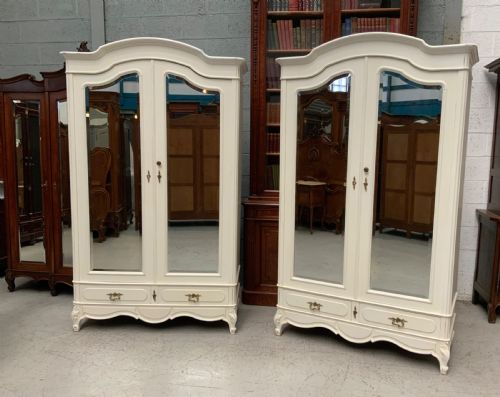
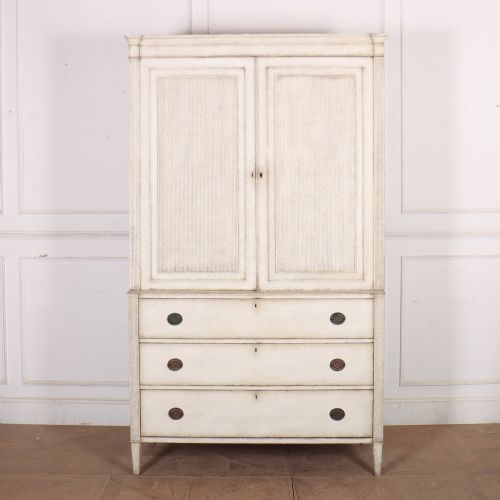
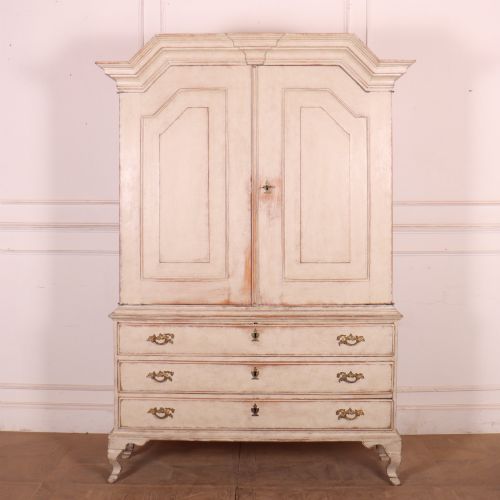
An antique white wardrobe encompasses substantial storage furniture finished in historic white or pale paint schemes, originating from the eighteenth, nineteenth, and early twentieth centuries. These pieces appear in forms such as linen cupboards, housekeepers cupboards, armoires, and traditional hall wardrobes across this selection.
The aesthetic leans heavily towards English country, French chateau, and Scandinavian country movements like Gustavian, alongside distinct expressions such as Gothic Revival. Buyers encounter robust pine structures and painted wood surfaces that reflect both provincial utility and refined domestic design.
Origins stretch from English country houses to Swedish and French workshops, providing distinct regional proportions and decorative details. The selection balances larger multi-door armoires with compact single-piece cupboards suitable for varied room layouts.
How they were made
Construction relies primarily on solid pine and painted wood, utilising traditional joinery methods suited to large storage carcasses. Metal hardware such as brass and iron provides structural reinforcement and functional handles or hinges.
Surfaces feature layered historic paint applications over timber, occasionally incorporating glass elements in doors or panels. The combination of dense wood and hand-applied finishes ensures durability and a distinct tactile quality.
Regional styles range from English country house utility to Scandinavian Gustavian restraint and French chateau elegance.
What varies in quality
Quality separates ordinary utility pieces from finer examples through the harmony of proportions and the integrity of the original painted surface. Better examples retain honest layers of historic paint rather than heavy modern overpainting, displaying authentic wear that enhances the timber beneath.
Construction standards differ between provincial vernacular pieces and those influenced by formal architectural styles like Gothic Revival or Georgian design. Superior pieces demonstrate careful timber selection, balanced paneling, and intact original brass or iron fittings.
The Antique White Wardrobe Glossary
- Armoire
- A large standing cupboard or wardrobe used for hanging or folding garments. These pieces often feature double doors and generous interior depth.
- Housekeepers cupboard
- A large multipurpose storage cabinet traditionally used for household linens and dry goods. They frequently combine deep lower drawers with upper shelving space.
- Gustavian
- The Swedish interpretation of French neoclassical design, characterised by restrained carving and pale, luminous paint finishes. This style dominates many Scandinavian country pieces.
- Linen press
- A tall piece of furniture designed specifically for storing folded textiles and linen. They typically pair upper cupboard doors with lower drawer banks.
Antique White Wardrobe: Frequently Asked Questions
How do I care for a painted antique wardrobe?
Keep the timber away from direct heat sources and strong sunlight to protect the aged paint surface from drying or flaking.
Dust regularly with a soft, dry cloth and avoid harsh chemical cleaners that might strip historic finishes.
Can these wardrobes be dismantled for moving?
Many older pieces of this scale were built as single solid units from pine and cannot be easily taken apart.
Check the dimensions and stairwell access carefully before bringing a large cupboard into a room.
What is the difference between an armoire and a linen cupboard?
An armoire is primarily designed with hanging space for garments behind full-length doors.
A linen cupboard focuses on horizontal shelving and internal compartments intended for folded textiles.
How do I identify a Gustavian piece?
Gustavian furniture displays pale, neutral paint work, often layered over pine, with subtle neoclassical carved motifs.
The proportions remain balanced and restrained, reflecting Swedish adaptations of French court styles.