

Antique White Urns
These antique white urns bring classical form and refined porcelain, earthenware or cast iron into a room.
Antique White Urns
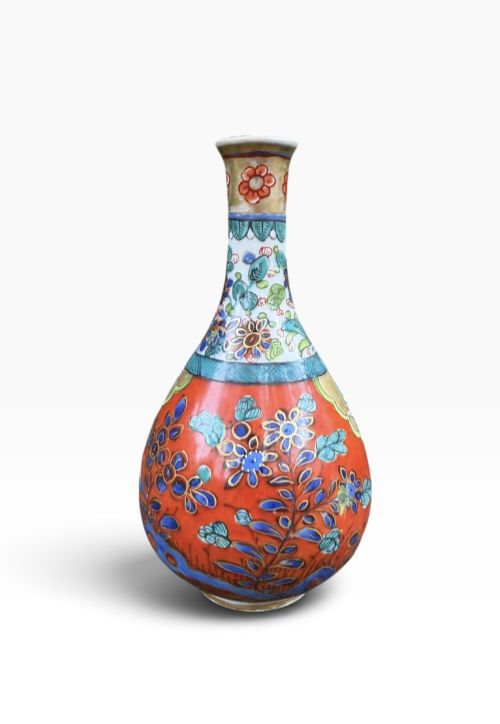
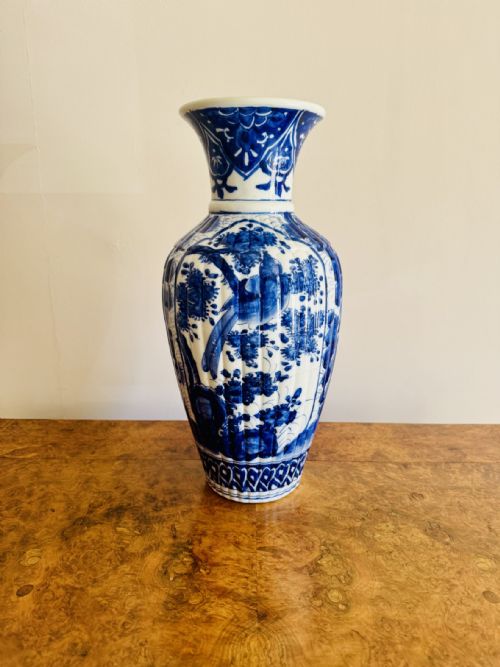
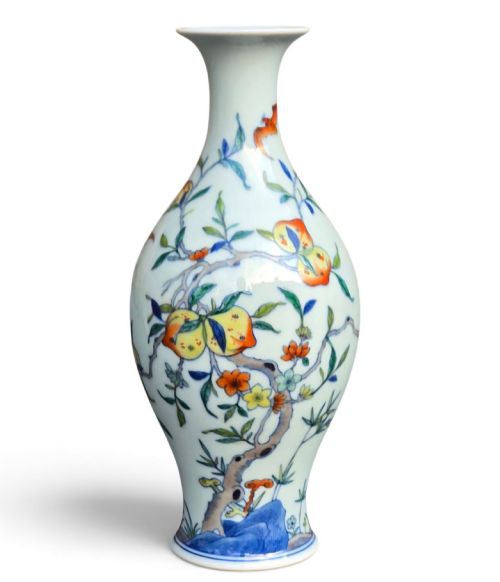
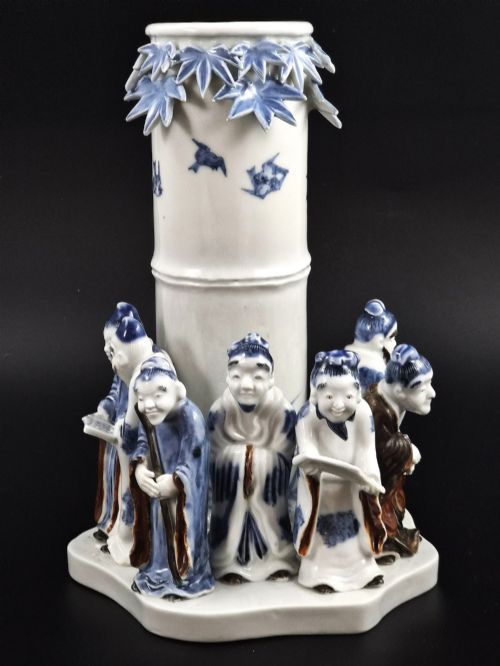
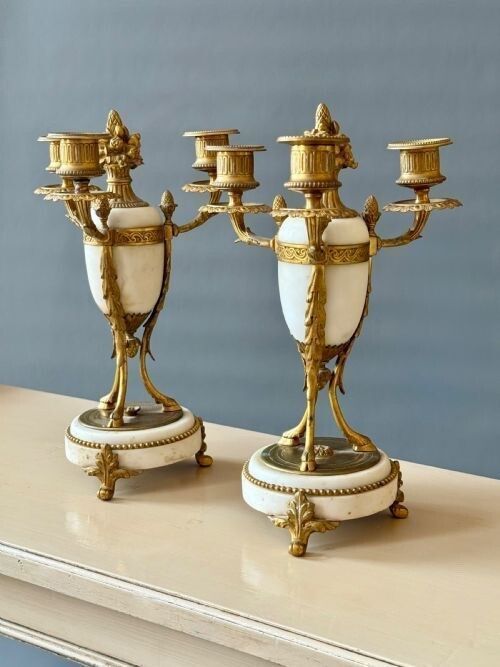
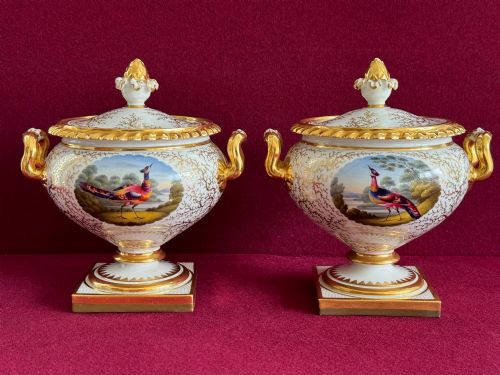
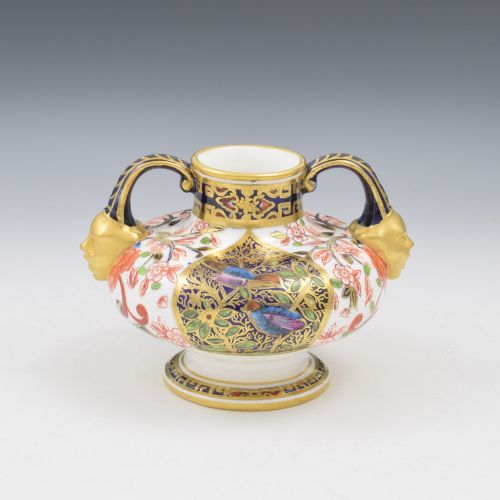
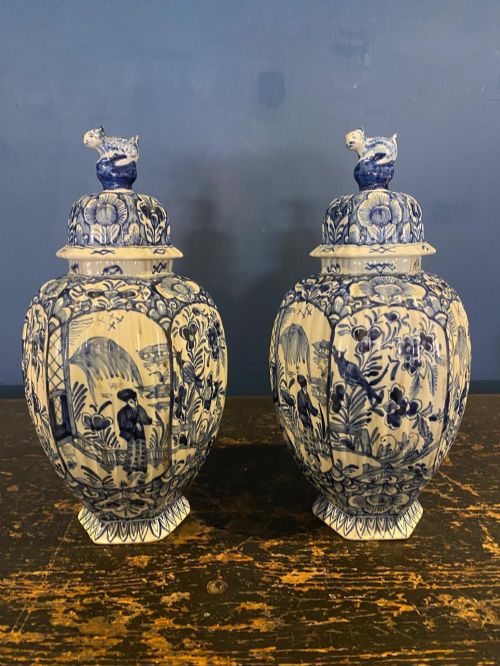
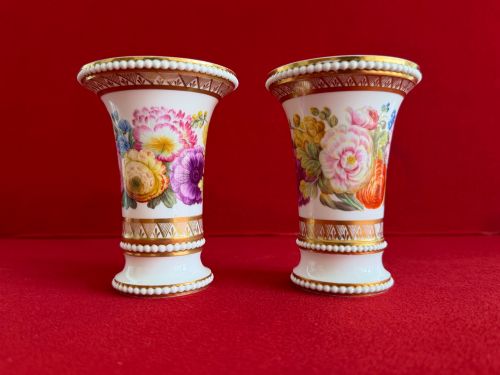
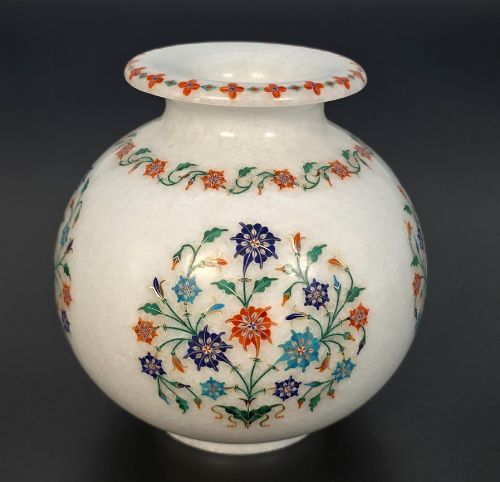
When you search for antique white urns, you encounter objects primarily shaped as garden urns, table vases, planters and mantel ornaments spanning the eighteenth, nineteenth and early twentieth centuries. The selection encompasses English and continental porcelain alongside heavy cast iron pieces designed for garden display.
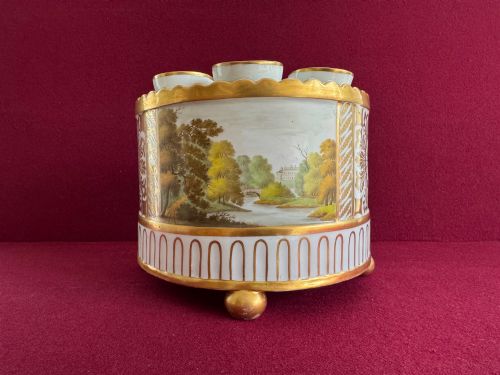
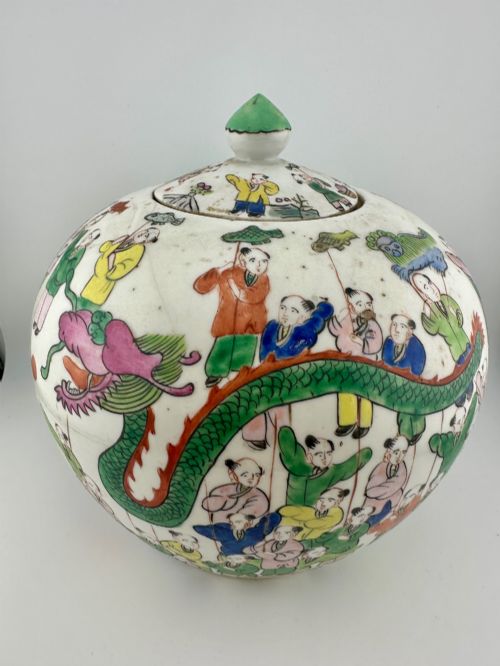
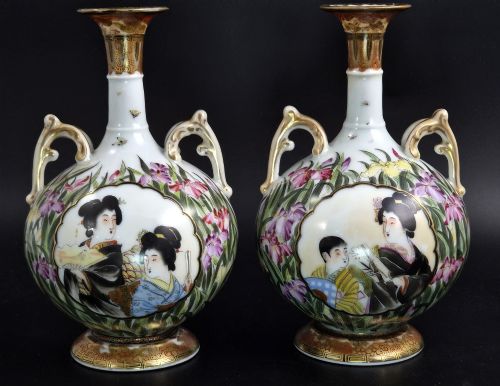
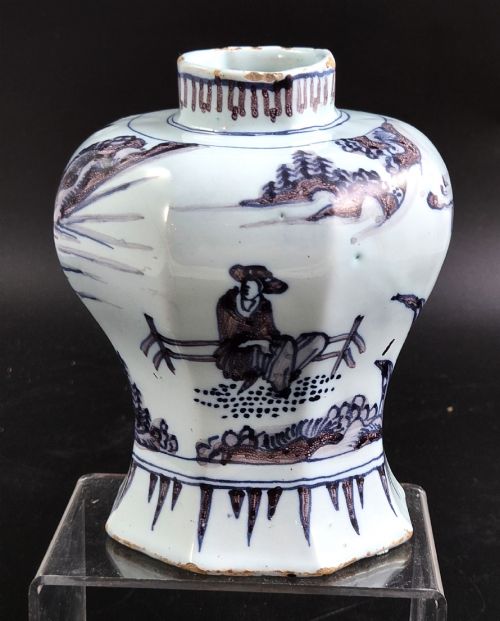
The materials range from delicate tin-glazed earthenware and porcelain with gilding or gold leaf to robust cast iron. Forms include campagna garden shapes, handled vases and lidded jars influenced by neoclassical and rococo revival styles.
Materials and Manufacturing
Porcelain and earthenware pieces rely on traditional throwing and moulding techniques, often finished with tin-glazing, hand-painted details or gold leaf application. Firing took place in wood or coal-fuelled kilns, leaving subtle variations in the ceramic body.
Cast iron examples, such as those from foundries like Falkirk Carron or Coalbrookdale, utilise sand-casting methods to achieve crisp neoclassical relief decoration. These heavy pieces were frequently mounted on original stone or iron plinths.
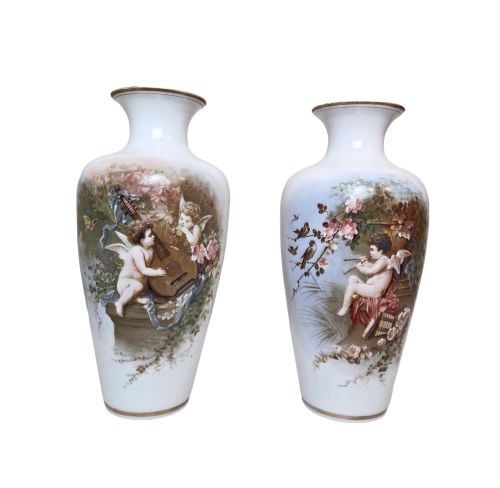
Several pieces feature hand-painted cherubs idling in gardens, ensuring your mantelpiece comes equipped with celestial onlookers.
Quality and Craftsmanship
The distinction between ordinary and exceptional pieces lies in the crispness of the modelling and the finesse of the hand-painted decoration. Superior porcelain displays finely executed brushwork and well-preserved gilding without rubbing.
For cast iron garden urns, quality is determined by the sharpness of the surface detail and the integrity of the original casting. Pieces bearing distinct foundry marks or retaining their original plinths command greater consideration from collectors.
Royal Crown Derby·Royal Worcester·Flight Barr And Barr·Sitzendorf·Coalbrookdale
The Antique White Urns Glossary
- Campagna urn
- A bell-shaped garden ornament featuring a flared rim and pedestal foot, popular in neoclassical design. This form derives from classical antiquity.
- Tin-glazed earthenware
- Pottery covered with a glaze containing tin oxide to produce a white, opaque surface suitable for painting. Dutch delftware and faience utilise this technique.
- Gilding
- The application of gold leaf or powdered gold to the surface of porcelain, metal or wood. This technique highlights decorative motifs and rims.
- Bough pot
- A vessel designed specifically to hold branches of greenery or flowers for interior decoration. They often feature perforated covers to keep stems in place.
- Neoclassical
- A style inspired by the classical art and architecture of ancient Greece and Rome. It emphasises symmetry, restraint and classical motifs.
Antique White Urns: Frequently Asked Questions
What are antique white urns made of?
The pieces span several materials including porcelain, ceramic, earthenware, tin-glazed earthenware and cast iron. Many feature added elements of gold leaf, gilding and bronze mounts.
Surfaces often display hand-painted decoration, white marble or enamel finishes depending on whether the object was intended for interior display or garden use.
How were these urns originally used?
Interior versions served as mantel ornaments, decorative vases, bough pots for floral arrangements or wine coolers. Garden variations stood on lawns, terraces and plinths as architectural ornaments.
Smaller vessels functioned as table lamps, spill vases or cream tureens within domestic dining and living spaces.
How do I care for ceramic urns?
Ceramic and porcelain pieces require gentle dusting with a soft, dry cloth to protect delicate hand-painted surfaces and gilding. Avoid using liquid cleaners or abrasive materials that might damage the glaze.
Cast iron garden urns benefit from occasional cleaning to remove debris and checking for weathering if kept outdoors through harsh seasons.
How do I identify the period?
Dating relies on stylistic clues such as neoclassical or rococo revival forms, alongside material composition and manufacturing techniques. Examining factory marks, where present, provides specific attribution to periods like the Regency or Victorian eras.
Comparisons with documented examples from nineteenth-century potteries and foundries help narrow the date of manufacture.