





Antique White Glass Bottle
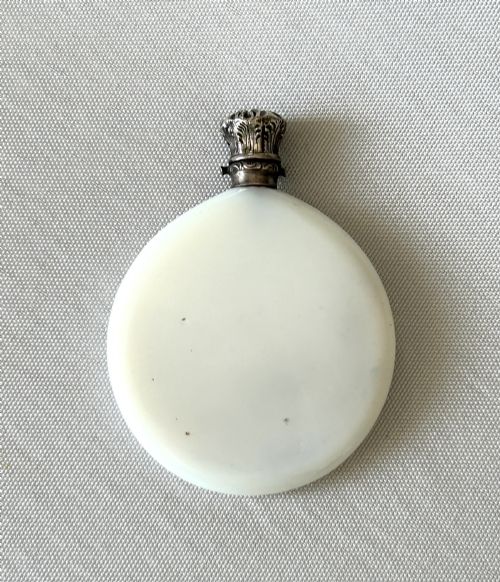
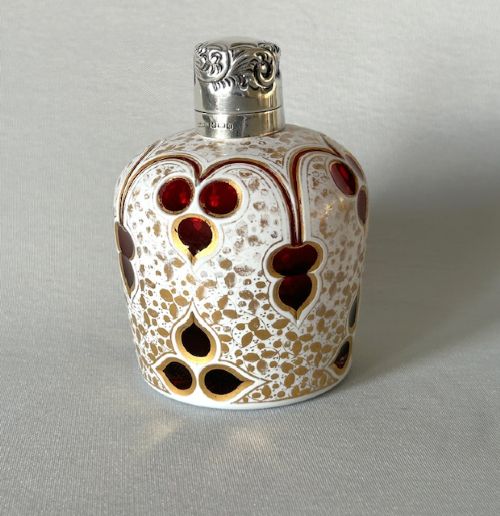
These antique white glass bottle pieces offer milky translucence and delicate enamel or silver mounts, perfect for dressing tables and cabinet displays.
Antique White Glass Bottle
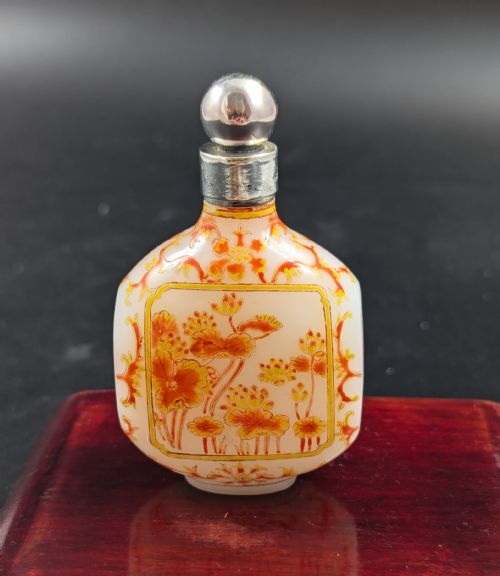
An antique white glass bottle encompasses practical vessels and vanity items created across the Georgian, Victorian, and Edwardian periods, stretching from the mid eighteenth century into the twentieth. You will most frequently encounter Victorian opaline glass scent bottles and flasks, often finished with sterling silver or silver plate.
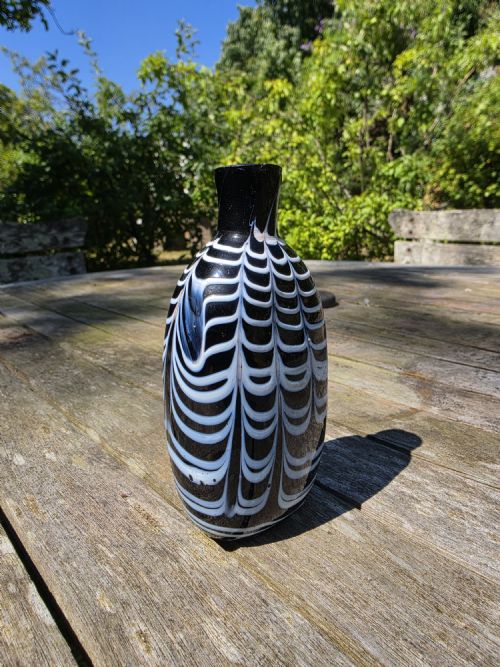
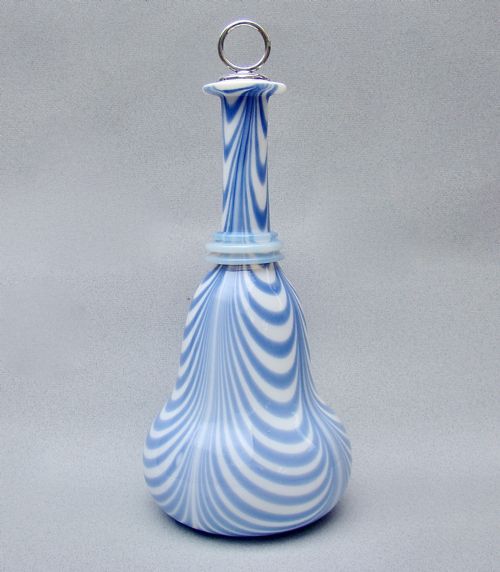
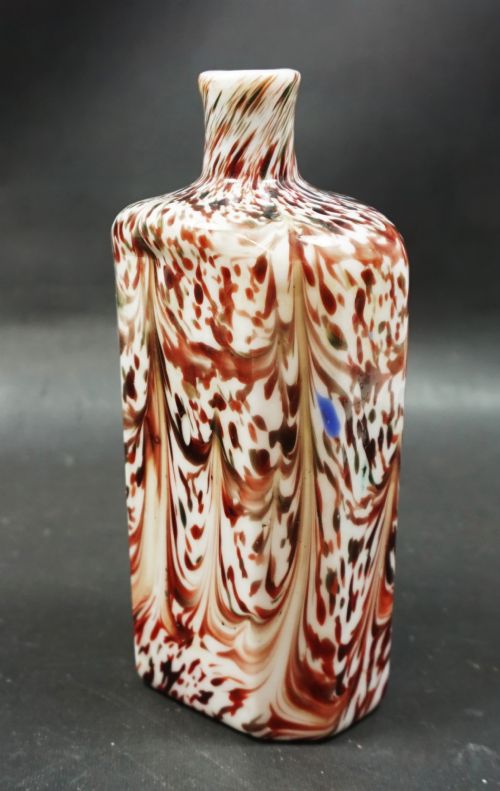
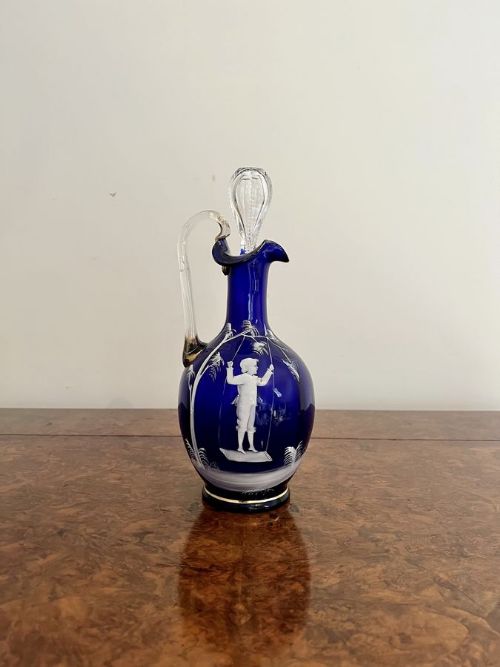
The selection ranges from small pocket flasks and scent phials to larger decanters and dressing table jars. Makers utilised milk glass, opaline glass, and Nailsea glass, applying enamel detailing or mounting the vessels in silver to elevate their everyday utility into ornamental luxury.
How they were made
Glassmakers shaped these pieces using traditional free-blowing or mould-blowing techniques, incorporating mineral oxides to achieve the characteristic opaque white or milky colouration. Artisans then applied enamel decoration by hand or cased layers of glass together.
Metalworkers fitted many examples with sterling silver, Old Sheffield plate, or hinged mounts. Craftsmen also utilised quilt moulding and splattered techniques to create patterned textures within the glass body.
Listings feature Victorian, Edwardian, and Georgian periods, utilising opaline glass, enamel, and sterling silver.
What varies in quality
The distinction between standard utility items and finer pieces lies in the crispness of the glass moulding and the weight of the material. Superior examples display even opacity and finely balanced metal mounts that fit the glass contours precisely.
Hand-painted enamel details show greater control and detail on higher-grade vessels, whereas simpler items rely on plain surfaces or basic splattered patterns. The integration of solid silver rather than plated alternatives elevates the standing of the piece.
Guyue Xuan·Sabino
The Antique White Glass Bottle Glossary
- Opaline glass
- A type of semi-opaque glass popular in the nineteenth century, ranging from pure white to pastel shades. It provides a smooth surface well-suited for enamel painting and gilding.
- Nailsea glass
- Glassware characterised by looped, splashed, or feathered patterns in white or coloured glass against a contrasting background. It originated in English glassworks during the late eighteenth and nineteenth centuries.
- Old Sheffield plate
- A composite material made by fusing a thin sheet of silver to a copper base, used for mounts and collars before electroplating became common.
- Enamel
- A decorative fused glass paste applied to the surface of the vessel and fired for colour. It creates raised, colourful motifs on the body of the bottle.
- Quilt moulded
- A glassblowing technique that produces a raised diamond or lattice pattern across the body of the vessel. This gives the glass added texture and rigidity.
Antique White Glass Bottle: Frequently Asked Questions
What were antique white glass bottles used for?
These vessels served various domestic and personal purposes, functioning as perfume containers, pocket flasks, table decanters, and dressing table jars.
Smaller examples held volatile scents or smelling salts, while larger flasks and decanters stored spirits or water for daily use.
How do I date an antique white glass bottle?
Dating relies on combining the style of the glass body with the hallmarks on any silver mounts and the specific manufacturing technique.
Georgian and early Victorian pieces often display hand-blown irregularities and simpler mount designs, whereas late Victorian and Edwardian examples feature machine-stamped silver and more uniform glass forms.
How should I clean and care for my bottle?
Dust the exterior gently with a soft, dry cloth and avoid submerging pieces with silver mounts or delicate enamel decoration in water.
Harsh chemical cleaners can damage fragile enamel pigments and strip the protective patina from old silver collars and hinged caps.
Are these bottles safe to use for liquids?
While many historic flasks and decanters were designed for liquids, age can make the internal glass surface fragile or porous.
It is generally advisable to keep them as display pieces rather than utilising them for consumption, particularly if they contain residue or historical repairs.