




Antique Silver Top Flask
An antique silver top flask brings together heavy glass bodies and gleaming metal mounts from the Victorian and Edwardian eras for daily utility or display.
Antique Silver Top Flask
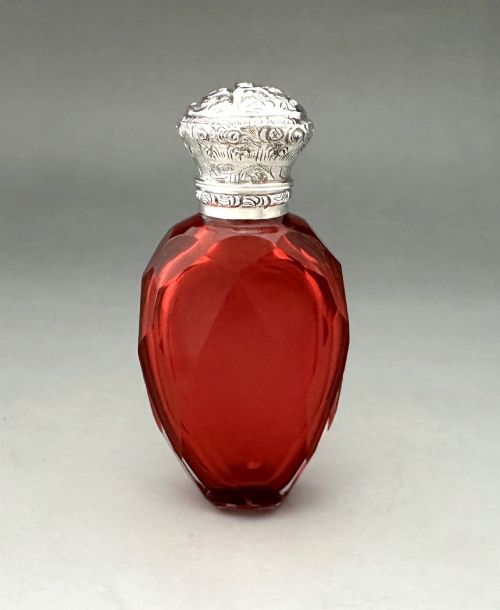
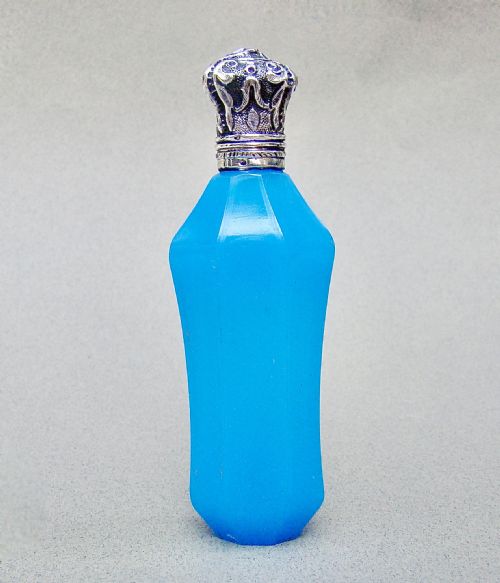
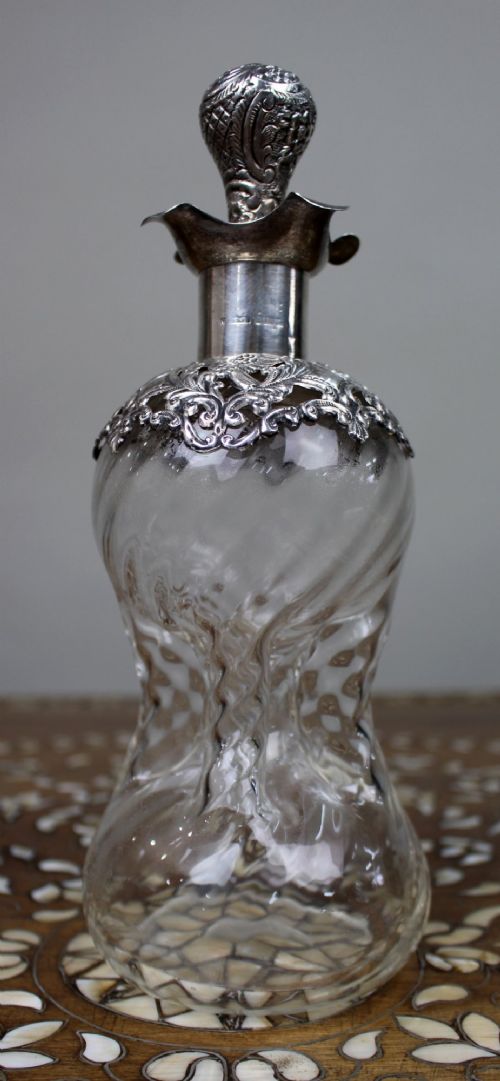
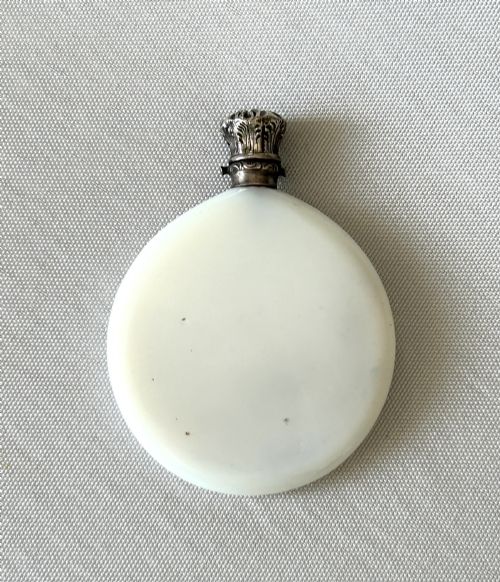
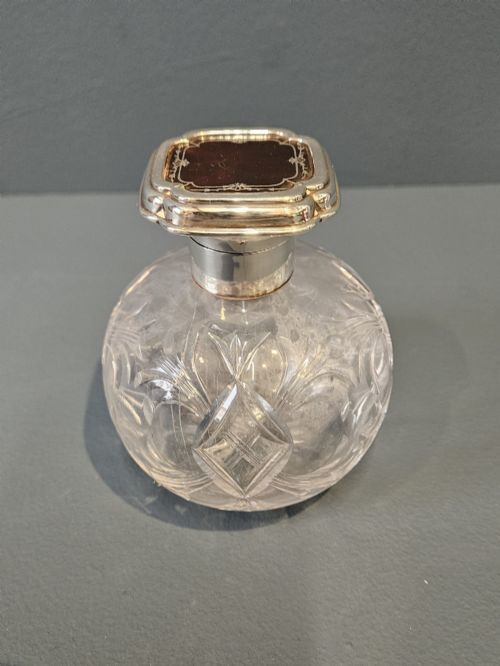
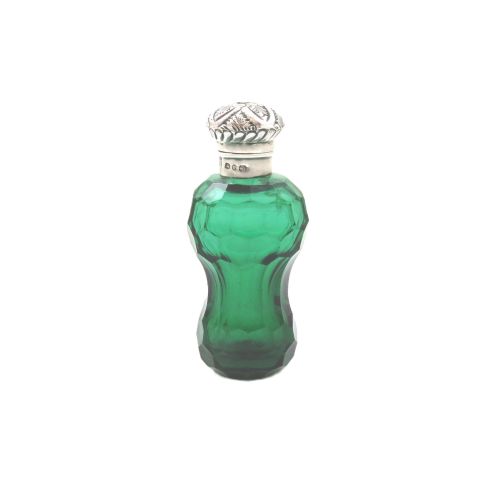
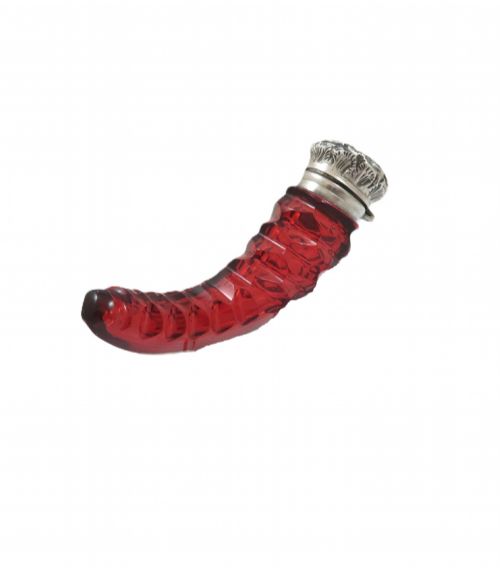
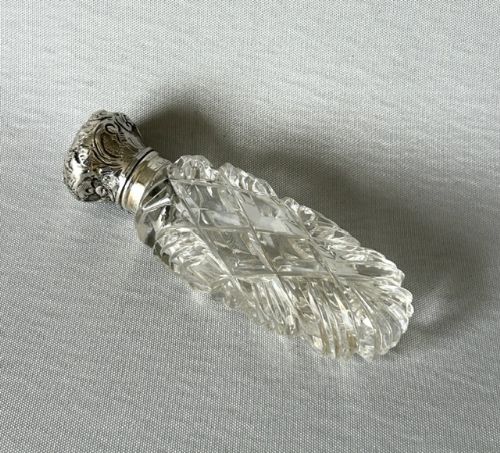
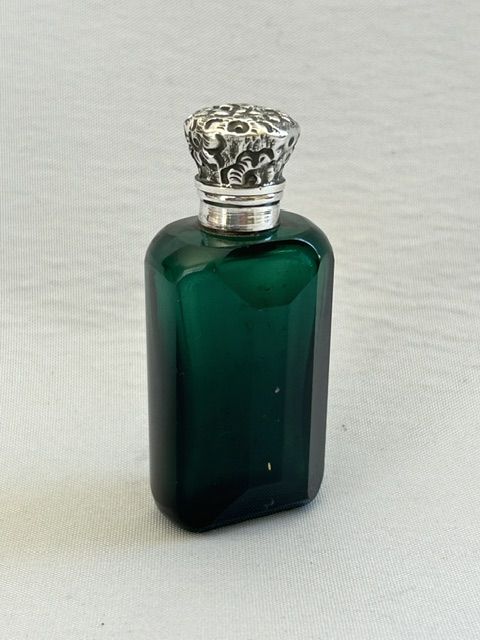
When you search for an antique silver top flask, you encounter an array of vessels including scent bottles, perfume bottles, decanters, and drinking hip flasks. The versions most commonly met on this page span the Victorian and Edwardian periods, stretching from the eighteen-seventies into the nineteen-thirties. These pieces combine fitted metal lids with bodies fashioned from clear crystal, cut glass, or coloured glass.
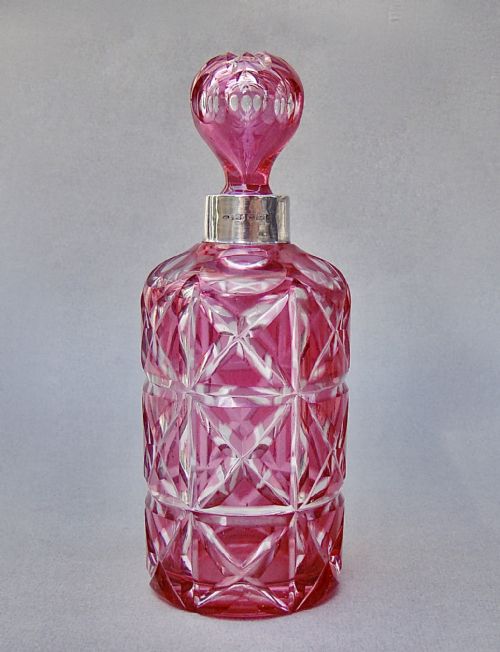
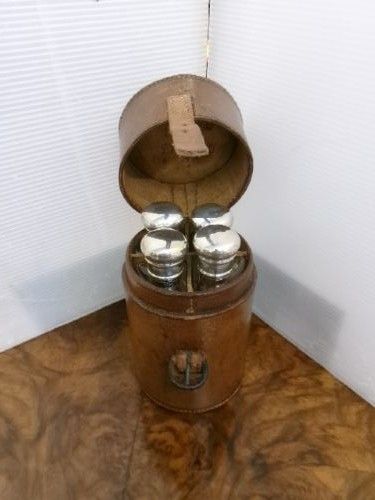
The assortment encompasses small pocket scent bottles alongside larger hunting flasks and spirit flasks, occasionally housed in leather cases. Makers utilised sterling silver, silver plate, and occasionally tortoiseshell or enamel alongside the glass bodies. Forms range from simple cylindrical and round shapes to egg-shaped scent bottles and overlaid decanters.
How they were made
Makers formed the glass bodies using techniques such as mould-blowing, slicing, and cutting to create faceted or smooth surfaces in shades like cranberry, ruby, opaline, and teal. Metalsmiths then shaped sterling silver or silver plate into screw caps, hinged flip tops, and ornate collars that fitted securely onto the glass necks.
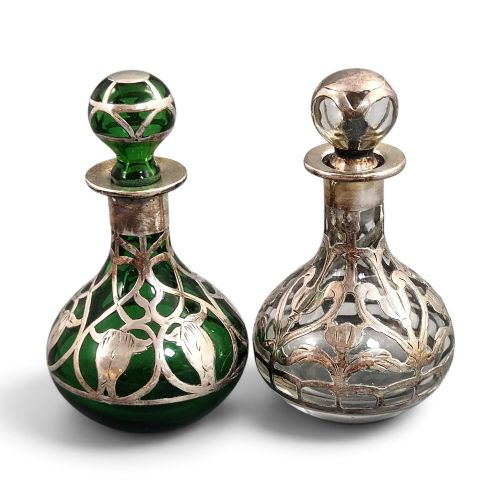
Decorative elements involve sterling silver overlay, chased or hammered finishes, and colourful guilloche enamel panels applied to the metal mounts. Master craftsmen fused these components to withstand the containment of liquids, whether volatile perfumes or spirits.
Several flasks hide inside speckled bird egg forms, turning nineteenth-century ornithological fascination into a discreet place for perfume.
What varies in quality
The distinction between tiers rests upon the weight and purity of the silver mounts, the complexity of the glass cutting, and the integration of specialised materials like enamel, tortoise shell, or overlay work. Superior examples exhibit crisp facets on heavy crystal or vibrant coloured glass alongside robust silver lids that close flush against the collar.
Provenance and maker attribution elevate certain pieces, particularly those bearing recognisable marks from established silversmiths or specialty glassworks. The presence of original fitted leather cases also alters the character of a flask, distinguishing standard utilitarian containers from bespoke portable sets.
Harold Bushell & Co·Franchini & Bigaglia·Asprey London·JB Chatterley & Sons·Barnsley & Co
The Antique Silver Top Flask Glossary
- Sterling silver
- An alloy containing ninety-two point five percent silver by mass, with the remainder consisting of other metals like copper. This standard material forms the durable lids and mounts found across many Victorian and Edwardian flasks.
- Guilloche enamel
- A decorative technique where intricate geometric patterns are mechanically engraved into metal beneath a translucent enamel layer. This method appears on colourful perfume bottle caps from the early twentieth century.
- Opaline glass
- A delicate, opaque or semi-translucent glass developed in various pastel hues during the nineteenth century. It provides a smooth, milky body for scented perfume containers.
- Silver overlay
- A process where sterling silver is applied directly onto the exterior of a glass vessel in decorative motifs. This technique creates a striking contrast between the polished metal and the coloured glass beneath.
- Cut glass
- Glassware shaped and patterned through abrasive wheel cutting to produce sharp facets that reflect light. It adds considerable weight and brilliance to decanters and scent bottles.
Antique Silver Top Flask: Frequently Asked Questions
What is a silver top flask?
A silver top flask is a portable container featuring a glass body paired with a fitted metal lid made of sterling silver or silver plate. These vessels were historically designed to hold perfumes, scented oils, or potable spirits for personal use during travel or social outings.
The category encompasses small pocket scent bottles, larger hunting flasks, and table decanters produced predominantly throughout the Victorian and Edwardian eras. Each piece combines functional liquid storage with decorative metalwork characteristic of its period of manufacture.
Can I use these flasks for travel?
While these vessels were originally engineered for portability in pockets, hunting bags, or leather cases, modern travel places different demands on antique items. Historic stoppers and hinged lids may not maintain an airtight seal sufficient for active transit in modern luggage.
It is generally wiser to display these pieces or use them for stationary storage rather than carrying liquids on the move. Checking the integrity of internal corks or washers is essential if liquid containment is intended.
How do I date a silver top flask?
Dating a flask relies heavily upon examining the hallmarks stamped into the silver mounts, which indicate the assay office, standard of silver, and year of manufacture. Stylistic indicators such as Art Nouveau floral motifs, Art Deco geometric lines, or Victorian glass colours also help narrow the period.
Matching the design of the glass body, the type of closure mechanism, and any accompanying leather cases provides a comprehensive timeline. Comparing these attributes against documented examples confirms the era of production.