

Antique White Ceramic
Antique white ceramic pieces range from eighteenth-century Delft apothecary bottles to nineteenth-century Staffordshire dogs, prized for their traditional forms and historic glazes.
Antique White Ceramic
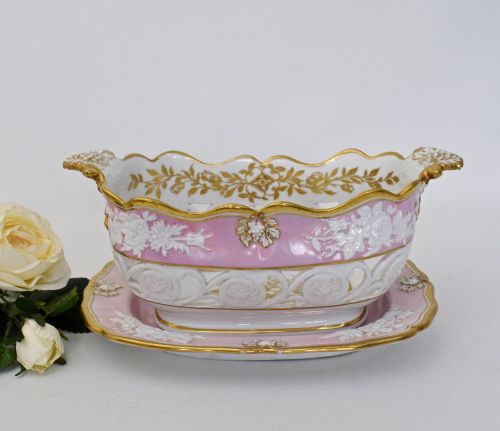
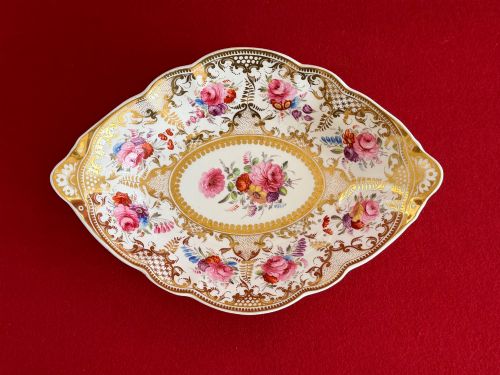
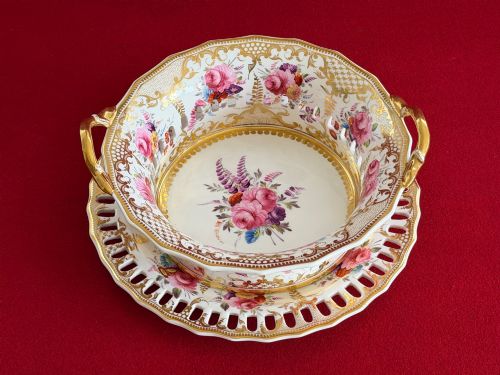
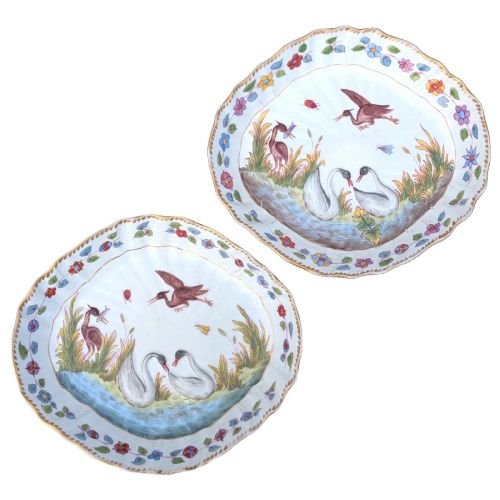
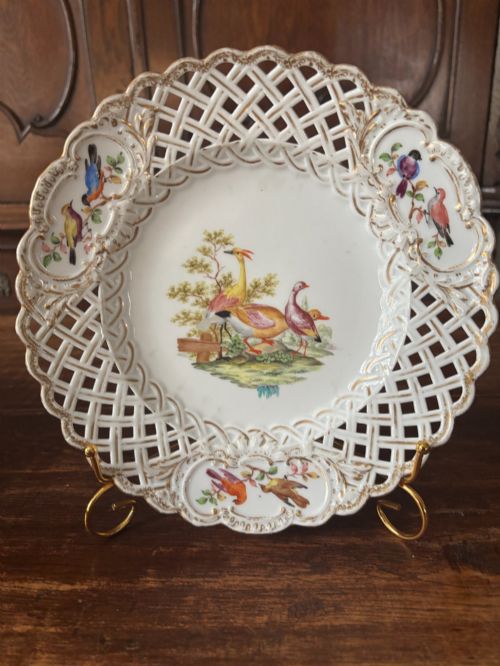
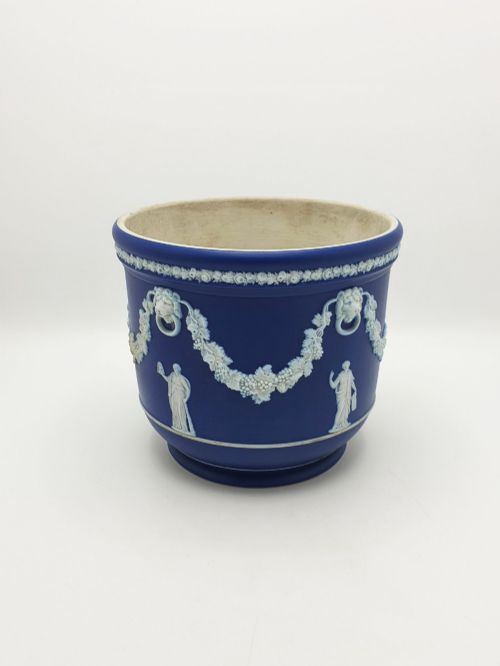
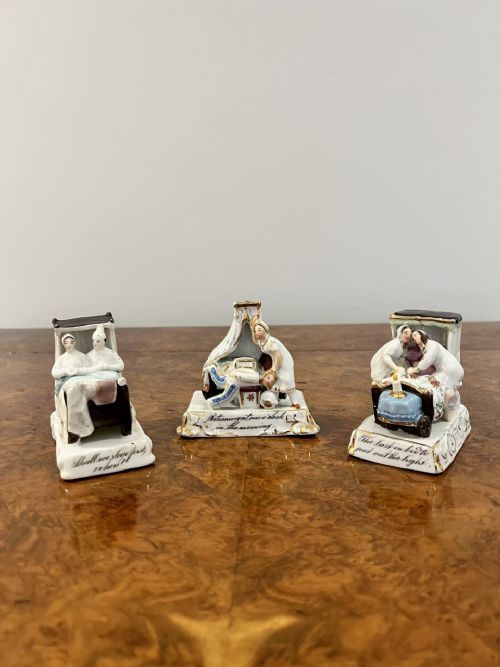
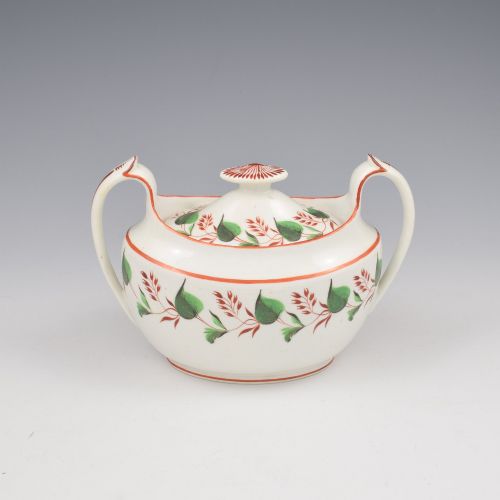
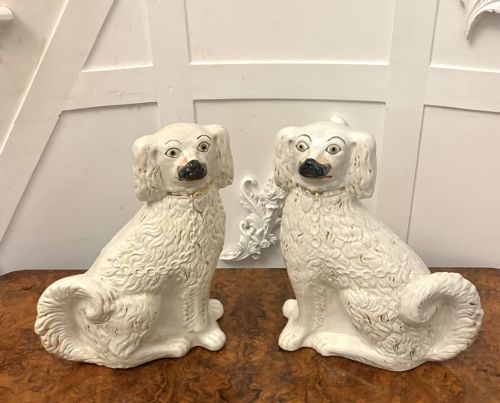
When searching for antique white ceramic, buyers encounter a diverse selection of utilitarian and decorative objects spanning several centuries. The inventory includes vessels such as Dutch Delft apothecary bottles, eighteenth-century Worcester porcelain bowls, and nineteenth-century Staffordshire spaniel dogs and figures.
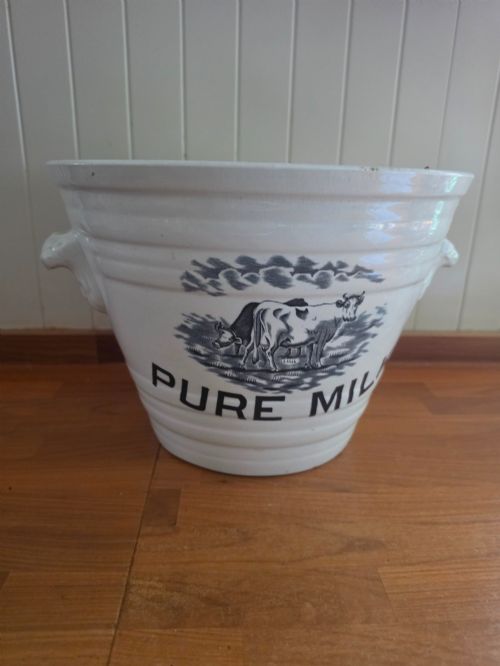
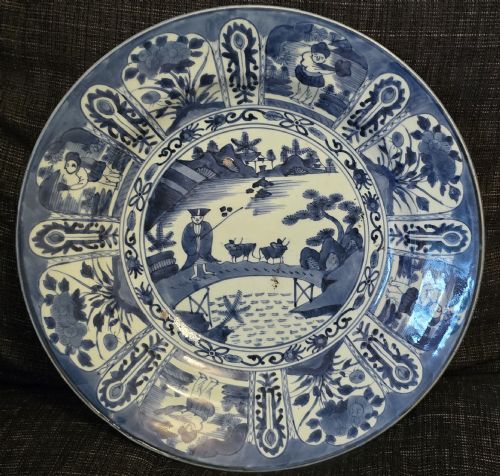
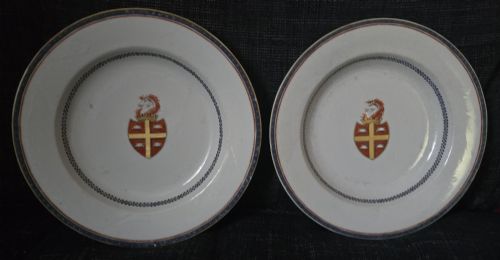
The objects originate from English factories like Worcester and Staffordshire, alongside Dutch workshops and Asian kilns. Domestic utilitarian wares like butter slabs and milk pails sit alongside decorative porcelain vases and plates, reflecting varied domestic and export markets.
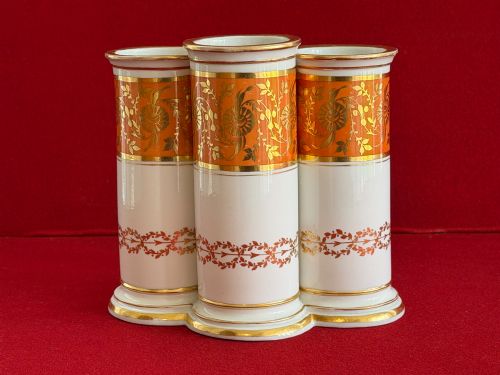
Pieces from the seventeenth, eighteenth, and nineteenth centuries dominate the selection. Buyers meet creamware baskets, ironstone wash basins, and earthenware spill vases, each demonstrating period-specific potting techniques and stylistic influences.
Materials and construction
Makers utilised earthenware, porcelain, and ironstone as the primary paste bodies for these objects. Potters shaped the clay by hand or threw it on a wheel before applying lead, tin, or salt glazes to seal the porous material and create a smooth white surface.
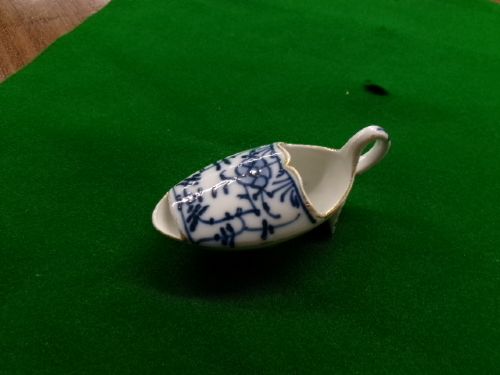
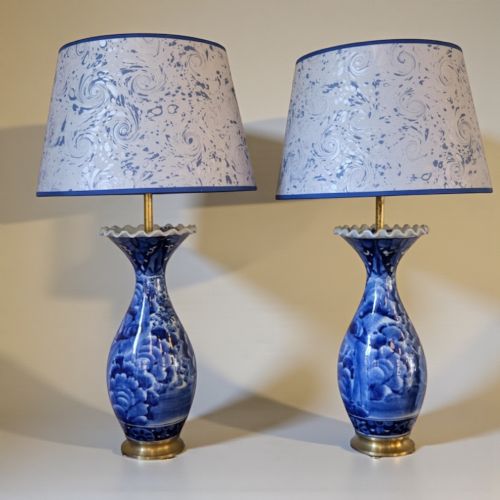
Firing took place in traditional kilns where temperature control dictated the vitrification of the ceramic body. Many items received hand-painted cobalt blue decoration, enamel highlights, or moulded details prior to final glazing and refiring.
Antique White Ceramic Retail Price Guide 2026
Typical asking prices for white ceramic among the pieces listed under this phrase on Sellingantiques today, from the lower quarter to the upper quarter. They describe what is for sale here now, not the wider market.
Staffordshire potters modelled cheeky monkeys and spaniels to peer from nineteenth-century mantelpieces with unwavering ceramic loyalty.
Quality variations
Quality in these ceramics rests upon the crispness of the moulding and the refinement of the paste body. Fine porcelain exhibits a thin, translucent wall, whereas sturdier earthenware and ironstone display heavier proportions suited to utilitarian service.
The skill of the painting and the purity of the white glaze define the upper tier of objects. Controlled kiln temperatures prevent pooling or discolouration in the glaze, ensuring an even finish that highlights the underlying form.
Gebrüder Heubach·Thomas Parr factory·Takasaka Toemon
The Antique White Ceramic Glossary
- Ceramic
- Objects fashioned from clay and hardened by heat. This broad category encompasses earthenware, stoneware, and porcelain.
- Porcelain
- A vitrified ceramic material of fine paste, white and translucent. Makers fire it at high temperatures to achieve a non-porous body.
- Earthenware
- Porous pottery fired at lower temperatures. It requires a glaze to hold liquids and forms the basis of many traditional domestic wares.
- Creamware
- A refined earthenware developed in the eighteenth century with a pale yellow or cream-coloured lead glaze. Wedgwood popularised this versatile body for tableware.
Antique White Ceramic: Frequently Asked Questions
What is the difference between porcelain and earthenware?
Porcelain is fired at much higher temperatures until the clay body vitrifies and becomes non-porous and translucent. It rings when tapped and resists staining.
Earthenware is fired at lower temperatures, leaving the clay porous and opaque unless sealed with a complete glaze. It tends to be heavier and thicker than porcelain.
How can I date an old ceramic piece?
Examine the base of the object for potting marks, kiln scars, or factory stamps. Wear patterns on the footrim often indicate the age and frequency of use.
Compare the stylistic motifs, glaze characteristics, and potting techniques with known period examples. Documentation and factory records provide the most reliable dating evidence.
Where were most of these ceramics made?
Many items originated in English regional potteries such as Staffordshire and Worcester. Others came from European centres including Dutch Delft workshops.
Asian export wares from Japanese and Chinese kilns also feature heavily in the selection. Each region utilised local clays and distinct traditional firing methods.