


Antique White Basin
An antique white basin brings clean utility and historic ceramic craft directly into modern spaces, offering enduring functional beauty.
Antique White Basin
The term antique white basin covers a varied group of utilitarian and decorative vessels originating from the eighteenth, nineteenth, and early twentieth centuries. These pieces encompass large wash basins, footbaths, and ceramic wash sets designed for domestic hygiene before modern plumbing.
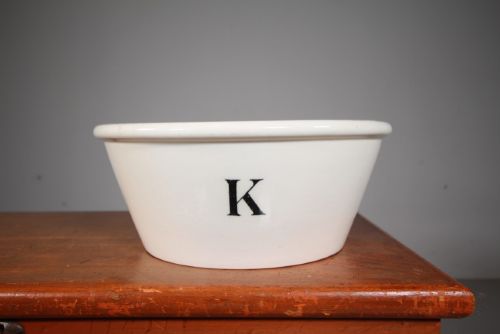
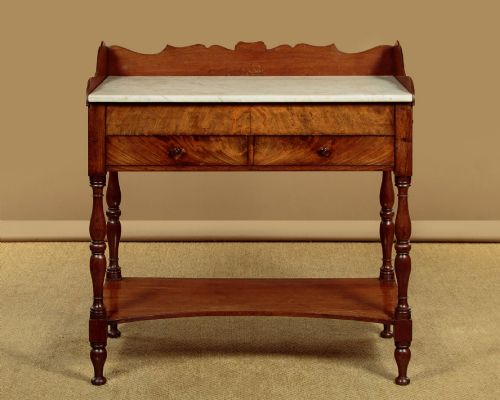
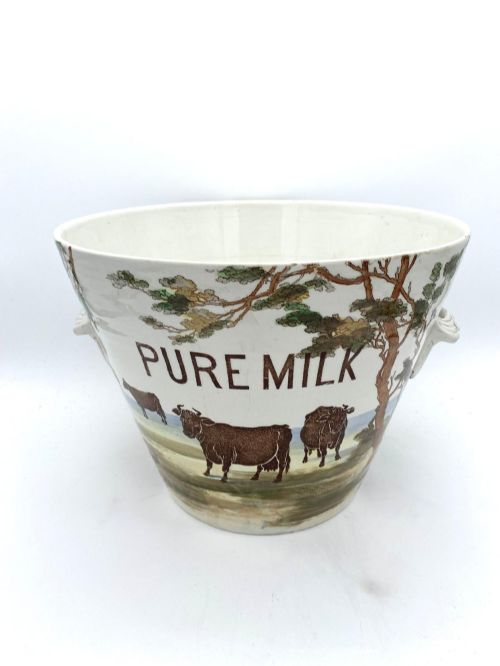
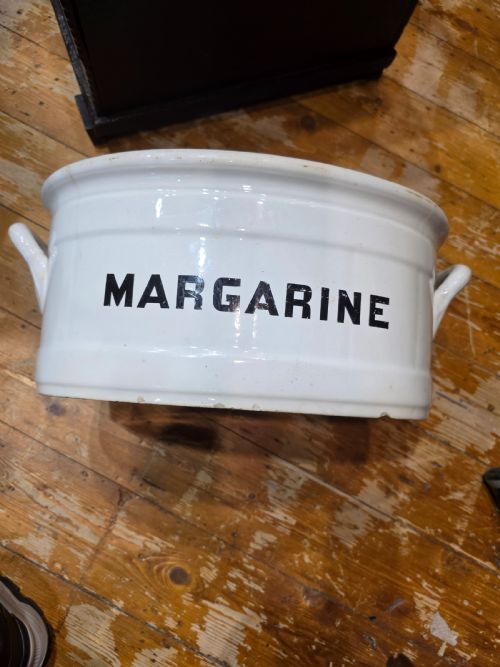
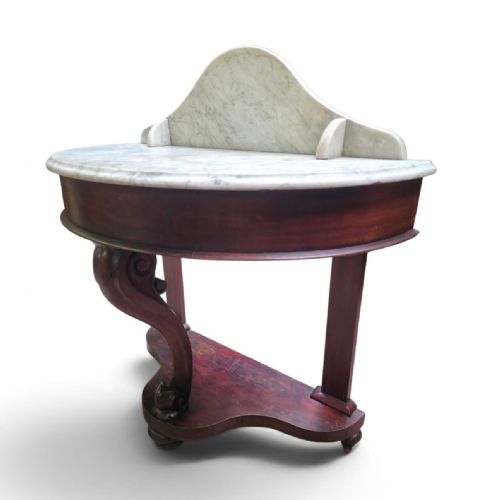
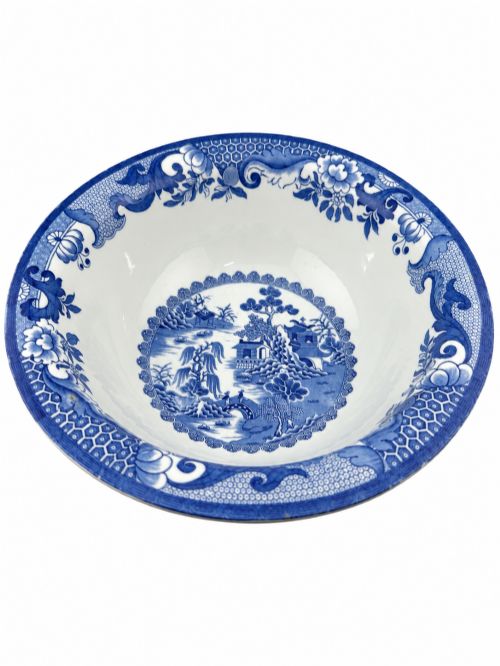
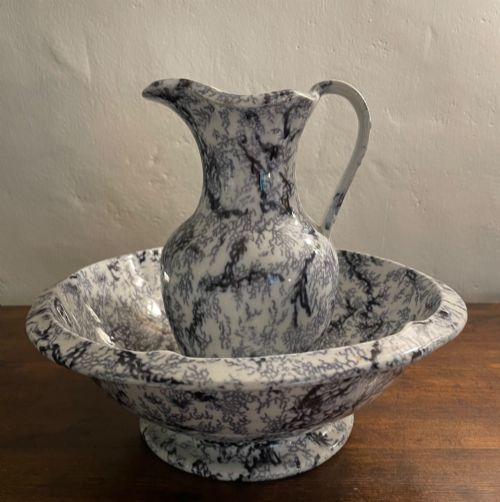
Buyers browsing this selection will most frequently encounter nineteenth-century earthenware and ironstone examples, often associated with washstands or chamber sets from the Victorian and Edwardian eras. These domestic pieces combine plain white surfaces with robust utility, reflecting the daily routines of past households.
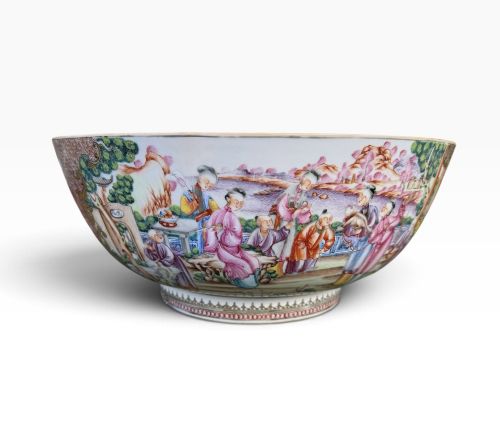
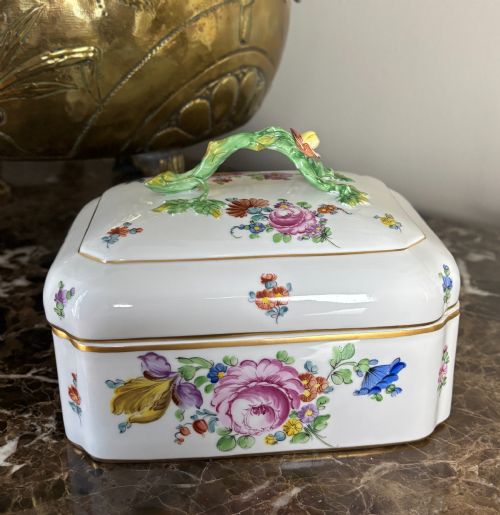
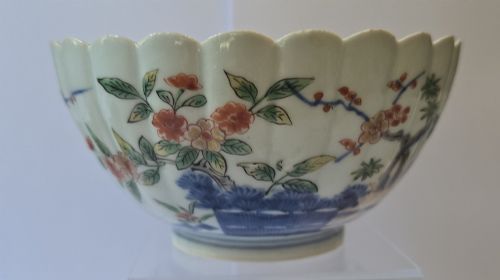
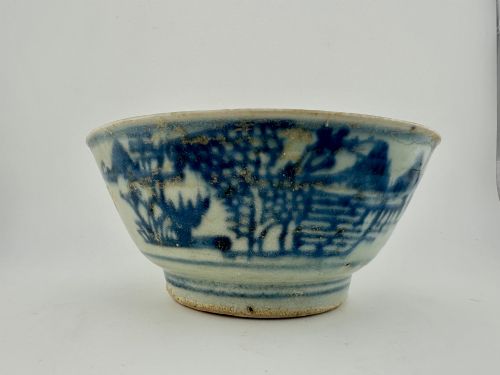
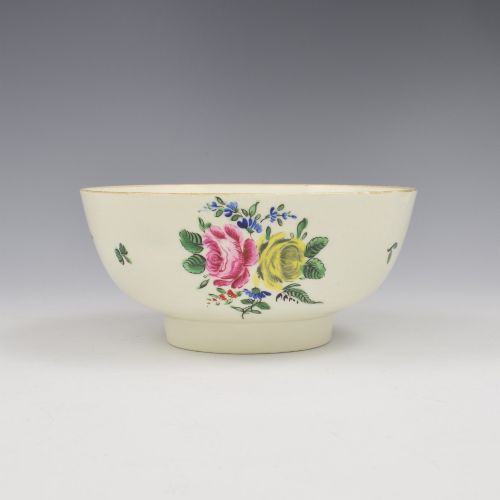
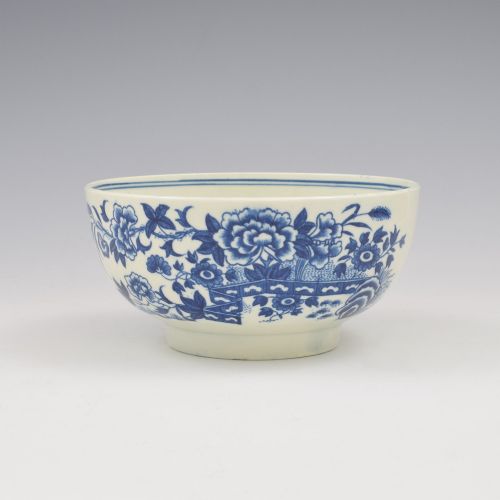
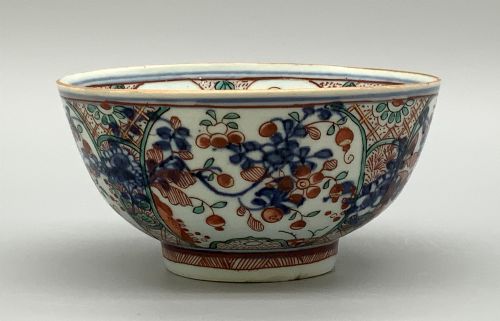
Earlier ceramic pieces from the eighteenth century appear alongside these domestic utilitarian items, including porcelain punch bowls and basins decorated in cobalt or subtle glazes. The range spans simple farmhouse pottery to refined porcelain, demonstrating diverse domestic and decorative functions.
Materials and methods of production
Potters shaped these basins using earthenware, ironstone, and porcelain pastes, which were subsequently fired in kilns to achieve durability. Surface decoration often relied on cobalt blue pigments, transfer printing, or hand-painted details beneath protective clear glazes.
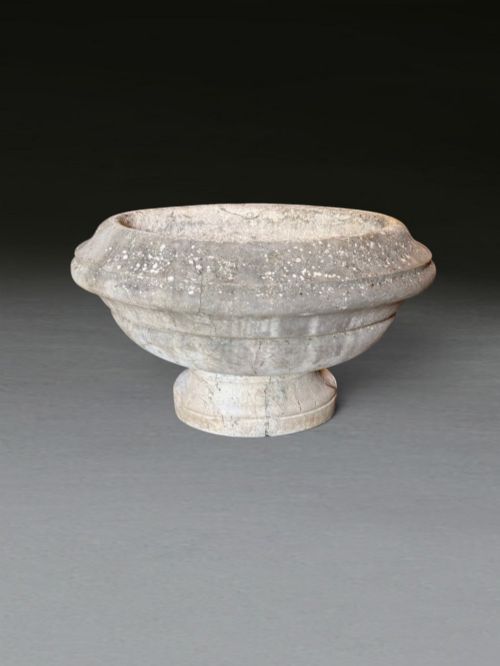
Heavier items such as mortars, cisterns, and monumental footbaths were carved from solid blocks of white marble or cast in iron. These mineral materials provided the structural weight and impermeability required for holding water and heavy ingredients.
Antique White Basin Retail Price Guide 2026
Typical asking prices for white basin among the pieces listed under this phrase on Sellingantiques today, from the lower quarter to the upper quarter. They describe what is for sale here now, not the wider market.
The selection includes regional British potteries alongside Chinese export porcelain and heavy Italian marble cisterns.
Distinctions in craftsmanship and material
Quality in these ceramic and stone vessels rests upon the refinement of the raw materials and the precision of the potter or carver. Finely potted porcelain and evenly carved marble display a superior thinness and balance compared to heavier, more utilitarian earthenware.
The clarity of the white glaze and the crispness of any applied blue transfer printing or hand-painted motifs differentiate standard domestic wares from exceptional studio and factory productions. Superior examples maintain intact surfaces without heavy kiln distortion or extensive glaze crazing.
Dr Wall Worcester·Mason·Wemyss·Staffordshire·Minton·Spode·Ridgway·Doulton Burslem·Heathcote
The Antique White Basin Glossary
- Basin
- An open rounded vessel used for holding water, washing, or food preparation. These items vary from small porcelain bowls to large ceramic wash pieces.
- Ironstone
- A heavy, durable type of earthenware patented in the nineteenth century. It resists chipping and provided a sturdy white body for large household basins.
- Earthenware
- Porous pottery fired at lower temperatures, requiring a vitreous glaze to hold liquids. It forms the body of many traditional wash sets and footbaths.
- Glaze
- A glassy coating fused to ceramic surfaces during firing to seal the porous clay body. This layer gives the basin its smooth white finish and watertight properties.
- Transfer printing
- A mechanical decoration technique using an engraved copper plate to transfer ink patterns onto paper and then onto pottery. This method enabled detailed blue and white designs on nineteenth-century basins.
Antique White Basin: Frequently Asked Questions
What were antique white basins used for?
These vessels served primarily for personal washing, grooming, and household hygiene before plumbed bathrooms became standard. Large basins sat atop wooden washstands alongside matching water jugs.
Other variations functioned as footbaths for soaking tired feet or as kitchen bowls for food preparation. Their durable glazed surfaces made them practical for daily domestic water containment.
How do I clean an antique basin?
Wash the ceramic or marble surface gently using warm water and mild liquid soap with a soft cloth. Avoid abrasive scouring pads or harsh chemical cleaners that can damage historic glazes.
Take care with antique ironstone or earthenware to protect any aged crazing lines from staining. Pat the piece dry thoroughly after washing.
Are these basins safe for daily use?
Most antique basins function well for gentle modern tasks like holding dried flowers, soaps, or towels in a bathroom. Earthenware pieces with extensive glaze cracking are better suited for decorative display rather than holding liquids.
Ironstone and porcelain models generally remain robust, but thermal shock from boiling water should still be avoided.
How can I tell Victorian basins apart from earlier ones?
Victorian basins typically feature heavier ironstone bodies and often form part of matched chamber sets with bold transfer-printed patterns. They reflect mass production techniques developed during the nineteenth century.
Eighteenth-century examples often display finer porcelain bodies, hand-painted underglaze blue Chinese-export motifs, or softer earthenware pastes associated with earlier pottery traditions.
Can antique basins be displayed on walls?
Large basins and decorative bowls require specialist, secure display brackets designed to support their substantial weight without putting pressure on the rim. Professional installation ensures the piece remains safe.
Lighter porcelain bowls should be checked for stability before mounting in any domestic setting.