
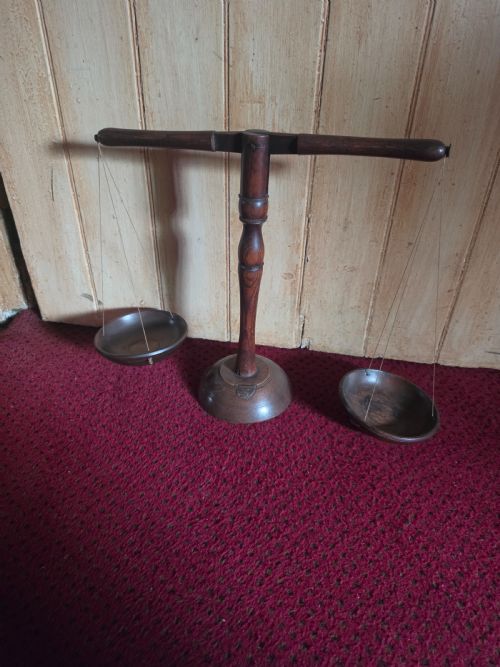


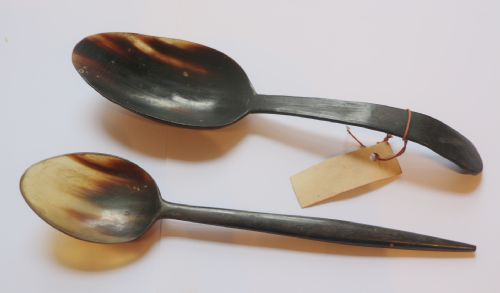


Antique Welsh Treen
Antique welsh treen brings domestic timberwork into the home, offering utilitarian objects shaped by rural hands across the eighteenth and nineteenth centuries.
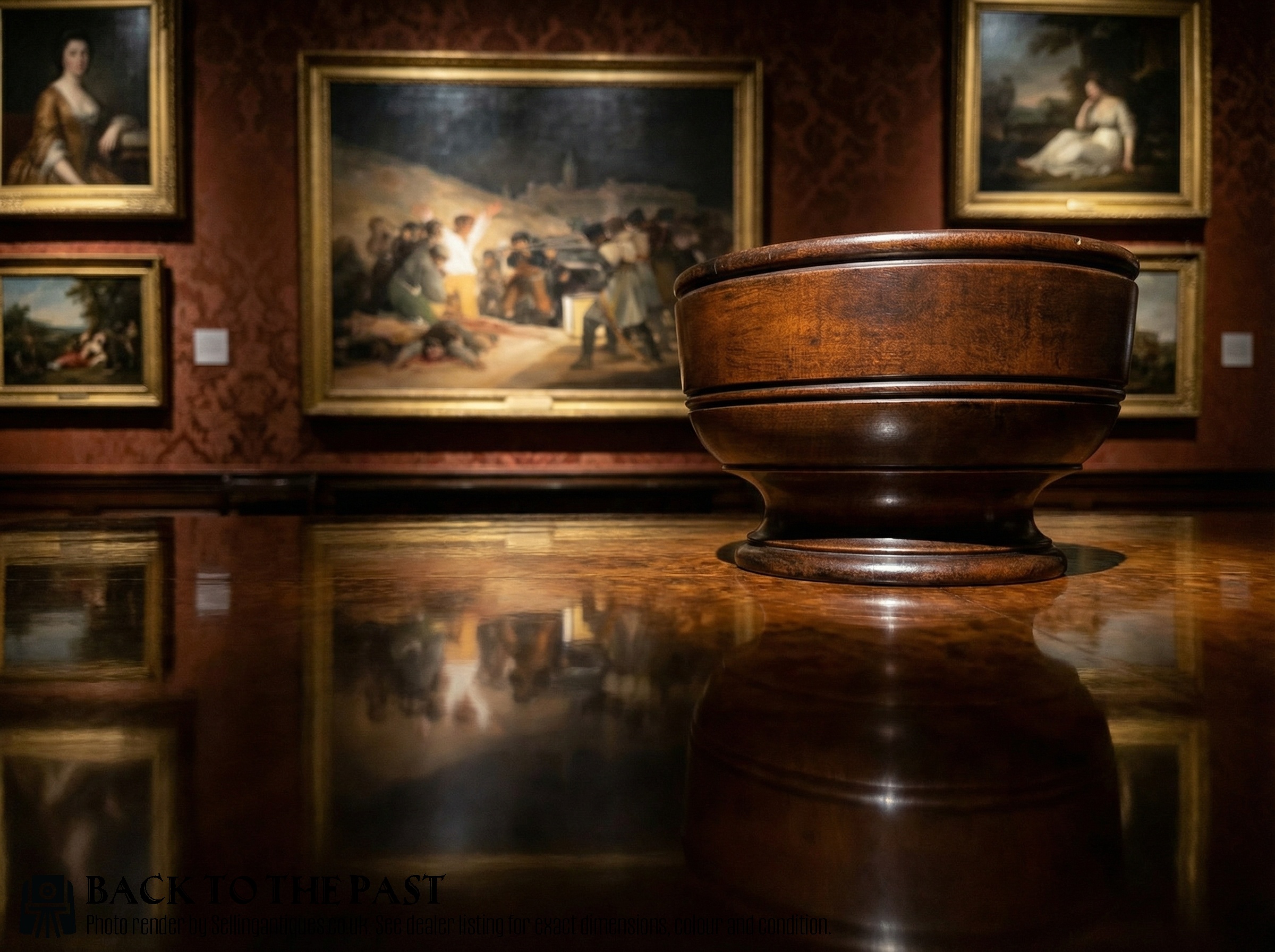
Antique Welsh Treen
Antique welsh treen encompasses domestic wooden items produced for everyday rural life, spanning dairy bowls, spoons, lovespoons, scales, and kitchen implements. These objects bridge the gap between practical kitchenware and folk art, reflecting the domestic habits of earlier centuries in Wales.
The pieces available typically date from the Georgian era through the nineteenth century, demonstrating a strong tradition of turned and carved timber. Buyers encounter items ranging from simple flour scoops and salt cellars to intricately decorated lovespoons and knitting sheaths.
Most examples originate from Welsh vernacular and country traditions, showing the distinct hand of local makers working with regional timbers. This category offers an intimate look at domestic utility, where utilitarian function meets traditional carving.
Materials and construction methods
Makers relied heavily on native hardwoods, choosing fruitwood, sycamore, oak, cherrywood, and beech for their specific density and grain properties. Sycamore and fruitwood were favoured for dairy vessels and spoons due to their clean finish and resistance to splitting.
Turning on a lathe produced symmetrical forms such as bowls, bowl stands, and dairy skimmers, while hand-carving shaped lovespoons, ladles, and knitting sheaths. Chip carving, pierced work, and inlay details added decorative character to utilitarian items.
Antique Welsh Treen Retail Price Guide 2026
Typical asking prices for welsh treen among the pieces listed under this phrase on Sellingantiques today, from the lower quarter to the upper quarter. They describe what is for sale here now, not the wider market.
Listings feature eighteenth and nineteenth-century periods, utilising native woods such as sycamore, fruitwood, and oak.
Assessing quality in timber objects
Quality rests on the crispness of the carving, the balance of the turned form, and the condition of the wood surface over time. Crisp chip carving and well-defined incisions on lovespoons and knitting sheaths distinguish finer workshop output from simpler domestic carving.
Surface patination and the preservation of original tool marks play a major role in distinguishing superior pieces. Items that retain their original dry timber surfaces and clear regional characteristics command stronger attention from collectors.
Williams·Mrs Green
The Antique Welsh Treen Glossary
- Treen
- Small handmade wooden objects created for domestic or utilitarian use. The term derives from the old word for tree.
- Lovespoon
- A decorative wooden spoon traditionally carved by a suitor and presented to a loved one. These often feature intricate symbols, dates, and initials.
- Knitting sheath
- A domestic tool tucked into a belt or apron to hold a knitting needle steady. Welsh examples frequently display dense chip carving and local folk art motifs.
- Cawl ladle
- A deep wooden spoon designed for serving traditional Welsh broth or stew. They were turned or carved from single blocks of native timber.
- Dairy bowl
- A large wooden vessel used in butter-making and milk setting. Sycamore was commonly chosen for its clean, pale grain.
Antique Welsh Treen: Frequently Asked Questions
What is antique welsh treen?
Antique welsh treen consists of small, handmade wooden objects created for household and agricultural use in Wales. These items range from utilitarian dairy scoops to decorative lovespoons.
They reflect regional woodworking traditions that prioritized local timbers like sycamore and fruitwood to serve everyday domestic needs.
How were treen lovespoons used?
Lovespoons were traditional tokens of affection carved by young men and presented to prospective partners. They were hung on walls as decorative items rather than used for eating.
Many examples feature dates, initials, and symbolic motifs carved directly into the fruitwood or sycamore handles.
How do I date antique treen?
Dating relies on tool marks, timber choice, regional styles, and occasional carved dates or initials. Georgian and nineteenth-century pieces show distinct turning methods and wear patterns.
Comparing construction details with archived examples helps place an object within its specific century.
How should I care for wooden treen?
Wooden treen requires stable humidity away from direct heat sources to prevent the timber from splitting or warping. Dusting with a dry cloth preserves the natural surface patination.
Avoid using water, oils, or modern polishes unless advised by a specialist conservator.