


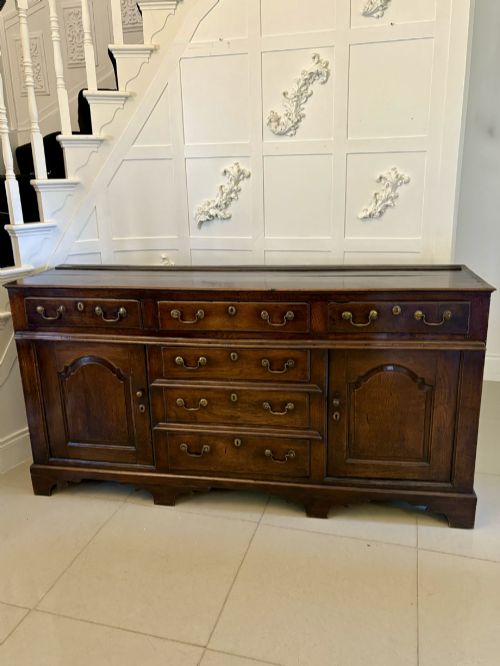
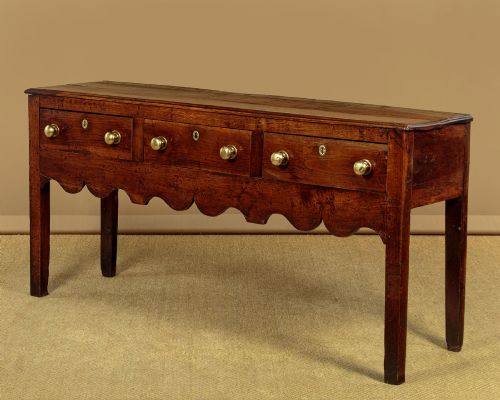
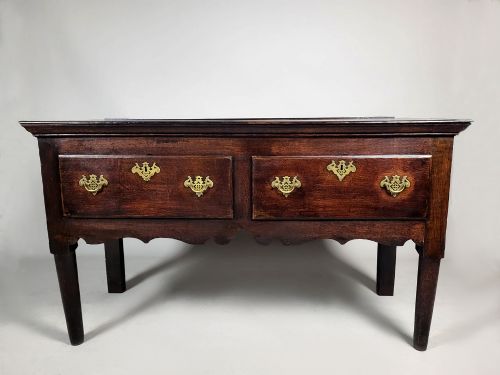
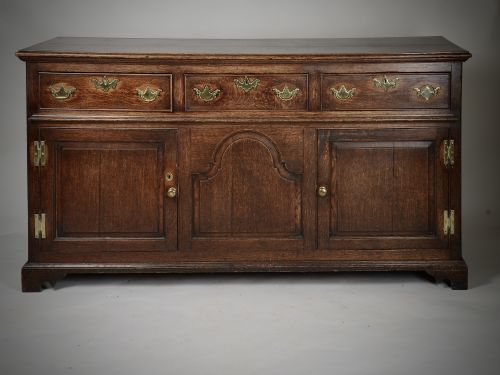
Antique Welsh Base
An antique welsh base grounds a room with regional craftsmanship, offering sturdy storage built from honest timber.
Antique Welsh Base
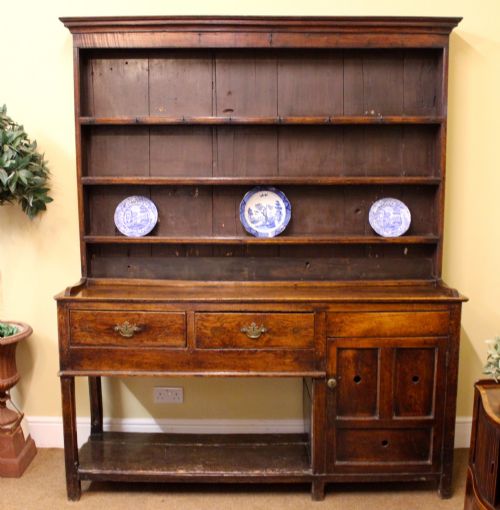
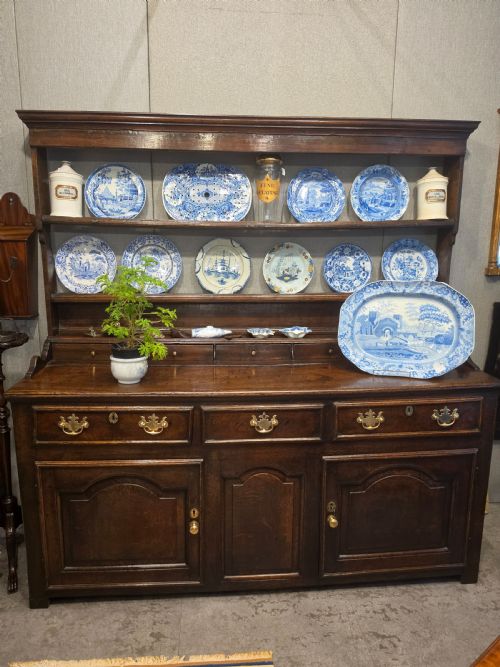
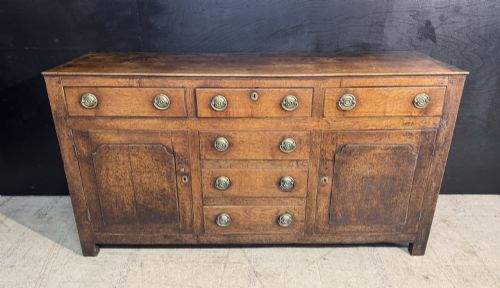
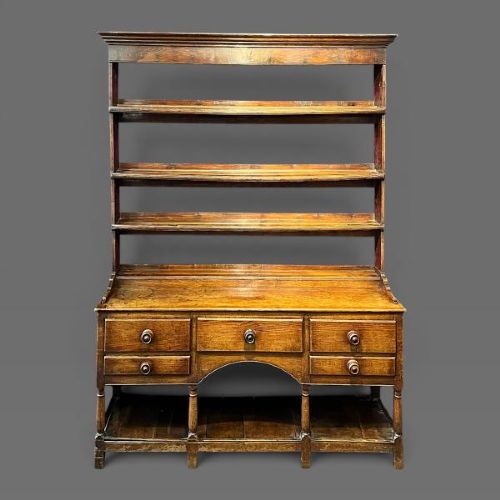
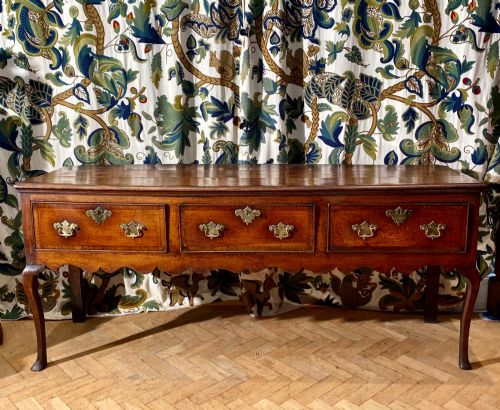
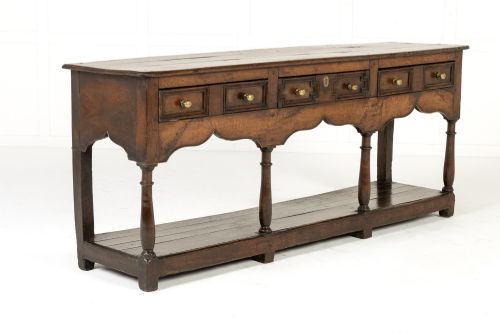
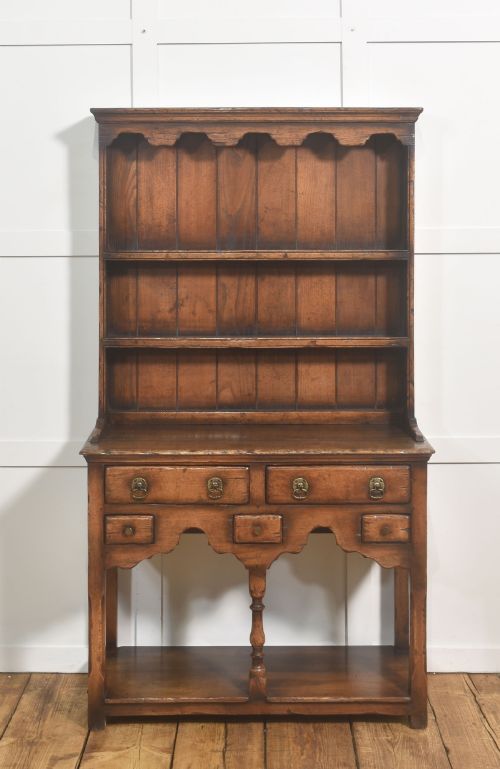
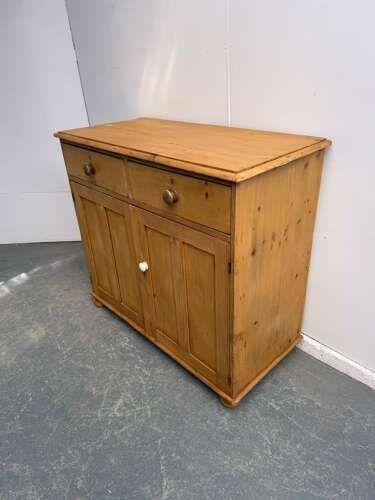
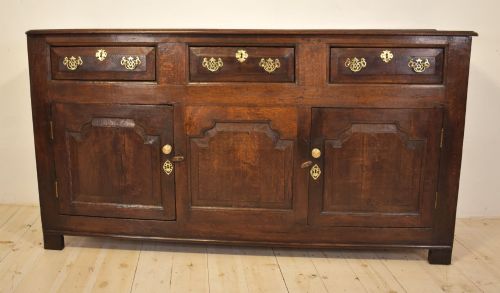
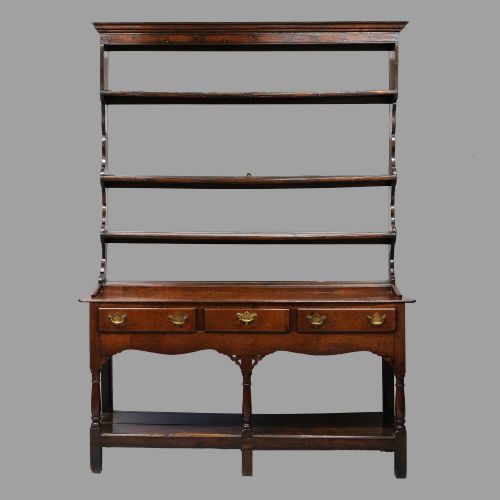
An antique welsh base is a substantial utilitarian cabinet designed for provincial kitchens and dining spaces, typically featuring a row of drawers above cupboards or an open potboard. These pieces originate predominantly from the eighteenth and nineteenth centuries, spanning Georgian and Victorian periods.
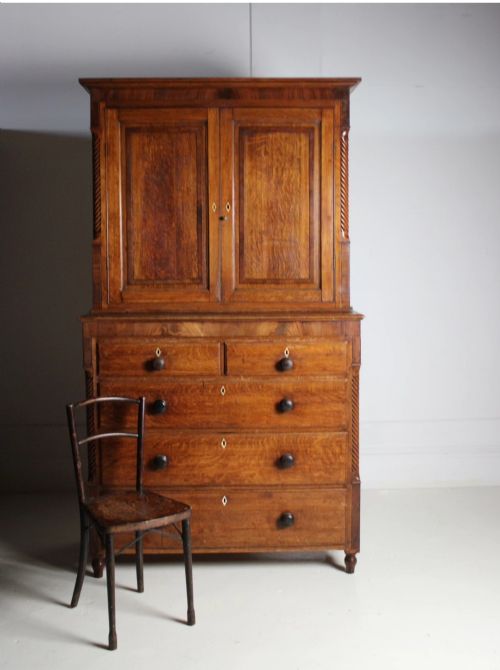
The version most commonly met on this page is an oak dresser base originating from Welsh or English country workshops. They range from compact country pieces to larger multi-drawer formats intended for domestic service.
How they were made
Cabinet makers built these pieces using solid oak, pine, and elm, often securing the framework with traditional pegged joints. Surfaces were frequently left untreated, waxed, or finished with early paint schemes.
Hardware such as brass pulls and iron hinges were hand-wrought or cast locally, reflecting the straightforward utilitarian purpose of country furniture.
Antique Welsh Base Retail Price Guide 2026
Typical asking prices for welsh base among the pieces listed under this phrase on Sellingantiques today, from the lower quarter to the upper quarter. They describe what is for sale here now, not the wider market.
What varies in quality
The distinction lies in the integrity of the timber and the honesty of the construction, where boards retain their original thickness and texture without excessive modern intervention. Regional quirks in drawer configuration and foot style also separate standard workshop output from finer country house commissions.
Proportion and surface patina dictate the visual weight of the piece, with untouched waxed finishes offering greater character than heavily restored examples.
The Antique Welsh Base Glossary
- Potboard
- An open lower shelf beneath a dresser base traditionally used for storing pots and pans. This lower tier distinguishes open potboard dressers from enclosed cabinet bases.
- Tridarn
- A traditional Welsh three-tiered piece of vernacular furniture combining cupboards and display sections. These monumental items represent the height of regional Welsh cabinet making.
- Vernacular furniture
- Domestic pieces made by local craftsmen using regional materials rather than following metropolitan academic styles. This tradition defines the honest construction of country dressers.
- Gaudy Welsh
- A type of colourful pottery produced in the nineteenth century featuring vibrant hand-painted patterns like the pagoda design. These ceramic wares frequently accompany discussions of Welsh vernacular interiors.
Antique Welsh Base: Frequently Asked Questions
What is a welsh base?
A welsh base is the lower section of a traditional dresser, featuring drawers and cupboards or an open shelf without the upper plate rack.
These heavy pieces provided essential workspace and storage in rural kitchens.
How do I date an oak base?
Dating relies on construction methods, timber choice, and hardware styles observable across Georgian and Victorian examples.
Hand-cut joints and original brasses help establish the period of manufacture.
Where were these bases made?
They originated in regional workshops across Wales and rural England, utilising locally sourced woods like oak and pine.
Local cabinet makers constructed them to endure daily domestic use.
How should I care for waxed oak?
Maintain the surface with natural beeswax applied sparingly and buffed gently with a soft cloth.
Avoid placing timber furniture near direct heat sources to prevent splitting.