

Antique Weighted Doorstop
These heavy door stops hold domestic spaces open through mass, forged from metal during the Georgian, Regency and Victorian eras.
Antique Weighted Doorstop
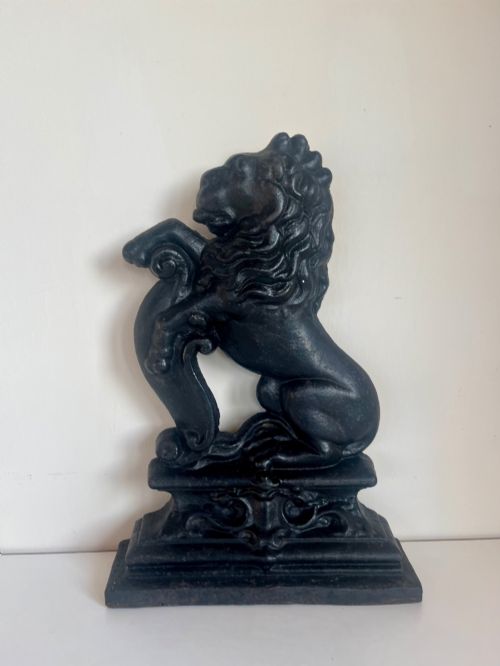
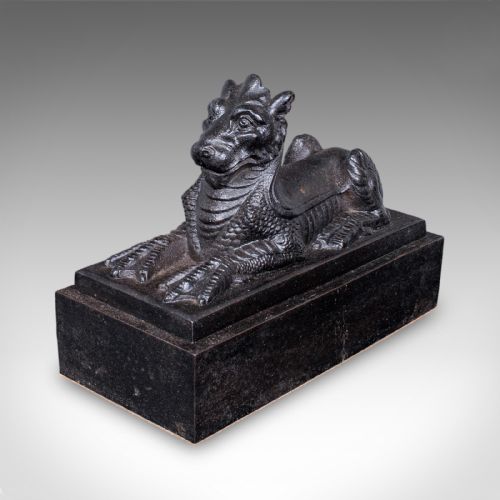
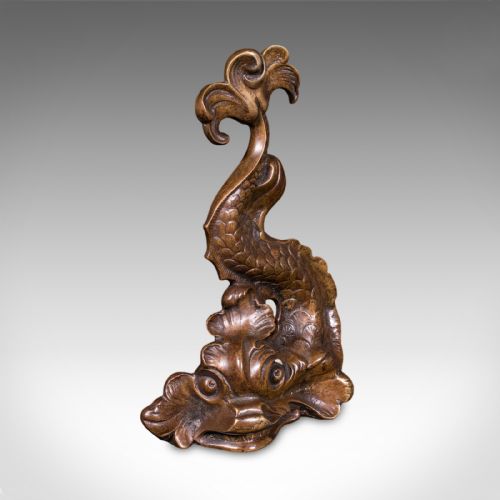
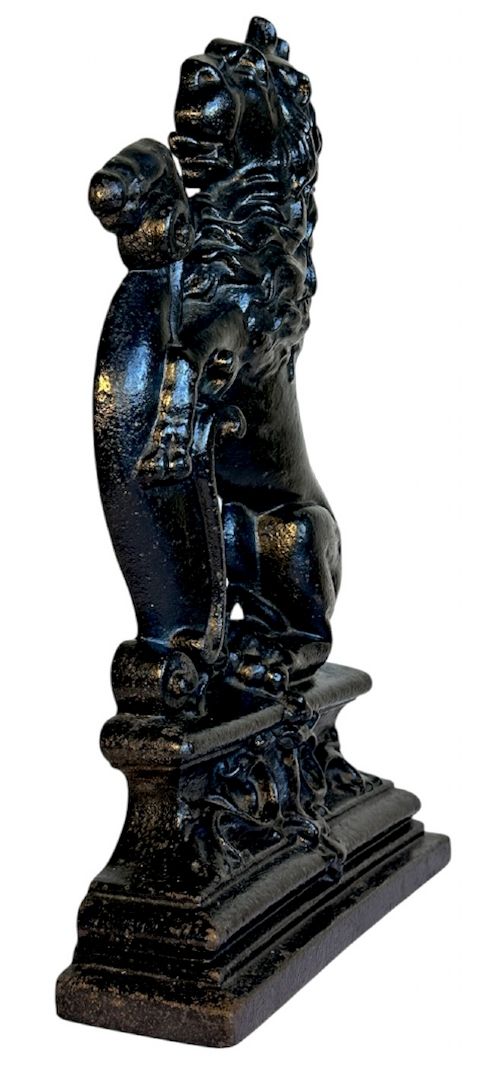
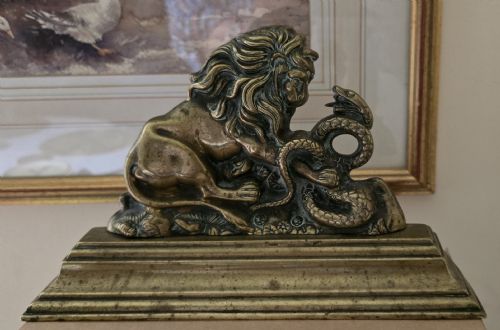
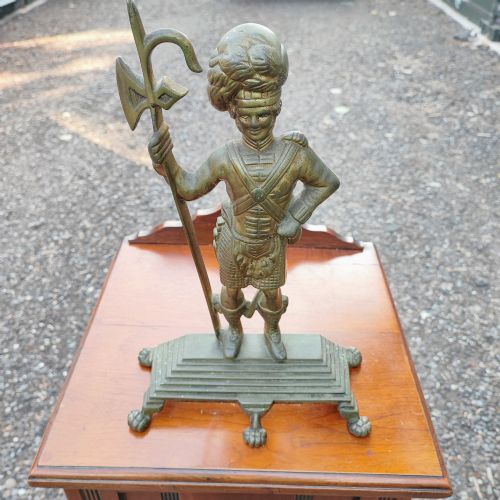
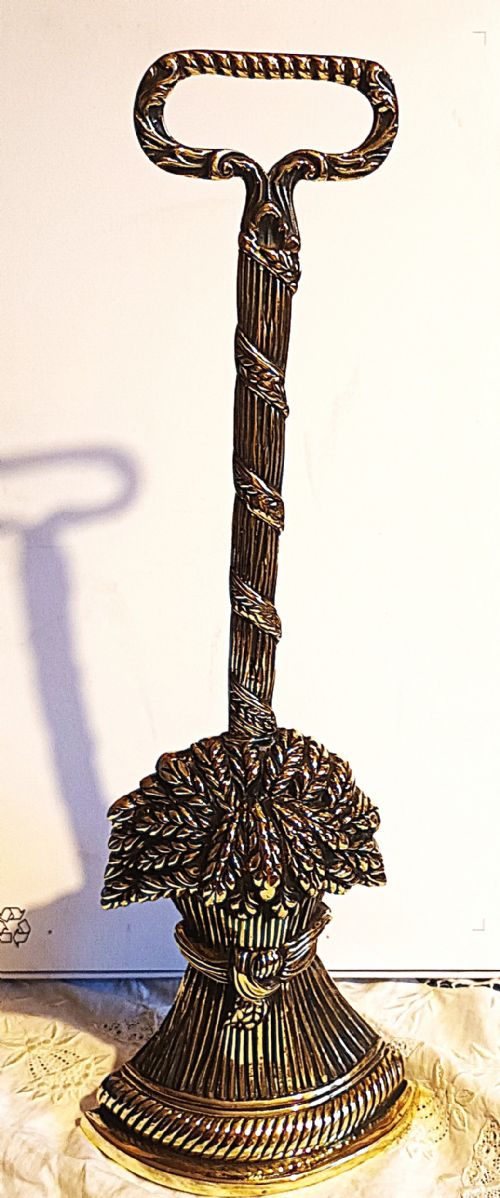
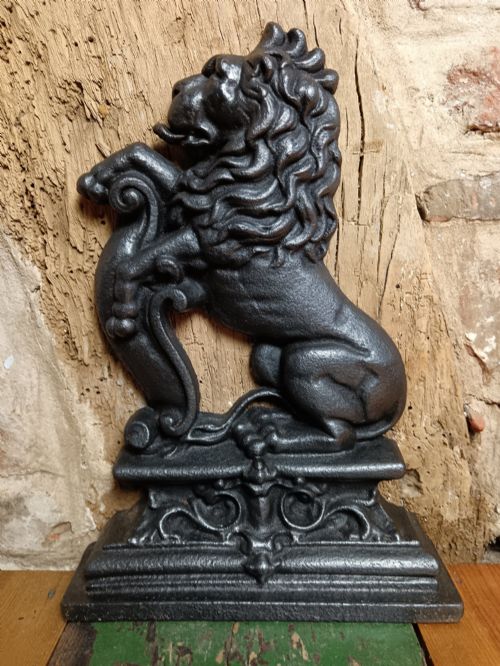
An antique weighted doorstop is a functional heavy object designed to keep heavy interior doors from swinging shut unexpectedly. When searching for this phrase, collectors encounter utilitarian forms shaped into lions, mythical creatures, historical figures, and heraldic motifs.
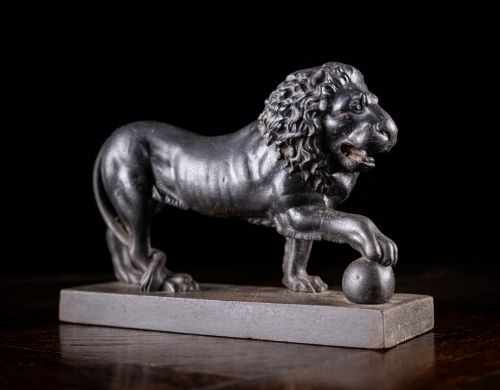
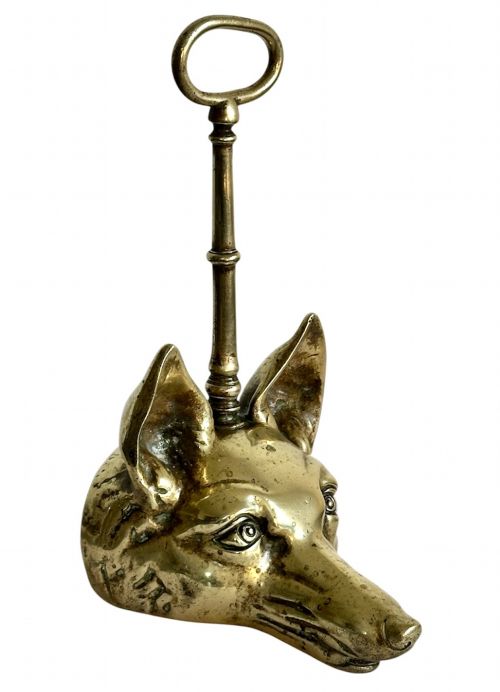
The pieces on this page span several stylistic movements, appearing most frequently in Victorian cast iron and brass alongside Regency and Georgian examples. Subjects range from domestic animals like horses and spaniels to theatrical characters such as Mr Punch and classical figures like the Medici lion.
Originating predominantly from English workshops, these heavy door keepers function equally as decorative sculpture and practical hardware. Their substantial weight relies entirely on solid metal construction rather than internal ballast, grounding them firmly in position.
Materials and casting methods
Foundries utilised cast iron and brass as the primary metals for weight and durability, sometimes applying painted finishes or retaining natural gilt bronze surfaces. Molten metal poured into sand moulds captured fine details in animal fur, facial expressions, and ornate base mouldings.
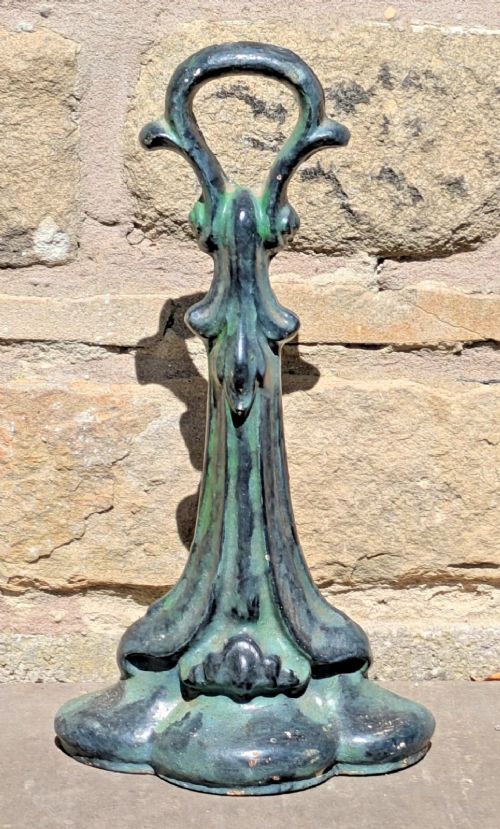
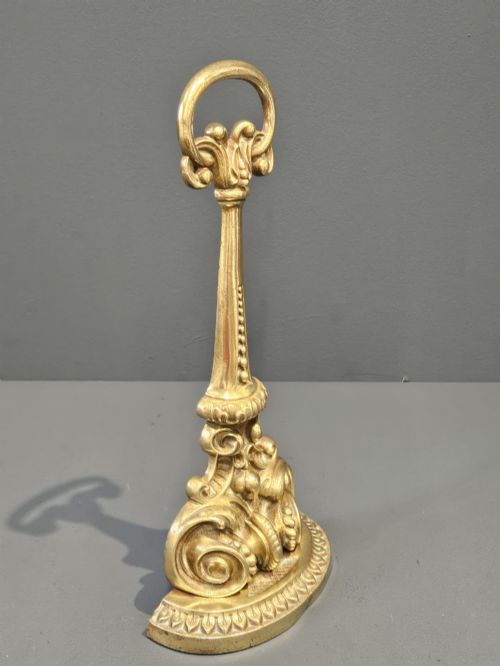
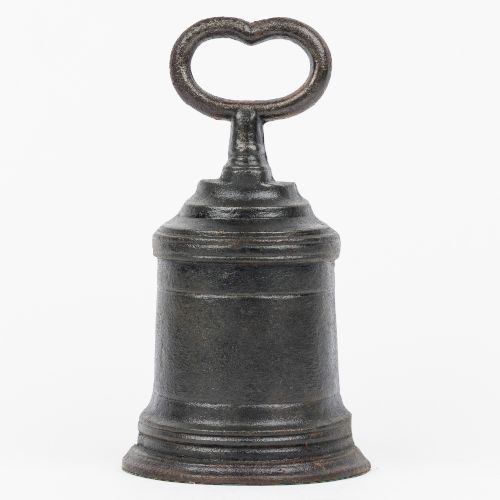
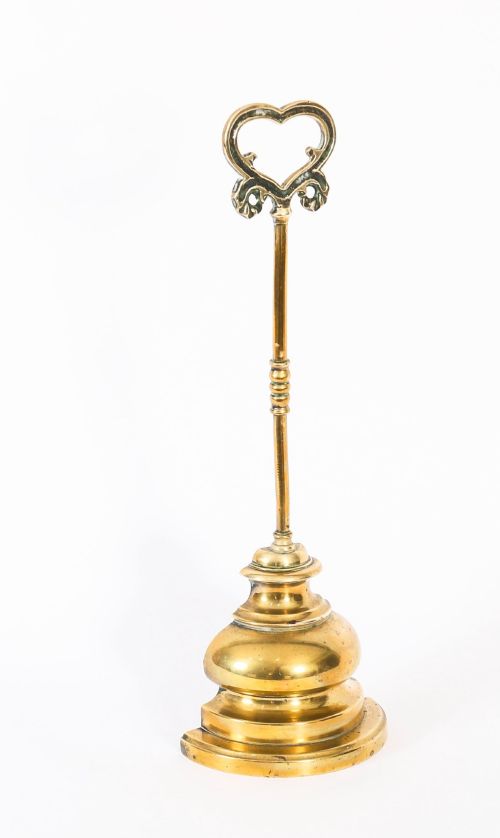
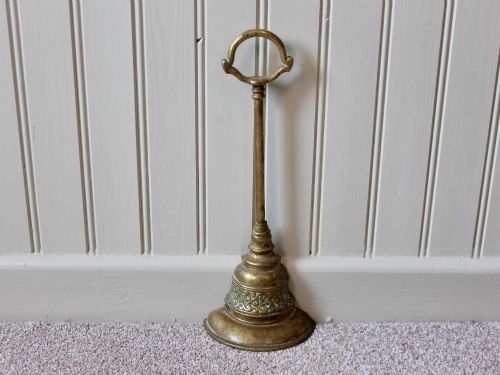
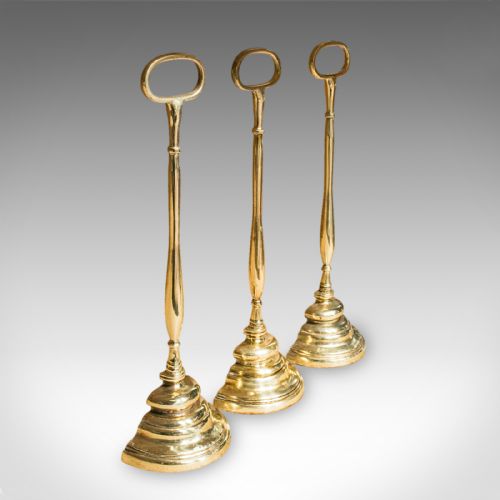
Makers integrated handles or loop grips into the upper silhouettes of taller door porters, allowing users to lift the heavy mass easily. Heavier iron versions often received protective coats of black or polychrome paint to prevent rust and enhance decorative appeal in the hallway.
Antique Weighted Doorstop Retail Price Guide 2026
Typical asking prices for weighted doorstop among the pieces listed under this phrase on Sellingantiques today, from the lower quarter to the upper quarter. They describe what is for sale here now, not the wider market.
Listings feature cast iron and brass predominantly, spanning the Georgian, Regency, and Victorian periods through animal and figural forms.
Differentiating quality across examples
Original surface preservation heavily influences the standing of a piece, particularly where original paint or polished brass patination remains intact. Maker attribution through stamped registry marks or known foundry signatures adds demonstrable weight to the provenance of specific specimens.
Archibald Kenrick & Sons·William Tonks·Tonks
The Antique Weighted Doorstop Glossary
- Door porter
- A tall, weighted vertical door stop fitted with a handle at the top. These pieces allow a person to move the heavy weight without bending down.
- Medici lion
- A classical sculptural representation of a lion guarding a sphere, originating from ancient Roman marble statues in Florence. British foundries frequently reproduced this motif in cast iron.
- Foundry mark
- An impressed or raised stamp on the metal identifying the maker or manufacturing firm. These marks often include registry lozenges dating the exact registration of the design.
- Patina
- The surface sheen and colour developed by metal through age, handling, and oxidation. Unpolished brass acquires a deep golden-brown tone over decades.
Antique Weighted Doorstop: Frequently Asked Questions
How heavy is a typical door stop?
Most pieces weigh several kilograms, utilising solid cast iron or brass to generate the required mass.
This substantial weight ensures the object holds heavy timber doors securely against draughts without sliding.
Where should I place a door porter?
These items sit on the floor immediately adjacent to an interior doorway, positioned to catch the edge of the swinging door.
Tall door porters suit larger reception rooms, while compact cast iron figures work effectively in narrower hallways.
How do I clean brass door stops?
Dust the surface regularly with a dry cloth to prevent grime accumulation in the recessed details of the casting.
Avoid abrasive metal cleaners that strip away the historical patina built up over generations of use.
How can I date an iron door stop?
Examine the texture of the metal surface and the crispness of the casting seams for clues regarding the period of manufacture.
Victorian and Regency examples often exhibit distinct foundry tooling marks and specific stylistic motifs associated with the nineteenth century.