


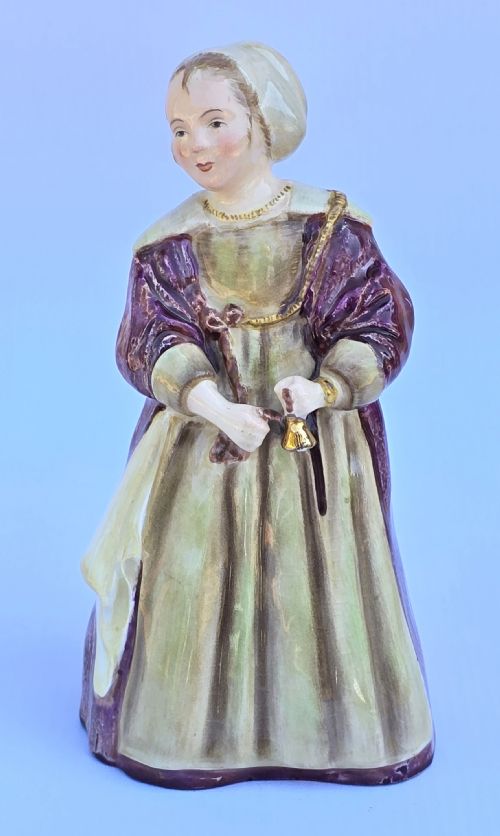


Antique Wedgwood Earthenware
Antique wedgwood earthenware pieces are durable table ceramics and decorative objects offering practical utility alongside centuries of refined English pottery design.
Antique Wedgwood Earthenware
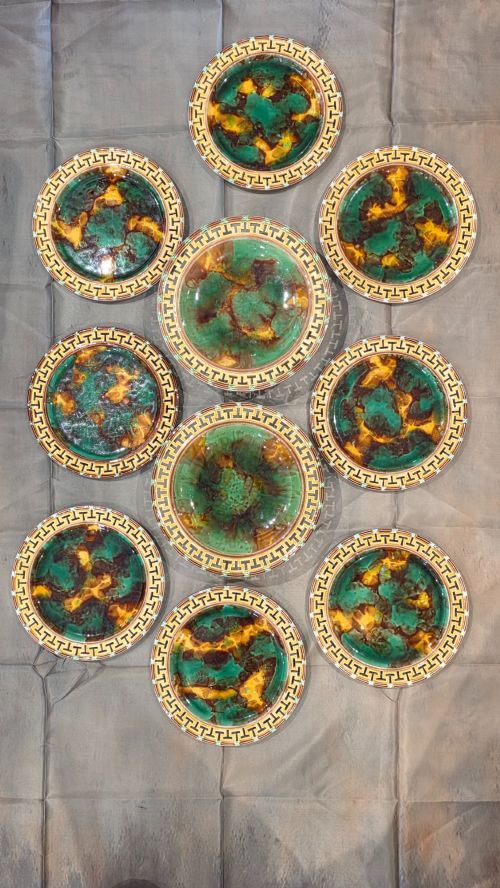
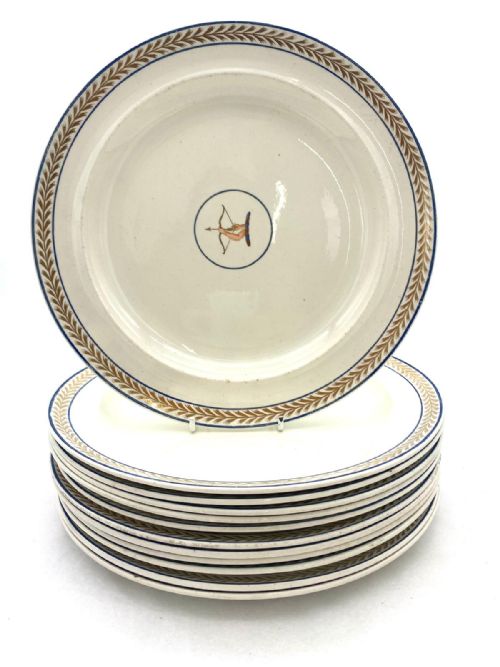
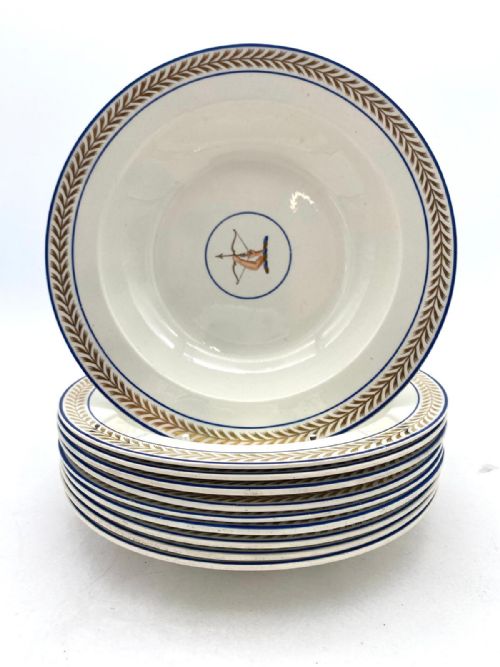
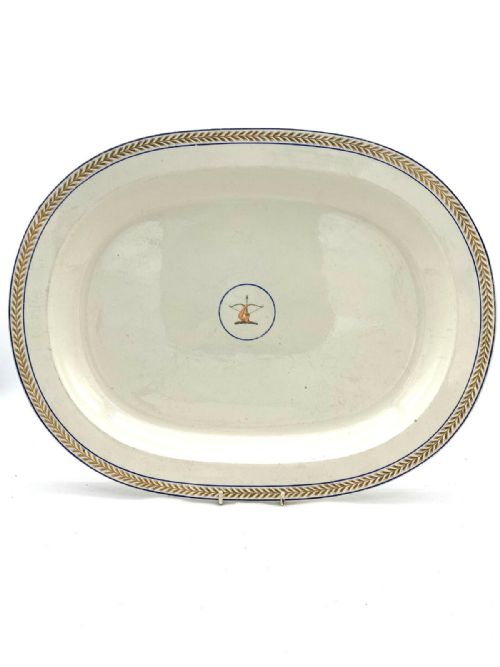
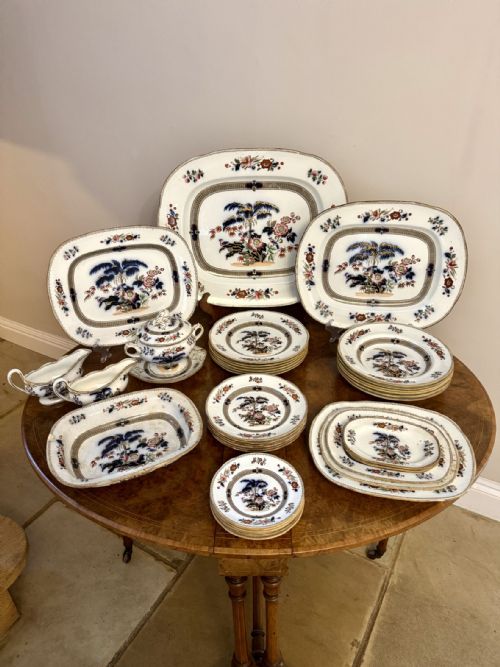
When you search for antique wedgwood earthenware, you find functional domestic vessels and service items spanning from the late eighteenth century into the Edwardian period. The selection includes dining wares like armorial creamware dinner plates, dessert services, and serving platters.
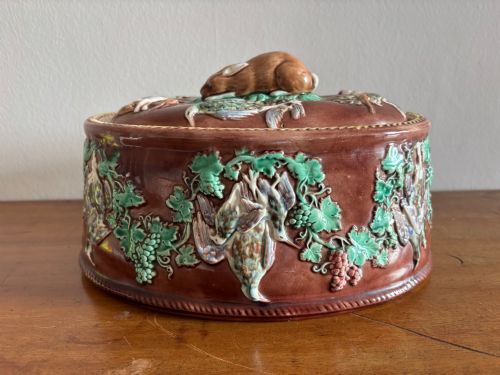
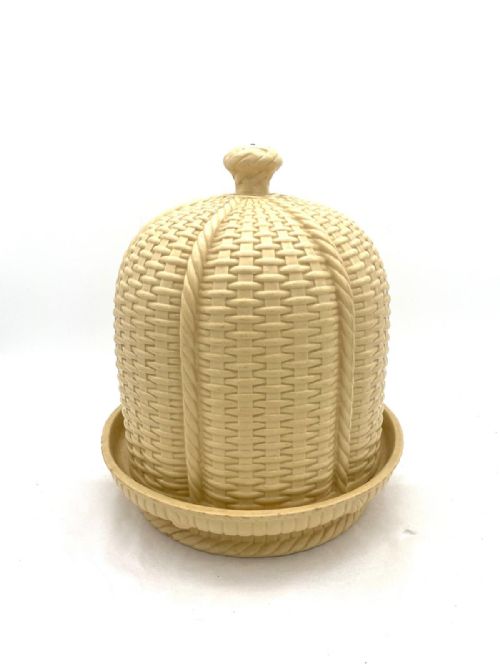
You are most likely to meet nineteenth-century examples, ranging from early creamware and caneware items to Victorian majolica game pie dishes and drabware cheese domes. Utility forms such as jelly moulds and pudding bowls appear alongside decorative baskets and vases.
The objects originate from English production spanning Georgian neoclassicism, Regency, Victorian, and Arts and Crafts styles. Each piece demonstrates the factory's versatility in handling diverse earthenware bodies for both table service and display.
How they were made
Potters shaped these objects using refined earthenware bodies such as creamware, caneware, and drabware, sometimes applying a coloured glaze or enamel finish. The application of botanical paintings or armorial crests required skilled hand-painting over the fired ceramic body.
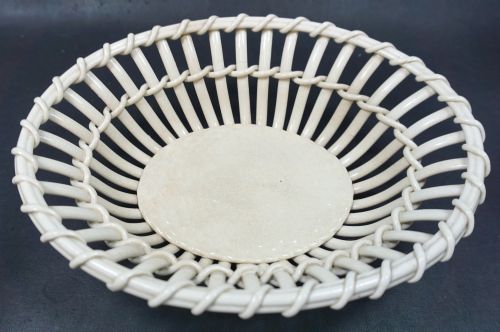
Moulding techniques created textured surfaces, visible in the basket weave patterns of creamware baskets and the relief decoration on game pie dishes and jelly moulds. Firing processes fixed the various glazes and lustres, including variegated lustre on jugs and majolica lead glazes on serving pieces.
Nineteenth-century kitchen shelves once relied on earthenware jelly moulds shaped specifically as wild boars and grapevines to liven up jellied desserts.
What varies in quality
The distinction between standard utility items and finer pieces rests on the crispness of moulded relief work and the execution of hand-painted details. Armorial crests and botanical illustrations executed with precision separate ordinary tableware from exceptional service pieces.
The complexity of the form and the preservation of the original glaze or enamel also define the grade of the piece. Intricate items like majolica game tureens and botanically decorated dinner services display the higher tier of workshop output.
Wedgwood·Wedgwood and Co Ltd
The Antique Wedgwood Earthenware Glossary
- Creamware
- A fine, pale yellow-cream earthenware developed in England during the eighteenth century. It revolutionised dining tables with its light weight and durable lead glaze.
- Caneware
- A buff-coloured unglazed or lightly glazed earthenware resembling the colour of bamboo or cane. It gained popularity during the late eighteenth and nineteenth centuries for utilitarian kitchen and table wares.
- Drabware
- A heavy earthenware body possessing a dull, brownish-grey or olive hue. It was frequently utilised for nineteenth-century pantry and dining vessels such as cheese domes.
- Majolica
- A pottery type featuring colourful lead glazes applied over an opaque white tin-glaze or directly onto the earthenware body. It produced vibrant, glossy surfaces suited to nineteenth-century decorative services.
- Armorial
- A ceramic design painted or transferred with a family coat of arms. Such custom services were commissioned by prominent households for formal dining.
Antique Wedgwood Earthenware: Frequently Asked Questions
What is creamware?
Creamware is a refined light-coloured earthenware developed in the eighteenth century that became a staple of English dining tables. Its smooth pale body provided an ideal surface for armorial painting and botanical illustrations.
Potters valued the material for its durability and lighter weight compared to earlier heavier ceramics. It allowed households to serve food on elegant, uniform tableware.
How were game pie dishes used?
Game pie dishes served savoury pies and terrines directly at the dining table during the nineteenth century. Their thick earthenware walls helped retain heat and moisture for baked meats.
Many featured fitted lids and decorative relief motifs like foliage or animals to match their culinary contents. They functioned as both kitchen vessels and decorative table service items.
How do I care for antique earthenware?
Antique earthenware requires gentle hand washing in warm water with mild soap to protect the historic glaze and painted surfaces. Harsh detergents and modern dishwashers can damage the ceramic body and fade enamel decorations.
Sudden temperature changes should be avoided to prevent thermal shock and crazing of the glaze. Careful handling preserves the structural integrity of these utilitarian objects.
What is caneware?
Caneware is a pale yellowish-buff earthenware produced primarily during the late eighteenth and nineteenth centuries. The material gets its name from its visual similarity in colour to woven cane.
It was frequently used for utilitarian kitchenwares and baking dishes due to its robust nature. The unglazed or lightly glazed surface often incorporated moulded textures.