
Antique Watercolour in Frame
An antique watercolour in frame brings delicate brushwork, period intimacy and historical paper directly onto the wall.
Antique Watercolour in Frame
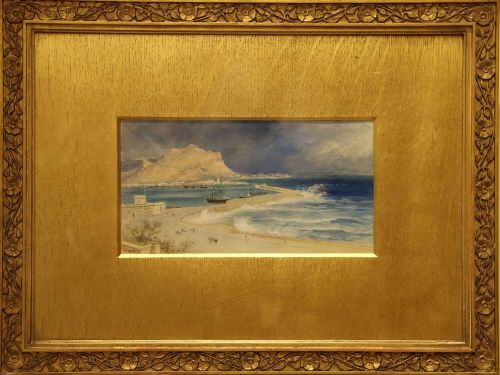
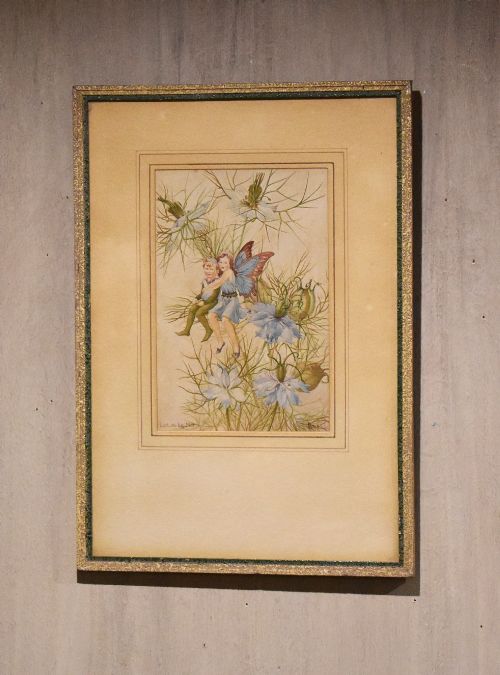
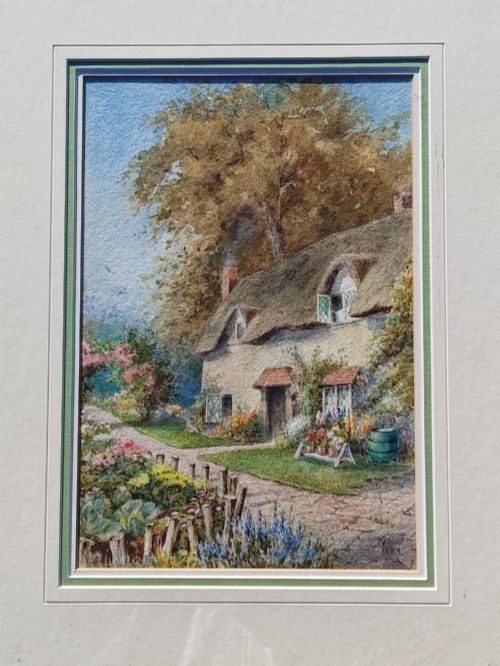
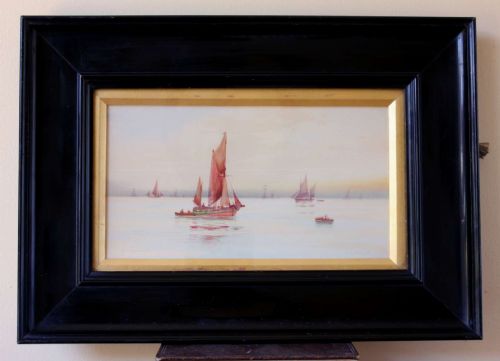
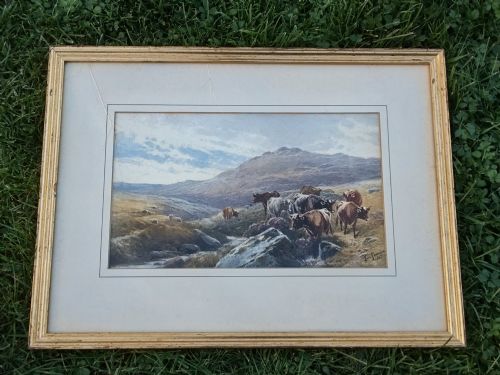
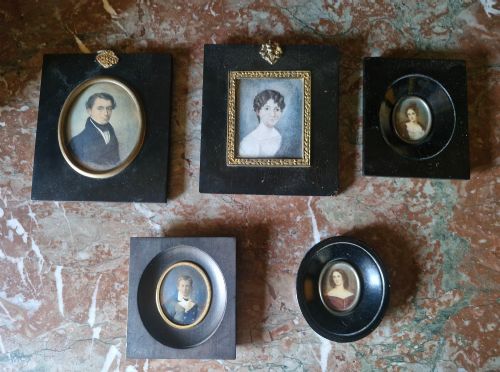
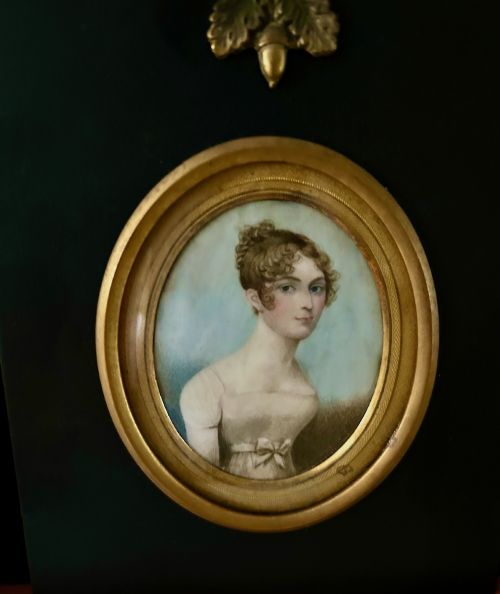
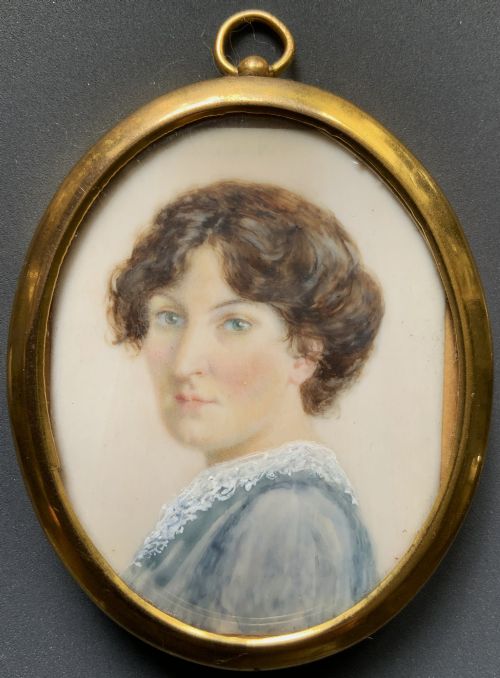
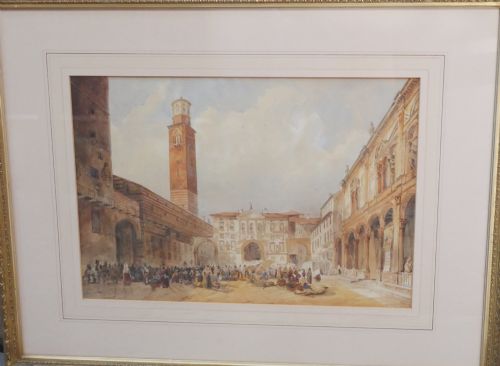
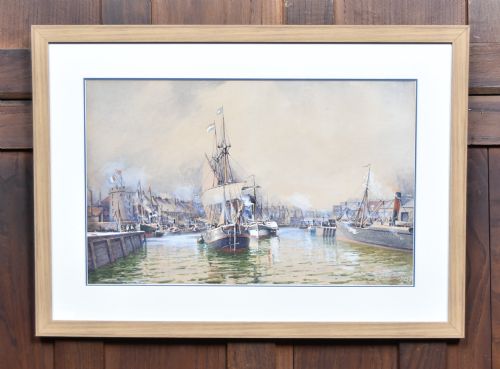
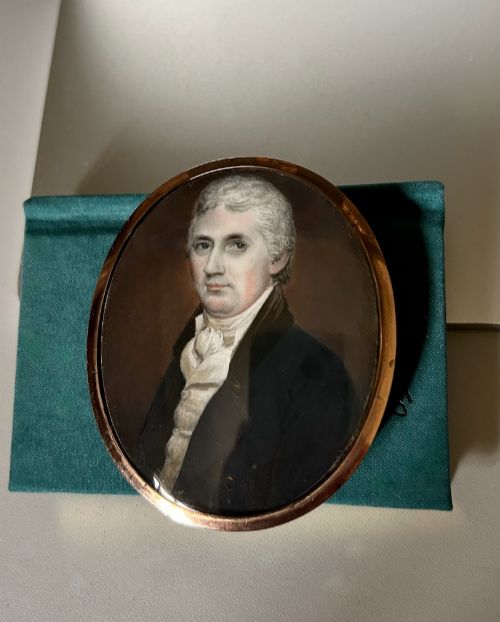
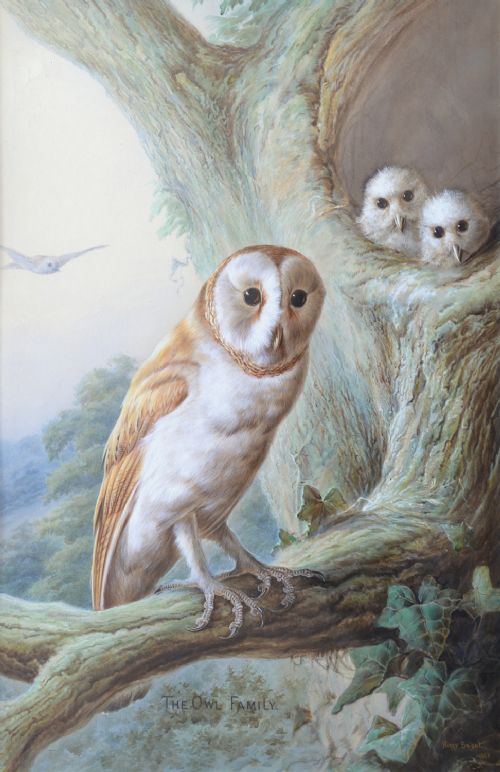
When searching for an antique watercolour in frame, collectors encounter works spanning the eighteenth, nineteenth and early twentieth centuries, presented in period enclosures. These pieces range from detailed botanical studies and topographical landscapes to portrait miniatures and maritime scenes.
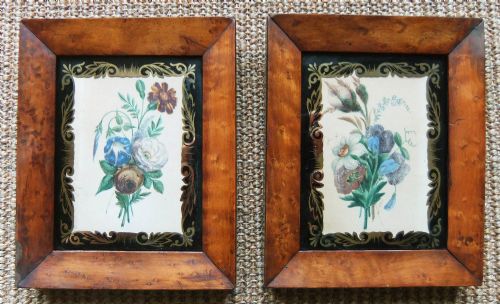
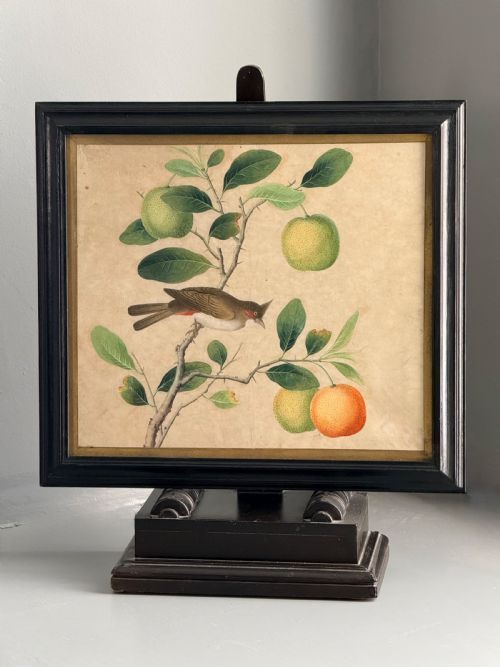
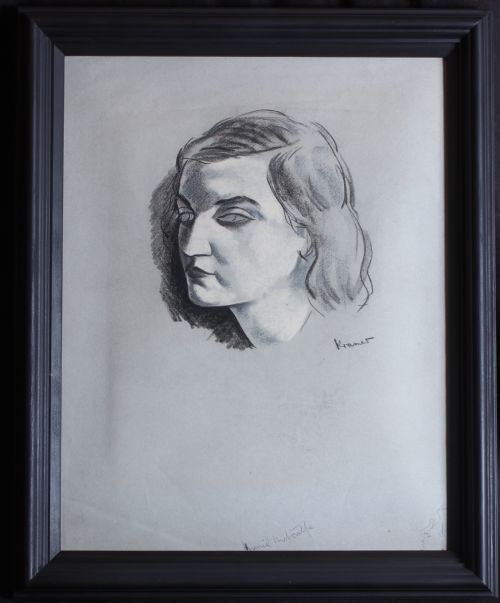
Framing varies significantly, encompassing maple, rosewood, birdseye maple, ebonised wood, papier-mâché and ornate giltwood moulds. These enclosures safeguard fragile media while placing the artwork within its original domestic context.
Materials and construction
Artists applied water-soluble pigments, gum arabic and occasional bodycolour or gouache onto handmade rag paper, card or prepared pith. These pigments react to light and moisture, relying on the white of the underlying paper to provide luminosity and tone.
Protecting these delicate surfaces required secure glazing and housing, leading to the use of heavy wooden or moulded frames secured with backing boards. Glazed protection kept dust and atmospheric pollutants away from vulnerable paper surfaces over centuries of display.
A racing pigeon winning the King George V Silver Jubilee prize immortalised in watercolour.
Distinctions in craftsmanship and survival
Quality rests upon the confidence of the brushwork, the subtlety of pigment retention and the preservation of the paper support. Master watercolourists controlled dilution and transparency with precision, avoiding overworked areas or muddy tones.
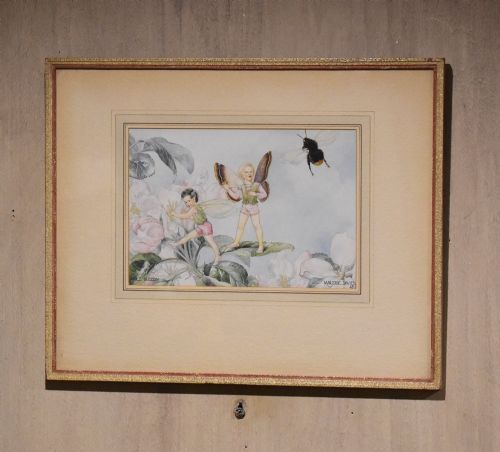
The integrity of the accompanying frame influences overall merit, with matching period surrounds - such as maple, burr walnut or original giltwood - adding historical completeness. Works that retain their original backing boards and undisturbed mounting demonstrate superior survival.
William James Hubard·George Fotherly Hargitt·Thomas Miles Richardson Jnr·James Orrock·Henri Fradelle·William Henry Earp·Sir James Dromgole Linton·Thomas Ellison·Percy Lancaster·Henry Stacy Marks·James Smetham·John Hassall·Edward Bradford·A. Mitchell·A. Marie Parsons·John McDougal·Thomas John Horsley·EJ Letheren·Charles Shirreff·Charles Edward Dixon·John E. Aitken·William Banks Fortescue·Robert A. Nottingham·William Joseph Boyes·Richard Cosway
The Antique Watercolour in Frame Glossary
- Gouache
- An opaque watercolour medium containing white pigment added to watercolours to create heavier, solid areas of colour. It offers greater opacity than standard transparent washes.
- Pith paper
- A delicate material cut from the pith of the Tetrapanax papyrifer plant, commonly used in nineteenth-century Chinese export paintings. It possesses a velvety texture that accepts vibrant pigments.
- Grisaille
- A painting executed entirely in shades of grey, monochrome or neutral grey-brown, often designed to mimic relief sculpture. Artists utilised this technique for portrait studies and preparatory works.
- Hogarth frame
- A dark, inverted-profile wooden frame featuring a gilded inner slip, popular during the eighteenth and nineteenth centuries. It provides a distinct linear border for works on paper.
- Birdseye maple
- A decorative timber featuring tiny swirling eyes created by local disruptions in wood grain growth. Cabinet makers selected this veneer for framing nineteenth-century watercolours and miniatures.
Antique Watercolour in Frame: Frequently Asked Questions
How should I hang an antique watercolour safely?
Position the piece away from direct sunlight and damp environments to prevent paper degradation and fading of water-soluble pigments. Stable indoor humidity protects both the historic paper and its wooden frame.
Utilise sturdy picture hooks rated for the weight of the glazed enclosure. Secure the hanging wire or rings firmly to the frame backing to ensure safe wall display.
Are these watercolours original or prints?
Every piece listed is an original hand-painted artwork created directly on paper, card or pith by an artist. Close inspection under magnification reveals individual brushstrokes, pigment pooling and texture in the paint layers.
Original watercolours lack the uniform dot matrix or pixel patterns associated with mechanical reproduction processes. The interaction between pigment and paper fibres confirms unique execution.
How do I identify the age of the frame?
Frame age is determined by construction methods, timber species, corner joints and backing materials. Hand-cut joinery, old glass bubbles and oxidation on the wood indicate early manufacture.
Many pieces retain their original Victorian or Georgian frames, which show appropriate wear and patination consistent with their age. Replacing or altering these original surrounds diminishes historical integrity.