

Antique Watercolour Figure Painting
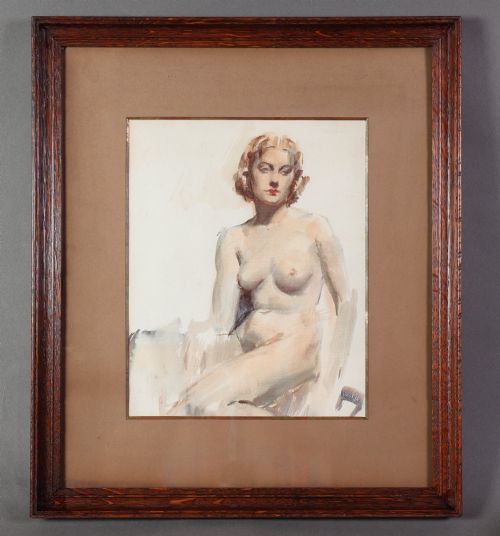
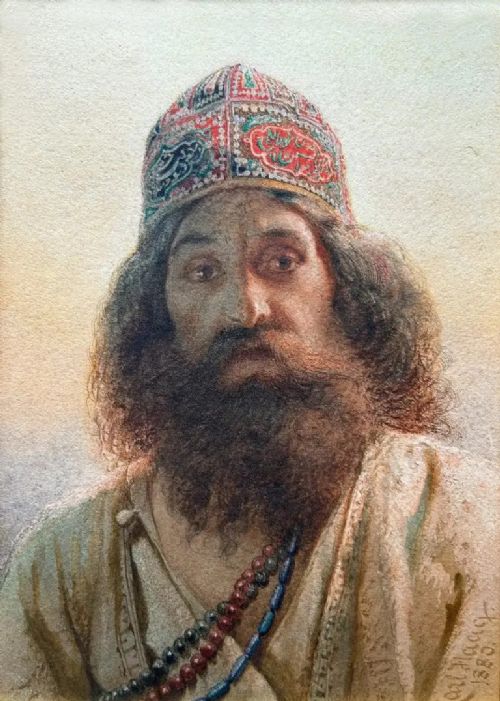
An antique watercolour figure painting captures human presence across the centuries through delicate pigment on paper.
Antique Watercolour Figure Painting
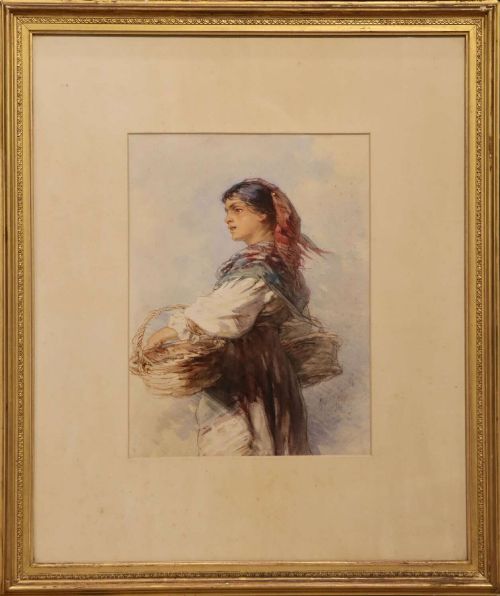
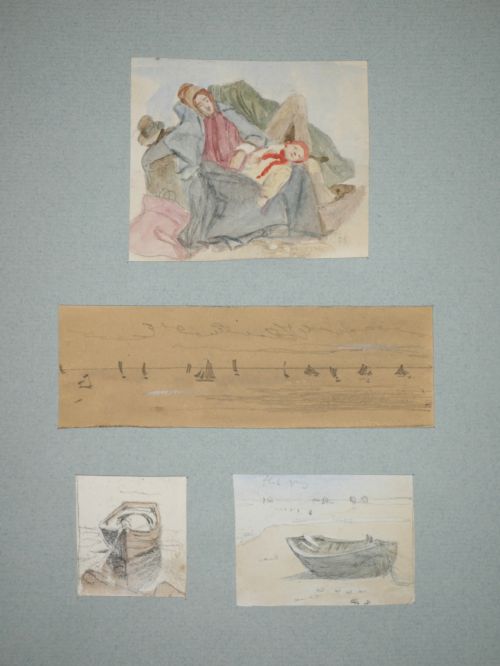
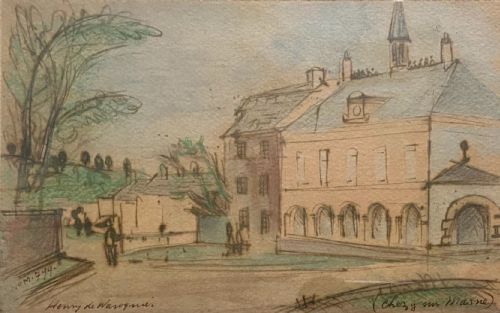
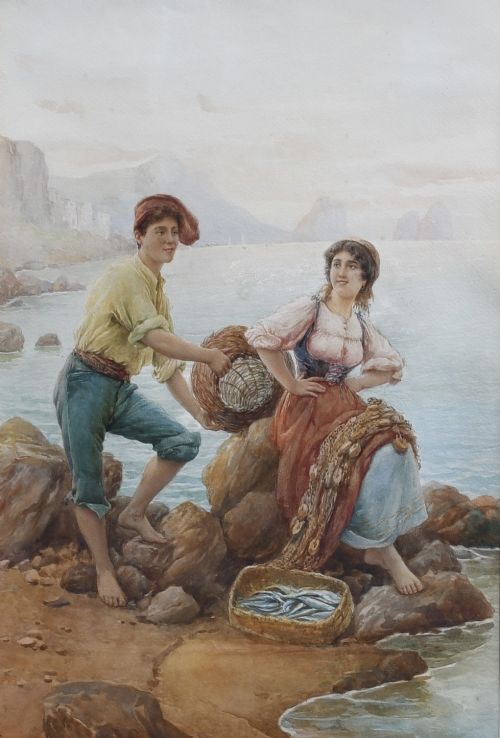
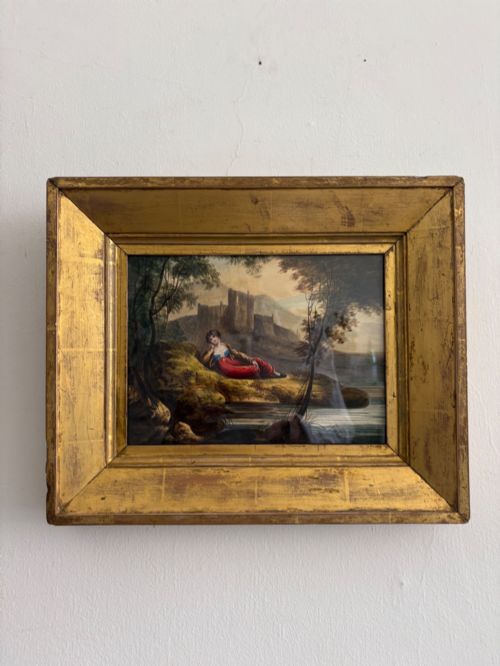
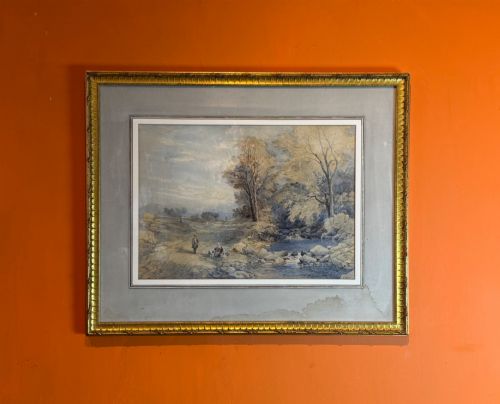
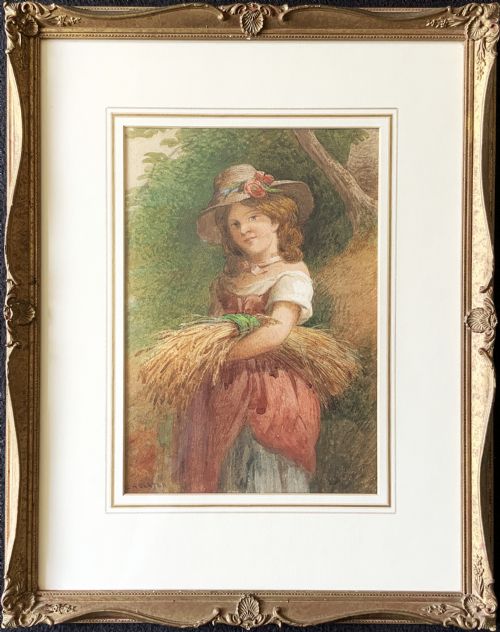
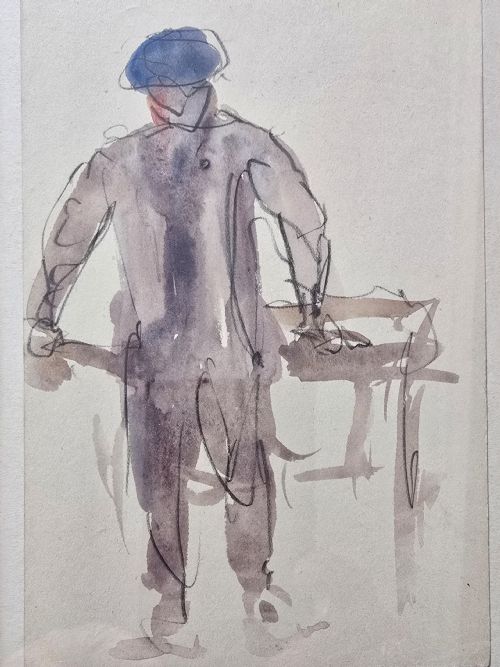
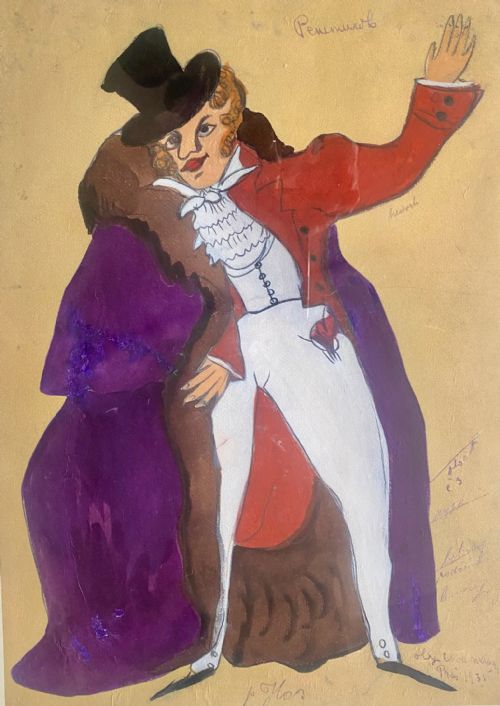
An antique watercolour figure painting presents people within historical, landscape, or interior settings, spanning the eighteenth, nineteenth, and early twentieth centuries. These works range from intimate portrait miniatures and genre scenes of daily life to classical compositions and coastal views featuring local fishermen or travellers.
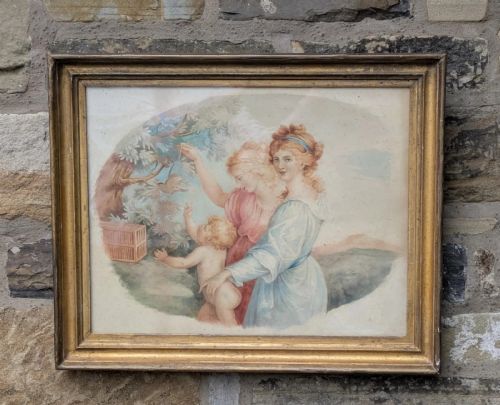
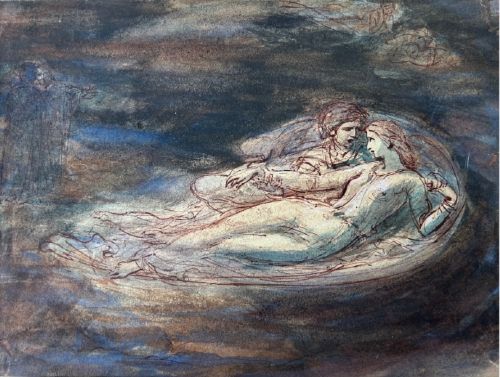
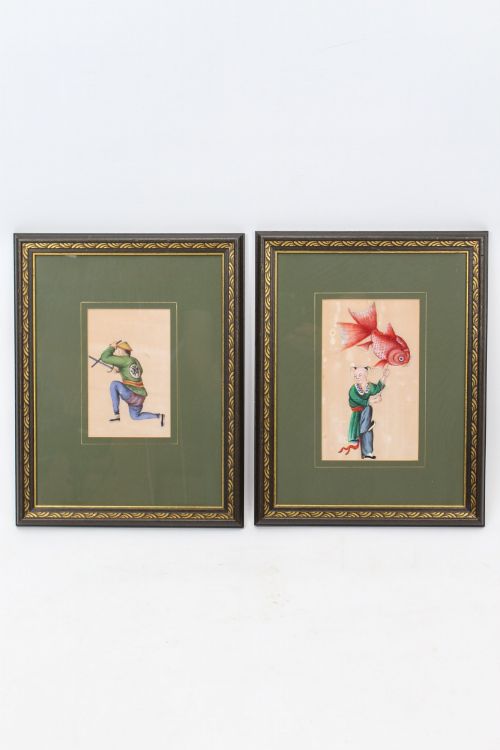
Buyers encounter numerous British examples from the Victorian and Edwardian periods alongside Chinese export paintings on pith paper. The works reflect distinct regional schools and movements, including Pre-Raphaelite details and Neoclassical themes executed by named artists or anonymous hands.
Materials and techniques
Artists applied watercolour pigment, often combined with ink, gouache, and pencil, directly onto paper or prepared pith paper sheets. These water-soluble mediums allowed for swift washes and precise line work, capturing light and shadow with considerable fluidity.
Completed works found protection behind glass within wooden frames, frequently finished in gilt wood to complement the domestic interiors of the Georgian, Regency, and Victorian eras.
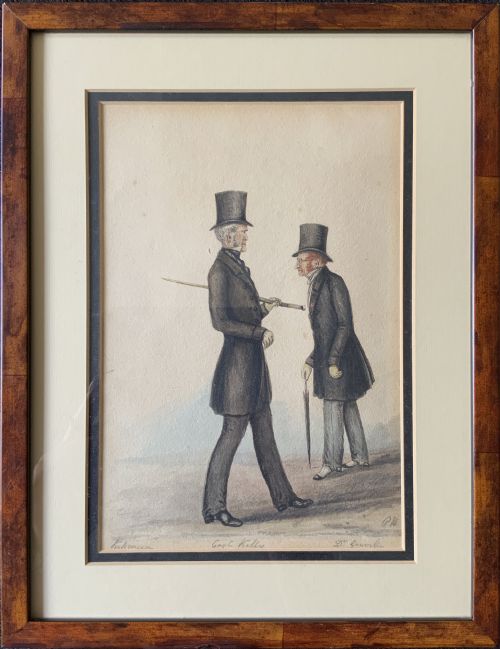
Several Victorian sketches capture gentlemen and ladies standing resolutely in the rain with umbrellas, proving the British weather has inspired art for generations.
Factors of quality
Quality rests in the handling of pigment and the precision of draughtsmanship, where confident brushwork brings vitality to facial expressions and drapery. Superior pieces demonstrate an assured command of composition and atmospheric light rather than mere mechanical replication.
The survival of the sheet itself dictates value, as watercolours remain sensitive to light. Strong, unfaded pigments and clean paper supports elevate a piece above examples suffering from heavy foxing or chemical degradation.
Guido Bach·James Smetham·Carl Haag·Charles Henry Slater·Michael Healy·Albin R Burt·Robert Thorne Waite·J Laporte·Colin H Greenwood·William Edward Frost·Robert Richard Scanlan·Will Anderson·Thomas Lound·Roland Batchelor·Ralph Todd·Harold Swanwick·David Woodlock·William Henry Hunt·Mary Eley·Henry Charles Fox·Ebenezer Wake Cook·Francis William Topham
The Antique Watercolour Figure Painting Glossary
- Pith paper
- A delicate material formed from the pith of the Tetrapanax papyrifer plant, commonly used in nineteenth-century Chinese export painting. It possesses a velvety texture that absorbs watercolour pigment with intense saturation.
- Grisaille
- A painting executed entirely in shades of grey, neutral grey, or monochrome. Artists often utilised this technique for preparatory sketches or to imitate low-relief sculpture.
- Genre scene
- An artwork depicting aspects of everyday life by portraying ordinary people occupied in common activities. These works offer social historians clear views of historical costume and labour.
- Pre-Raphaelite
- A nineteenth-century artistic movement characterised by detailed observation, bright colours, and complex literary or theological subjects. Followers rejected the academic mannerisms of the preceding era.
- Gouache
- An opaque watercolour paint consisting of natural pigment, water, and a binding agent such as gum arabic, often heightened with white. Painters used it to add solid blocks of colour and opaque highlights.
Antique Watercolour Figure Painting: Frequently Asked Questions
How should I frame an antique watercolour?
Protect watercolours from ultraviolet light by using museum-grade conservation glass and acid-free mounting materials. Direct sunlight causes fugitive pigments to fade permanently.
Keep the paper from touching the glass directly by utilising window mats or spacers. Trapped moisture leads to mould growth and paper deterioration.
What is pith paper painting?
Pith paper paintings are fragile nineteenth-century works created by Chinese artisans for Western export markets. The cellular structure of the plant material creates a luminous surface that enhances the applied pigments.
Because the material is exceptionally brittle, these sheets require careful handling and secure framing behind glass. They frequently depict trades, figures, and botanical studies from the Qing Dynasty.
How do I distinguish Victorian watercolours from earlier pieces?
Victorian works often display brighter palettes made possible by nineteenth-century synthetic pigments, alongside a strong narrative focus in genre scenes. Artists of this era embraced naturalism and detailed realism.
Earlier eighteenth-century and Regency examples tend towards muted earth tones, neoclassical subjects, or topographical landscapes with softer washes. Paper watermarks and framing styles also help establish the correct period.
Where were these paintings displayed originally?
Middle-class and aristocratic homes showcased framed watercolours in parlours, drawing rooms, and studies throughout the nineteenth century. They served as refined decorations that demonstrated the owner's cultural taste.
Smaller sketches and miniatures were often kept in portfolios or specially bound albums rather than hung on walls. This practice protected sensitive pigments from prolonged exposure to daylight.