

Antique Water Vessel
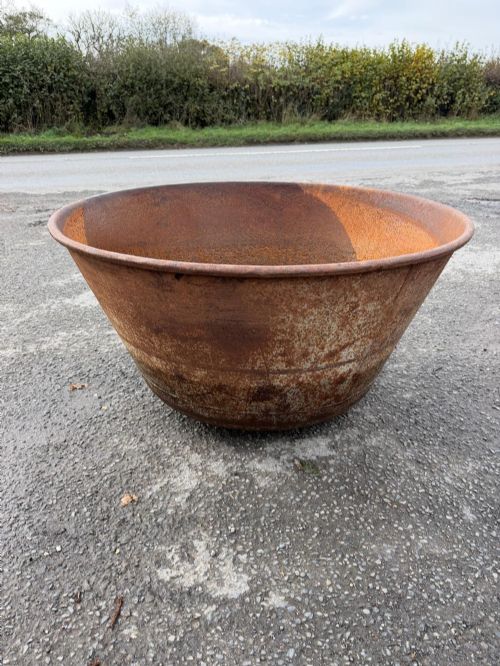
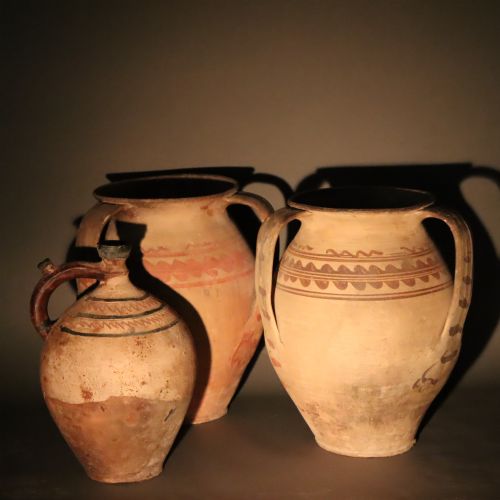
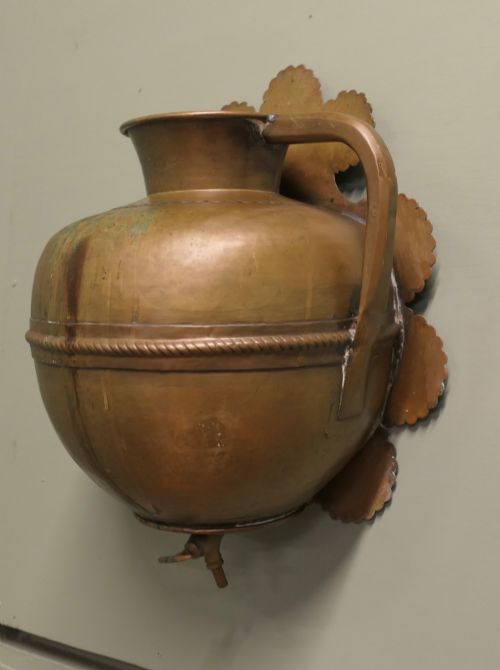
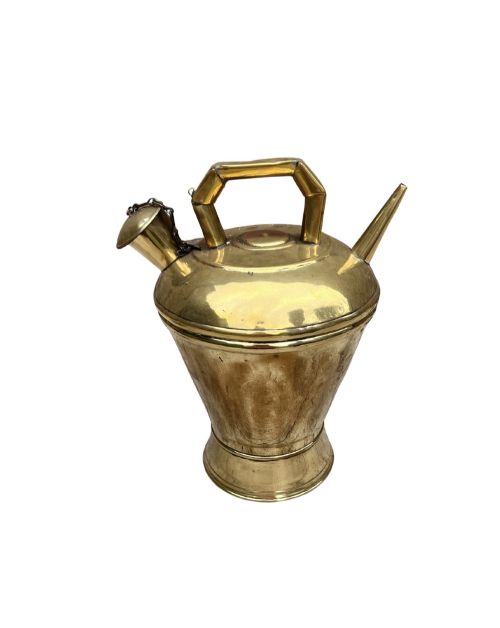
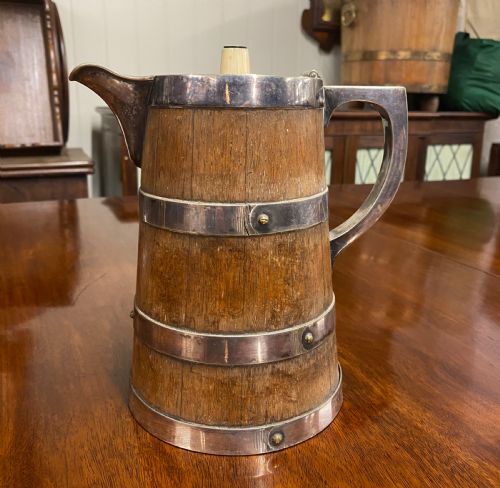
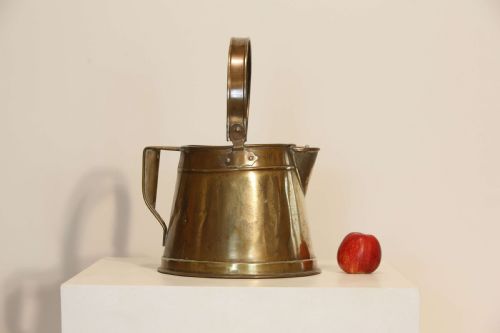
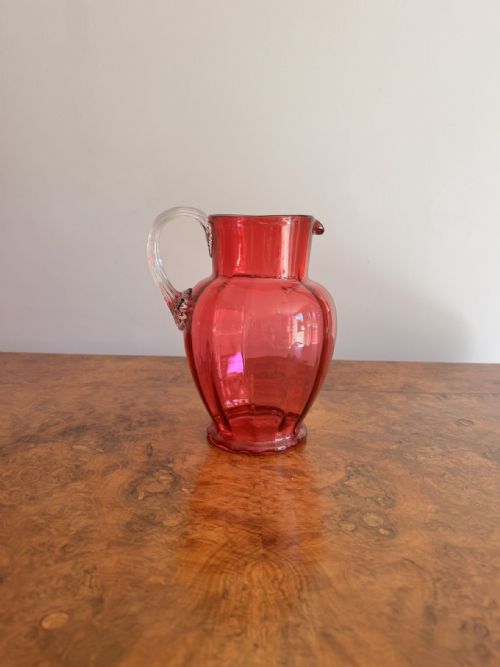
An antique water vessel spans practical copper kitchen jugs, ceremonial ewers, and delicate porcelain brush washers.
Antique Water Vessel
When you search for an antique water vessel, you encounter a diverse group of utilitarian and decorative containers shaped by different cultures and eras.
The selection ranges from sturdy Georgian and Victorian copper jugs and samovars to intricate Asian scholar's objects, including jade and ceramic brush washers.
European metalware sits alongside Japanese porcelain ewers, Tibetan monastic vessels, and Middle Eastern brass pitchers, each designed for holding, pouring, or heating liquid.
How they were made
Metal vessels rely on traditional techniques such as hand-beating sheet copper or brass, casting bronze, and applying silver plating or decorative enamel.
Ceramic and porcelain pieces utilise wheel-throwing or moulding, followed by glazing, hand-painting in blue and white, or applying specialised flambé finishes.
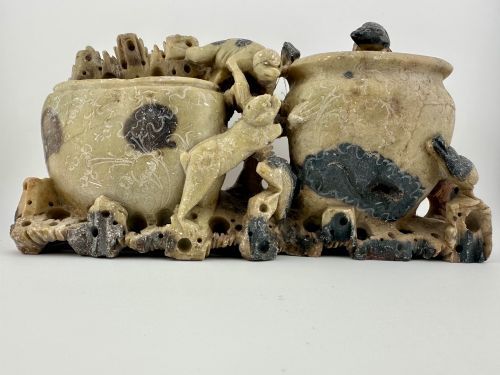
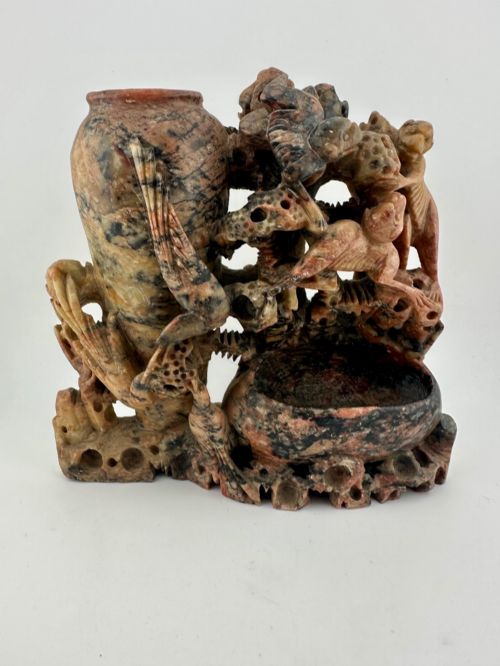
Organic materials like jade, soapstone, and wood involve meticulous carving, grinding, and polishing by skilled craftspeople to shape functional reservoirs and scholar's tools.
Antique Water Vessel Retail Price Guide 2026
Typical asking prices for water vessel among the pieces listed under this phrase on Sellingantiques today, from the lower quarter to the upper quarter. They describe what is for sale here now, not the wider market.
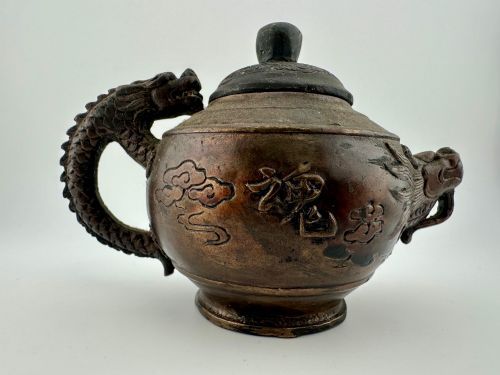
Yak butter tea gets its own ornate metal vessels, proving that historical tea breaks involved serious artistic commitment.
What varies in quality
The quality of an antique water vessel depends heavily on the precision of the metalwork joints, the weight of the material, and the crispness of any cast or chased relief decoration.
In ceramic and porcelain examples, refinement shows in the purity of the body, the control of the glaze, and the delicacy of hand-painted details.
Maker attribution and the integrity of original fittings, such as wooden handles or metal spouts, elevate certain pieces above standard utilitarian items.
Flight Barr and Barr·Doulton Lambeth·William Soutter and Sons·Walker and Hall·Joseph Sankey
The Antique Water Vessel Glossary
- Ewer
- A large jug with a wide spout and handle, traditionally used for pouring water. Ewers often served a decorative or ceremonial function rather than everyday kitchen use.
- Samovar
- A heated metal urn used to boil and heat water for tea. These containers typically feature an internal central tube and a spigot.
- Brush washer
- A small vessel used in East Asian calligraphy and painting to clean brushes. These items are often carved from jade, soapstone, ceramic, or bronze.
- Kamandal
- A traditional water pot of Indian origin, often carried by ascetics or Hindu monks. They are typically spherical in form with a handle and spout.
Antique Water Vessel: Frequently Asked Questions
What distinguishes a tea urn from a jug?
A tea urn or samovar is designed to heat and hold large volumes of water, typically featuring a built-in spigot at the base for dispensing. They are heavier pieces meant to stay stationary on a table or sideboard.
In contrast, jugs and pitchers are lighter vessels intended for carrying and pouring liquids directly from hand, lacking any heating element or tap.
How do I care for antique metal vessels?
Copper, brass, and bronze vessels require gentle handling to preserve their surface and natural patina. Avoid harsh chemical cleaners that strip historical age from the metal.
Dust them regularly with a soft cloth and keep them away from damp environments to prevent active corrosion or pitting on the surface.
Were Asian scholar's water vessels used for drinking?
Scholar's water vessels, such as brush washers and water droppers, were strictly tools for calligraphy and painting. They held small amounts of water used to dilute ink on an inkstone.
Despite being hollow containers, they were not intended for consumption, functioning instead as scholarly desk accessories.
How do I identify the period of a copper jug?
Dating copper metalware involves examining the construction seams, handle attachments, and hammer marks. Earlier 18th-century pieces often display hand-beaten panels and dovetailed or riveted joints.
Later Victorian and Edwardian examples tend to show more uniform machine-rolled sheets and standardised fittings, sometimes accompanied by maker's stamps.