

Antique Watch with Chain
An antique watch with chain combines mechanical timekeeping with metalwork designed to secure the timepiece to a waistcoat or garment.
Antique Watch with Chain
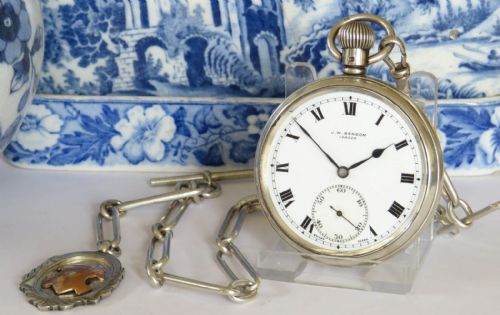
When you search for an antique watch with chain, you encounter a pairing of portable timepieces, such as pocket watches, with lengths of metal links designed for secure attachment. These objects span periods from the Victorian era through the 1930s, encompassing styles like Art Deco and Edwardian.
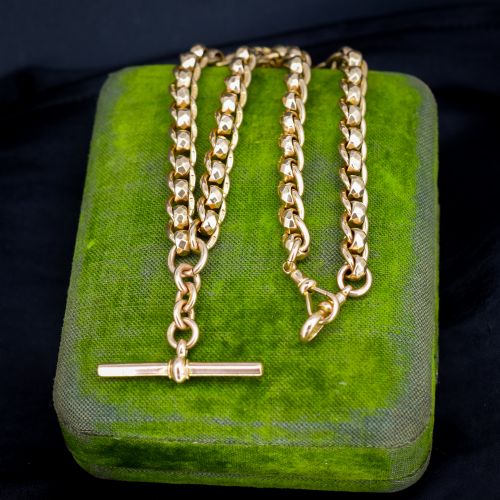
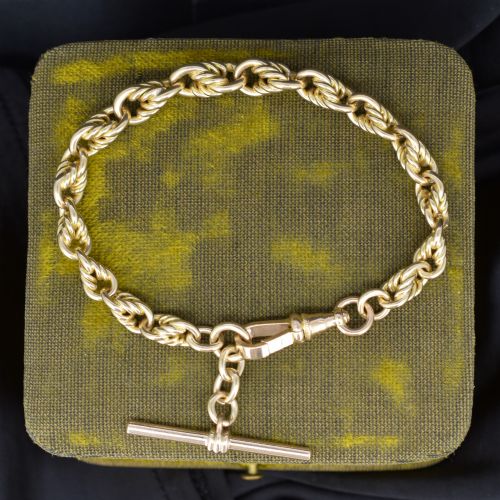
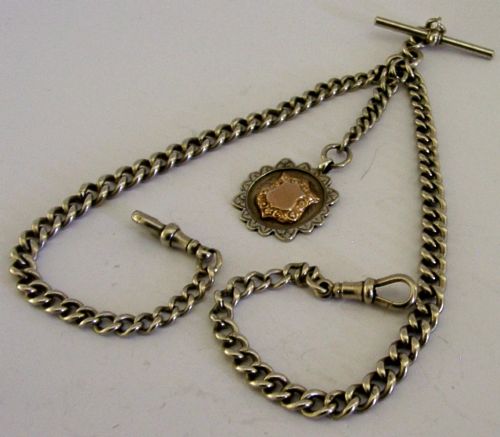
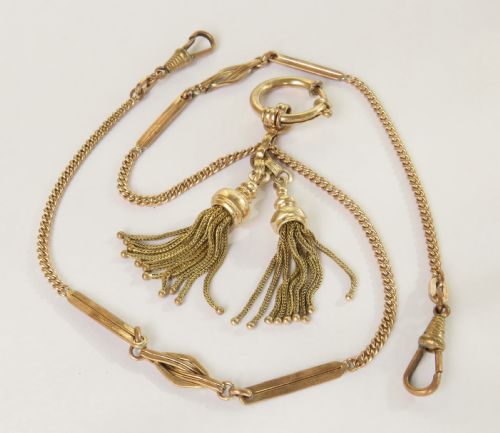
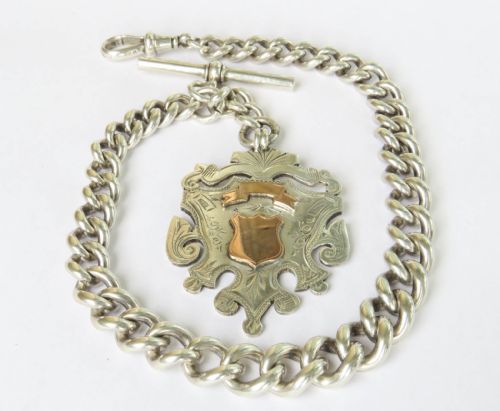
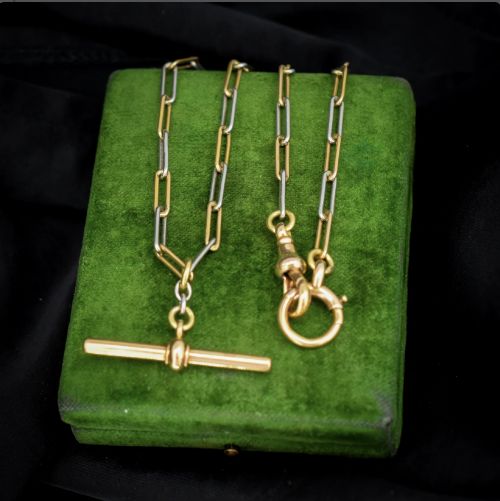
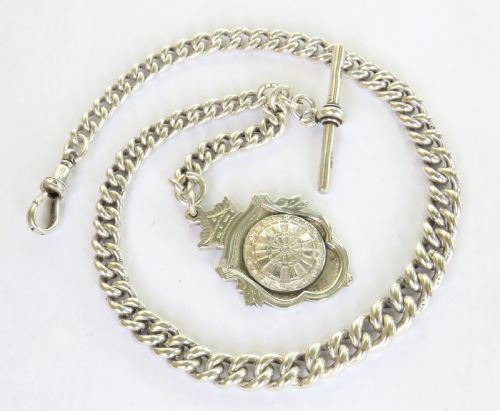
The most common items on this page unite pocket watches with silver or gold chains, often featuring specific fasteners like dog clips and T-bars. These formations reflect the daily practicalities of nineteenth and early twentieth-century dress, where timepieces needed tethering to prevent loss.
How they were made
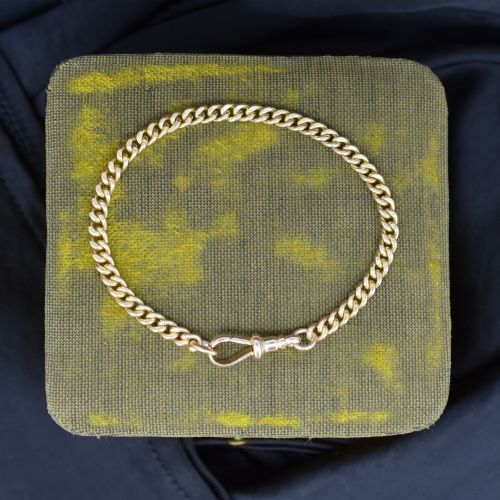
Metals form the structural basis of these items, utilising sterling silver, yellow gold, rose gold, nickel, brass, and rolled gold alongside glass crystals for watch faces and occasional enamel details. Chains are constructed from linked components such as belcher, curb, trombone, and fancy links, often shaped by hand or with early industrial machinery.
Watch mechanisms rely on precision gearing enclosed in metal cases, while the attached chains incorporate functional terminals like swivel clips, screw-locks, and T-bars soldered or joined securely to the main strand.
Antique Watch with Chain Retail Price Guide 2026
Typical asking prices for watch with chain among the pieces listed under this phrase on Sellingantiques today, from the lower quarter to the upper quarter. They describe what is for sale here now, not the wider market.
Several chains secretly double as emergency navigation tools, pairing timekeeping gold with tiny working compasses.
What varies in quality
The distinction between tiers rests upon the choice of material and the complexity of the link construction. Solid precious metals like 9ct, 15ct, or 18ct gold command higher regard than base metals, nickel, or rolled gold alternatives.
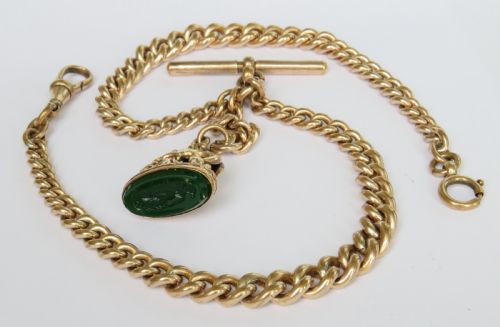
Execution of detail also dictates standing, where hand-finished fancy links, integrated fobs, compasses, or bloodstone swivels demonstrate greater craftsmanship than standard mass-produced curb links.
Omega·Octava·Horos·Doxa·Pioneer
The Antique Watch with Chain Glossary
- Dog clip
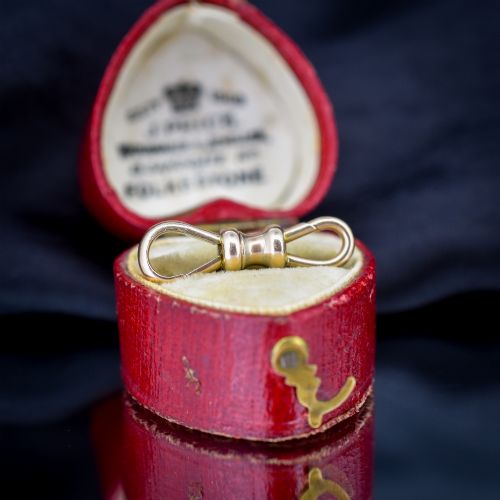
- A spring-loaded snap hook used on watch chains to secure the timepiece or fob. This mechanism allows for quick attachment and detachment from a loop or ring.
- T-bar
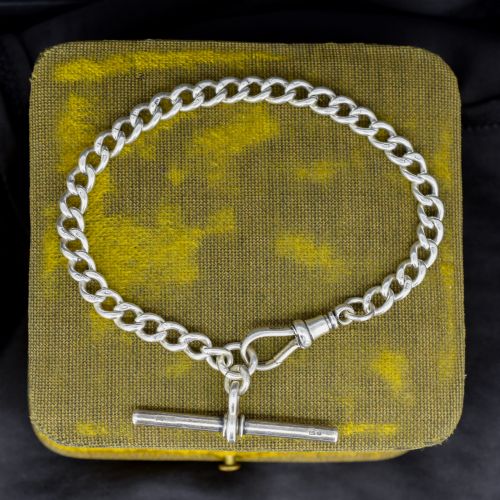
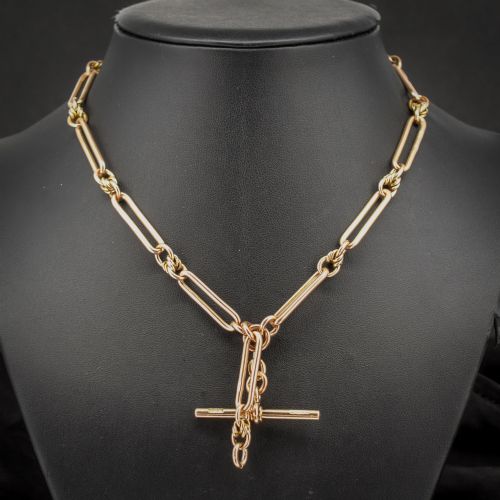
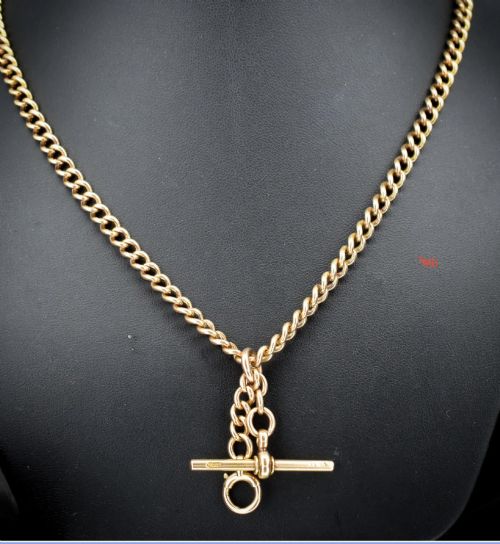
- A short transverse bar attached to the centre of a watch chain. It slips through a buttonhole to anchor the chain securely to a garment.
- Half hunter
- A pocket watch with a metal case featuring a glass or open centre panel on the front cover. This design permits the user to read the time without opening the outer case.
Antique Watch with Chain: Frequently Asked Questions
What is an albert chain?
An albert chain is a specific style of watch chain designed to be worn across the front of a waistcoat. It typically includes a T-bar in the middle to anchor the chain through a buttonhole.
The term covers both single chains, which link from a pocket to a buttonhole, and double chains, which drape between two pockets. These pieces frequently incorporate dog clips for attaching pocket watches, fobs, or small pendants.
How do you wear a watch chain today?
A watch chain can be worn by threading the T-bar through a buttonhole on a waistcoat, jacket, or waistband. The watch itself then rests safely in the corresponding pocket.
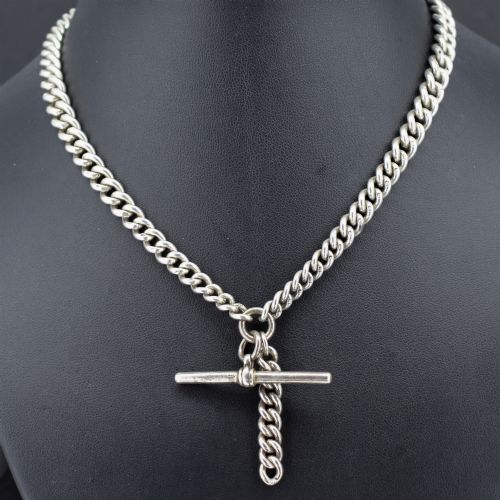
Alternatively, many longer chains are worn around the neck as necklaces, utilising the dog clips to fasten the ends together. This contemporary adaptation repurposes utilitarian lengths into ornamental neckwear.
What is a dog clip used for?
A dog clip is a spring-loaded swivel fastener placed at the end of a watch chain. Its primary function is to clip securely onto the loop of a pocket watch.
These clips also serve to attach decorative fobs, keys, compasses, or charms to the chain. The swivel mechanism prevents the chain from twisting during daily wear.
How do I date an antique watch chain?
Dating a chain involves examining hallmarks stamped onto the metal links or clips, which indicate the assay office, metal purity, and year of manufacture. Stylistic markers such as trombone links or niello work also provide clues to the era.
Matching components, such as a hallmarked T-bar or dog clip, help confirm whether the chain remains in its original configuration. Maker marks stamped on the hardware further assist in establishing a precise timeline.