


Antique Watch Display
Antique watch display pieces encompass stands, holders, and tables designed to showcase timepieces, offering collectors both functional storage and period charm.
Antique Watch Display
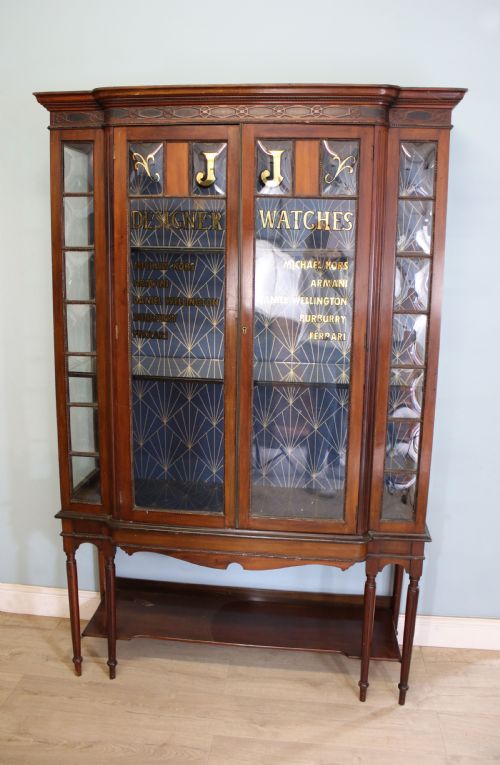
When searching for antique watch display, buyers encounter a diverse selection of items ranging from pocket watch holders and display tables to small glass domes and trade signs. These objects originate from various periods including the Victorian era, the Edwardian years, and the mid-twentieth century.
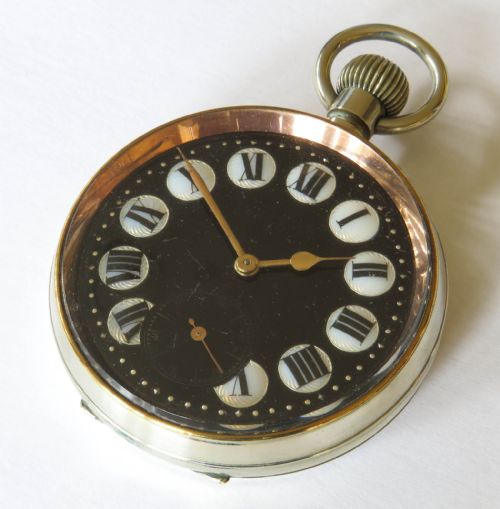
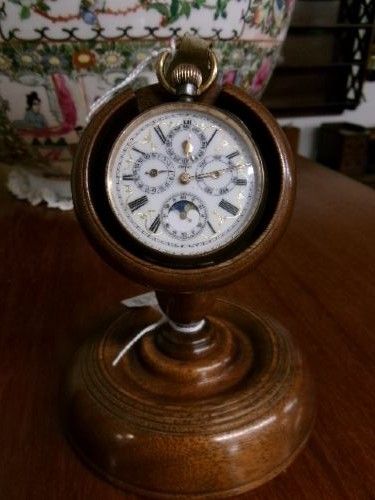
The most common forms on this page include bijouterie display tables, Staffordshire pottery watch-holders, and cast brass stands designed for individual pocket watches or wristwatches. Such pieces reflect the domestic and retail habits of past centuries, serving to protect and exhibit delicate timepieces.
Materials span from rich hardwoods like mahogany and yew to glass, brass, earthenware, and velvet linings. Each form provides a distinct method for presenting horological items, whether in a domestic interior or a commercial shop setting.
How they were made
Cabinet makers utilised fine timbers such as mahogany, kingwood, and yew to construct glazed bijouterie tables and display cabinets, often incorporating delicate veneers and brass framing. Glass domes were paired with wooden bases, such as beech, to create secure miniature showcases for delicate objects.
Pottery watch-holders were modelled in earthenware and glazed ceramic, sometimes taking figural forms like the Staffordshire depictions of The Three Graces. Metal elements relied on casting techniques, particularly in brass stands and gun metal cases, combining structural durability with decorative detail.
Staffordshire potters thoughtfully added miniature ceramic beds for pocket watches so timepieces could rest as comfortably as their owners.
What varies in quality
Quality in these display pieces rests upon the crispness of the timber craftsmanship, the clarity of the glass, and the fidelity of figural modelling in ceramic examples. Superior pieces display refined proportions and intact original elements such as glass panels and velvet linings.
The distinction between standard commercial items and finer works often lies in the choice of materials, such as the use of kingwood veneers or heavy cast brass, alongside the skill involved in hand-finished joinery and decorative details.
Ross of London·Josef Herzog
The Antique Watch Display Glossary
- Bijouterie table
- A glass-topped display table specifically constructed for exhibiting small valuable items, jewellery, and pocket watches.
- Display dome
- A blown glass cover paired with a wooden base, utilised to protect delicate decorative objects and horological pieces from dust.
- Staffordshire watch-holder
- A ceramic figural stand produced in the Staffordshire potteries, designed to hold a pocket watch securely on a mantelpiece.
- Trade sign
- A commercial notice or large clock used by merchants to advertise their premises, often featuring specific watchmaker branding.
- Gun metal
- A type of bronze alloy utilised in the casing of pocket watches and instruments for its dark, corrosion-resistant finish.
Antique Watch Display: Frequently Asked Questions
What is an antique watch display table?
A watch display table, often called a bijouterie table, is a glazed cabinet on legs designed to showcase pocket watches and small valuables from above.
These tables were commonly placed in drawing rooms or retail shops, allowing people to view items without handling them directly.
How were ceramic watch holders used?
Ceramic watch holders, particularly Staffordshire figures, sat on bedroom mantelpieces or bedside tables to hold pocket watches overnight.
The watch hung from a small hook or rested in a designated recess so the dial remained visible in the dark.
Are display domes period correct for watches?
Display domes of glass and wood were utilised from the Victorian era onward to protect delicate timepieces, automata, and ornaments from dust.
Smaller domes fit neatly over individual pocket watch stands or small groups of horological items.
How do I distinguish Edwardian from Victorian pieces?
Victorian pieces often display heavier proportions and ornate figural detail, particularly in cast brass and Staffordshire earthenware.
Edwardian items frequently lean towards lighter woods, cleaner lines, and simpler glazed cabinetry or small beech-based display domes.