

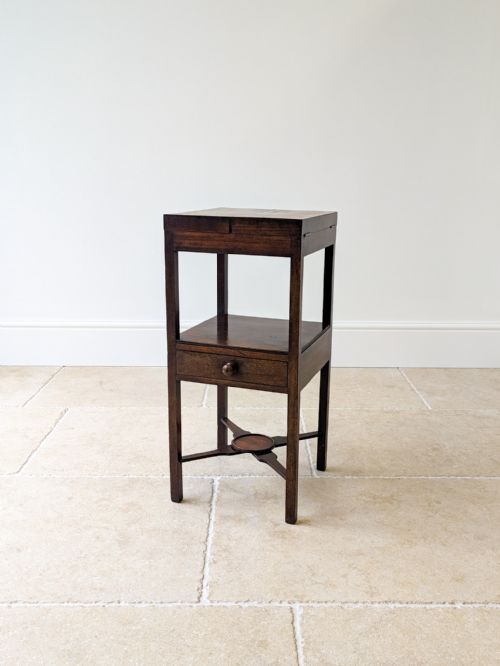
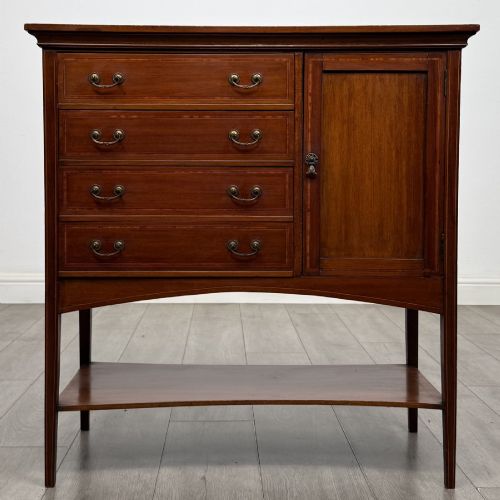
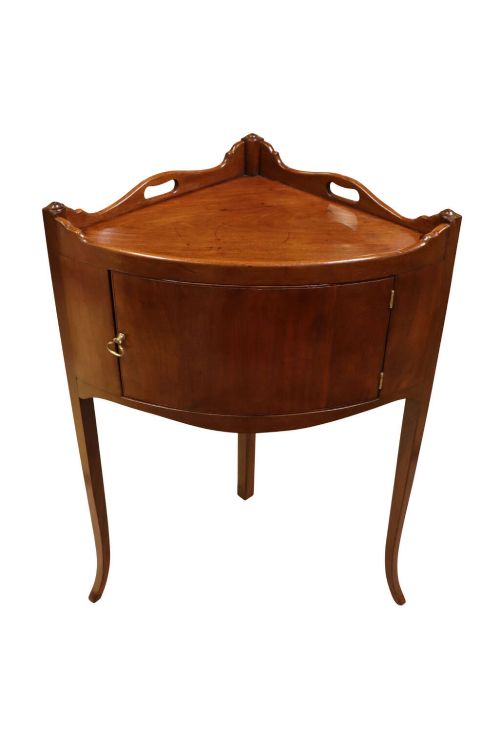
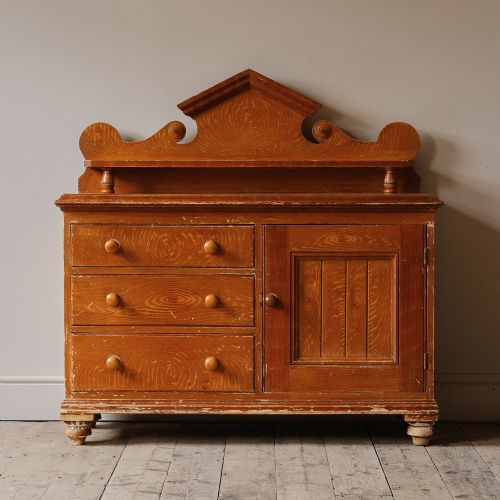

Antique Washstand Cupboard
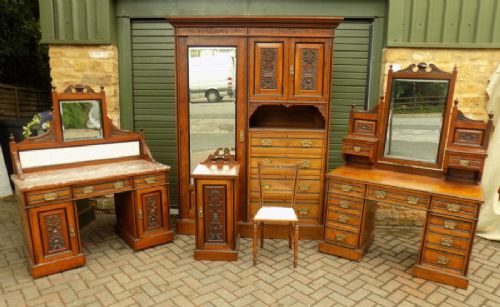
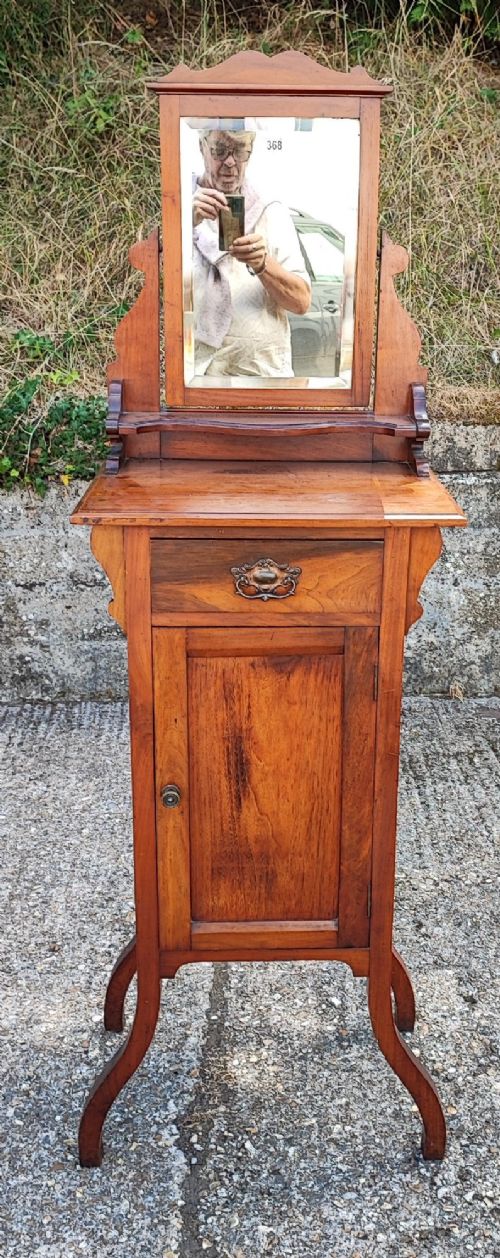
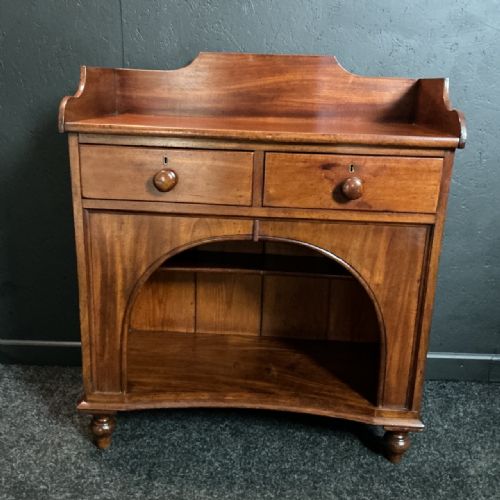
An antique washstand cupboard provides enclosed storage for bedroom plumbing essentials while offering a handsome timber profile.
Antique Washstand Cupboard
The antique washstand cupboard serves as a practical bedroom storage piece that evolved to conceal basins, ewers and chamber pots before plumbed bathrooms became common. Buyers hunting for an antique washstand cupboard will encounter forms ranging from compact corner cabinets to freestanding mahogany and walnut units.
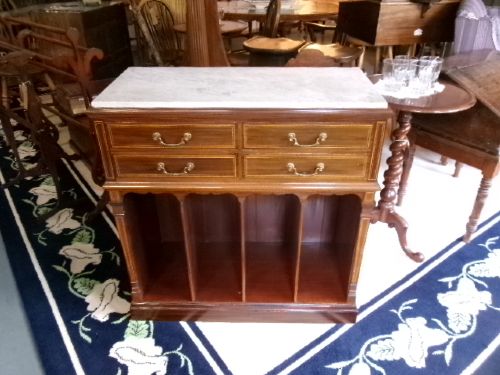
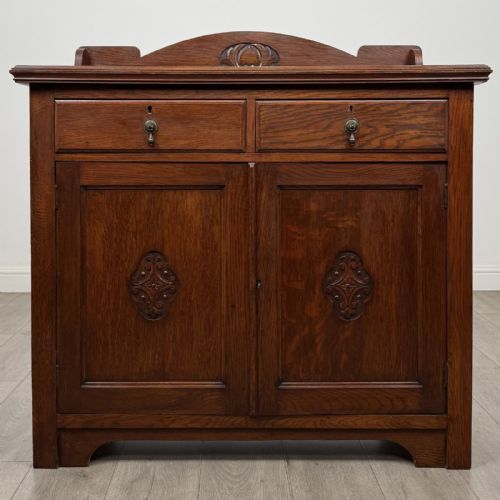
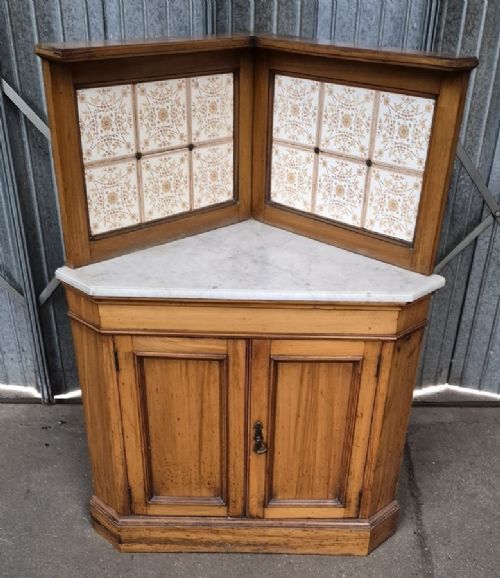
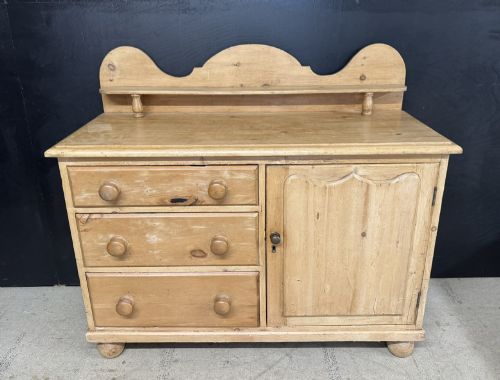
The pieces appearing on this page span the Georgian, Victorian and Edwardian periods, utilising timbers such as mahogany, oak, pine and walnut. Many incorporate raised galleries or fitted marble tops designed to protect bedroom walls from water splashes during morning ablutions.
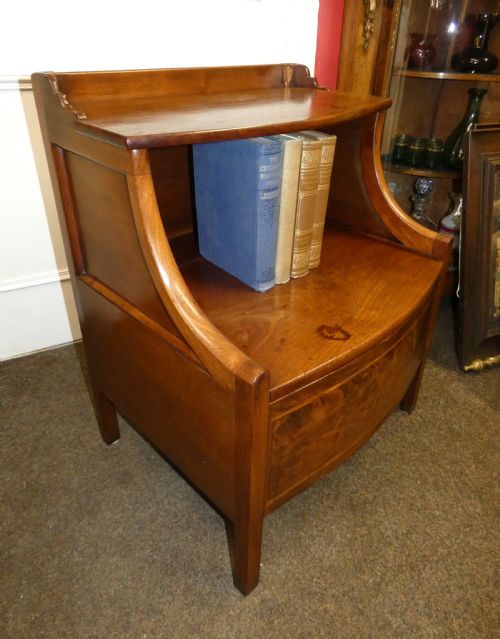
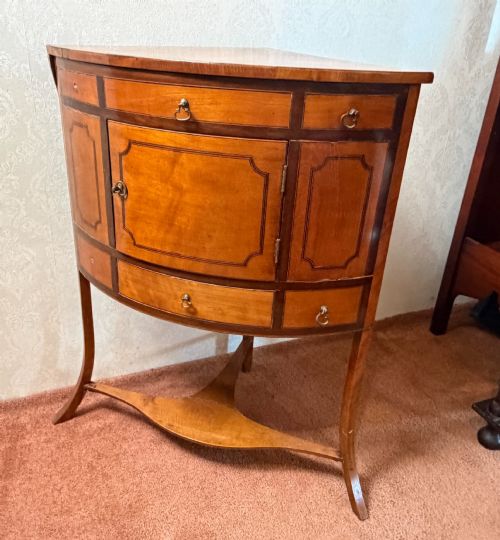
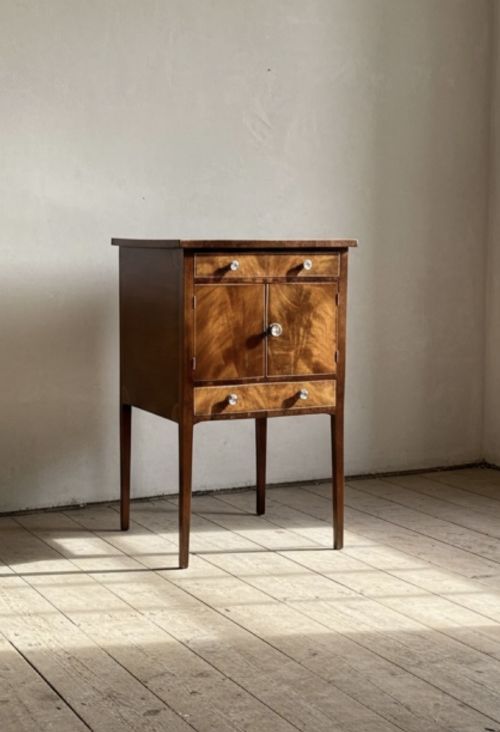
Makers adapted these cabinets into various formats, including bedside cupboards, pot cupboards and corner units, often pairing enclosed lower doors with upper tiers or marble surfaces. These variants reflect changing domestic routines across the eighteenth, nineteenth and early twentieth centuries.
Materials and Construction
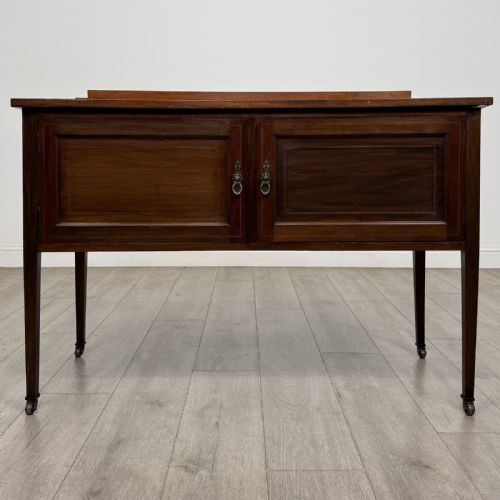
Cabinet makers built these pieces primarily from solid and veneered timbers including mahogany, walnut, oak, satinwood and pine, occasionally applying ebonised finishes or delicate inlay. Structural integrity relied on traditional joinery methods suited to daily domestic service.
Surfaces frequently incorporated inset white marble slabs or glazed tile splashbacks to withstand damp washbasins and ewers. Brass handles, hinges and original pewter cisterns completed the functional hardware of the period.
Antique Washstand Cupboard Retail Price Guide 2026
Typical asking prices for washstand cupboard among the pieces listed under this phrase on Sellingantiques today, from the lower quarter to the upper quarter. They describe what is for sale here now, not the wider market.
Listings span the eighteenth, nineteenth and early twentieth centuries, featuring woods like mahogany, walnut, oak, pine and satinwood alongside marble and brass.
Assessing Quality and Execution
Quality rests in the selection of figured timbers, such as flame mahogany or burr walnut, and the precision of cabinet joinery. Finer examples display meticulous crossbanding, string inlay and well-fitted panel doors that operate smoothly.
The integration of original materials like marble tops, glass elements and brass fittings elevates a piece above standard utility versions. Proportion, timber matching and restrained carving distinguish workshop pieces meant for principal chambers from simpler utilitarian furniture.
Walker & Sons·James Shoolbred
The Antique Washstand Cupboard Glossary
- Washstand
- A piece of furniture designed to hold a basin and pitcher for washing. These items often feature marble tops or protective galleries.
- Pot cupboard
- A small bedside cabinet intended to house a chamber pot behind a single door. They are frequently constructed in mahogany or walnut.
- Gallery
- A raised wooden border surrounding the top of a cabinet or table to prevent items from sliding off. They often feature carved or pierced detailing.
- Lavabo
- A basin and cistern arrangement used for washing, sometimes supplied with an original pewter reservoir. French provincial examples often utilise chestnut.
- Commode
- A low cabinet or chest enclosing cupboard space, sometimes adapted for sanitary use. Georgian iterations frequently display curved or bow fronts.
Antique Washstand Cupboard: Frequently Asked Questions
What is an antique washstand cupboard?
An antique washstand cupboard is a piece of wooden furniture created to hold washing basins and toiletries before modern indoor plumbing became standard in homes.
These cabinets typically combine enclosed cupboard space below with flat surfaces, marble slabs or raised galleries above to manage water use.
How were these cabinets used originally?
Households utilised these units in bedrooms and dressing rooms for morning hygiene routines, storing ewers, basins and chamber pots out of sight.
The enclosed lower compartments kept personal items tidy while upper marble or wooden tiers provided a durable workspace.
How do I date an antique washstand cupboard?
Dating relies on observing timber choices, construction techniques and stylistic traits associated with Georgian, Victorian or Edwardian eras.
Earlier eighteenth-century pieces often showcase plain mahogany or satinwood, whereas Victorian versions frequently feature heavier walnut, ebonising or fitted marble tops.
How do I live with one today?
These versatile cabinets function well as bedside tables, hallway storage or bathroom vanity surrounds for modern basins.
Their compact footprints and enclosed shelving make them practical for organising contemporary items while adding period character to a room.