


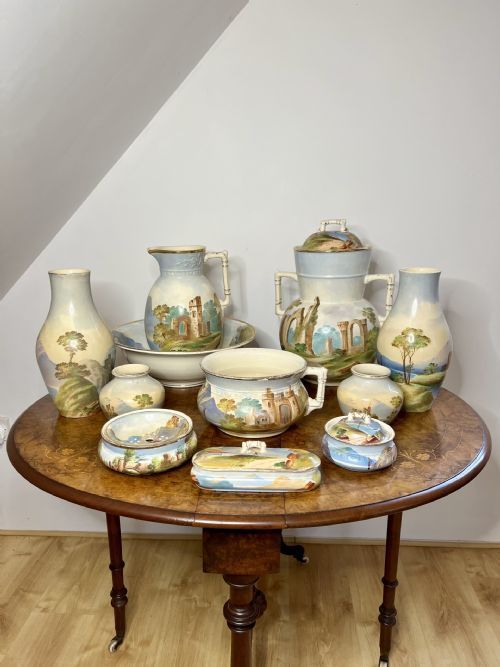


Antique Wash Basin Bowl
An antique wash basin bowl brings period utility into modern rooms, offering heavy ceramic or beaten metal forms designed for personal washing before indoor plumbing.
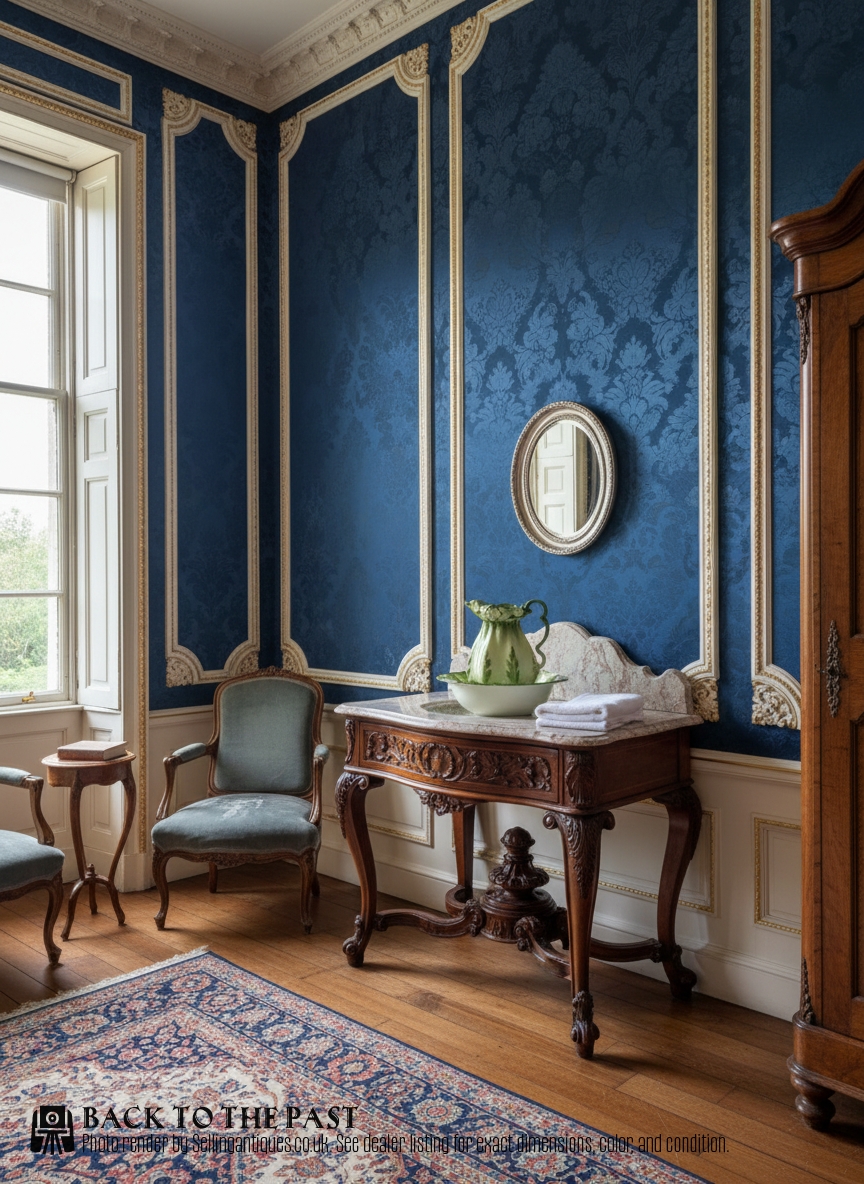
Antique Wash Basin Bowl
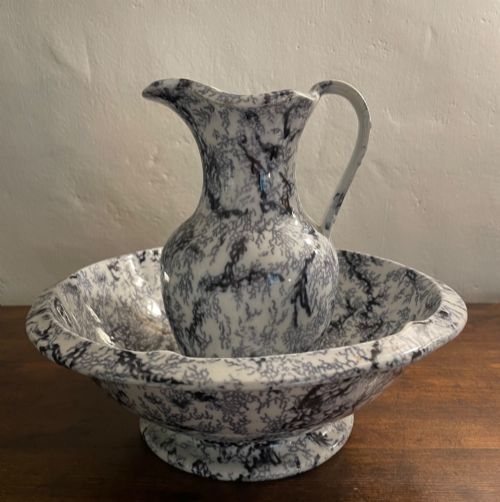
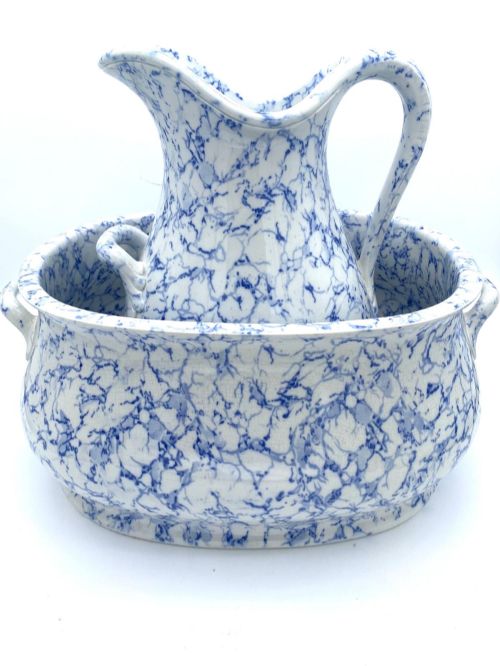
An antique wash basin bowl forms part of a larger toilet set or stands alone as a vessel of utility. Buyers searching this phrase encounter utilitarian earthenware, decorative porcelain, and heavy metal containers spanning several centuries.
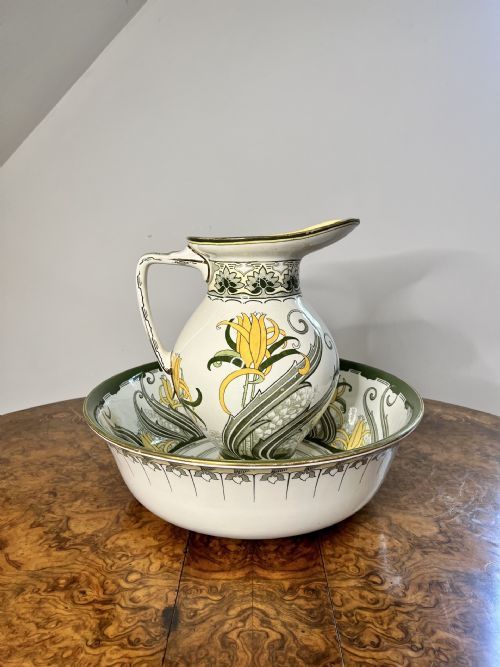
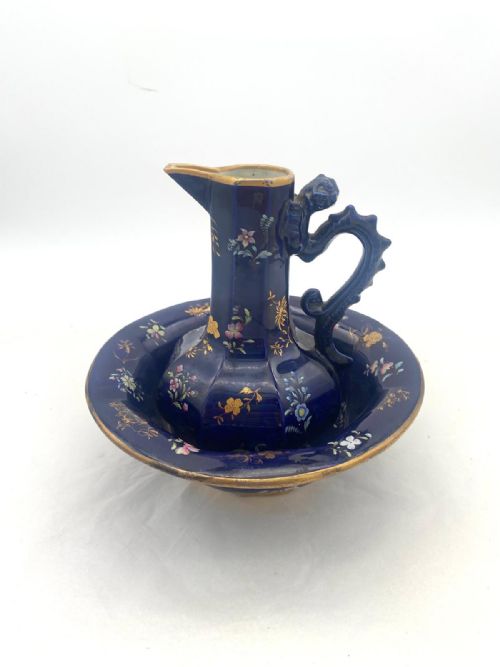
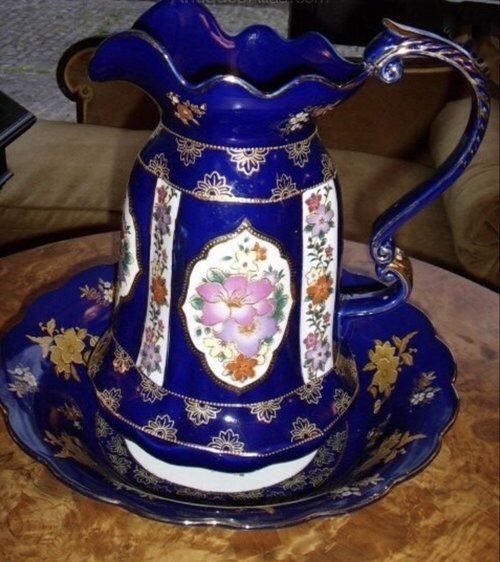
The most common versions on this page date from the nineteenth and early twentieth centuries, particularly the Victorian and Edwardian periods. These ceramic sets combine a large basin with a matching jug, while metal variants include copper and brass vessels from diverse global traditions.
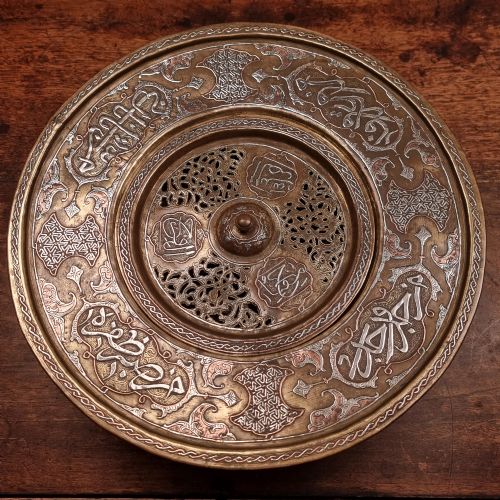
Forms range from simple domestic washstand basins to large decorative bowls and Islamic engraved metal basins. Each piece reflects the washing and bathing customs of its era before the widespread installation of running water.
Materials and Construction
Ceramic pieces utilise earthenware, ironstone, and porcelain bodies finished with glazes, sometimes incorporating transfer-printed patterns or cobalt blue designs. Potters shaped these bodies on wheels or in moulds before firing them in kilns.
Metal items rely on brass, copper, and iron, often shaped through beating or casting. Artisans decorated metal basins using engraving or silver inlay techniques to create intricate surface patterns.
Specialist items integrate gold leaf or enamel finishes upon metal or ceramic foundations, demonstrating advanced decorative techniques common to specific periods and workshops.
Materials range from earthenware and glazed ceramic to heavy copper, brass, and cloisonne enamel.
Distinctions in Quality
Quality rests in the crispness of the transfer print, the depth of the glaze, and the precision of any hand-painted details. Finer ceramic examples display clear registry of patterns and well-balanced forms without distortion from the kiln.
In metal basins, quality shows in the weight of the material and the exactness of the engraving or inlay work. Heavier copper and brass vessels demonstrate superior gauge and sturdiness compared to lighter utility items.
Minton·Masons Ironstone·Doulton Burslem·Mann Co·Shelley
The Antique Wash Basin Bowl Glossary
- Flow blue
- A transfer-printing technique where the cobalt blue pigment intentionally bleeds into the white glaze during firing. This creates a hazy, soft-edged pattern popular on nineteenth-century ceramics.
- Ironstone
- A heavy, durable type of earthenware patented in the nineteenth century to imitate porcelain. It provides a robust body for large basins and jugs.
- Cloisonne
- A decorative metalwork technique where thin wire creates compartments filled with enamel paste. These are fired to produce coloured designs on a metal ground.
- Tian bowl
- A large French earthenware vessel traditionally used in domestic food preparation or general washing. They often feature a green lead glaze and generous proportions.
- Gaudy Welsh
- A style of colourful, hand-painted pottery featuring cobalt blue, iron red, and copper lustre accents. It was produced in the nineteenth century primarily for the Welsh market.
Antique Wash Basin Bowl: Frequently Asked Questions
What is an antique wash basin bowl used for today?
Modern owners utilise these basins as decorative planters, table centerpieces, or bathroom displays. Their generous proportions make them practical for holding towels or dried botanicals.
They also serve as striking standalone sculptural objects on sideboards or dedicated washstands within period interiors.
How do I distinguish Victorian sets from Edwardian ones?
Victorian ceramic sets frequently display robust proportions with dense floral transfers, Gaudy Welsh patterns, or deep flow blue designs. They often feel heavier and more ornate in their decorative program.
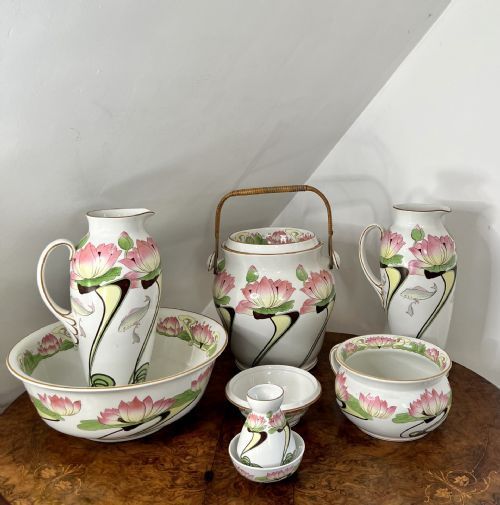
Edwardian examples tend towards lighter palettes, simpler floral motifs, or cleaner Art Nouveau lines. The overall aesthetic shifts from heavy Victorian formality towards lighter domestic comfort.
Were these bowls always part of a set?
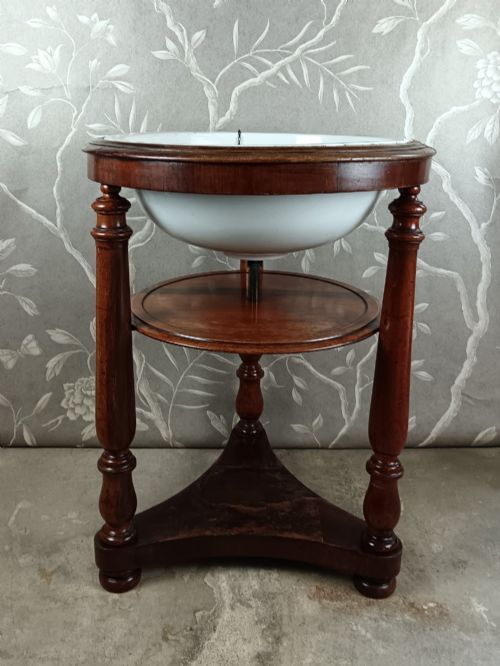
Many ceramic basins formed part of a larger toilet set that included a matching water jug, soap dish, chamber pot, and slop bucket. These sets sat atop a dedicated wooden washstand in a bedroom.
Metal basins, however, often functioned independently as wash bowls, grain measures, or warming pans rather than belonging to a matching chamber set.
How should I clean a copper or brass wash bowl?
Maintenance requires gentle washing with warm water and mild soap to preserve the surface. Avoid abrasive scourers that strip away the aged patina built up over centuries.
Many collectors prefer to retain the natural oxidation and darkening, as this demonstrates the genuine age of the metal.