



Antique Walnut Statues
Antique walnut statues are carved wooden figures spanning centuries of European craftsmanship, offering buyers tactile representations of religious devotion, folklore, and natural history.
Antique Walnut Statues
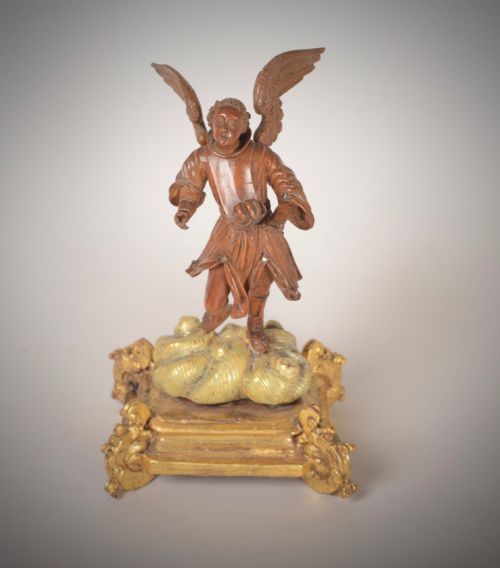
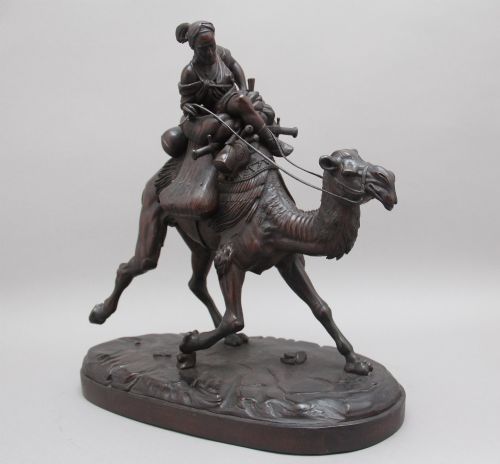
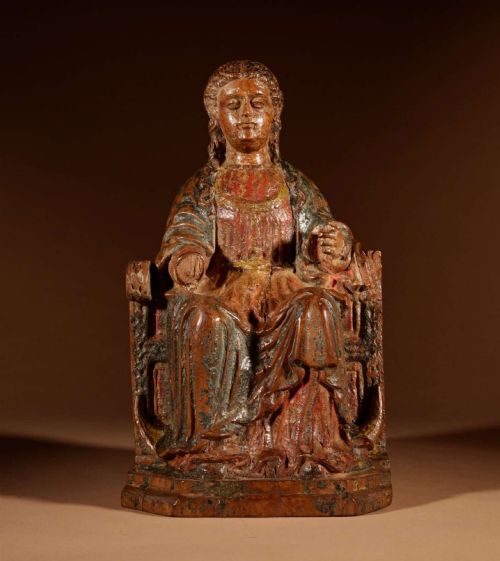
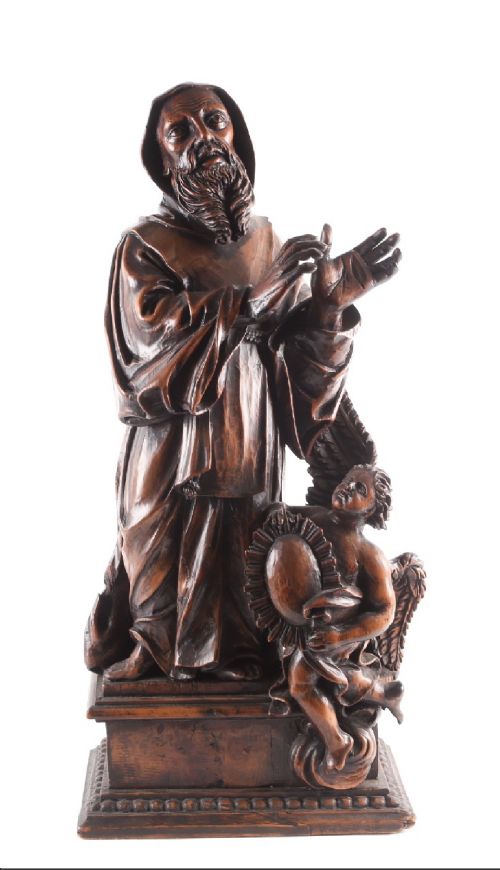
When you search for antique walnut statues, you encounter carved wooden figures that originate from periods spanning the sixteenth century through the early twentieth century. These pieces encompass religious subjects, including Madonnas, saints, and monks, alongside secular representations such as bears, birds, and human figures.
The objects take various forms, appearing as standalone sculptures, figure groups, candlestick figures, and figural lamp bases. Many examples derive from the Black Forest tradition or European religious workshops, utilising dense hardwoods to achieve detailed anatomical and textural definition.
How they were made
The makers of these items utilised walnut, lindenwood, and other seasoned woods, often applying stains or polychrome paint to the carved surfaces. Artisans worked with hand chisels and gouges to shape the dense grain, capturing fine details in drapery, feathers, and fur.
Many of the figurative works combine hand carving with applied elements, while certain pieces incorporate secondary materials like glass eyes in animal subjects. The structural joinery relies on traditional woodworking techniques appropriate to each century of production.
Antique Walnut Statues Retail Price Guide 2026
Typical asking prices for walnut statues among the pieces listed under this phrase on Sellingantiques today, from the lower quarter to the upper quarter. They describe what is for sale here now, not the wider market.
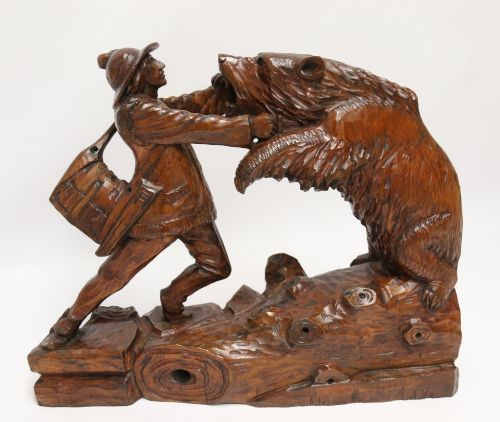
Bears remain the undisputed rulers of the wooden menagerie, occasionally moonlighting as lamp bases.
What varies in quality
The distinction between standard and superior pieces rests upon the anatomical precision of the carving and the depth of expression achieved in the face. Master carvers demonstrated control over the wood grain, rendering complex folds in garments and realistic musculature in animal subjects without loss of proportion.
Preservation of the original surface patina and the crispness of the chisel work also dictate the standing of a piece. Earlier examples from the sixteenth and seventeenth centuries exhibit different tool marks compared to later nineteenth-century production, reflecting the evolution of workshop practices.
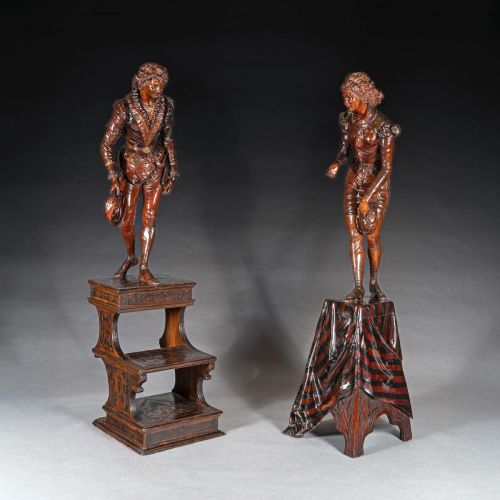
Valentino Besarel
The Antique Walnut Statues Glossary
- Walnut
- A dense, dark hardwood prized by carvers for its stability and rich grain pattern. It allows for crisp detail work in figurative sculpture.
- Black Forest
- A regional style of wood carving associated with the nineteenth century, known for realistic depictions of animals and forest life. Bears and birds are common subjects within this tradition.
- Polychrome
- The practice of painting wood sculptures in multiple colours to enhance realism. This finish appears frequently on historical religious figures.
- Baroque
- An artistic style from the seventeenth and eighteenth centuries characterised by dynamic movement and dramatic drapery. Figures from this period often display theatrical gestures.
Antique Walnut Statues: Frequently Asked Questions
What periods do these statues come from?
The available pieces span from the sixteenth century up through the early twentieth century. Earlier items typically depict religious figures, whereas nineteenth-century works often reflect the Black Forest animal carving tradition.
Specific dates are assigned based on stylistic conventions, tool marks, and historical documentation associated with each individual carving.
How do I care for a wooden statue?
Keep carved wooden figures away from direct sunlight and sources of heat to prevent the wood from drying out and cracking. Dust them gently with a soft, dry cloth without applying modern liquid polishes.
Maintaining a stable room temperature and moderate humidity protects the structural integrity of the wood and preserves the original surface finish.
Are these pieces solid walnut?
The listings include items carved from solid walnut, alongside figures made from lindenwood and other stained woods. The choice of timber often corresponds to the regional workshop and the specific period of manufacture.
Examining the grain and the underside of the base helps determine the specific wood species used by the carver.
What subjects are most common?
Religious subjects such as Madonnas, saints, monks, and Christ figures frequently appear among the earlier historical works. Animal subjects, particularly bears and birds, dominate the nineteenth-century Black Forest pieces.
Figurative studies of people and mythological figures also represent a significant portion of the available sculptural works.