



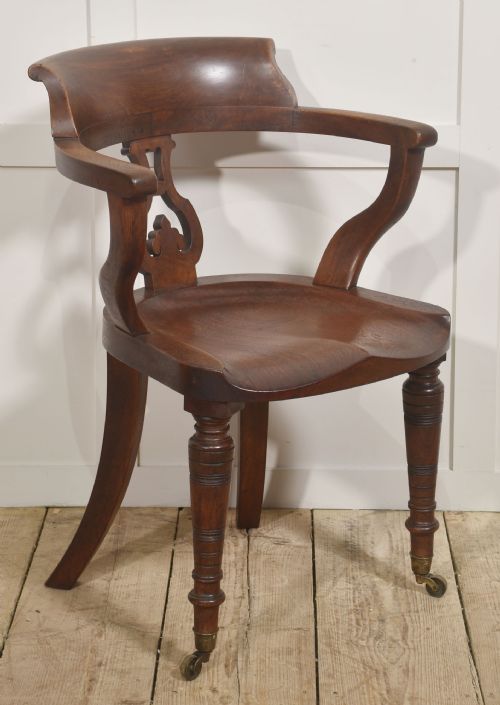


Antique Walnut Library Seating
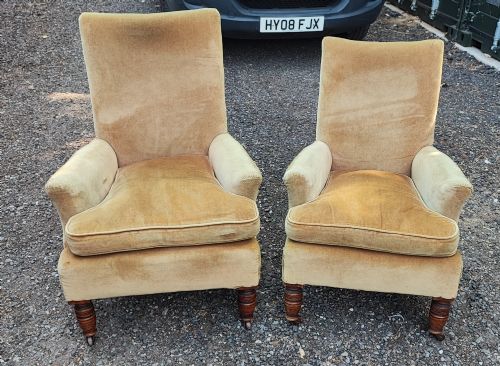
Antique walnut library seating brings substantial timber frames and deep upholstery together for reading rooms and studies.
Materials and construction methods
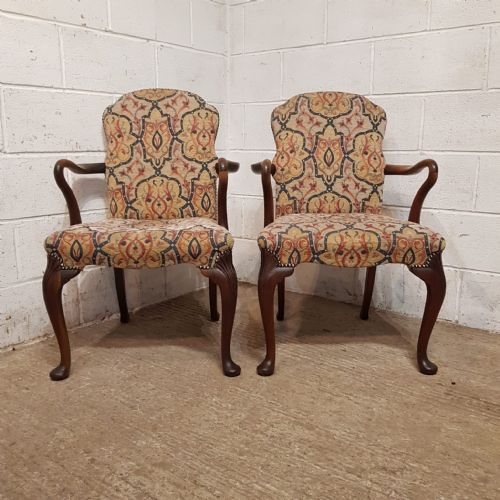
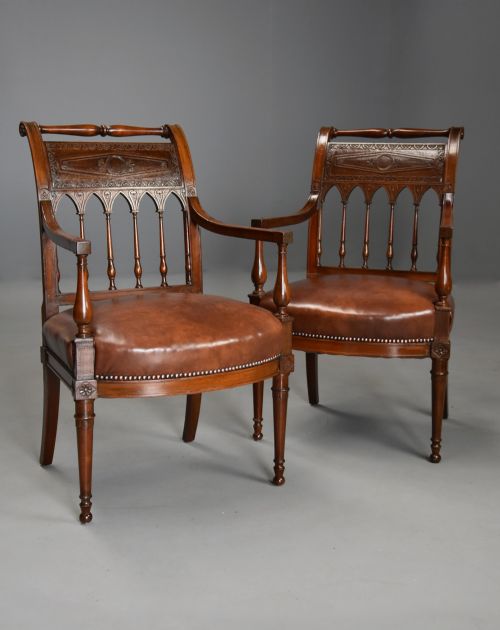
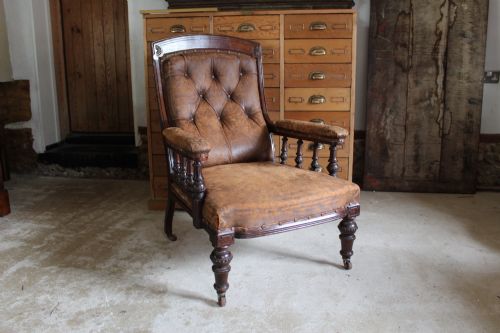
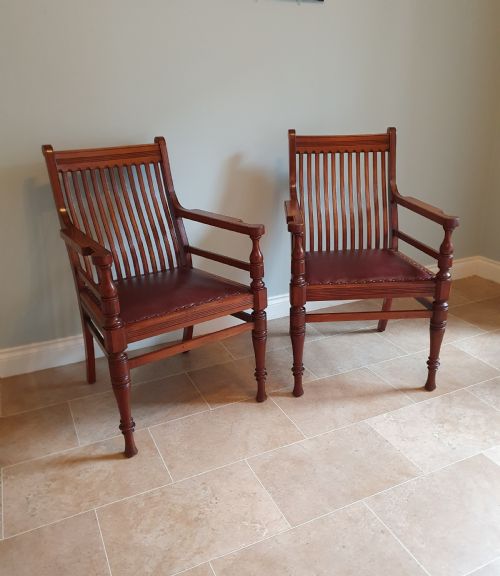
Makers utilised solid walnut and walnut veneers for the structural frames, often selecting timber with rich grain patterns. Frames display carved details, bobbin turnings, or smooth surfaces depending on the prevailing style of the period.
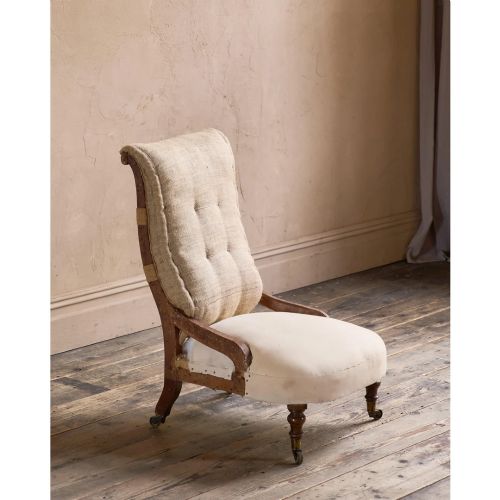
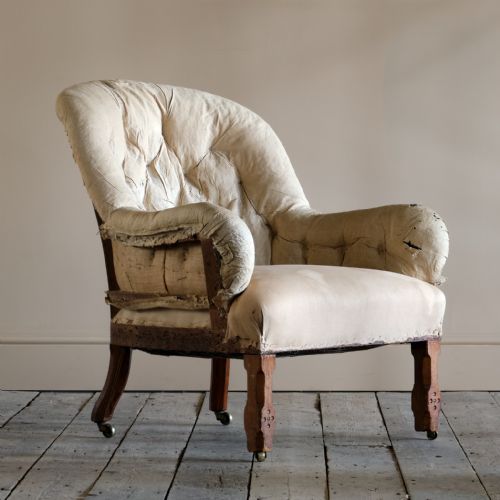
Upholstery relies on traditional stuffing materials secured over webbing and springs. Coverings span leather, velvet, hessian, calico, and various textiles, frequently fastened with brass nail trim along the wooden borders.
Distinctions in craftsmanship
The standard of a piece rests on the precision of the frame joinery and the depth of the timber carving. Superior examples exhibit harmonious proportions and uncompromised structural integrity within the walnut frame.
The quality of the upholstery work and the selection of covering materials further separate tiers of production. Maker attribution, visible in stamped signatures or distinct workshop methods, elevates historical interest.
Some nineteenth-century walnut stools allowed gentlemen to straddle the seat backward while resting their arms on a padded top rail.
Howard and Sons·Gillows·J. and T. Scott·James Shoolbred
The Antique Walnut Library Seating Glossary
- Walnut
- A dense, hard timber prized for its rich dark brown colour and varied grain patterns. It served as a primary material for fine cabinetry and seating from the late seventeenth century onward.
- Wing chair
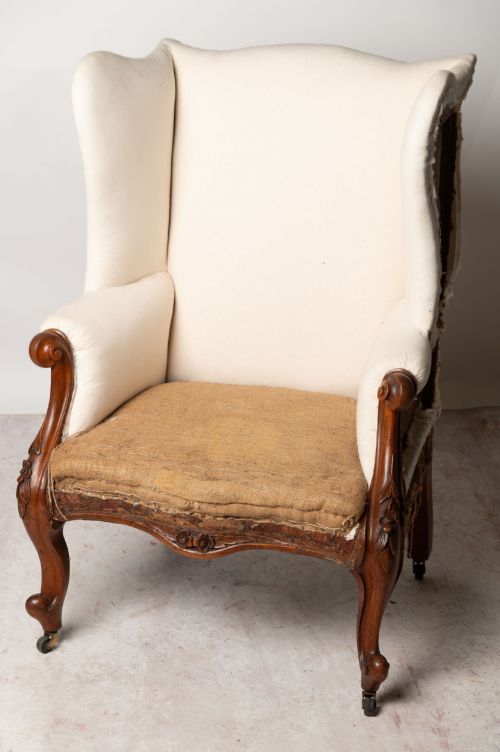
- An armchair featuring protective flaps, or wings, attached to the back and arms. This design originally shielded occupants from draughts near fireplaces in large rooms.
- Fauteuil
- An open-arm armchair originating in France, characterised by upholstered back and seat panels with exposed wooden framing. These chairs appear in various revival styles across the nineteenth century.
- Bobbin armchair
- A seat constructed with turned wooden components resembling reels or bobbins stacked end to end. This decorative turning technique enjoyed popularity during seventeenth-century and later revival periods.
- Cock-fighting stool
- A low, specialised seat historically used for viewing spectator sports, featuring a padded rest for the chest or arms. Examples often incorporate robust walnut legs and compact proportions.
Antique Walnut Library Seating: Frequently Asked Questions
How do I identify a library desk chair?
Library desk chairs generally feature sturdy armrest heights designed to clear standard writing table drawers. They often incorporate swiveling mechanisms or castors for movement across study floors.
Supportive upholstered backs and padded seats distinguish them from standard dining chairs, ensuring comfort during extended periods of reading or paperwork.
Are these chairs suitable for daily use?
These seating pieces were constructed for heavy daily service in domestic and institutional libraries. The solid walnut frames provide durable structural support.
Many pieces retain or have received updated traditional upholstery, making them practical for regular placement in modern living spaces and studies.
What defines revival styles in walnut seating?
Revival designs borrow specific decorative motifs and structural silhouettes from earlier eras, such as the seventeenth-century William and Mary period or the early eighteenth-century Queen Anne reign. Makers reinterpreted these historical forms using contemporary nineteenth and early twentieth-century woodworking techniques.
This approach yields walnut frames with characteristic high backs, cabriole legs, or shaped stretchers that honour historical aesthetics.
How should I care for antique leather upholstery?
Antique leather requires gentle cleaning with a damp cloth followed by a suitable leather conditioner to maintain suppleness. Avoid placing leather-upholstered chairs in direct sunlight or near heat sources, which can dry out the hide.
Regular, careful dusting prevents particulate accumulation in the natural creases and button tufts of the surface.