



Antique Walnut Container
These antique walnut container pieces range from Victorian coal scuttles to Georgian tea caddies, offering solid timber construction and period brass fittings for everyday use.
Antique Walnut Container
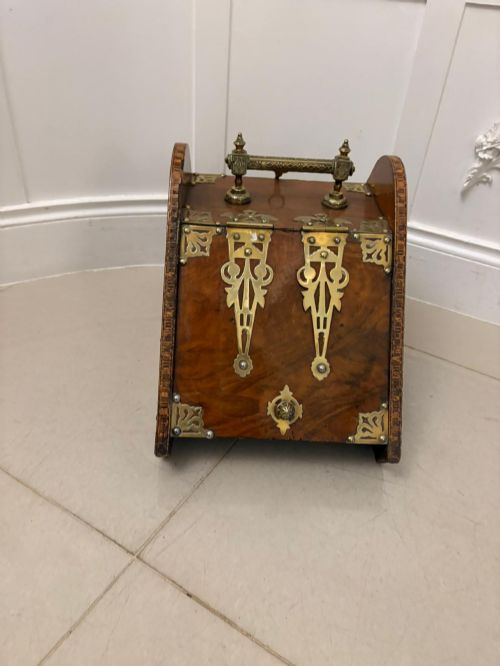
An antique walnut container encompasses a diverse group of wooden objects designed for storage and domestic utility across several historical periods. Buyers seeking an antique walnut container encounter practical vessels ranging from coal scuttles and fireside bins to smaller desktop items such as tea caddies, games boxes, and snuff boxes.
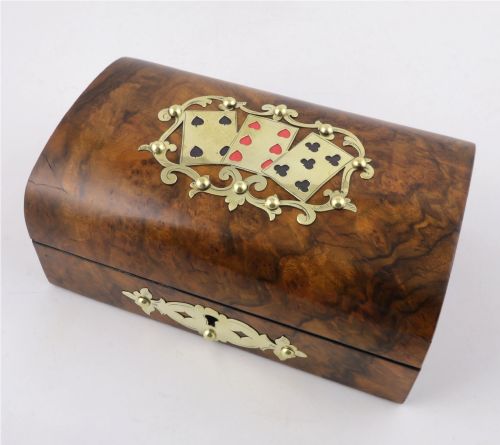
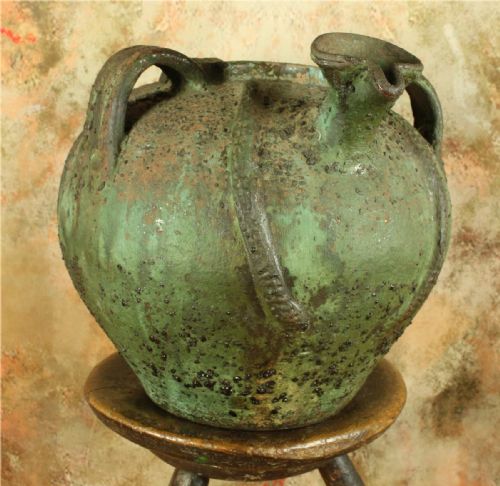
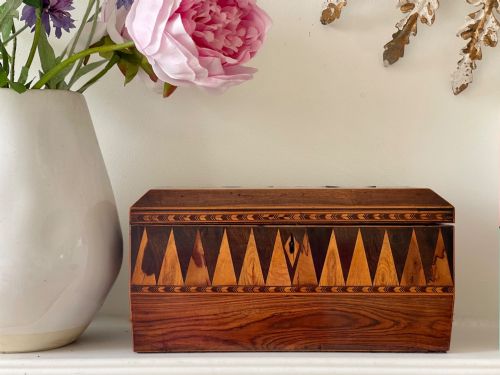
The pieces on this page span the 18th century, Georgian, Victorian, and Edwardian eras, displaying varied forms from French country oil pots to English triangular bins and Tunbridge ware caskets. Walnut and burr walnut dominate the material record, frequently accented with brass mounts, silver plate, and inlaid details.
Smaller portable items like snuff boxes and playing card caskets sit alongside substantial fireside accessories, demonstrating the wide scope of domestic items fashioned from this timber. Each object reflects the prevailing decorative tastes of its century, from plain 18th-century utility to ornate late 19th-century brass-mounted designs.
How they were made
Cabinet makers utilised solid walnut and burr walnut timber, selecting figured grain patterns for decorative surfaces on caddies and games boxes. Woodwork was frequently combined with applied brass handles, hinges, and mounts to reinforce high-stress joints on larger vessels like coal scuttles and bins.
Specialised techniques such as Tunbridge ware inlay decorated specific Georgian pieces, creating intricate geometric mosaic patterns across the timber lids. Secondary materials including wirework stands, silver plate, and enamel details added functional and visual contrast to sauce holders and small containers.
Antique Walnut Container Retail Price Guide 2026
Typical asking prices for walnut container among the pieces listed under this phrase on Sellingantiques today, from the lower quarter to the upper quarter. They describe what is for sale here now, not the wider market.
Listings feature walnut timber combined with brass mounts, enamel, and earthenware across Victorian and 18th-century items.
What varies in quality
The distinction between standard utility items and finer pieces lies in the selection of the walnut timber and the sophistication of its grain. Burr walnut veneers and complex marquetry, such as Tunbridge ware, indicate a higher grade of craftsmanship than plain, utilitarian boards.
Hardware execution further separates the ranges, distinguishing simple iron fastenings from substantial, well-fitted brass mounts and intricate wirework. Complete fitted interiors in tea caddies and games boxes also signify superior original manufacture.
The Antique Walnut Container Glossary
- Burr walnut
- A highly figured wood grain obtained from the wart-like growths on walnut trees. It creates swirling, ornamental patterns prized for decorative box lids.
- Tunbridge ware
- A type of woodwork featuring small mosaic tiles made from different coloured woods. It forms geometric pictures or borders on Georgian caddies.
- Coal scuttle
- A domestic container designed to hold coal near a fireplace. Examples often feature sturdy brass mounts and drop handles for carrying.
- Tea caddy
- A small lidded vessel originally built to store loose tea leaves. Georgian and Victorian versions frequently included internal compartments and locking lids.
Antique Walnut Container: Frequently Asked Questions
What is an antique walnut container used for?
These items served various historical household functions, from storing tea and playing cards to holding snuff or fireplace fuel.
Today, buyers utilise smaller boxes for desktop storage while larger bins and scuttles find placement beside active fireplaces.
How do I date an antique walnut container?
Dating relies on observing structural characteristics, hardware styles, and decorative techniques specific to periods like the Georgian or Victorian eras.
Plain 18th-century vessels differ visibly in construction from the brass-mounted and inlaid pieces popular toward the end of the 19th century.
Are these containers made of solid walnut?
Makers used both solid timber and decorative veneers depending on the object type and the period of manufacture.
Figured burr walnut was frequently applied as a veneer over stable secondary woods on decorative boxes and caskets.
How do I care for antique walnut wood?
Walnut timber benefits from stable indoor humidity and protection from direct sunlight to prevent the wood or veneer from drying out.
Occasional light cleaning with appropriate wood care products maintains the polished finish of the surface.