

Antique Wall Vase
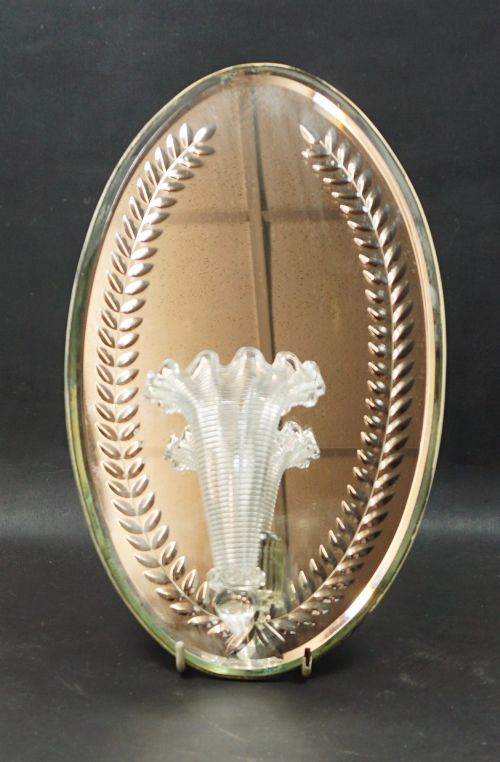
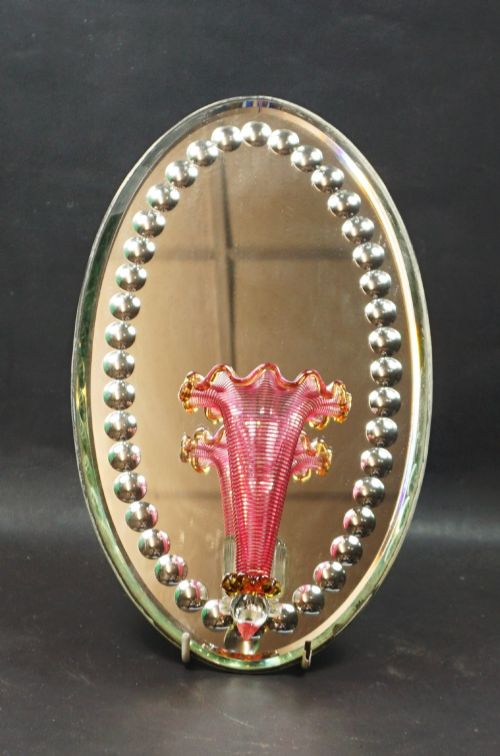
An antique wall vase brings botanical colour to interior spaces through hanging ceramic and metal vessels designed to display fresh or dried blooms.
Antique Wall Vase
An antique wall vase comprises hanging receptacles designed to mount directly onto vertical surfaces, holding stems and floral arrangements without taking up table space.
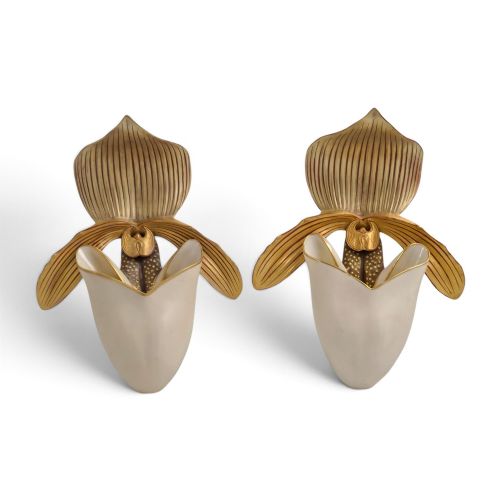
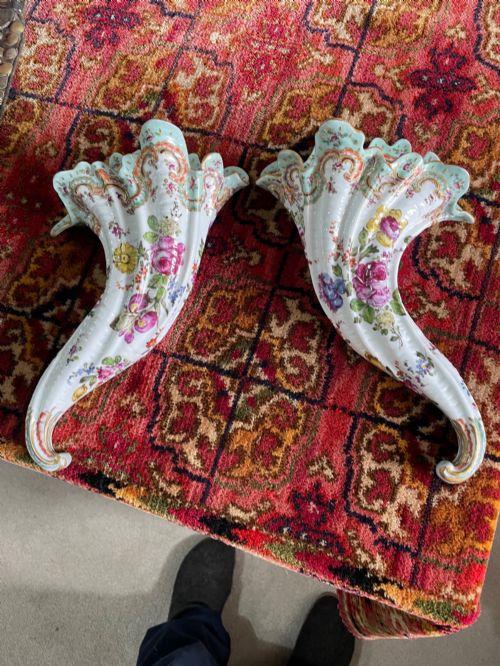
The selection here encompasses earthenware wall pockets from regional potteries alongside ornate brass crown holders dating across the nineteenth and early twentieth centuries.
Buyers also encounter related hanging forms and decorative vessels that share the same period aesthetic and domestic function.
How they were made
Pottery examples employ traditional ceramic bodies shaped into pockets and glazed in bright or natural tones, often bearing maker marks from historic kilns.
Metal vessels utilise cast brass formed into ornate decorative shapes, providing rigid hanging utility for interior display.
Antique Wall Vase Retail Price Guide 2026
Typical asking prices for wall vase among the pieces listed under this phrase on Sellingantiques today, from the lower quarter to the upper quarter. They describe what is for sale here now, not the wider market.
Listings feature Victorian and Edwardian periods, utilising materials such as glazed pottery, earthenware, and cast brass across various hanging vessel forms.
What varies in quality
Quality depends upon the clarity of the ceramic glaze, the crispness of the moulded detail in brass or earthenware, and the integrity of the hanging mounts.
Pieces from documented potteries or named makers demonstrate superior execution in design proportion and surface finish compared to anonymous workshop output.
Lauder Pottery Barnstaple·Varnish England
The Antique Wall Vase Glossary
- Wall pocket
- A ceramic or metal vessel flat on one side for hanging flush against a wall while holding flowers.
- Brass crown
- A specific form of hanging metal wall vase shaped with an open crown top edge.
- Glaze
- A vitreous coating applied to ceramic pottery to seal the clay body and provide colour or sheen.
- Earthenware
- A porous pottery body fired at lower temperatures, commonly used for nineteenth-century wall vessels.
Antique Wall Vase: Frequently Asked Questions
How do you hang an antique wall vase safely?
Most wall vases feature a dedicated hanging loop or aperture integrated into the backplate, designed to sit securely over a sturdy wall screw or hook. Ensure the fixing matches the weight of the ceramic or metal vessel.
Avoid placing hanging vessels in high-traffic corridors where accidental knocks might dislodge them from the vertical surface.
Can antique wall vases hold water?
Many historic ceramic and metal wall pockets are glazed or sealed internally to accommodate fresh flowers and water safely. However, hairline fractures can develop in older bodies over decades of use.
Inspect the interior glaze before filling, or utilise a small glass liner inside the pocket if you prefer using fresh stems.
What rooms suit an antique wall vase best?
These hanging vessels function well in entrance halls, garden rooms, and dining spaces where vertical wall decor adds traditional charm. They provide botanical colour without crowding side tables or mantelpieces.
Pairing a pottery wall pocket with dried stems ensures longevity in rooms with fluctuating temperatures.
How do I identify the period of a wall vase?
Dating relies upon stylistic markers, clay bodies, and stamped maker marks on the reverse of the ceramic or metal body. Victorian and Edwardian examples often feature distinct glaze colours and relief moulding.
Compare the mounting style and glaze characteristics against known regional pottery production dates to narrow down the era.