
Antique Wall Textile
Antique wall textile pieces bring tactile history and rich colour into a room, offering everything from tribal embroideries to French verdure tapestries.
Antique Wall Textile
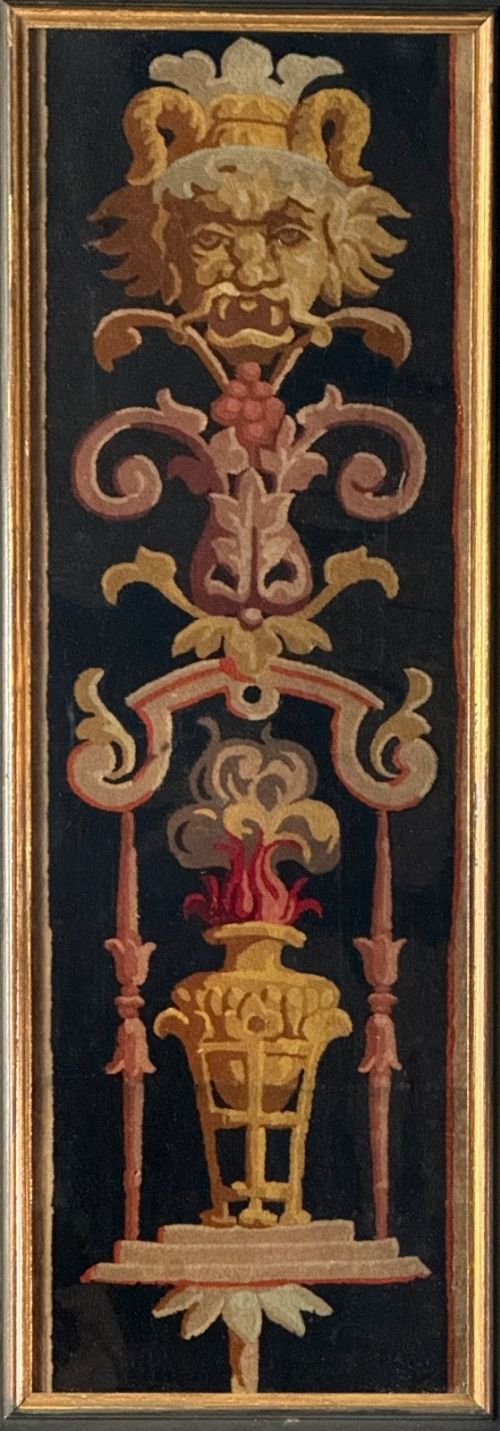
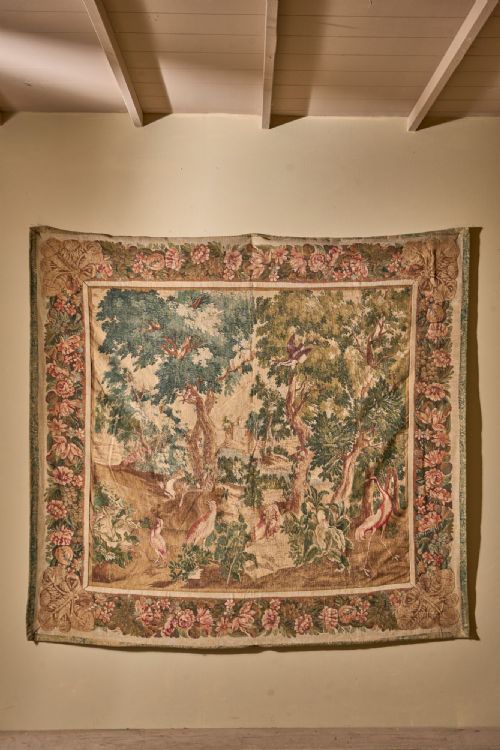
When searching for an antique wall textile, buyers encounter a diverse range of historic items originally created for domestic use, ceremonial display, or interior decoration. These pieces span centuries, originating from European workshops as well as Central Asian nomadic traditions.
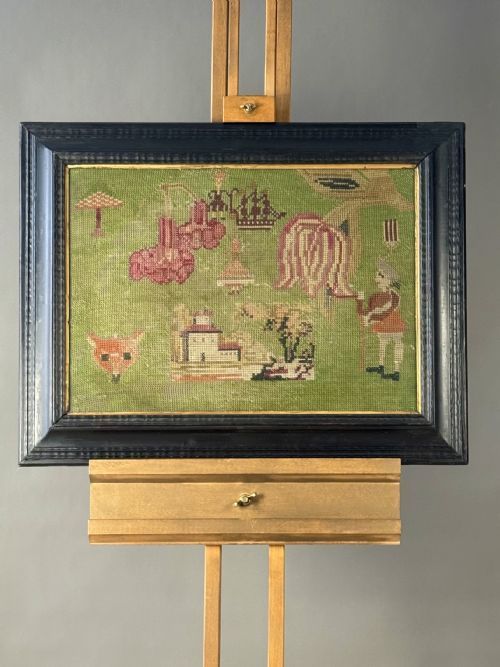
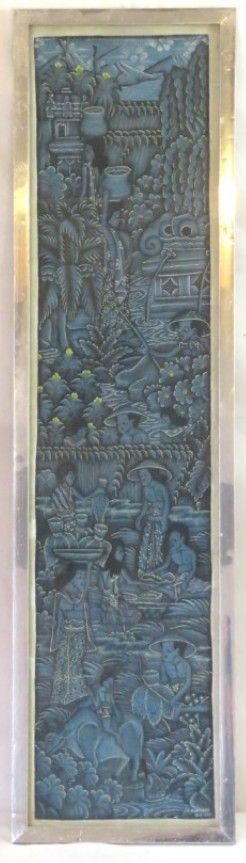
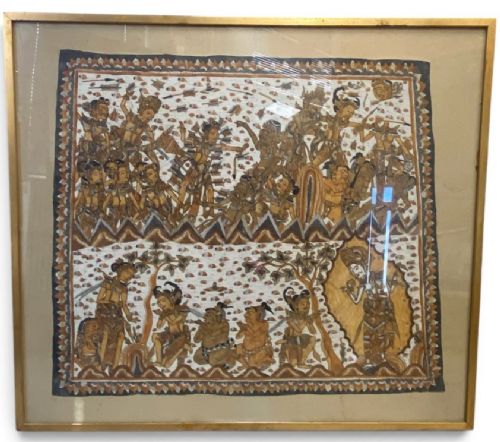
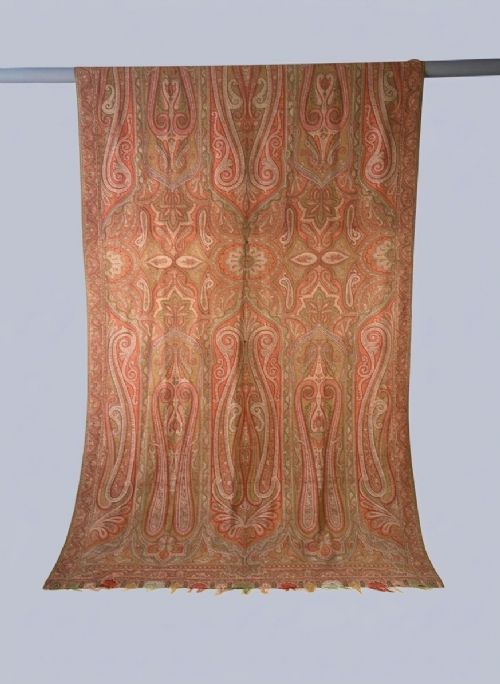
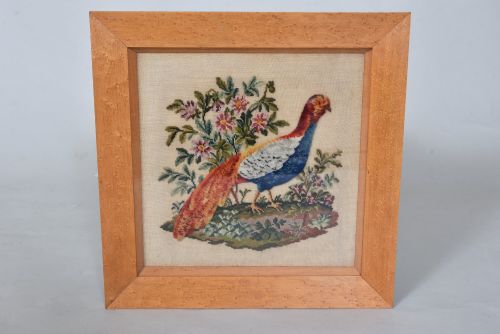
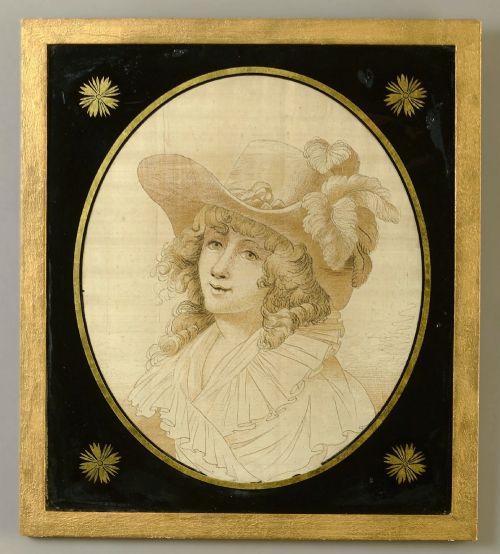
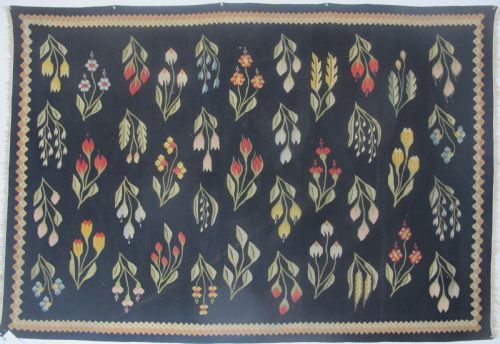
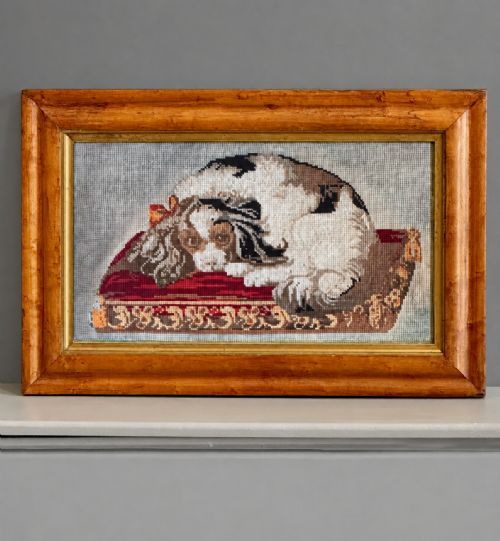
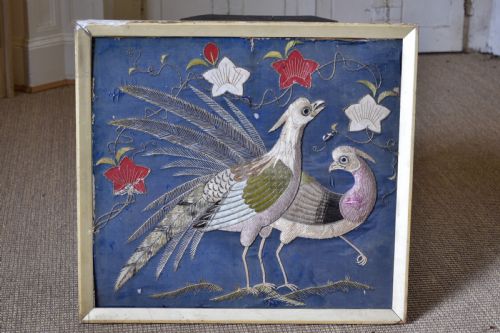
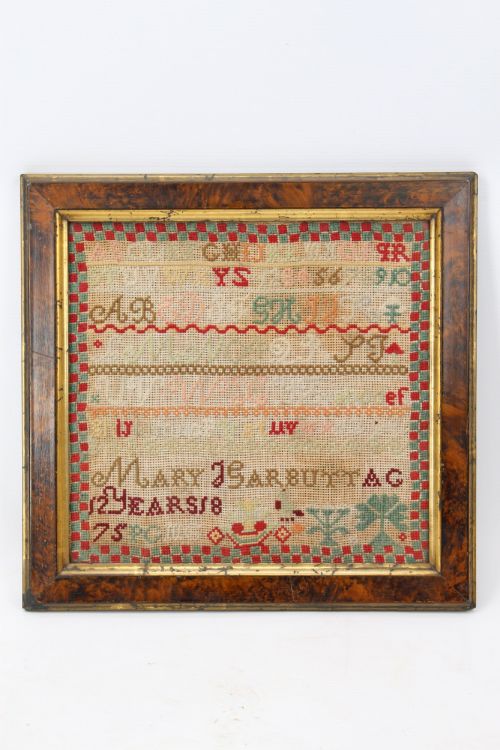
The selection frequently includes framed needlework samplers, large European tapestries, and embroidered wall hangings from various cultural backgrounds. Common formats involve panels adapted for display, dowry embroideries, and traditional woven covers sourced from diverse regions.
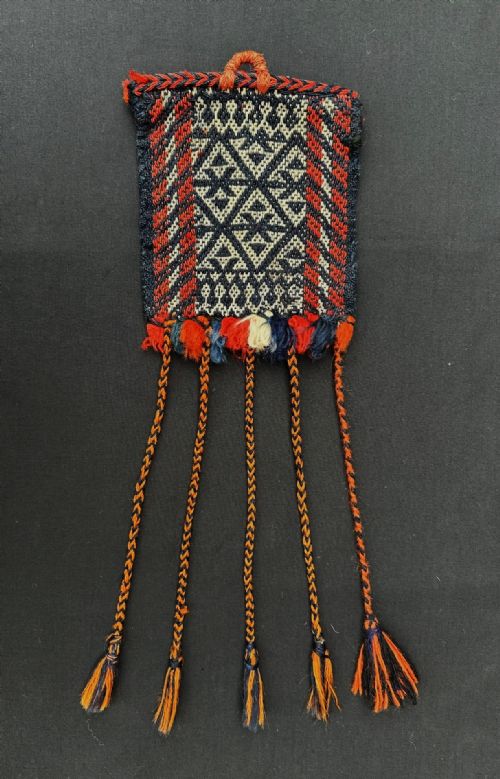
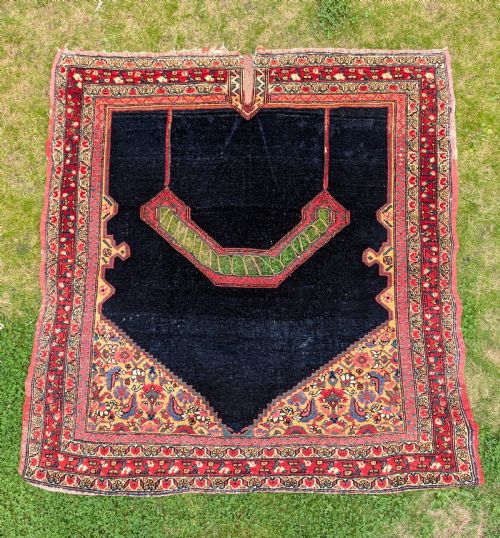
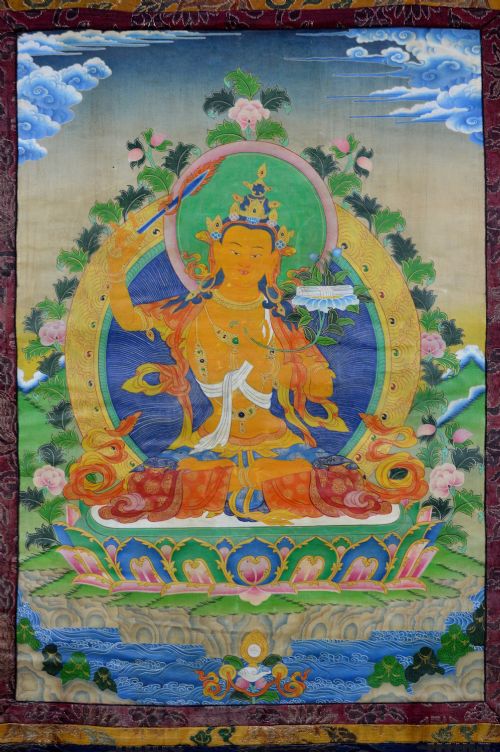
Tribal and folkloric examples feature prominently, encompassing works by Uzbek Lakai tribes, Turkmen groups, and Persian nomads. Alongside these, buyers find European verdure scenes, crewelwork panels, and religious depictions such as Tibetan Buddhist art.
How they were made
Makers utilised natural textile foundations including wool, silk, cotton, canvas, and linen, often combining multiple fibres within a single composition. Metallic thread frequently appears in needlework and embroidery to add reflective detail and texture.
Techniques range from intricate needlework and Berlin work to complex tapestry weaving and crewelwork embroidery. Artisans employed specialised stitches and looped piles, such as plushwork, to build dense, dimensional surface patterns.
Many works incorporate supportive elements like wood frames or glass to preserve fragile fabrics. Regional traditions dictated specific structural methods, from Central Asian felt backing to European loom-woven verdure landscapes.
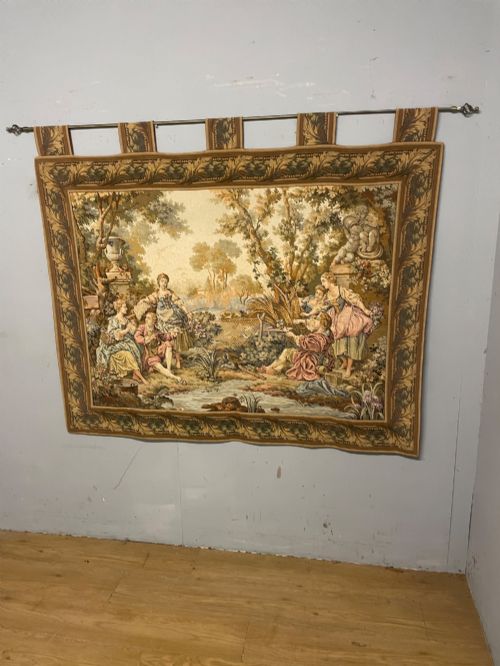
The selection includes Central Asian tribal pieces, Victorian needlework samplers, and French verdure tapestries.
What varies in quality
The standard of execution depends heavily on the precision of the needlework or the complexity of the loom weaving. Finer pieces demonstrate tight, even stitching and sophisticated control over pictorial depth and perspective.
Material selection dictates durability and visual richness, with superior examples utilising lustrous silks or densely spun wools. The complexity of the design, especially in pictorial panels and tribal motifs, separates standard items from exceptional works.
Condition and completeness play a major role, noting how well fragile fibres survive centuries of light and handling. Original framing or mounting methods also influence the overall integrity of the surviving textile.
The Antique Wall Textile Glossary
- Berlin work
- A type of counted-thread embroidery popular in the nineteenth century, worked in wool on canvas using patterned charts.
- Crewelwork
- Embroidery executed in wool yarn on a heavy linen or cotton twill fabric, frequently used for large wall hangings.
- Suzani
- A type of embroidered tribal hanging originating from Tajikistan, Uzbekistan, and other Central Asian nations, typically worked in silk on a cotton ground.
- Tapestry
- A form of textile art woven by hand on a loom, depicting pictorial scenes or verdure landscapes rather than printed designs.
- Sampler
- A piece of needlework produced as a demonstration or test of skill, often displaying alphabets, numerals, and decorative motifs.
Antique Wall Textile: Frequently Asked Questions
How do I hang an antique textile?
Hanging requires distributing the weight evenly across the piece to prevent stretching or tearing along the fibres. Methods usually involve professional conservation mounting or sewing a soft cotton sleeve to the reverse for a concealed rod.
Direct sunlight and heavy interior moisture must be avoided to protect organic materials like wool and silk from fading or decay.
What is a Suzani used for?
Suzanis served primarily as ceremonial items within Central Asian households, often forming part of a bride's dowry. Families utilised them as wall decorations, bed covers, or decorative throws during significant domestic celebrations.
Today, collectors value these bold embroideries primarily as striking wall art that brings vibrant regional patterns into modern interiors.
How are tapestries different from embroideries?
Tapestries are created by weaving coloured threads directly into a warp on a loom, building the image as the fabric itself forms. Embroidery involves stitching decorative threads onto an already woven foundation fabric using a needle.
This structural distinction changes the weight, drape, and textural quality of the finished wall hanging.
Can I date a textile by its materials?
Materials offer broad clues about age, though makers repeated traditional techniques across many decades. Early works often display hand-spun wools and natural dyes, while later nineteenth-century pieces may incorporate Berlin wool or commercial cotton foundations.
Examining the backing materials, stitching style, and regional motifs alongside the fibres helps narrow down the period.