


Hand Embroidered Linen
When you search for hand embroidered linen, you look for textile panels, samplers and coverlets worked in thread across centuries.
Hand Embroidered Linen
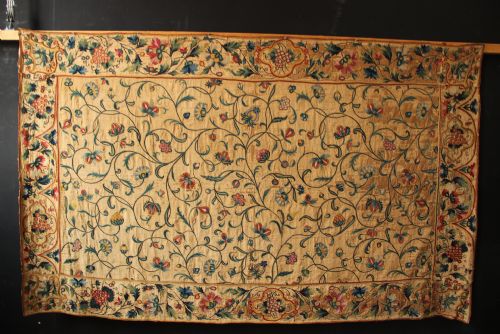
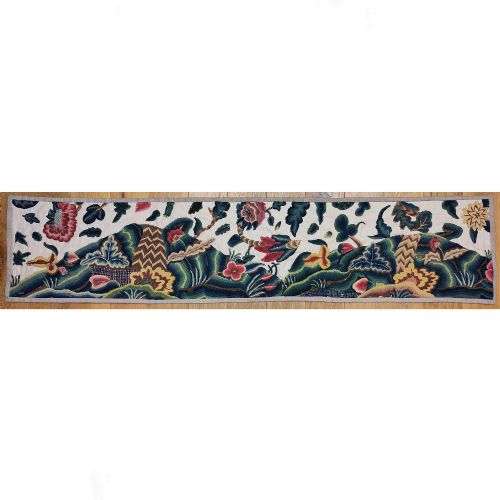
The version you most frequently meet on this page is the nineteenth century needlework sampler or the eighteenth century Greek island textile fragment. These pieces demonstrate traditional needlecraft techniques applied to natural fabrics by historical makers. Each textile carries the distinct aesthetic of its origin, whether English folk art, Jacobean style, or Greek folk art.
What varies in quality
The standard of execution separates simpler educational samplers from masterworks of regional embroidery. Precision in stitch placement, complexity of pattern execution, and the harmonious balance of dyed threads dictate the visual success of a piece. Finer examples display intricate detail within limited dimensions, whilst simpler works rely on repetition and bold outline.
Condition and completeness alter the integrity of surviving textiles. Intact borders, secure stitching, and stable linen grounds elevate a piece above fragments with extensive fibre loss or staining. The survival of original thread colour without significant fading also marks the upper tier of quality.
Listings span periods from the seventeenth century through the Victorian era, utilising linen, silk, wool, and cotton.
The Hand Embroidered Linen Glossary
- Crewelwork
- Embroidery executed with wool thread on a linen or cotton twill ground. This technique often produces dense, textured floral and foliar patterns typical of seventeenth and eighteenth century English textiles.
- Sampler
- A piece of needlework produced by a maker to demonstrate proficiency in various stitches and alphabets. These works frequently record the name of the worker and the date of completion.
- Coverlet
- A decorative bedspread or top covering, often featuring quilted or embroidered linen construction. They provide insight into domestic textile arts of the eighteenth and nineteenth centuries.
- Bedspread
- A large textile designed to cover a bed, sometimes assembled from smaller embroidered borders or panels. Examples from the Greek islands incorporate traditional regional motifs.
- Needlework Picture
- A framed textile composition worked in thread to represent a pictorial scene or text such as the commandments. These items served as wall hangings in historical domestic interiors.
Hand Embroidered Linen: Frequently Asked Questions
How should I clean historic embroidered linen?
Historic textiles require professional conservation rather than standard washing. Water and detergent can damage aged linen grounds and cause fugitive thread dyes to bleed.
Dust gently with a soft brush and keep pieces away from direct sunlight to prevent further fading of the silk and wool threads.
Can I hang these textiles on a wall?
Many panels and samplers suit wall display if mounted correctly by a specialist. Framing behind glass protects fragile fibres from atmospheric dust and physical handling.
Ensure mounts use acid-free materials and that the textile does not bear its own weight unsupported within the frame.
What is a needlework sampler?
A sampler is a practice piece created by individuals to showcase their mastery of various stitches, alphabets, and motifs. Young makers often worked them as part of their education.
Signed and dated examples provide direct records of individual makers and historical domestic practices.
How do I identify Greek island embroideries?
Greek island pieces, such as those from Skyros or Crete, typically feature distinct geometric and floral motifs worked in bright or muted thread on linen grounds. They frequently originate as border fragments from larger bedsheets.
Comparing the specific stitch vocabulary to documented regional styles helps confirm the geographic origin.
What is English crewelwork?
English crewelwork is embroidery utilising wool thread on linen, popular during the seventeenth and eighteenth centuries. The designs often incorporate swirling tree of life motifs, exotic birds, and large floral elements.
Early examples display dense stitching and sophisticated colour palettes developed from natural dyes.