

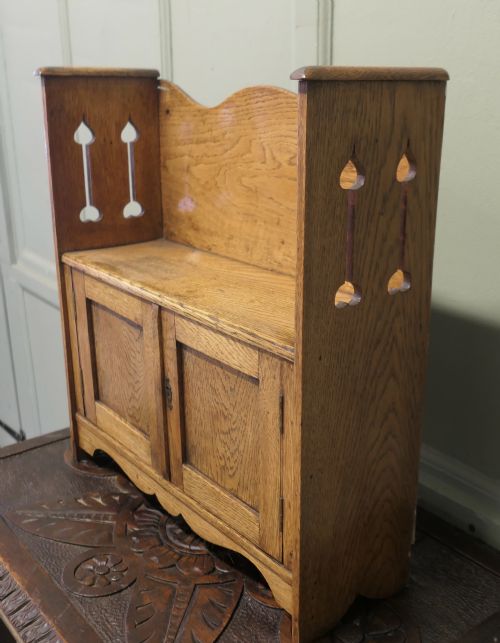
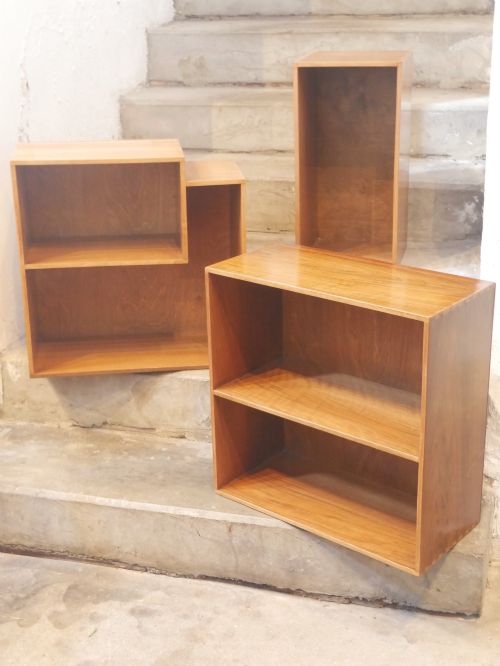
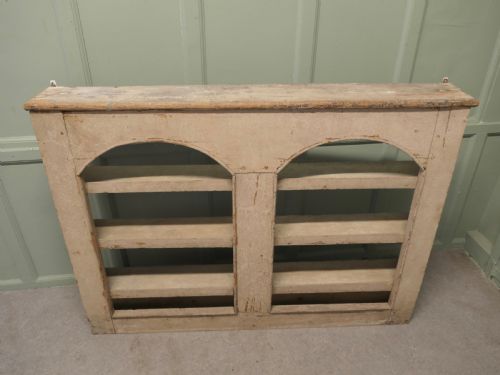
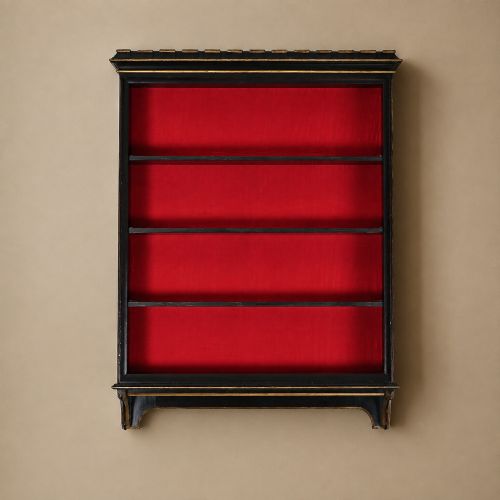
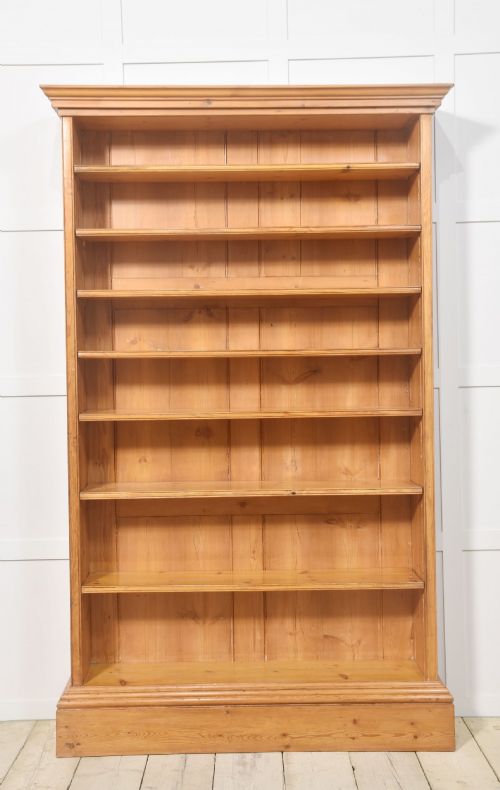
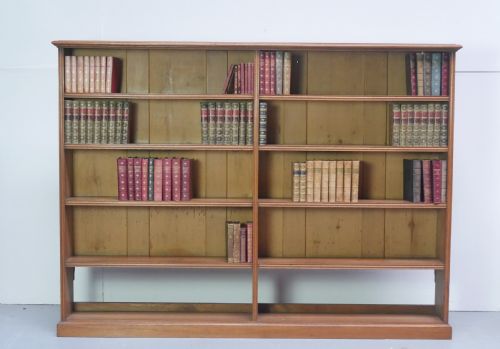


Antique Wall Shelf Cabinet
An antique wall shelf cabinet organises small spaces by lifting storage off the floor while framing cherished objects.
Antique Wall Shelf Cabinet
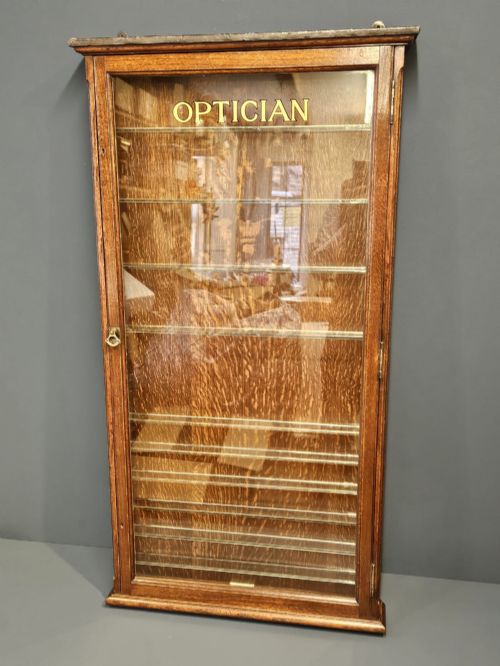
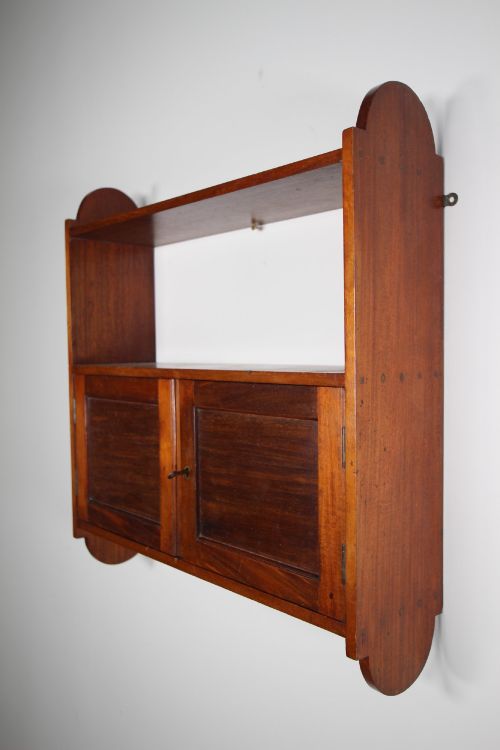
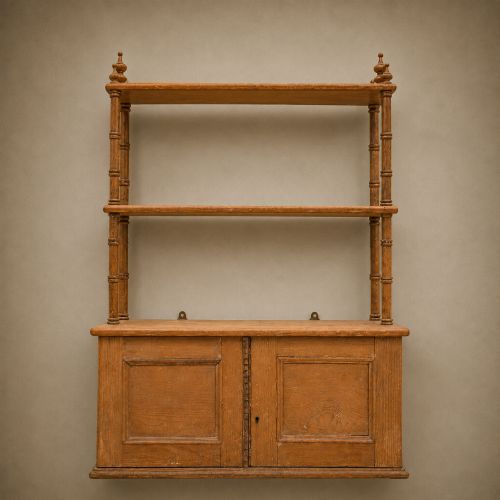
These pieces combine open display shelving with enclosed cupboard storage designed to hang directly on a wall or fit neatly into a corner. When you search for an antique wall shelf cabinet, you encounter versatile hanging furniture built to serve specific rooms from the kitchen to the reception hall.
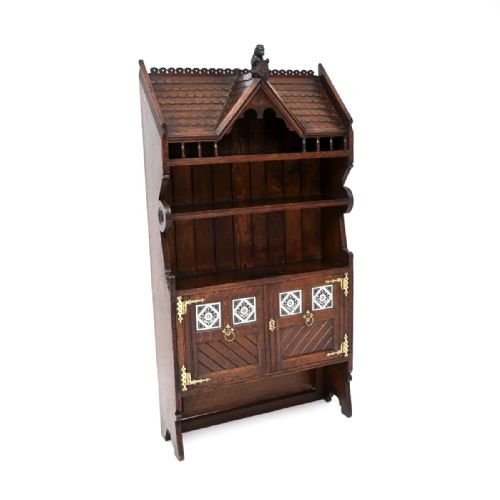
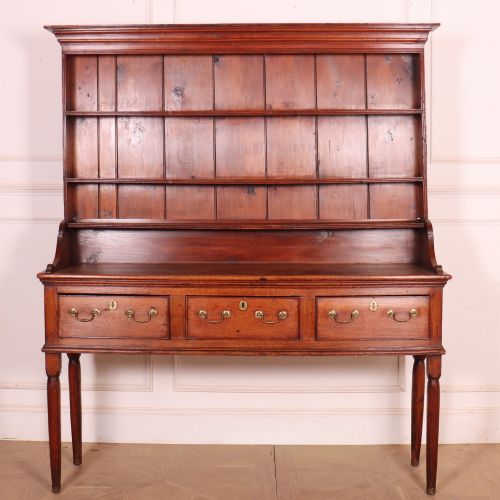
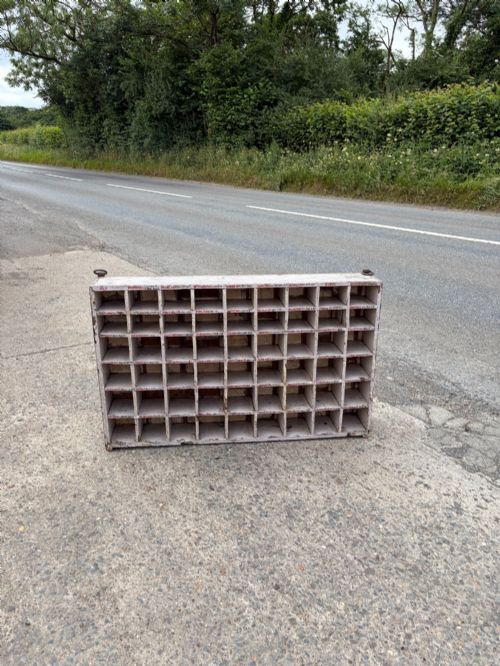
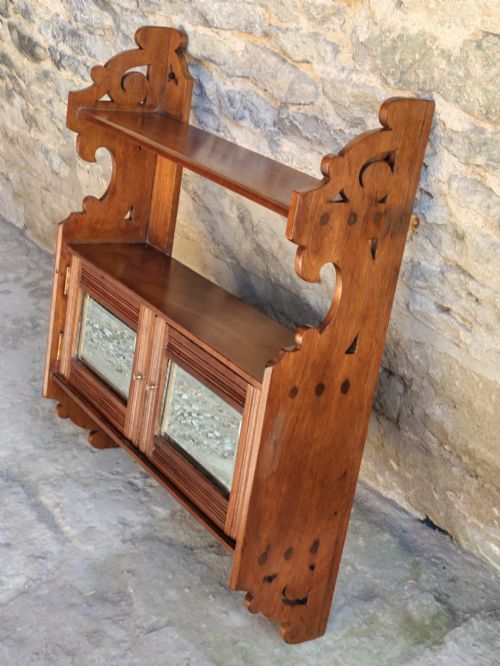
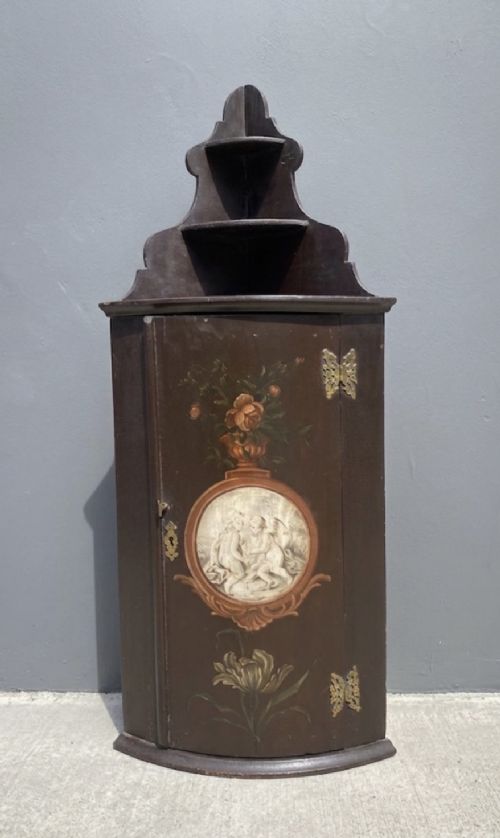
The selection ranges from Georgian mahogany hanging corner cupboards and Victorian walnut wall cabinets to Edwardian display cases and early twentieth century pigeon holes. Pine and oak versions often reflect practical domestic origins, while walnut, mahogany, and satinwood pieces tend to display more decorative ambitions.
Open wall shelves and glazed display cabinets appear frequently alongside enclosed cupboards with tambour fronts or panelled doors. These variations reflect the changing storage needs of households across the eighteenth, nineteenth, and early twentieth centuries.
Materials and construction methods
Cabinet makers utilised a range of timbers including native oak, pine, and beech alongside imported hardwoods like mahogany, walnut, and amboyna. Solid construction techniques typically involve dovetailed joints for drawers and mortise and tenon frames for doors and hanging structures.
Surfaces receive diverse treatments spanning from clear wax polishing on walnut and mahogany to painted finishes on eighteenth-century pine and corner cupboards. Giltwood, gesso, and ebonising appear on pieces influenced by the Aesthetic Movement and Gothic Revival styles.
Brass hardware, including hinges, latches, and key escutcheons, secures the doors of hanging cupboards, while glass panels protect contents in display variations. Structural integrity relies on sturdy backboards and secure hanging brackets capable of supporting loaded shelves.
Antique Wall Shelf Cabinet Retail Price Guide 2026
Typical asking prices for wall shelf cabinet among the pieces listed under this phrase on Sellingantiques today, from the lower quarter to the upper quarter. They describe what is for sale here now, not the wider market.
Listings feature items spanning the 18th century, Victorian era, Edwardian period, and early 20th century, constructed from oak, mahogany, walnut, and pine.
Distinctions in craftsmanship and design
The upper tier of pieces displays superior timber selection, evident in well-figured mahogany grain, book-matched walnut veneers, or finely carved limewood and giltwood details. Maker attribution and documented provenance separate standard utility cupboards from pieces conceived by notable designers and firms.
Construction refinement marks the difference between basic joinery and sophisticated cabinet work, such as smooth-running tambour fronts, tight corner joints, and well-proportioned mouldings. Original glass, hardware, and surface patination preserve the integrity of the piece against later alterations or heavy restoration.
John Moyr Smith·George Edmund Street·Arthur Simpson·Town and Emanuel
The Antique Wall Shelf Cabinet Glossary
- Tambour
- A flexible shutter door constructed from narrow vertical strips of wood glued to a canvas backing. This mechanism allows smooth movement around curved cabinet fronts.
- Etagere
- A set of open tiered shelves used for displaying ornaments or small objects. These pieces often feature delicate upright supports.
- Gesso
- A plaster-like mixture applied to wood surfaces as a base for gilding or painting. It allows intricate low-relief ornamentation to be moulded onto the frame.
- Corner cupboard
- A triangular cabinet designed to fit directly into the corner of a room. These utilise otherwise wasted wall space for storage or display.
- Pigeon holes
- A series of small open compartments stacked together for sorting papers, letters, or small items. They commonly appear in office or hallway furnishings.
Antique Wall Shelf Cabinet: Frequently Asked Questions
How do I hang a heavy antique wall cabinet safely?
Check the condition of the original backboards and hanging brackets before installation. Use appropriate wall fixings suited to your wall type to bear the weight of the timber and contents.
Distribute the weight evenly across the fixing points. Consult a professional installer if the cabinet lacks secure original hanging hardware.
Were these cabinets originally made for specific rooms?
Many designs served particular domestic functions, such as corner cupboards in dining rooms, shaving cabinets in bedrooms, and key cabinets in reception halls. Kitchen racks and pigeon holes fulfilled practical utility roles.
Over time, owners adapted these pieces to suit modern living spaces. Their compact proportions make them suitable for hallways, kitchens, and studies today.
How do I tell an 18th-century cupboard from a Victorian copy?
Examine the timber preparation methods and tool marks visible on the unpolished interior surfaces. Eighteenth-century pieces frequently show hand-sawn board marks and traditional joinery details.
Check the hardware and screws for period consistency, noting that machine-made screws and modern brass plating typically indicate later manufacture or replacement.
Can I store heavy books on these wall shelves?
Most hanging wall cabinets and open shelves are designed for light display items, ceramics, or small books rather than heavy volumes. Assess the depth of the shelves and the strength of the side supports before loading them.
Use lower floor-standing bookcases for heavy collections. Reserve wall-mounted shelving for lighter ornaments, glassware, and decorative objects.