
Antique Wall Portrait Painting
An antique wall portrait painting brings centuries of character into a room through the rendered likeness of a notable sitter.
Antique Wall Portrait Painting
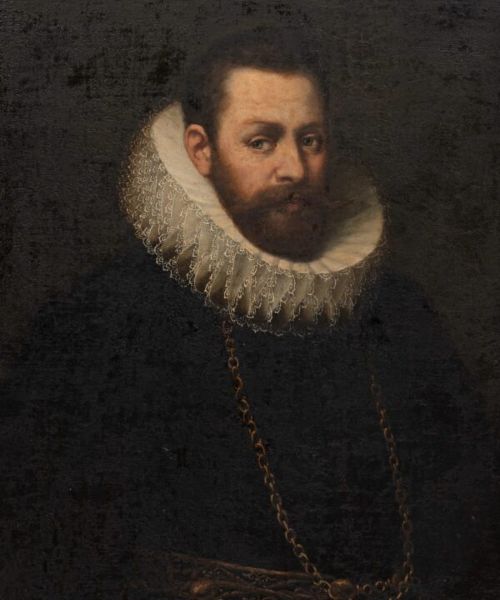
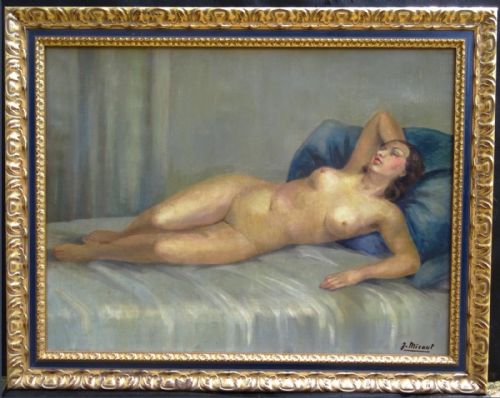
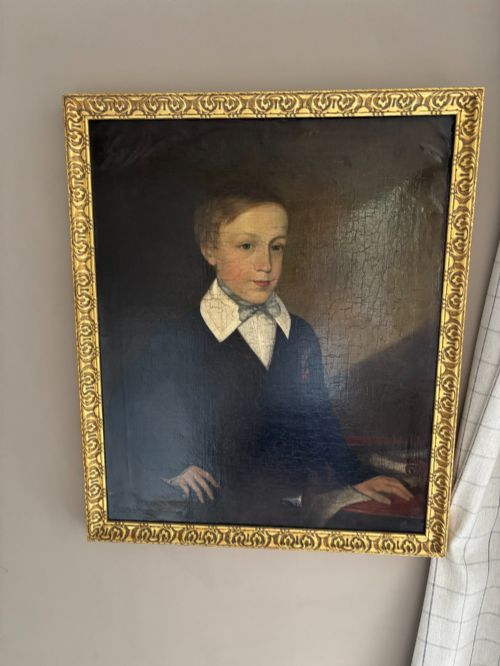
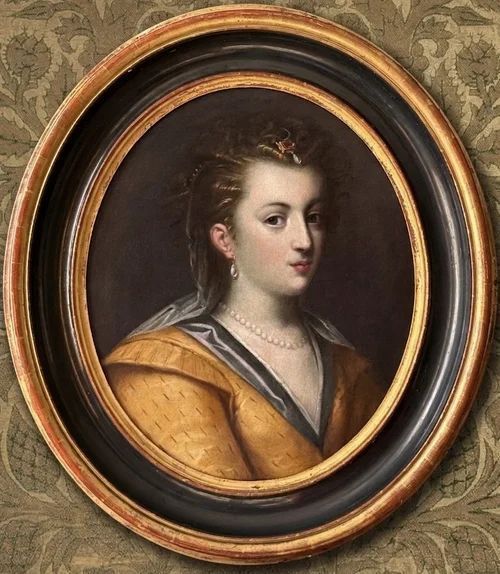
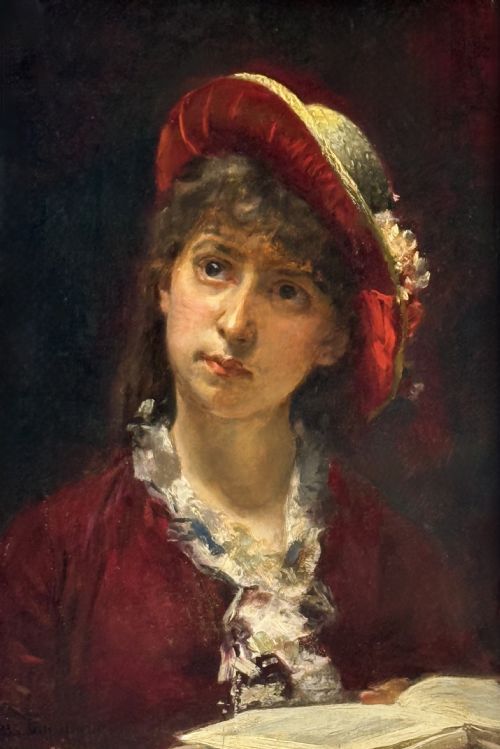
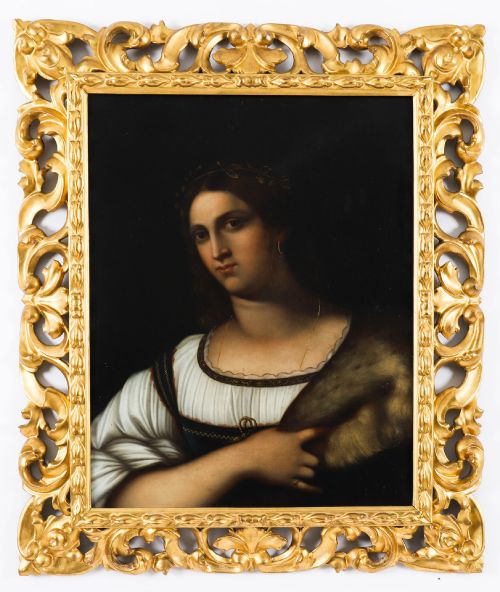
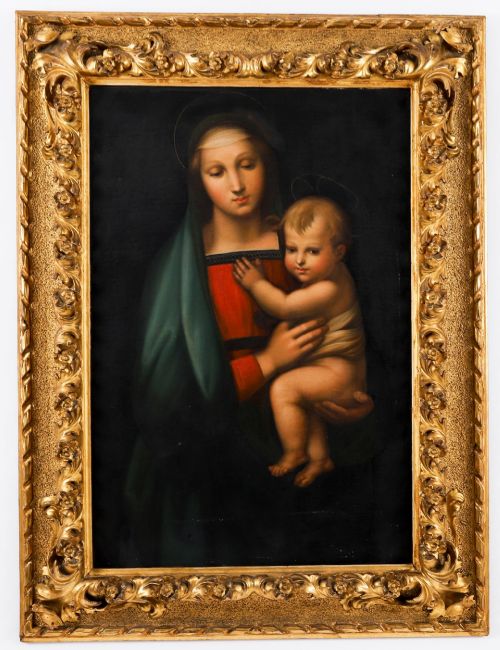
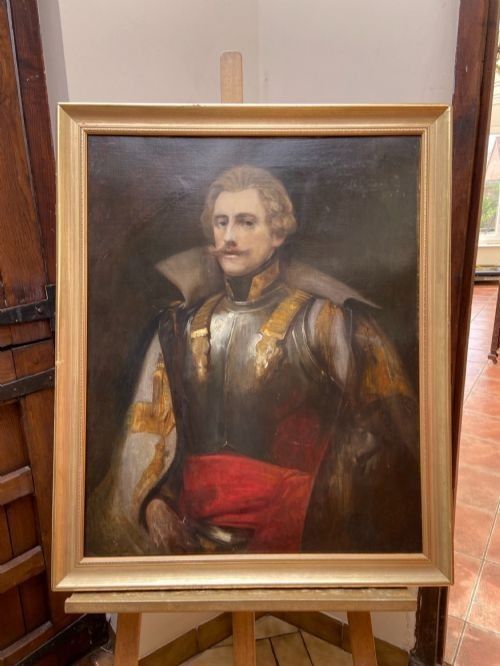
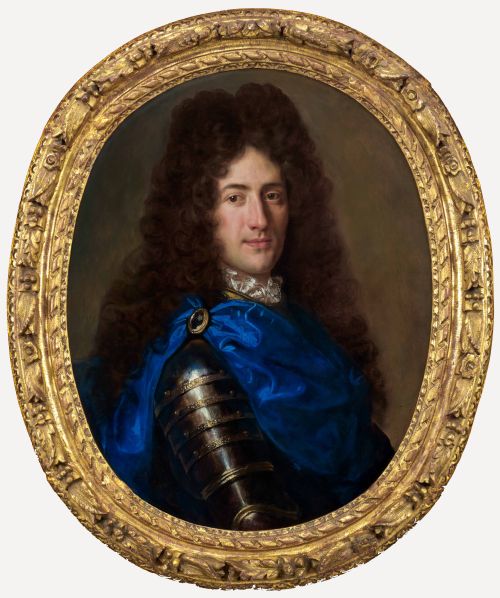
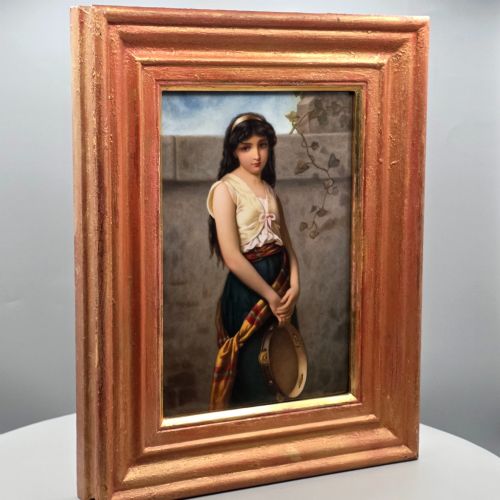
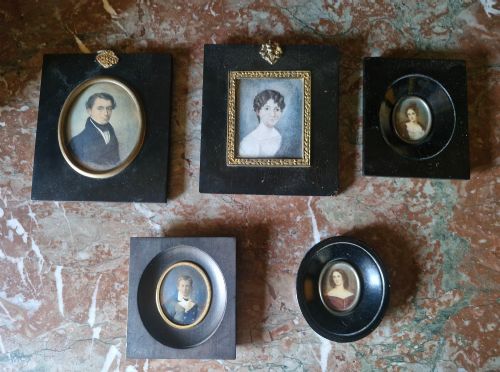
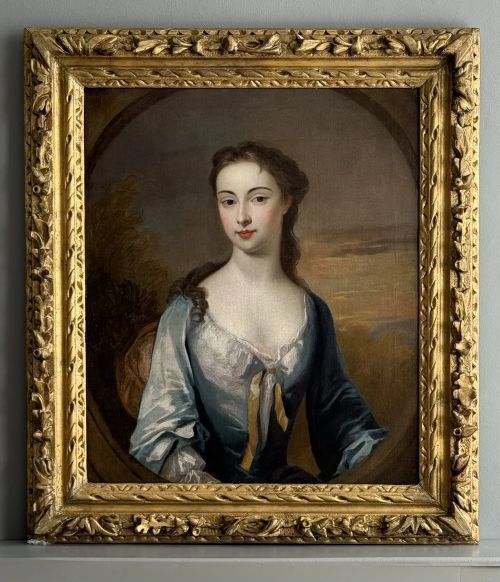
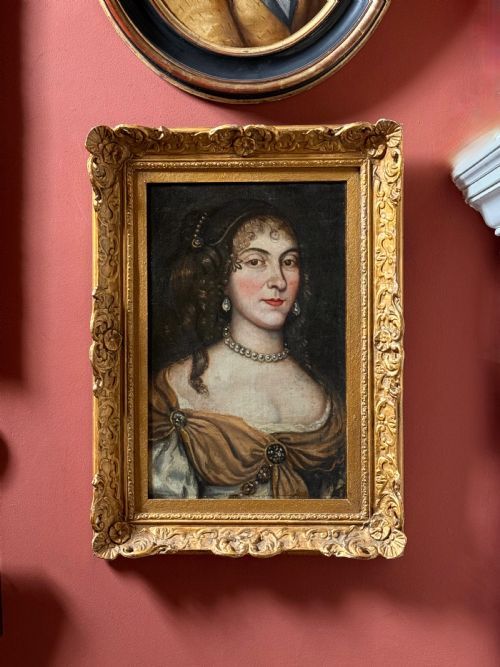
When searching for an antique wall portrait painting, collectors encounter a diverse array of likenesses spanning multiple centuries, from austere seventeenth-century nobility to nineteenth-century realists and early twentieth-century pastels. These works capture individual identities through formal oil on canvas compositions, intimate panel paintings, and delicate portrait miniatures intended for domestic display.
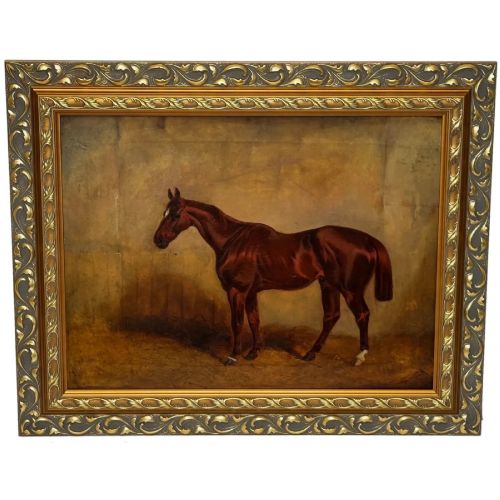
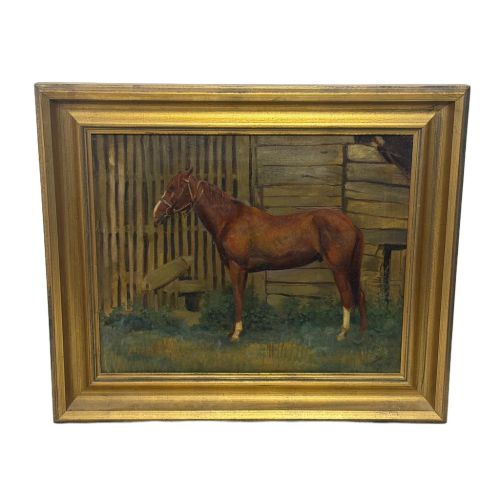
The pieces on this page originate from distinct historical periods including the Baroque, Georgian, Regency, and Victorian eras, alongside specialised pith paintings and decorative porcelain plates. Subjects range from named historical figures and architects to anonymous sitters, nobility, and even domestic animals captured by regional British and continental schools.
Materials and Techniques
The physical construction of these works relies heavily on oil paint applied to stretched canvas or wooden panels, often framed in heavy giltwood or wood mouldings that accentuate the depth of the composition. Artisans also utilised watercolours, pastel on paper, and reverse printing techniques on glass to achieve varied surface textures and tonal gradations.
Grounds were prepared meticulously before the application of pigments, allowing fine details in costume, lace, and facial expression to endure across centuries. Gilding with gold leaf on wooden frames added an opulent architectural boundary that separated the painted subject from the surrounding wall.
Listings span multiple centuries, incorporating oil on canvas, wood panels, giltwood frames, and glass.
Defining Quality in Portraiture
Superior execution shows in the psychological depth of the sitter's expression, the precise rendering of hands and textiles, and the harmonious balance of shadow and light across the canvas. Master painters achieved a lifelike presence through confident brushwork and anatomical accuracy, whereas lesser works from provincial schools often display stiff proportions and flat, unmodelled flesh tones.
The integrity of the original support system and the preservation of the paint layer also dictate overall merit. Works that retain their untouched stretcher frames and unlined canvases without extensive modern overpainting command greater regard among discerning collectors.
Sir Godfrey Kneller·Sir Joshua Reynolds·Sir Peter Lely·Joseph Clover·Anthony Van Dyck
The Antique Wall Portrait Painting Glossary
- Giltwood
- Wood that has been coated with a thin layer of gold leaf or powder for decorative effect. This finish is commonly found on the ornate frames enclosing historic oil paintings.
- Portrait Miniature
- A small, highly detailed painting executed on vellum, copper, or card. These intimate pieces were often created as personal tokens of affection or remembrance.
- Panel Painting
- A work executed on a flat piece of wood rather than stretched canvas. This rigid support method was prevalent during earlier centuries before canvas became universally adopted.
- Provenance
- The documented history of ownership associated with a work of art. A clear lineage helps verify the authenticity and historical context of a portrait.
- School
- A stylistic grouping of artists working in a particular region and period under shared aesthetic influences. Identifying the school often aids in attributing unsigned works.
Antique Wall Portrait Painting: Frequently Asked Questions
How do I identify the period of a portrait?
Dating typically relies on the sitter's costume, hairstyle, and the construction methods of the canvas or wooden panel. Frame styles and handwritten inscriptions on the reverse also provide crucial chronological markers.
Examinations of pigment types and stretcher bars further assist specialists in narrowing down the exact decade of creation.
Where should I hang a large oil portrait?
These commanding works suit principal reception rooms or hallways with high ceilings where adequate wall space allows the composition to breathe. Traditional placements feature prominent wall locations above fireplaces or console tables.
Care should be taken to avoid direct sunlight, which can cause fading and degradation of organic pigments over time.
What is the difference between an oil on canvas and a panel painting?
Canvas paintings utilise a flexible woven fabric stretched over a wooden frame, allowing for larger formats and textured brushwork. Panel paintings employ rigid wooden boards that provide a completely smooth surface for minute, highly finished details.
Both mediums require stable indoor humidity levels to prevent warping or canvas slackening.
Are unsigned antique portraits worth collecting?
Unsigned works frequently offer exceptional artistic quality and historical insight without the premium attached to a documented master's signature. Many fine portraits were produced by competent regional studios or anonymous school painters.
Evaluating the draughtsmanship and subject matter remains more important for enjoyment than finding a known artist's mark.