


Antique Wall Panel
An antique wall panel brings centuries of carved timber, painted canvas or woven textile directly into the fabric of a room.
Antique Wall Panel
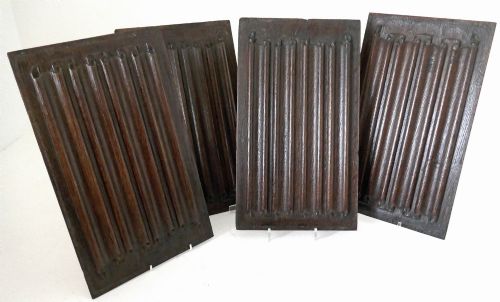
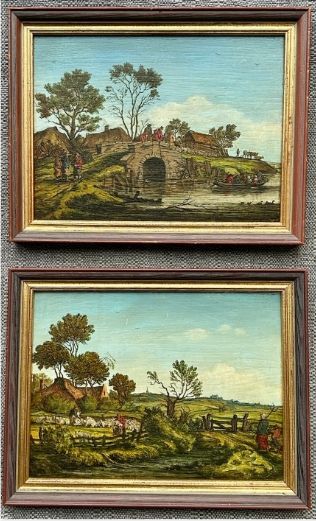
When searching for an antique wall panel, a buyer encounters architectural salvage, framed oils on wood, carved oak linenfold sections, and textile hangings. These items originate from periods spanning the sixteenth century through the twentieth century, reflecting domestic interiors, religious spaces, and decorative arts.
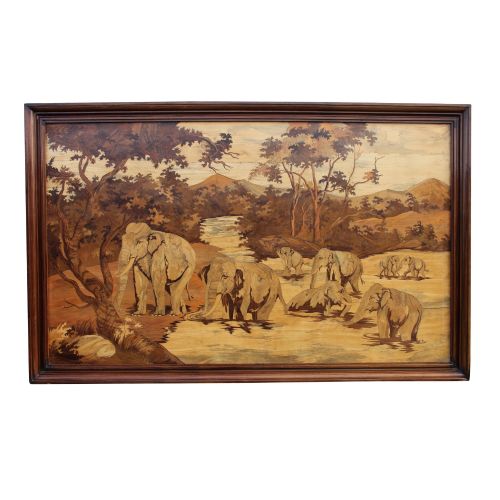
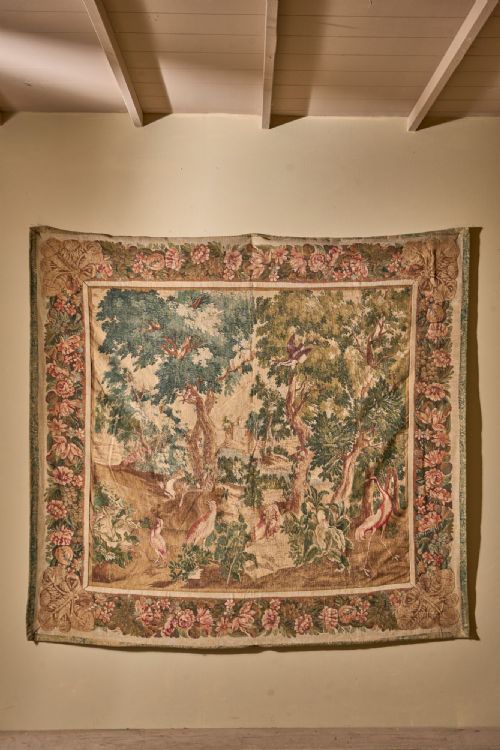
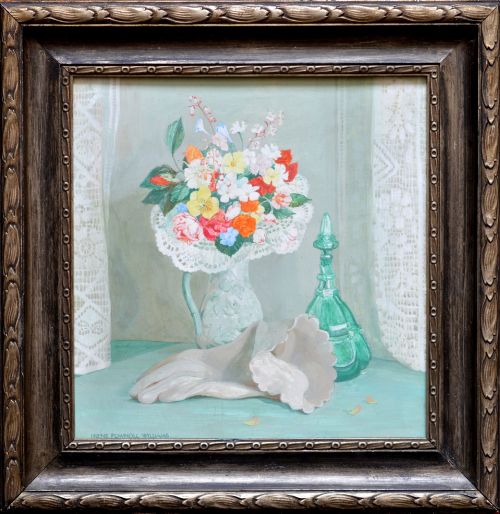
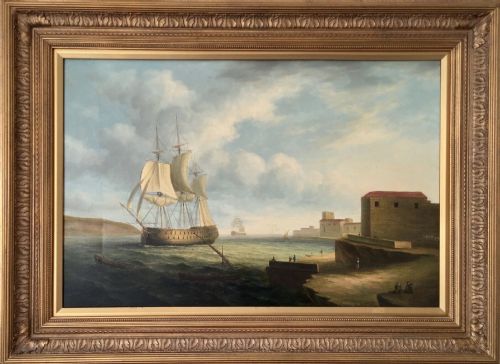
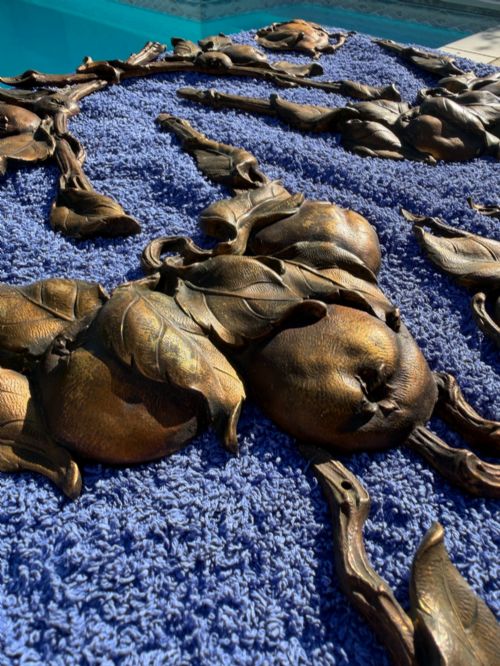
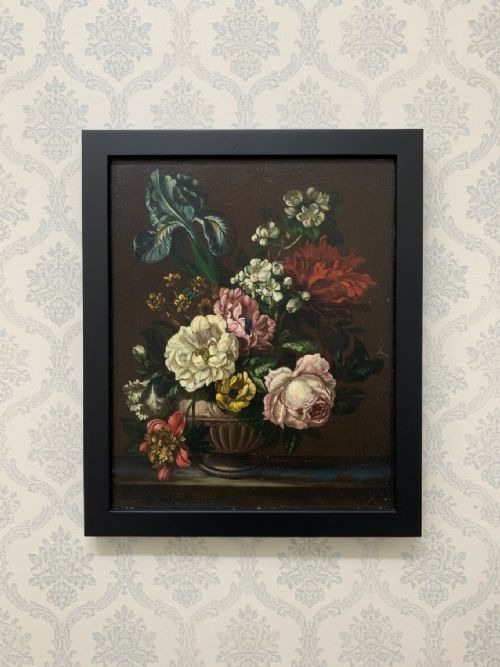
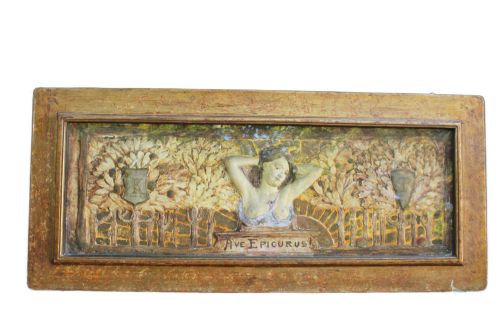
The most common versions met on this page include heavy oak architectural carvings, painted wood panels depicting figural or still life scenes, and needlepoint or silk wall hangings framed for display. Many function independently as wall art, while others survive from dismantled screens, cabinets, and room linings.
Materials and construction
Wood serves as the primary substrate, predominantly solid oak in early British and European examples, alongside pine, giltwood, and various fruitwoods. Artisans shaped these timbers using hand chisels for high-relief carvings, joinery for panel assemblies, and applied mouldings.
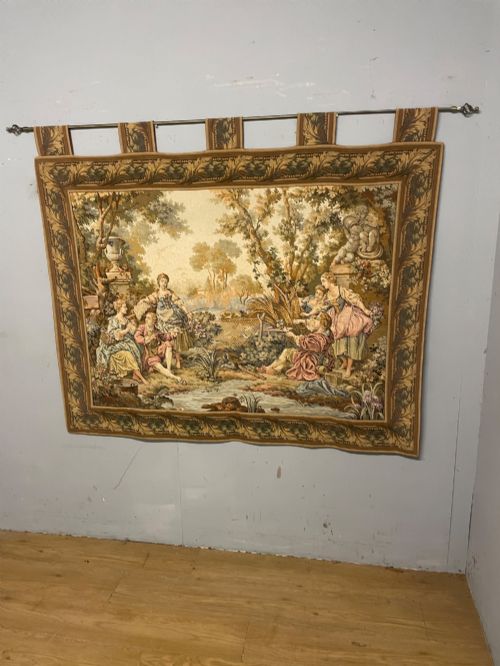
Surface decoration frequently involves oil paint, tempera, or gold leaf applied directly to wood or canvas. Textile panels utilise wool, silk, and cotton threads worked in needlepoint, embroidery, or tapestry weaves, often mounted within original wooden or gilt frames.
Listings feature wood, silk, wool, and brass across periods ranging from sixteenth-century carvings to twentieth-century decorative arts.
Factors determining quality
Depth and crispness of hand carving distinguish superior wooden examples from simpler or later machine-cut work, with sixteenth and seventeenth-century pieces showing distinct tool marks. The integrity of the original surface finish, whether aged oak patina, historic polychrome paint, or untrimmed needlework, dictates authenticity.
Material rarity and artistic execution separate standard decorative items from exceptional works, such as signed oil paintings on panel or finely detailed heraldic needlework. The survival of original framing, backing, and mounting hardware further influences the standing of each piece.
Joseph Clover RA·Poix Blin·Tom Campbell·W Klombeck·Hendrik Willem Schweickhardt·Raymond Subes
The Antique Wall Panel Glossary
- Linenfold
- A style of wood carving popular in the Tudor period that imitates folded fabric or linen cloth. It appears frequently on sixteenth-century panels.
- Oil on panel
- A painting technique using oil pigments applied to a prepared wooden board rather than canvas. This medium provides a rigid and durable surface.
- Needlework
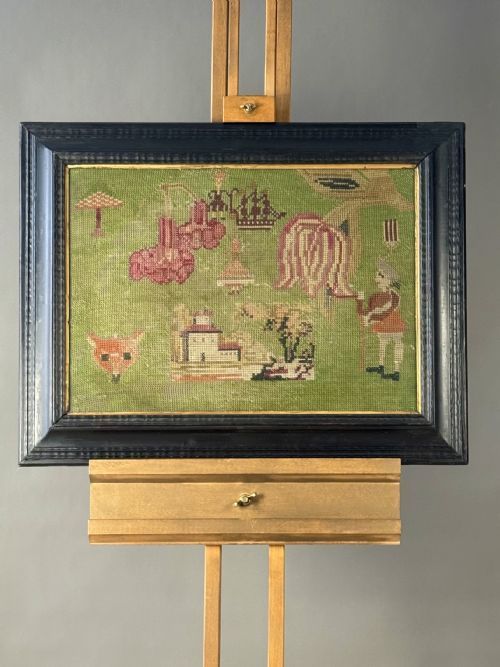
- Designs worked with a needle and thread upon a ground fabric such as canvas or wool. Examples include Victorian samplers and Berlin work.
- Trumeau
- A decorative wall mirror featuring an oil painting or carved panel positioned above the glass plate. These often originate from nineteenth-century France.
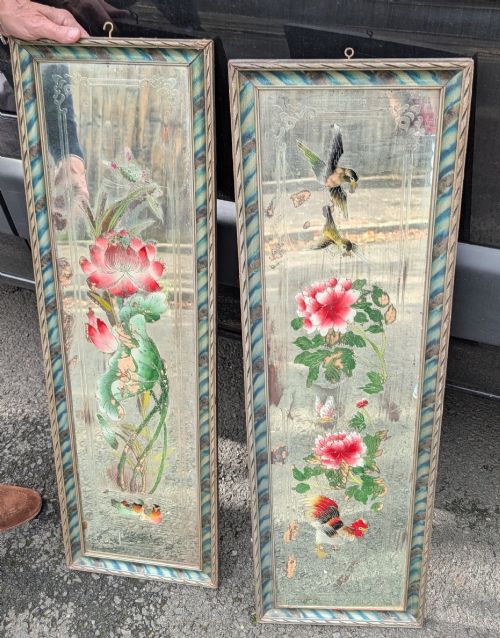
- Chinoiserie
- European decorative style inspired by Chinese artistic traditions and motifs. It appears on lacquered and painted screens or panels.
Antique Wall Panel: Frequently Asked Questions
How do I hang a heavy wooden panel?
Heavy carved wood and architectural panels require secure fixing directly into wall studs or masonry using appropriate steel brackets and batten systems. Professional installation ensures the weight distributes evenly across the structure.
Lighter framed textiles and small painted panels utilise standard picture wire and heavy-duty picture hooks rated for the specific weight of the object.
Were these panels always used on walls?
Many architectural pieces originated as parts of larger decorative schemes, including wall linings, altarpieces, furniture doors, or folding room screens. They were later adapted into independent wall hangings or framed art.
Other items, such as oil paintings on wood and needlework samplers, were created specifically for display within domestic interiors from the outset.
How should I clean an antique textile panel?
Textile panels made from silk, wool, or cotton require gentle surface dust removal using a soft brush with a vacuum cleaner fitted with a mesh screen. Moisture and chemical cleaners damage historic fibres and pigments.
Professional textile conservators should handle deep cleaning or structural repairs for fragile tapestries and needlework pieces.
What is the difference between an oil painting on canvas and panel?
Paintings on panel utilise rigid wooden supports, such as oak or mahogany, which prevent the canvas flexing and reduce cracking in early works. This substrate provides a smooth, stable ground for detailed brushwork.
Canvas relies on woven fabric stretched over a wooden frame, which became more common for larger paintings from the seventeenth century onward.