
Antique Wall Needlework
Antique wall needlework encompasses framed pictures, samplers, and textile panels worked in silk, wool, and cotton across several centuries.
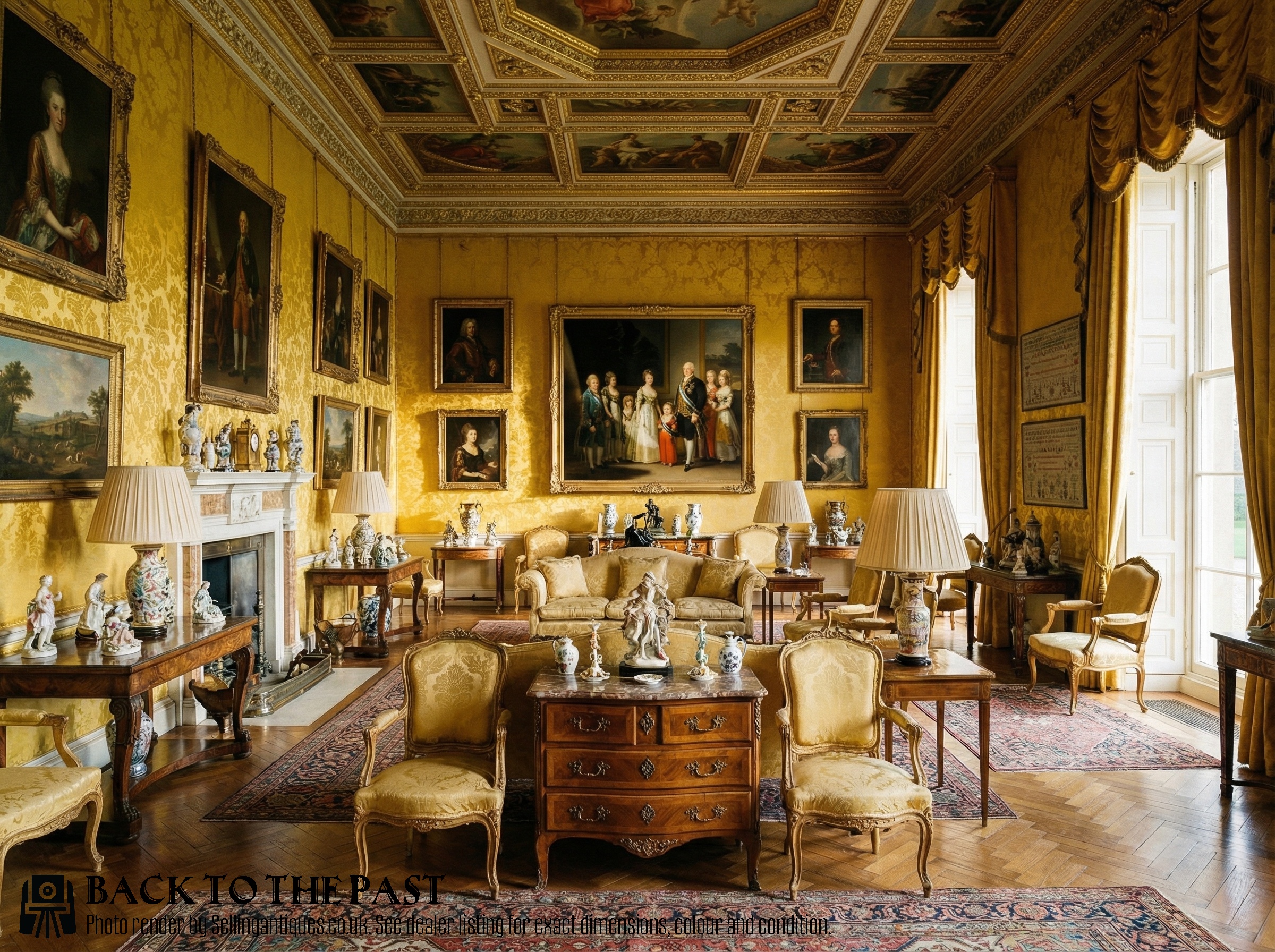
Antique Wall Needlework
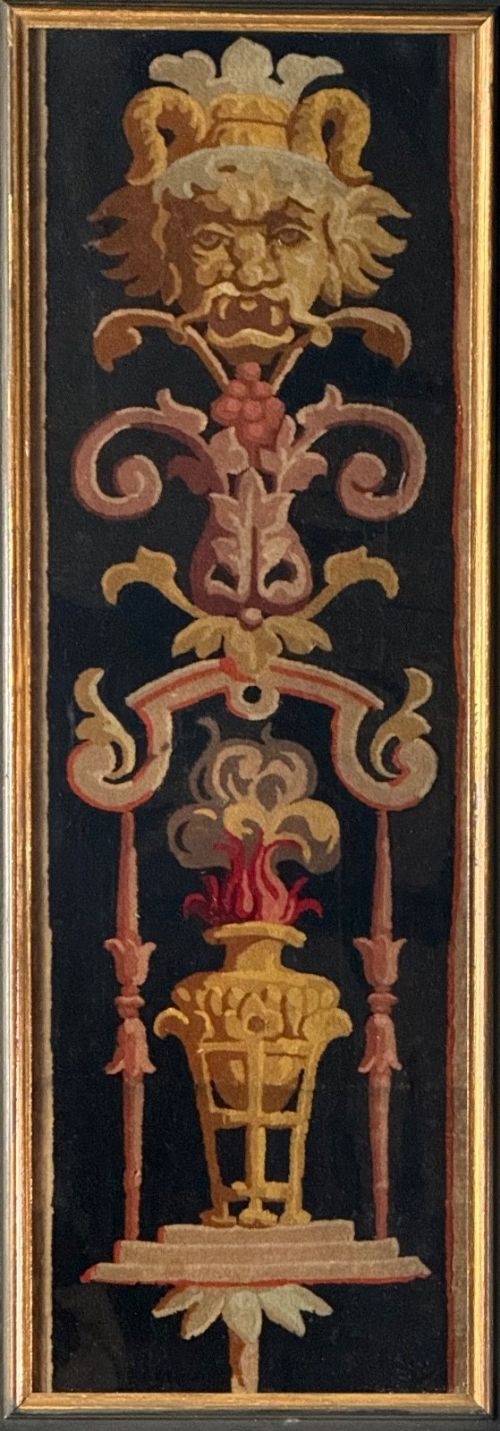
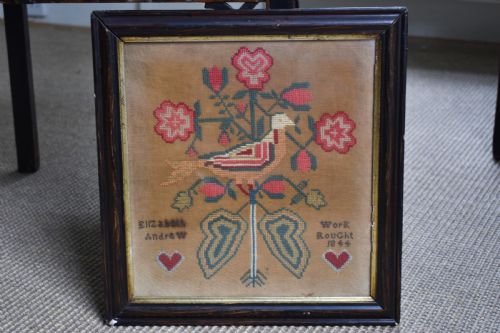
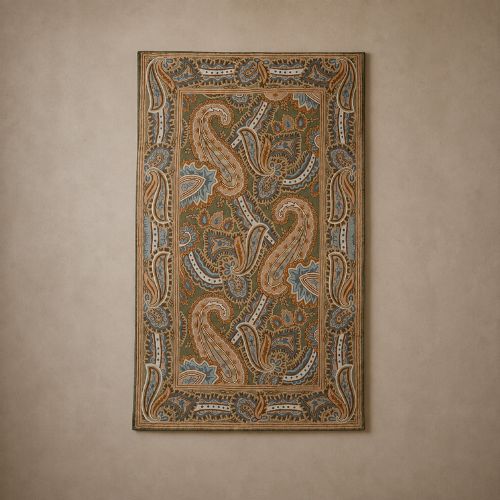
When you search for antique wall needlework, you encounter framed textile art spanning the seventeenth to the early twentieth century. The selection includes needlework pictures, alphabets and samplers, tapestries, and Central Asian suzanis intended for display.
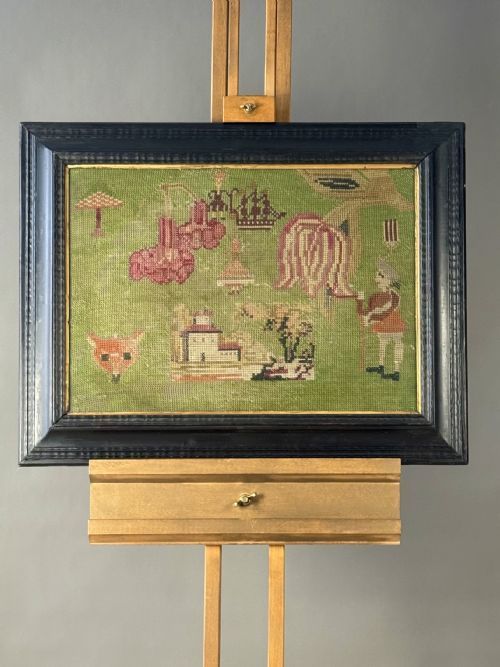
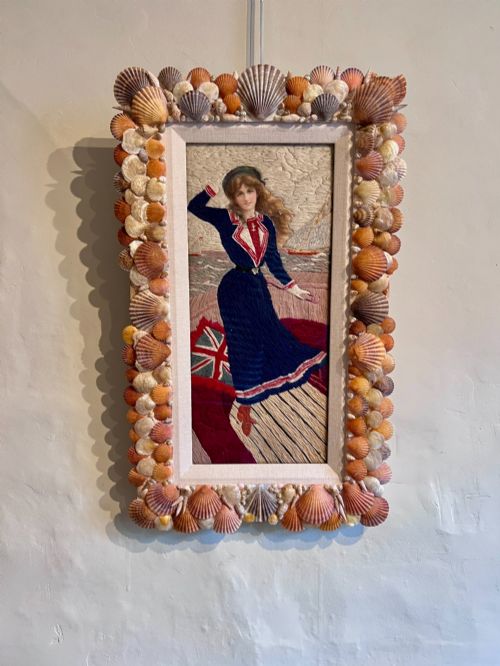
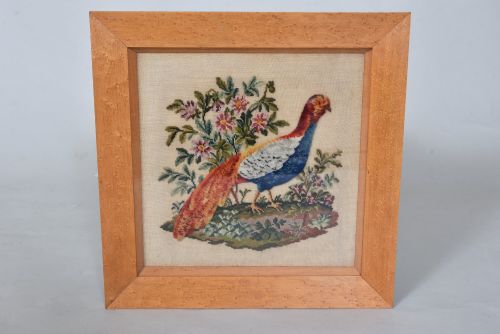
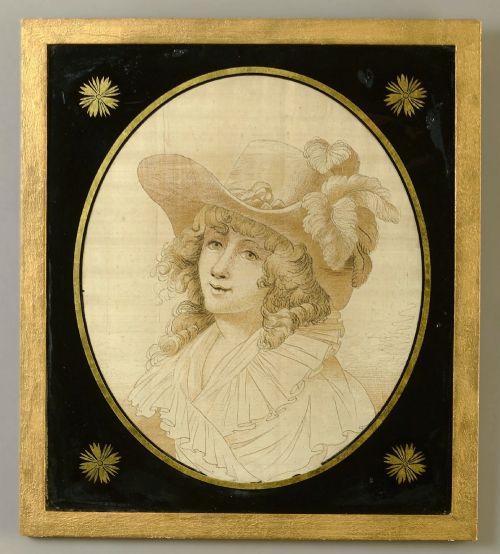
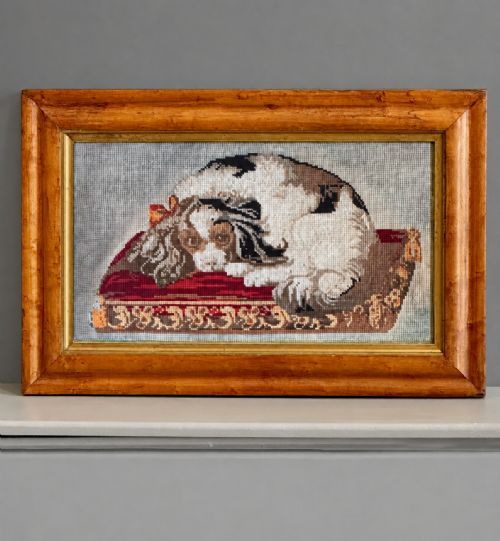
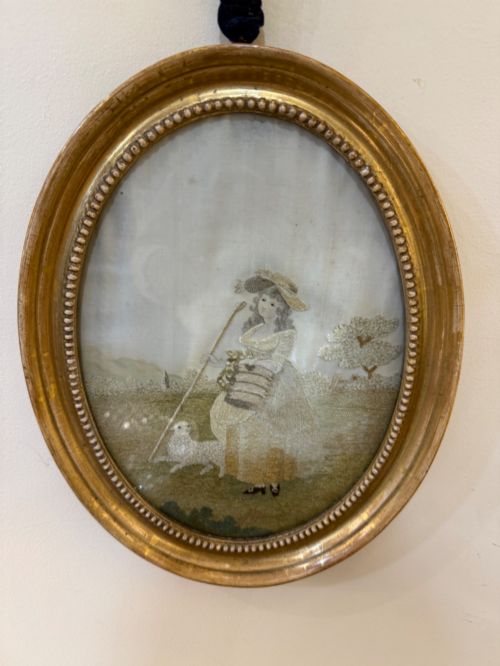
Victorian woolwork pieces and nineteenth-century Berlin work depicting animals, portraits, and domestic scenes appear most frequently on this page. Earlier examples include seventeenth-century stumpwork panels and eighteenth-century pastoral embroidered pictures.
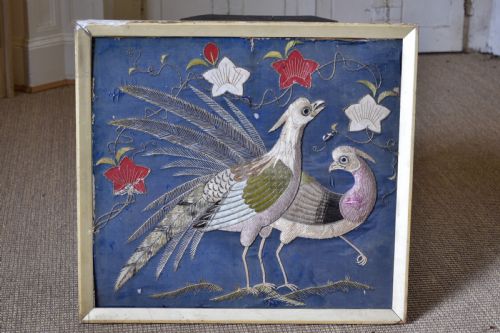
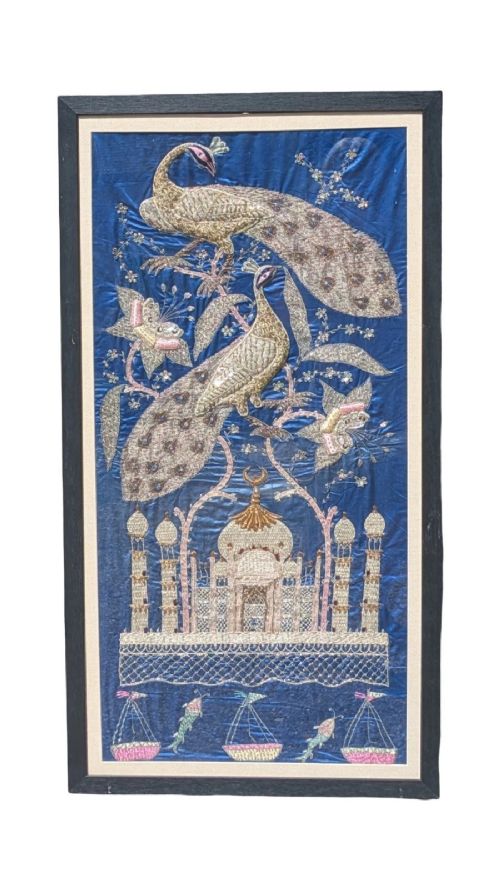
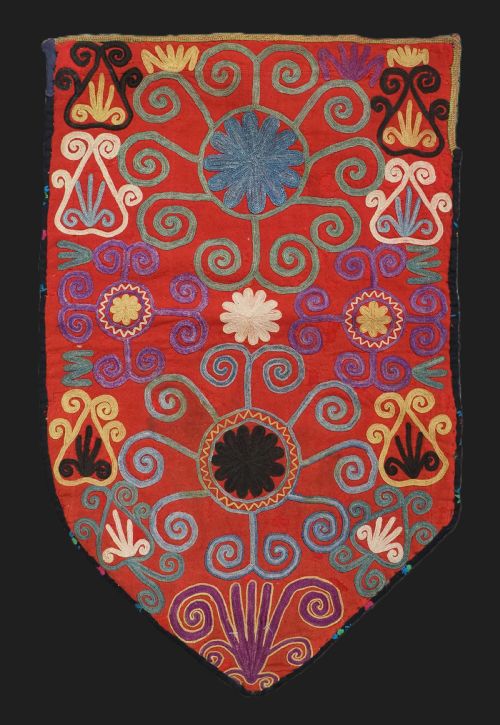
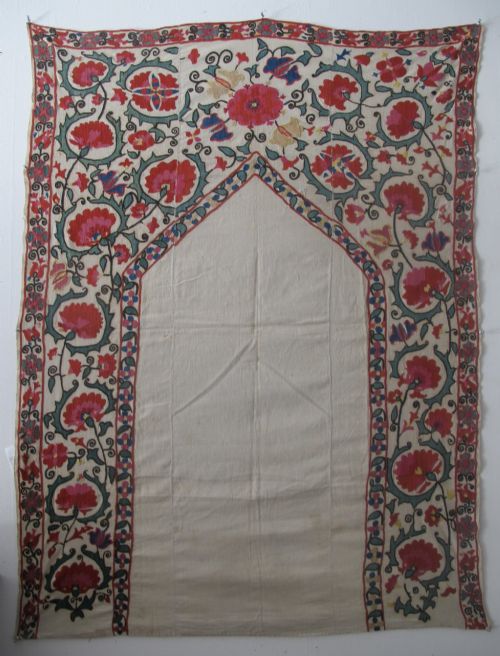
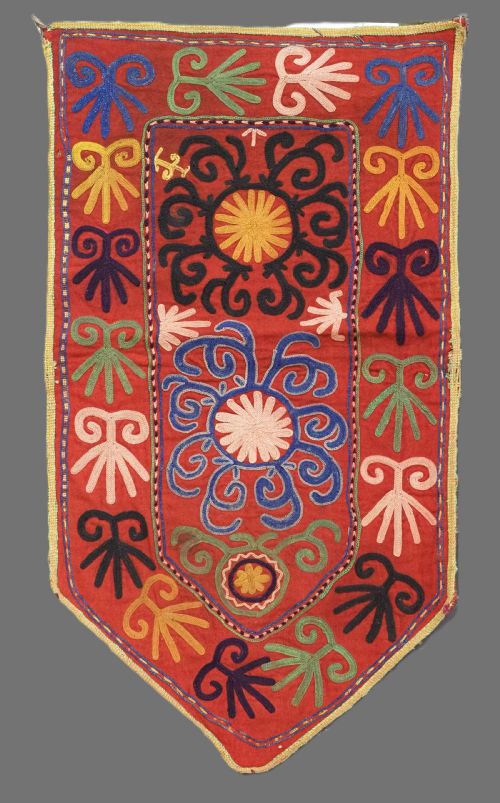
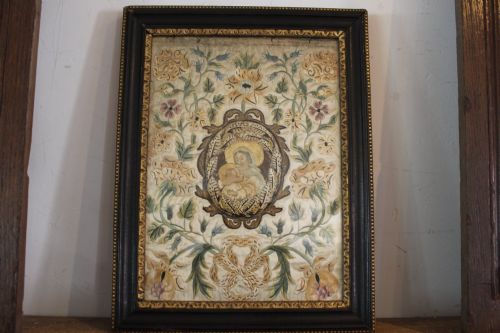
The inventory also reaches to Central Asian tribal items such as Lakai uut kap ilgich and Uzbek bed cover suzanis worked in silk floss on cotton or silk grounds. Regional European textiles, including French silk embroideries and Greek island bedsheet borders, round out the variety.
How they were made
Maker materials combine natural grounds such as linen, cotton, canvas, and woven silk with embroidery threads of wool, silk floss, and metal-wrapped yarn. Many panels rely on wool work or Berlin woolwork executed on canvas grids using shaded yarn.
Stitch techniques vary by period, ranging from early stumpwork relief and crewelwork embroidery to petit point tapestries and flat silk stitching. Finished textiles are frequently mounted in period surrounds such as burr maple, rosewood, or giltwood frames with glass protection.
Materials span silk, wool, cotton, linen, and canvas, mounted within giltwood, rosewood, and burr maple frames.
What varies in quality
Quality rests upon the precision of the stitchwork, the complexity of the design, and the survival of the original ground materials and framing. Finer examples display meticulous needle control, detailed facial expressions in figures, and vibrant, well-matched colour palettes in the silk or wool threads.
The condition of the textile ground also dictates value, as undisturbed early linen or canvas without heavy degradation supports the structural integrity of the embroidery. Original frames, particularly burr maple or giltwood surrounds housing the piece for generations, elevate the historic context.
The Antique Wall Needlework Glossary
- Berlin work
- A type of nineteenth-century needlepoint embroidered in coloured wool on a canvas grid, often following a printed and hand-coloured pattern chart.
- Sampler
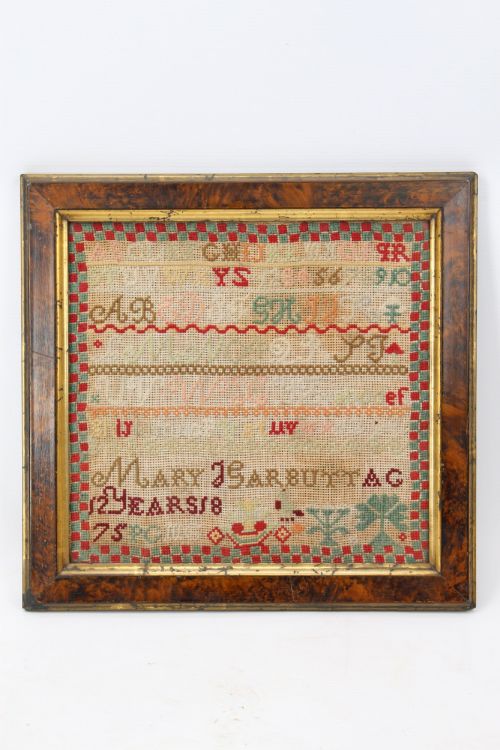
- A piece of needlework produced by a beginner or child to demonstrate skill in various stitches and alphabets, frequently dated and signed.
- Stumpwork
- A raised embroidery style popular in seventeenth-century England that uses padded elements, wire supports, and wood cores to create three-dimensional figures.
- Suzani
- A large embroidered tribal hanging from Central Asia, traditionally worked in silk floss on a cotton or silk foundation with floral and geometric motifs.
- Petit point
- A very fine needlepoint embroidery executed on single-thread canvas using tent stitch to achieve high detail in pictorial scenes.
Antique Wall Needlework: Frequently Asked Questions
How do I hang antique needlework safely?
Keep textile panels out of direct sunlight to prevent the silk and wool threads from fading over time. Ensure the wall environment maintains stable humidity levels to protect the organic fibres.
Use professional framing with UV-filtering glass that leaves space between the textile and the glass surface. This prevents moisture buildup and stops the embroidery from flattening against the glazing.
What is the difference between a sampler and a pictorial panel?
Samplers focus on alphabets, numbers, rows of stitches, and motifs created to record a maker's skill or education. They typically include a signature, age, and date.
Pictorial panels concentrate on a complete scene, such as a portrait, landscape, or mythological event. These works are designed purely for decorative wall display rather than as an exercise in technique.
How can I tell a seventeenth-century panel from a Victorian copy?
Seventeenth-century pieces often utilise hand-woven linen grounds with stumpwork padding, crewel wools, and metallic thread details characteristic of the Stuart era. The motifs, costumes, and lettering styles correspond directly to the period of manufacture.
Victorian interpretations tend to use machine-prepared canvas or different framing methods, and their wools reflect nineteenth-century dye technology. Examining the reverse of the panel often reveals the original ground fabric and ageing patterns unique to earlier centuries.
What are Central Asian suzanis used for?
Suzanis served as traditional wall hangings, bed covers, or doorway curtains within Central Asian households, often created as part of a bride's dowry. Tribes such as the Uzbek and Lakai produced these textiles to bring colour and symbolic protection to domestic spaces.
Today, collectors mount large suzanis on walls as statement textile art. Their bold botanical motifs and silk embroidery bring texture and pattern to contemporary and traditional interiors alike.