





Antique Wall Mounted Sign
An antique wall mounted sign brings distinct historical character to an interior, offering a direct tangible link to past commerce and everyday life.
Antique Wall Mounted Sign
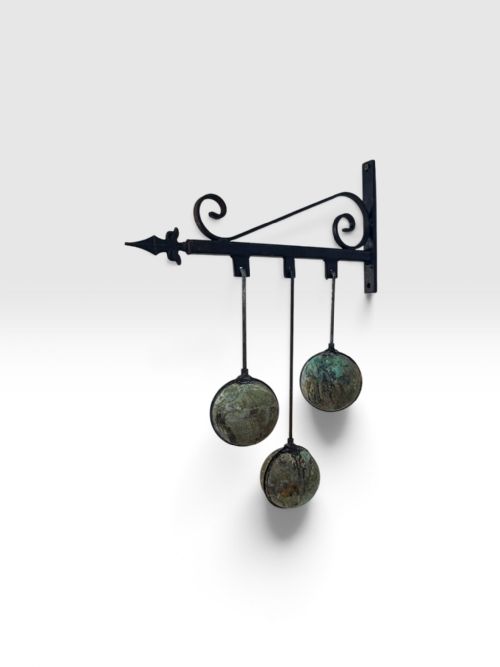
When you search for an antique wall mounted sign, you encounter a selection of trade markers, plaques and mounted items primarily originating from the nineteenth and early twentieth centuries. These pieces span commercial objects like copper pawnbrokers' signs alongside decorative wall plaques and architectural elements.
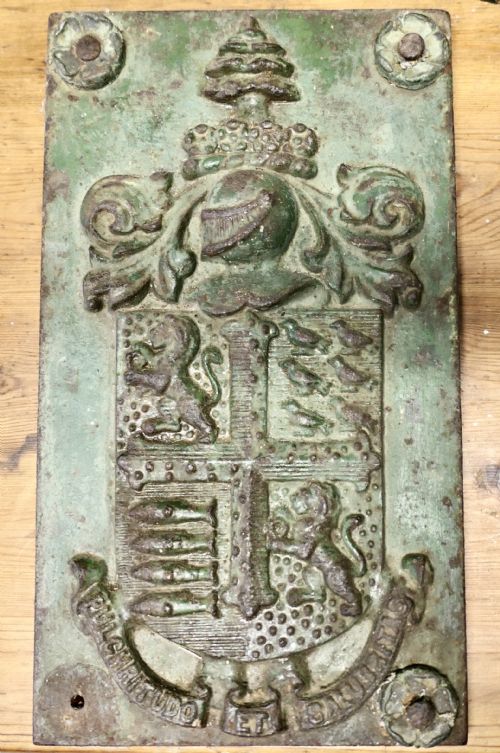
The assortment on this page reflects diverse periods including the Victorian and Edwardian eras, with specific examples such as iron armorial plaques and illuminated religious texts from tin tabernacles. Each object is designed to hang directly on a wall, functioning historically as public or institutional display rather than domestic art.
Materials vary widely across the inventory, ranging from solid iron and copper to painted glass, paper and wood. This diversity means buyers select pieces based on specific material interest, whether industrial metalwork or framed paper graphics.
How they were made
Metal items like trade signs and plaques utilise traditional casting and beaten copper techniques, relying on the durability of iron and non-ferrous metals to withstand exterior or heavy interior placement. Artisans shaped these materials by hand, leaving tool marks and surface variations characteristic of period manufacture.
Paper and wooden components incorporate traditional framing, gilding with gold leaf, and painted finishes using gesso and wood supports. These applied finishes required skilled application to ensure longevity and visual clarity in commercial or ecclesiastical settings.
Pawnbrokers evidently required distinct animal representation outside their doors, ensuring pedestrians looked up past the traditional three balls to spot a gleaming copper paw.
What varies in quality
Quality in an antique wall mounted sign depends upon the crispness of the original cast or painted details and the preservation of the primary surface materials. Pieces retaining their original unpainted or patinated metallic surfaces command greater interest than those subjected to modern overpainting.
The complexity of the manufacture also dictates standard, with hand-wrought trade markers and detailed armorial castings showing superior artisan engagement compared to mass-produced equivalents. Preservation of original suspension points and structural integrity further distinguishes finer specimens.
The Antique Wall Mounted Sign Glossary
- Tin tabernacle
- A prefabricated corrugated iron church or mission hall popular in the late nineteenth century. These buildings often housed specialised interior fixtures like wall-mounted religious texts.
- Pawnbroker trade sign
- A projecting commercial marker utilised to identify a money lender's premises. They frequently take the form of metal symbols such as suspended spheres or animal paws.
- Gesso
- A plaster-like mixture applied to wood or canvas surfaces to prepare them for painting or gilding. It provides a smooth base for intricate decorative relief work.
- Armorial plaque
- A wall-mounted display bearing a coat of arms or heraldic insignia. These were cast in iron or carved in wood to denote civic authority or institutional identity.
Antique Wall Mounted Sign: Frequently Asked Questions
Where were trade signs originally displayed?
These markers were positioned on exterior brickwork or above shop doorways to attract passing trade from the street. Their prominent placement required robust fixings and durable metals like copper or iron.
Inside establishments, similar wall fixtures denoted specific departments or services for visiting customers. Their design prioritised immediate legibility from a distance.
Can these signs be placed outdoors?
While many metal trade signs originated outdoors, surviving antique specimens benefit from interior display to protect fragile historic surfaces. Exposure to modern moisture can accelerate corrosion on exposed iron and copper.
Indoor placement also preserves delicate painted finishes and paper components found on religious texts and panels. Stable environmental conditions prevent warping in wooden backing boards.
What is a tin tabernacle text?
These are large wall-hanging panels featuring painted or illuminated script, created for corrugated iron churches during the late Victorian period. They served both decorative and educational purposes within the congregation.
Surviving examples provide insight into nineteenth-century ecclesiastical interior decoration and communal spaces. Their distinct construction links them directly to prefabricated corrugated iron architecture.