




Antique Wall Mount
An antique wall mount secures storage, lighting, and display directly to the room.
Antique Wall Mount
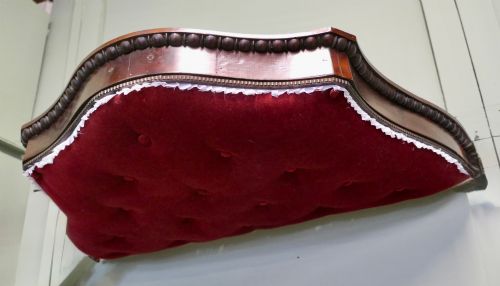
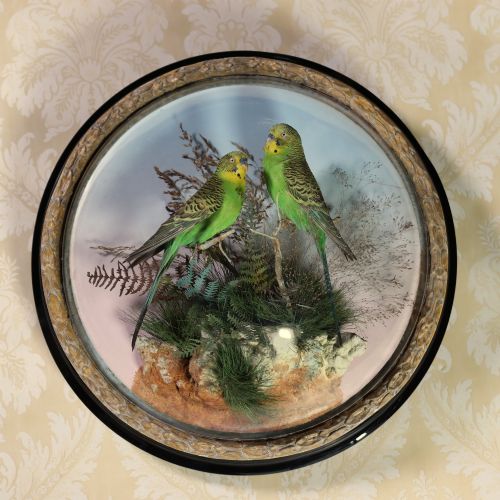
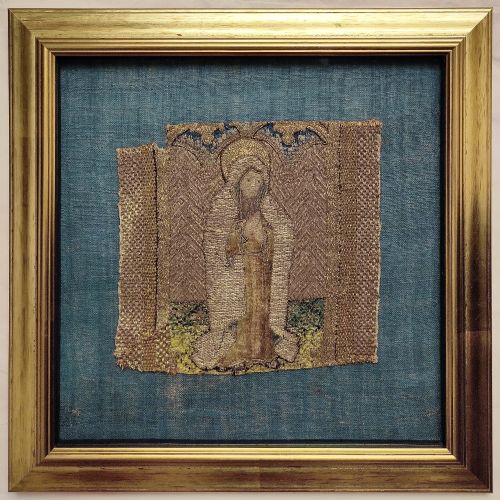
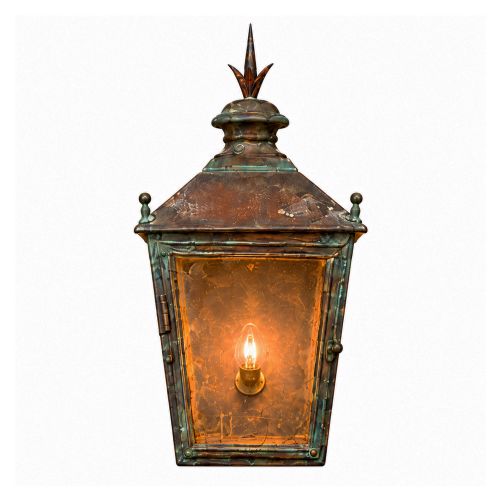
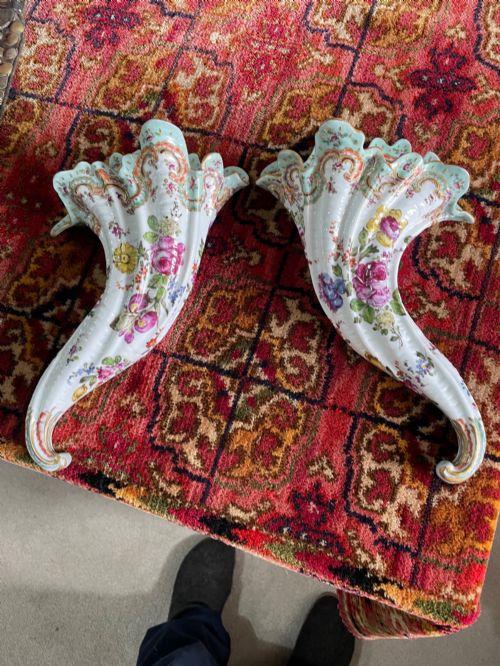
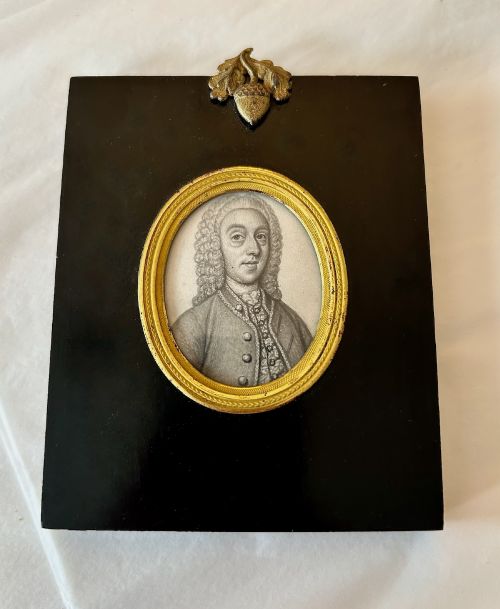
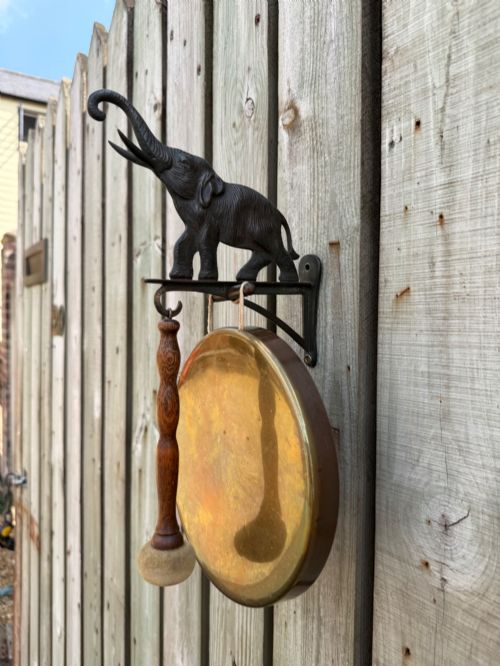
An antique wall mount encompasses a diverse group of fixtures designed to attach directly to vertical surfaces, ranging from practical coat racks and hat stands to decorative brackets, mirrors, and small cabinets. The pieces available span several centuries, with prominent examples originating across the Victorian, Edwardian, Georgian, and Regency periods.
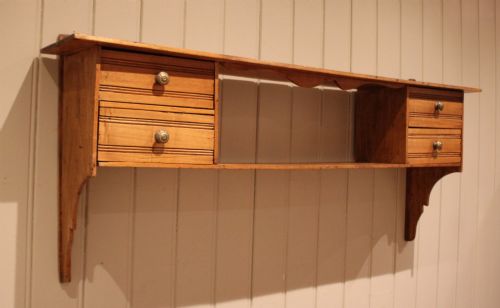
Buyers encountering this selection will frequently find utilitarian wooden coat racks fitted with brass hooks, alongside walnut and mahogany wall cabinets, corner cupboards, and small shelving units. These items reflect the domestic storage needs and decorative tastes of past centuries, utilising wall space efficiently in hallways, parlours, and bedrooms.
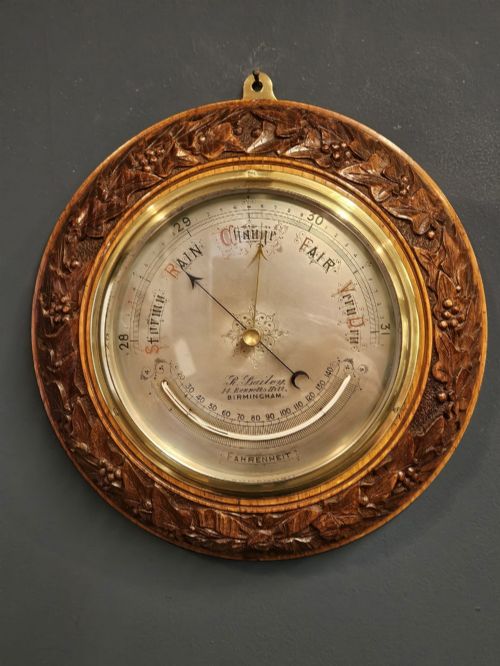
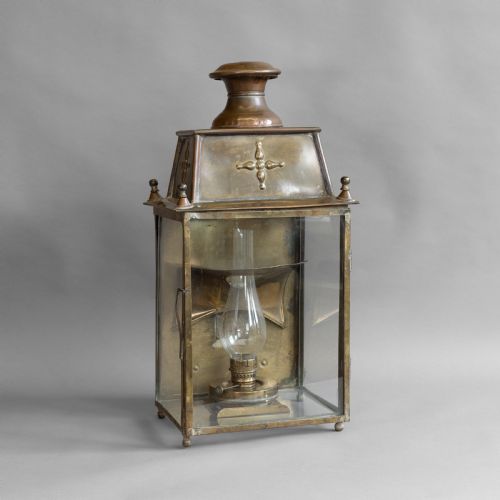
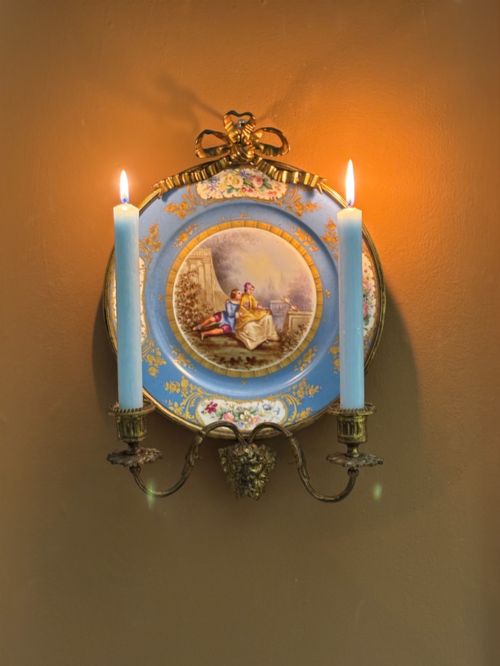
The objects also include functional scientific and decorative instruments, such as porcelain-dialled barometers, brass wall clocks, and cast iron or gilt bronze appliques. Stylistic influences vary from French Country and Arts & Crafts designs to traditional Georgian and Victorian craftsmanship.
Materials and Construction
Makers constructed these wall fixtures primarily using hardwoods like mahogany, oak, walnut, and satinwood, frequently pairing them with solid brass, cast iron, and gilt bronze for structural brackets, hooks, and mounts. Joinery techniques relied on traditional methods suited to weight-bearing wall fixtures, ensuring stability for items such as hanging cabinets and shelving racks.
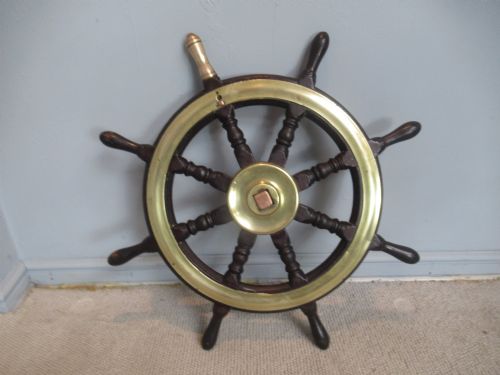
Surface decoration incorporated carved wood, gesso, marble tops, and detailed shell inlay, while specific items utilised ceramic inlays, glass mirrors, and salt-glazed stoneware. Metal elements were cast, forged, or plated, combining durability with decorative detail in functional items like coat hooks and engine room telegraphs.
Antique Wall Mount Retail Price Guide 2026
Typical asking prices for wall mount among the pieces listed under this phrase on Sellingantiques today, from the lower quarter to the upper quarter. They describe what is for sale here now, not the wider market.
Listings feature items from the 17th century through to the 1930s, constructed from oak, mahogany, walnut, brass, and glass.
Evaluating Craftsmanship
Quality in these pieces depends upon the selection of timber and the precision of the joinery and metal casting. Finer items exhibit carefully figured wood grains, such as matched mahogany or walnut veneers, and robust brass or bronze hardware that shows crisp detail rather than soft casting.
The integrity of secondary materials, including silver plating, gilt finishes, and structural brackets, dictates the distinction between standard utilitarian items and superior examples. Original mountings and uncompromised structural surfaces indicate higher standards of period manufacture.
Heals·Poix Blin·Ulugary And Sons
The Antique Wall Mount Glossary
- Gilt bronze
- An alloy of copper and zinc treated with a gold application to create a lustrous golden finish. This technique appears on decorative appliques and ornamental mounts.
- Overmantle mirror
- A large looking glass specifically designed to hang on the wall directly above a fireplace mantelpiece. These pieces often feature elaborate carved wood and gesso frames.
- Stick barometer
- A tall, narrow meteorological instrument housed in a wooden case designed for wall mounting. They frequently incorporate satinwood or mahogany veneers.
- Wall bracket
- A projecting architectural support or shelf attached to a wall to hold lamps, figures, or ornaments. They are typically fashioned from carved wood, brass, or iron.
- Livery cupboard
- A traditional storage cabinet used for keeping food or clothing, featuring ventilated doors. Period examples often utilise solid oak construction.
Antique Wall Mount: Frequently Asked Questions
How do I securely hang an antique wall mount?
Secure hanging requires locating appropriate wall studs or using heavy-duty wall anchors rated for the specific weight of the timber and metal fixtures.
Ensure that the original mounting brackets or integrated hanging loops on the back of the piece are sound before installation.
What rooms suit an antique wall cabinet?
Small wall cabinets and corner cupboards function well in kitchens, bathrooms, or hallways where floor space is limited and compact storage is required.
Their enclosed shelving protects contents while utilising vertical wall areas effectively.
How do I distinguish Victorian from Edwardian pieces?
Victorian pieces often display heavier proportions, darker wood finishes, and ornate decorative brass or ceramic details.
Edwardian designs tend to favour lighter timbers like satinwood and simpler, airier Arts and Crafts influences.
Can antique coat racks hold heavy winter coats?
Most antique coat racks constructed from solid oak or mahogany with robust brass or iron hooks easily support everyday garments.
However, verifying the strength of the backplate and the mounting screws is prudent before hanging exceptionally heavy items.