


Antique Wall Lighting Fixtures
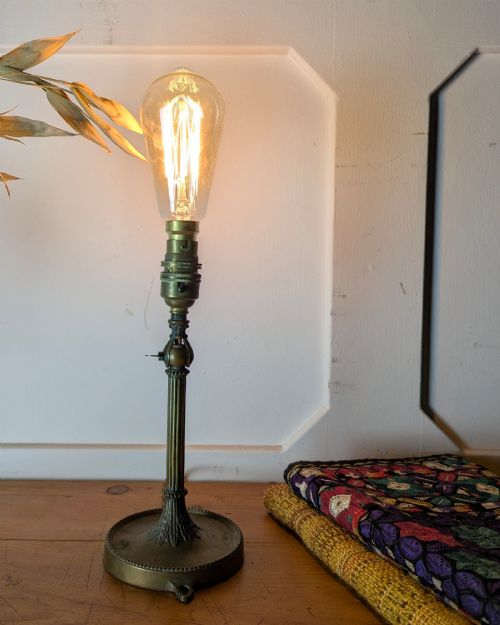
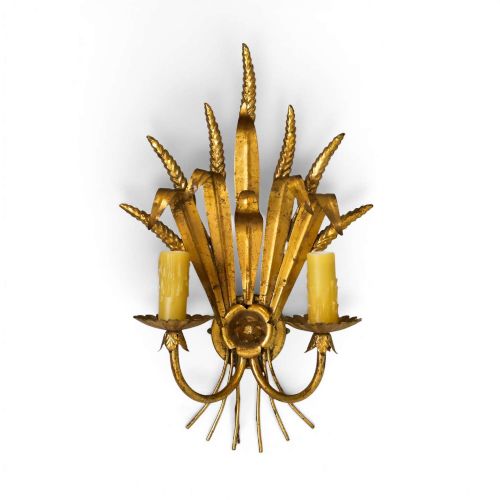
These antique wall lighting fixtures bring period illumination to interiors, spanning brass, bronze and giltwood designs from the nineteenth and early twentieth centuries.
Antique Wall Lighting Fixtures
When searching for antique wall lighting fixtures, collectors encounter functional illumination pieces designed to mount directly onto vertical surfaces, providing ambient or task light. These pieces originate from various periods including Victorian, Edwardian, and the early twentieth century, encompassing styles such as French Rococo, Art Deco, and Arts and Crafts.
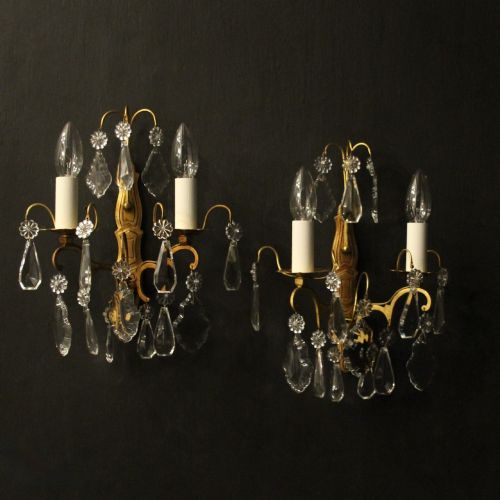
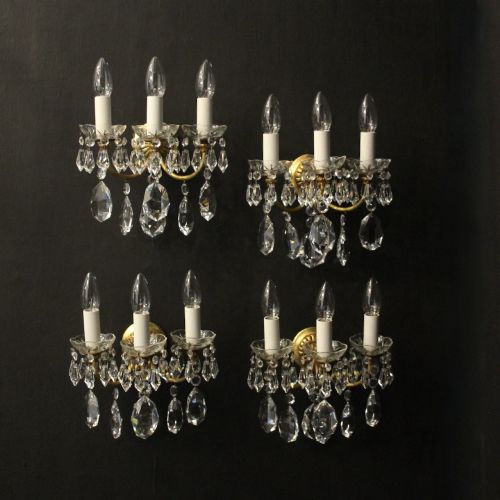
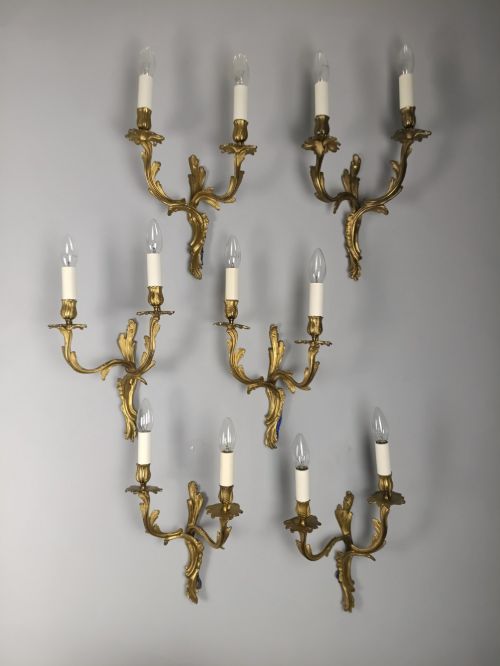
Makers and regional workshops produced these lighting fixtures to complement architectural interiors, utilising diverse formats from crystal-adorned brackets to industrial Pullman lamps. Buyers find both simple brass brackets and ornate gilt bronze appliques outfitted for domestic spaces.
How they were made
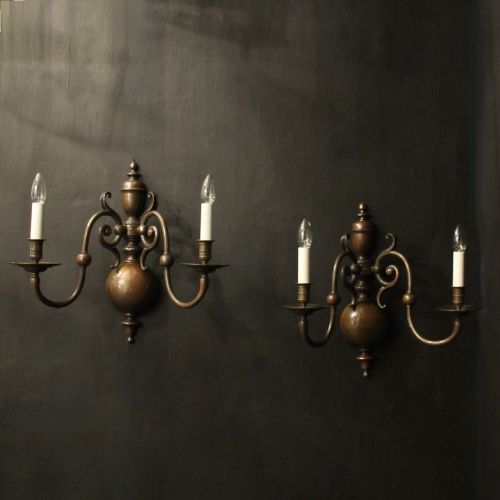
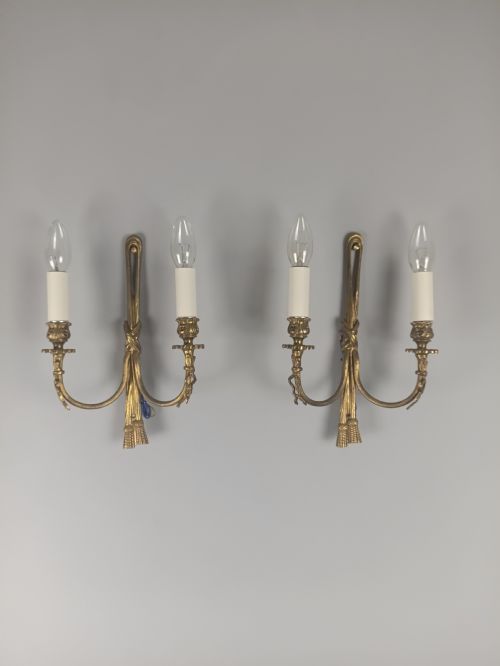
Artisans constructed antique wall lighting fixtures primarily using cast metals such as brass, bronze, and copper, frequently applying gilding or patination to the visible surfaces. Giltwood and carved wooden components also support candle or electric fittings in Italian and Florentine pieces.
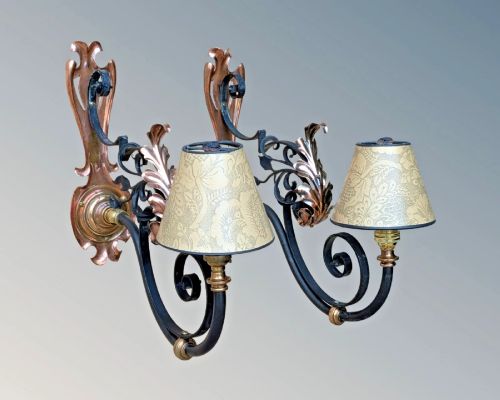
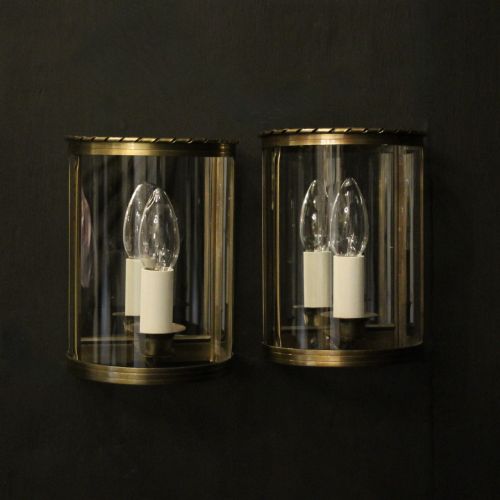
Glass elements, including moulded shades, crystal drops, and tubular Art Deco panels, integrate with metal frames through skilled mounting and screw fixings. Wrought iron and toleware construction appear in vernacular and utilitarian pieces, demonstrating diverse metalworking traditions.
Listings feature brass, bronze, and giltwood materials across Victorian, Edwardian, and Art Deco periods.
What varies in quality
The refinement of the casting and the depth of the chasing separate standard production pieces from superior examples, particularly in bronze and gilt brass items. Crisp detail in floral motifs, scrollwork, and facial masks indicates skilled hand-finishing by the maker.
Material integrity and the survival of original surface treatments, such as genuine fire gilding or untouched patination, determine the distinction between high-grade collector items and later commercial reproductions. Heavier gauge metals and intact crystal components reflect higher original workshop standards.
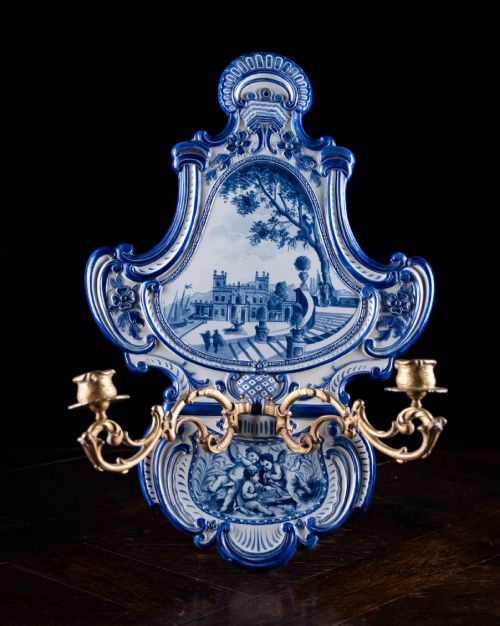
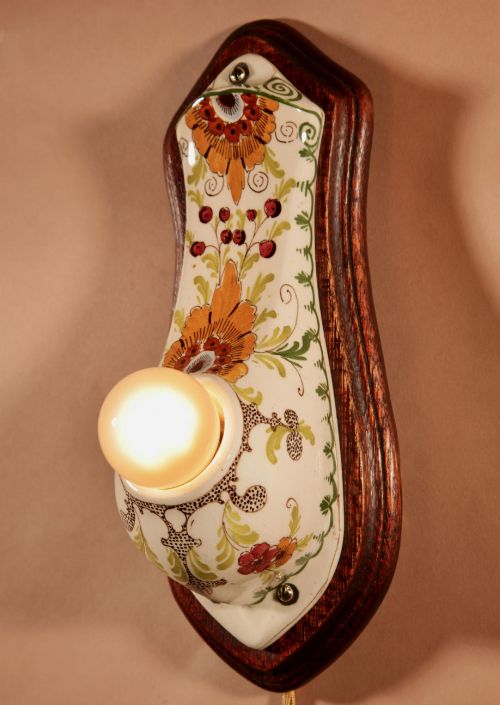
Villeroy and Boch·Liberty
The Antique Wall Lighting Fixtures Glossary
- Girandole
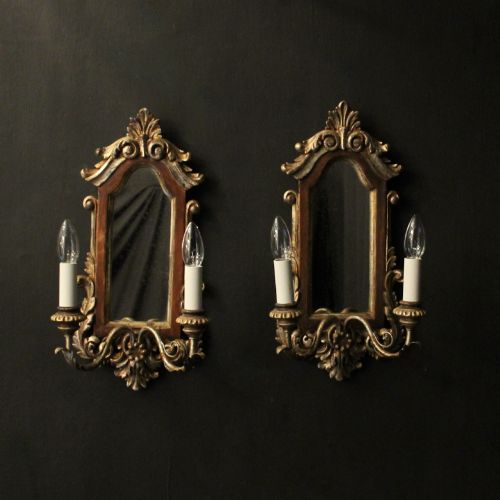
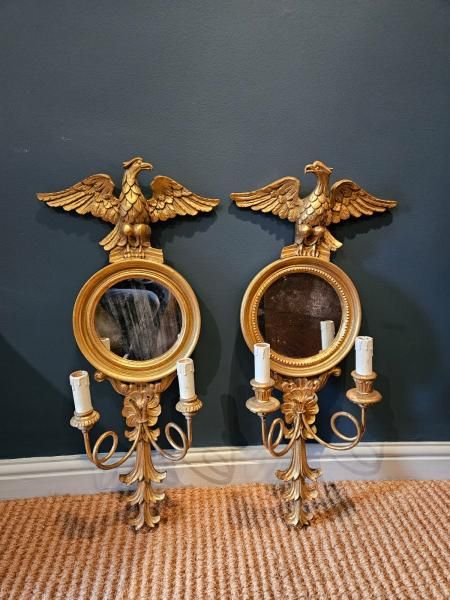
- A decorative wall bracket that holds candles or electric lamps, often incorporating a mirror to reflect and amplify the light.
- Ormolu
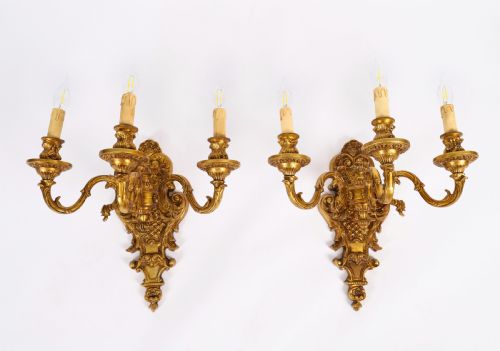
- Gilded bronze, where a layer of gold amalgam is applied to a bronze base through a heat process, creating a durable golden surface.
- Toleware
- Painted or lacquered tinplate objects, typically produced in domestic or decorative forms with coloured enamel finishes.
- Applique
- A French term for a wall-mounted light fixture or sconce designed to distribute illumination along a room perimeter.
- Giltwood
- Timber carved and coated with a thin layer of gold leaf, common in Italian and Florentine decorative pieces.
Antique Wall Lighting Fixtures: Frequently Asked Questions
How do I wire antique wall lights?
Most antique wall lighting fixtures require professional rewiring to meet modern electrical safety standards while preserving the original metal or wooden backplates. Electricians adapt older brass and bronze arms to accept standard modern lamp holders.
Buyers should consult a qualified electrician before installation to ensure the internal wiring accommodates current voltage requirements safely.
What is the difference between a sconce and a girandole?
A sconce is a general term for any light fixture fixed to a wall, whereas a girandole specifically incorporates a mirrored glass backplate designed to reflect the flame or bulb.
Girandoles frequently appear in Florentine and gilded wooden styles, maximising illumination in dimly lit historic rooms.
Are these fixtures suitable for modern bathrooms?
Antique wall lighting fixtures generally lack modern Ingress Protection ratings required for wet zones unless specifically modified by a professional. Buyers typically install them in hallways, living rooms, and dining areas where moisture exposure is minimal.
Placing these pieces in dry interior spaces protects delicate gilt surfaces and historic wiring from degradation.