


Antique Wall Hangings Small
Small antique wall hangings bring compact wooden cabinetry, mirrors and tribal textiles into smaller rooms.
Antique Wall Hangings Small
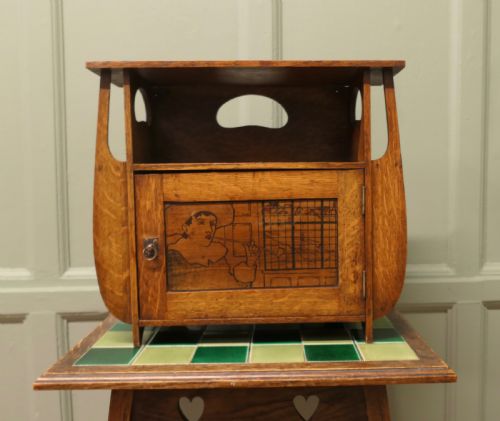
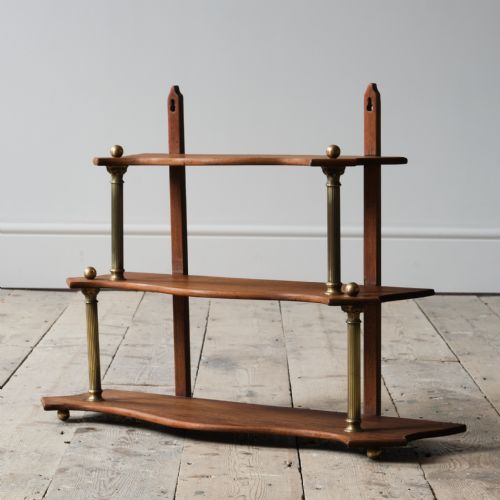
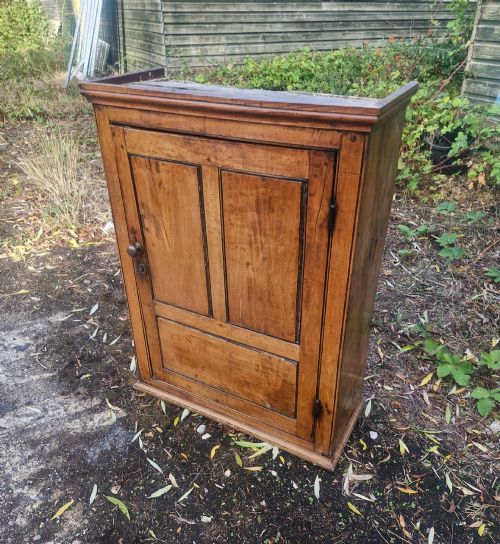
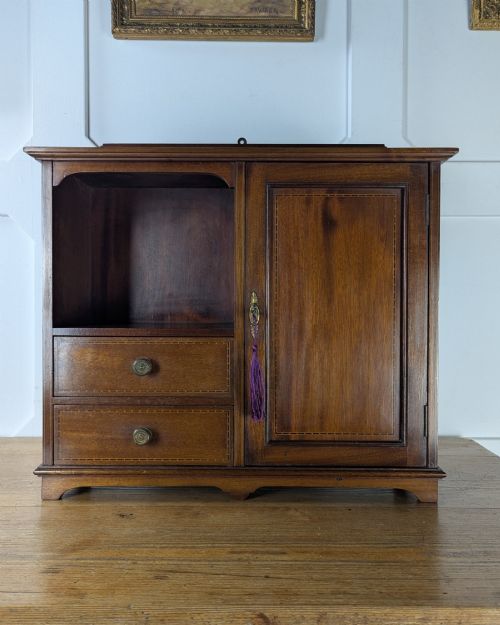
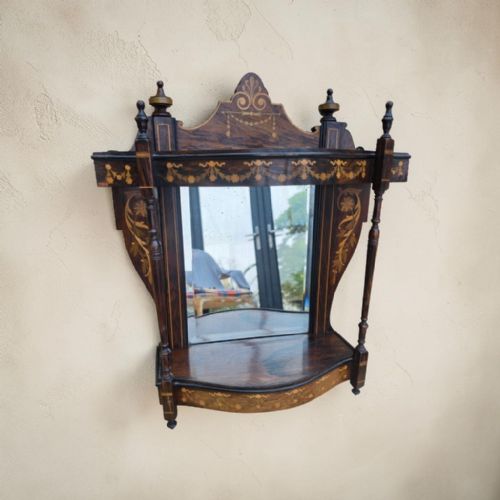
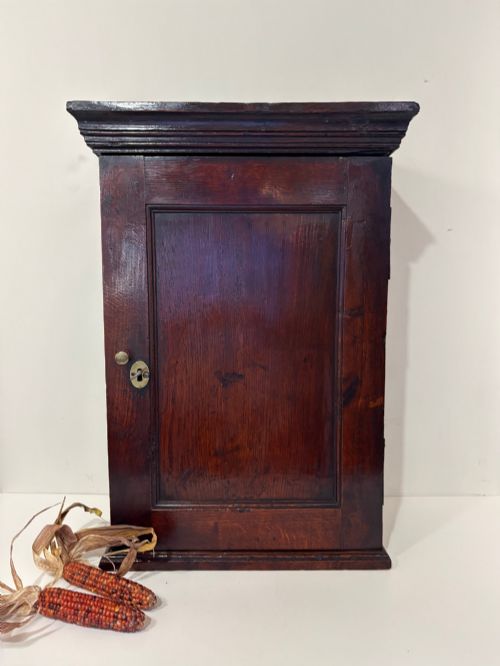
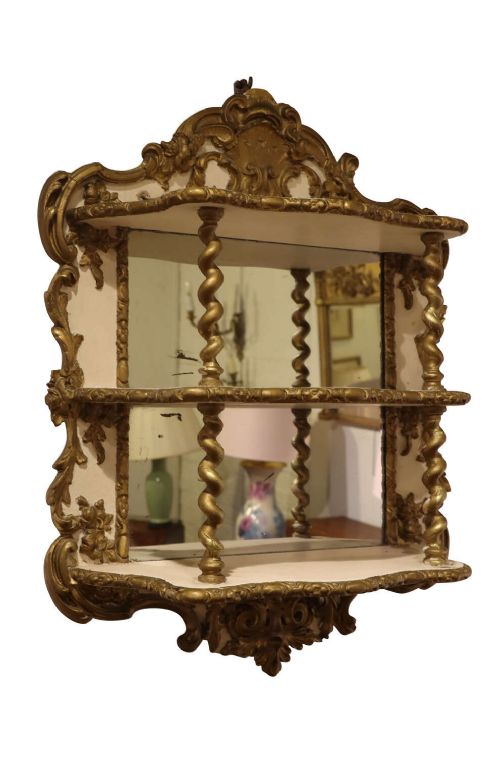
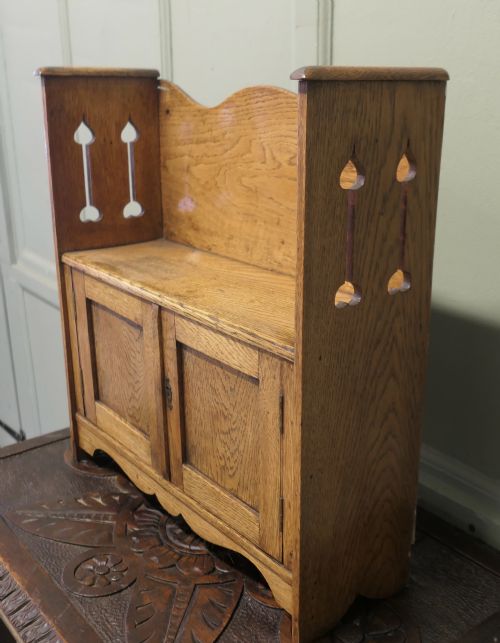
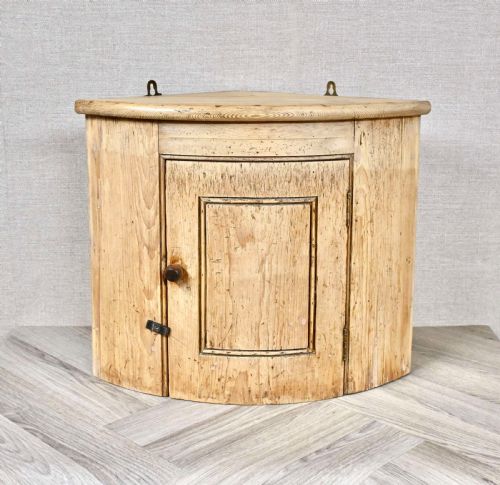
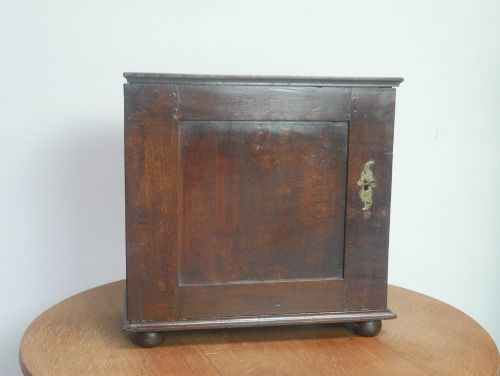
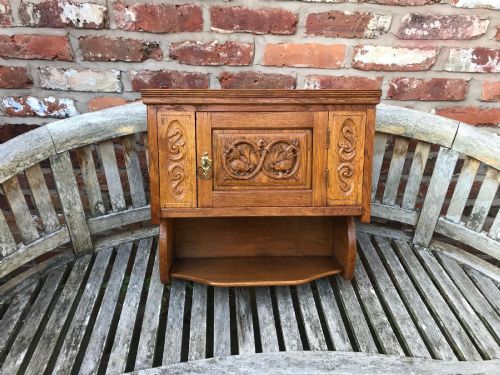
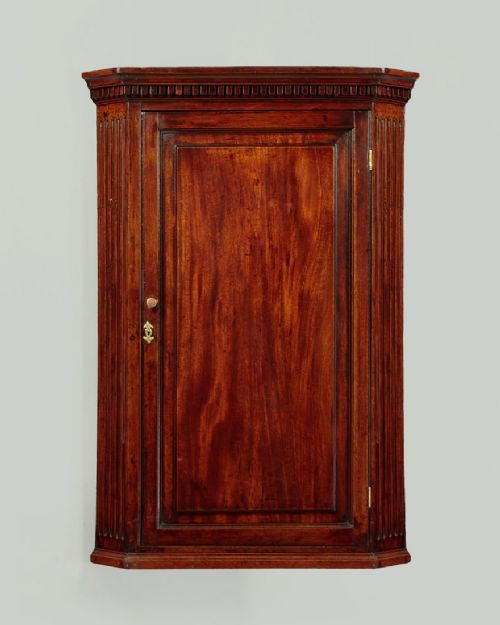
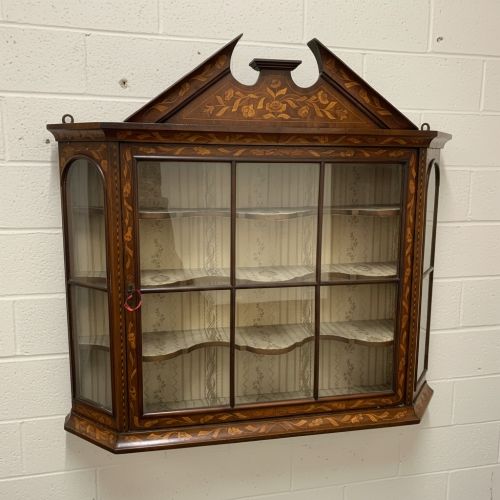
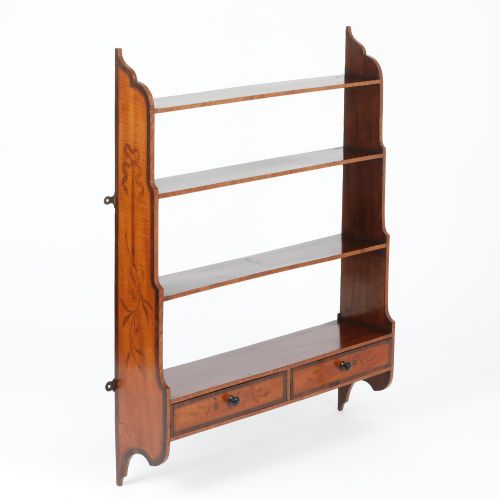
When you search for antique wall hangings small in format, you find a diverse mix of compact wooden wall cupboards, hanging corner cabinets, wall shelves, mirrors and small tribal textiles. The wooden pieces include Georgian and Victorian spice cupboards, key cabinets and glazed wall cabinets made from oak, mahogany, pine and satinwood.
Alongside the woodwork, the selection includes Persian and Turkmen tribal bagfaces, chantehs and small Suzani embroideries worked in wool and natural dyes. These items served functional storage or nomadic transport roles, translating into compact display pieces for modern walls.
Materials and construction
Carpenters built the wooden wall cabinets and shelves using solid oak, mahogany, satinwood and pine, often incorporating brass hinges, handles and glass doors. Marquetry, inlay and carved details appear across eighteenth and nineteenth-century examples.
The textile hangings utilise wool and silk with natural dyes, hand-knotted or embroidered by tribal makers such as the Shahsevan, Afshar and Turkmen groups. Pressed brass and gilt gesso frames define the small hanging mirrors from the later nineteenth and early twentieth centuries.
Listings span oak, mahogany, pine, brass and wool, reaching from seventeenth-century oak cupboards to early twentieth-century tribal bagfaces.
What separates the tiers
Quality in the wooden cabinets rests on the choice of timber, the crispness of the carving or inlay, and the retention of original fittings like brass keys and glass panes. Pieces with unstripped, original surfaces and well-proportioned cornices command greater appreciation.
For the textile hangings, quality shows in the saturation and depth of natural dyes, the fineness of the weave, and the integrity of the original tribal structure. Early provenance and untouched condition elevate the status of both textiles and woodwork.
The Antique Wall Hangings Small Glossary
- Chanteh
- A small tribal bag or vanity bag woven by nomadic groups in Persia. These small pouches were originally used for carrying personal items.
- Suzani
- A large or small embroidered textile panel from Central Asia. They utilise silk threads on a silk or cotton ground.
- Chuval
- A large tent bag made by Turkmen tribes. They feature traditional guls and border motifs.
- Marquetry
- The art of applying pieces of veneer to a structure to form decorative patterns. Dutch cabinet makers frequently utilised this technique on eighteenth-century wall cabinets.
Antique Wall Hangings Small: Frequently Asked Questions
How were antique wall cupboards used?
These small wooden cabinets were mounted in kitchens, halls or parlours to store valuable provisions, spices, or documents. Their compact dimensions kept contents secure and within reach.
Over time, many transitioned from utilitarian storage to decorative display items for domestic interiors.
What is a tribal bagface?
A bagface is the decorative front portion of a nomadic transport or storage bag. Tribes in Persia and Central Asia wove these using wool and natural dyes.
Collectors mount them on walls today to appreciate the tribal iconography and knotting techniques.
How do I date an oak spice cupboard?
Eighteenth-century spice cupboards typically feature pegged frame-and-panel oak construction, hand-cut dovetails on internal drawers, and wrought iron H-hinges. Later nineteenth-century imitations often use machine-cut joints and modern fixings.
Examining the grain, patination and backboards helps determine the period.
Can small wall mirrors bear weight?
Most antique wall mirrors and hanging shelves are designed to support their own weight and light decorative objects. Their original hanging loops or brackets dictate how securely they attach to a wall.
Careful assessment of the timber frame and hanging hardware ensures safe mounting.