


Antique Wall Hanging Fabric
These antique wall hanging fabric pieces span centuries of global textile artistry, bringing rich textures and cultural history directly into domestic spaces.
Antique Wall Hanging Fabric
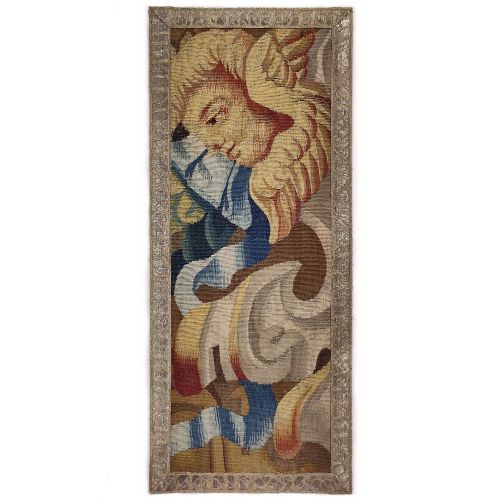
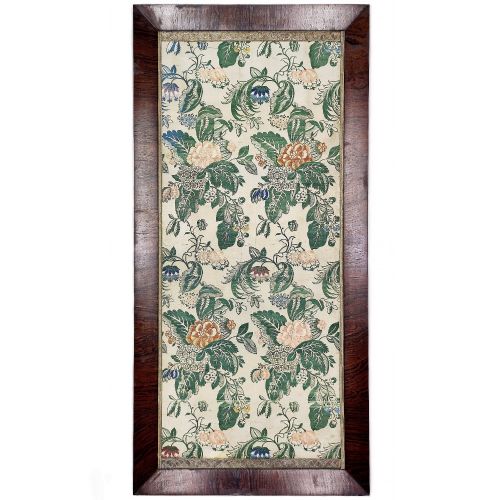
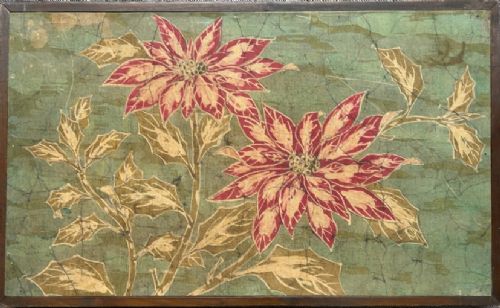
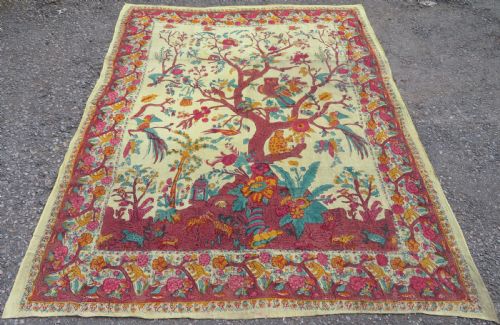
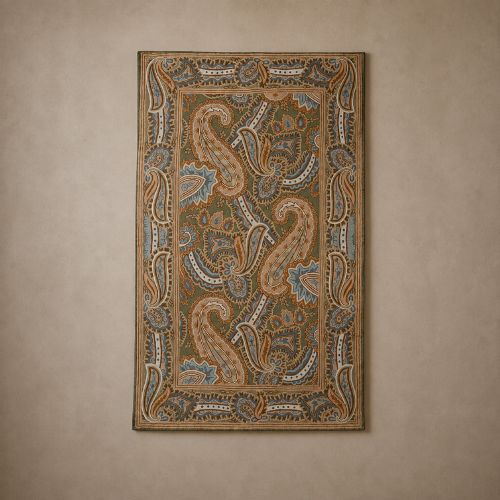
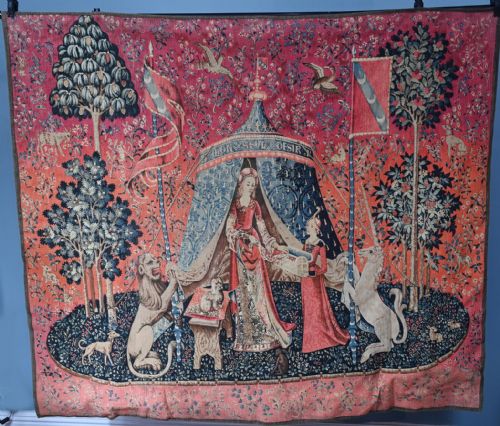
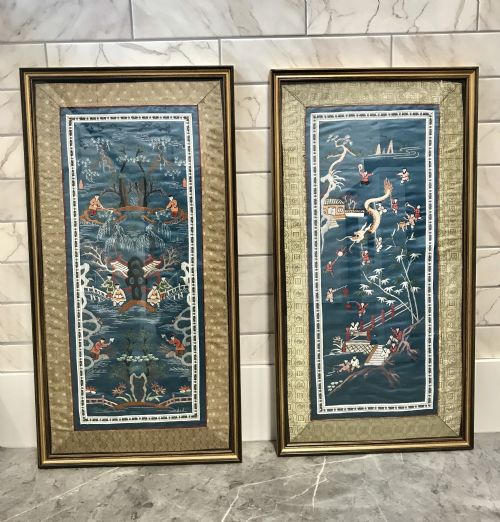
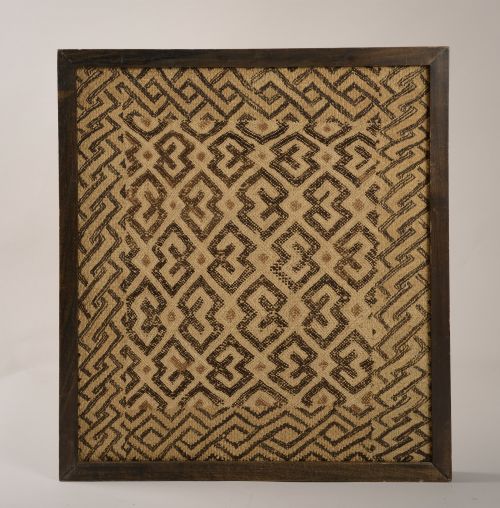
When you search for antique wall hanging fabric, you encounter a diverse gathering of textiles spanning from the sixteenth century to the nineteen thirties. These pieces include woven tapestries, embroidered panels, and printed fabrics originating from French, English, Persian, Central Asian, and Chinese traditions.
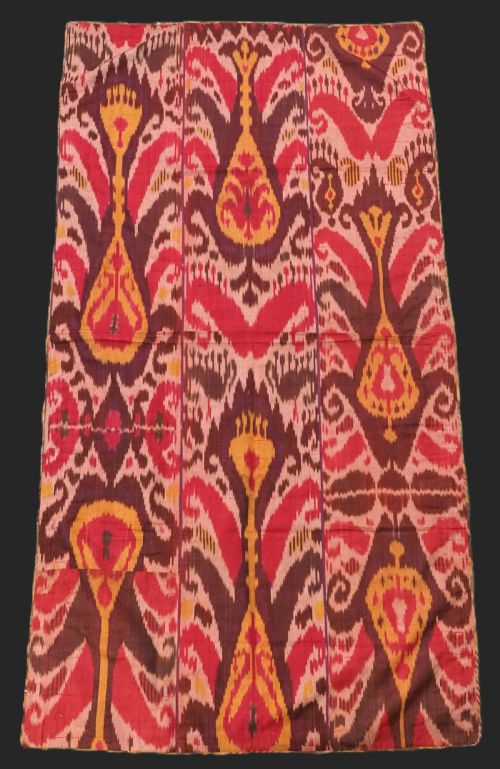
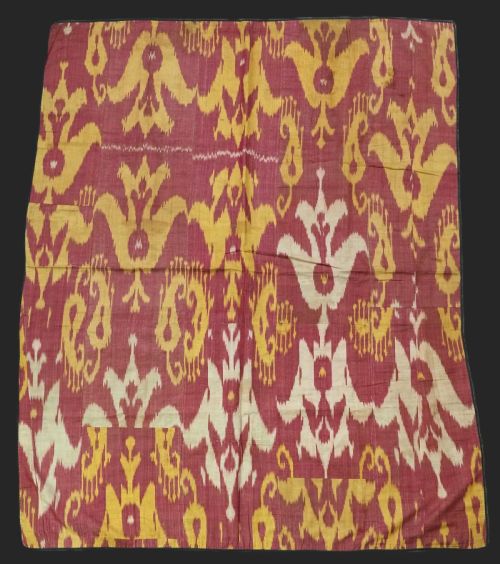
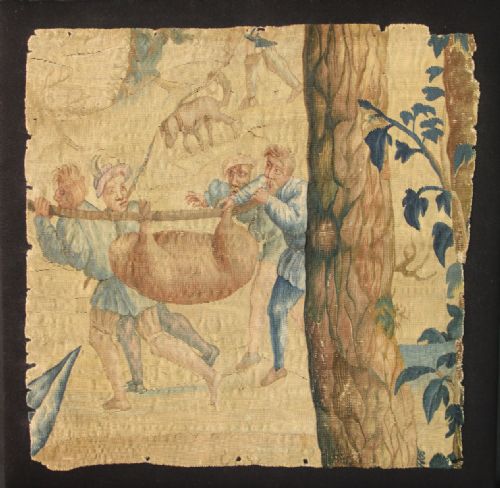
You are most likely to meet Central Asian suzanis, silk ikats from Uzbekistan, and woven French tapestry panels on this page. The selection encompasses everything from large room-scale wall coverings to smaller mounted embroidery and block-printed textiles.
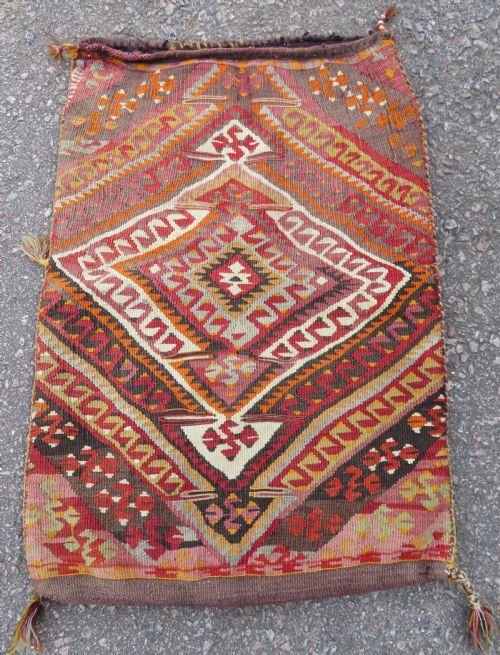
The assortment reflects varied domestic and ceremonial functions, ranging from bed covers and wheat sacks to dedicated architectural wall panels and framed textile art.
Materials and construction
The physical construction of these textiles relies heavily on natural fibres such as silk, cotton, wool, linen, and velvet, frequently paired with natural dyes. Artisans utilised hand-sewing, block-printing, and complex weaving techniques to build intricate patterns.
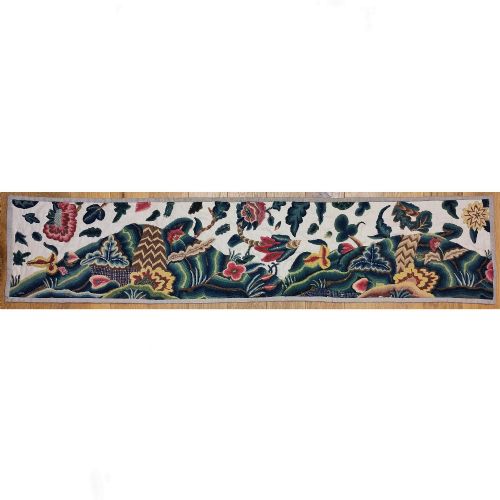
Many works incorporate specialised methods like needlepoint crewelwork, meticulous silk embroidery on cotton grounds, and the resist-dyeing processes characteristic of ikat panels.
Antique Wall Hanging Fabric Retail Price Guide 2026
Typical asking prices for wall hanging fabric among the pieces listed under this phrase on Sellingantiques today, from the lower quarter to the upper quarter. They describe what is for sale here now, not the wider market.
Several textiles began life simply as agricultural wheat sacks before finding new careers as prized decorative wall art.
Assessing craftsmanship
The division between standard and superior pieces rests upon the complexity of the design and the precision of the execution. Finer examples display meticulous hand-sewn needlework, dense stitch counts, and well-preserved natural dyes that retain their depth.
Material integrity and the survival of delicate components such as silk threads or ciselé velvet pile elevate an individual textile. The sophistication of the regional design, whether an architectural suzani or a multi-figure embroidered panel, marks the distinction.
The Antique Wall Hanging Fabric Glossary
- Suzani
- An embroidered tribal textile originating from Central Asia, typically featuring floral or architectural motifs worked in silk on a cotton or linen ground.
- Ikat
- A dyeing technique where yarns are pattern-dyed before being woven into fabric, creating distinctive feathered edges along the design motifs.
- Ciselé velvet
- A velvet fabric where the pattern is created by cutting parts of the pile while leaving other sections uncut to form a contrasting texture.
- Palampore
- A large, hand-painted or block-printed cotton bed cover or hanging, historically produced in India for export.
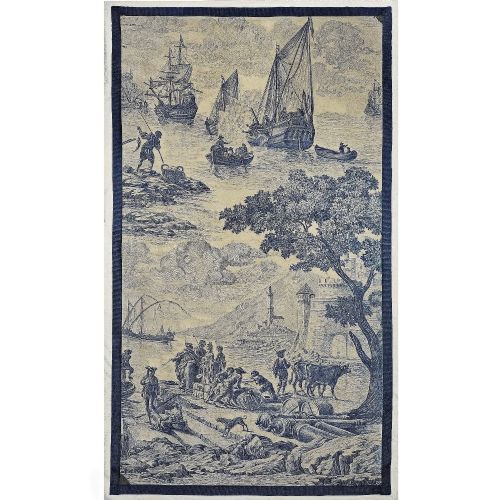
- Toile
- A monochromatic printed fabric depicting pastoral scenes or figures, typically associated with French textile traditions of the eighteenth and nineteenth centuries.
Antique Wall Hanging Fabric: Frequently Asked Questions
How were these fabrics originally displayed?
Many of these textiles served practical domestic functions before transitioning to wall display, acting as floor coverings, bed covers, or storage sacks like wheat sacks.
Over time, owners repurposed these durable panels as decorative wall hangings, tapestries, or framed textile art to protect and showcase the needlework.
What regions produced these textiles?
The pieces originate from diverse global textile centres, including France, England, Flanders, Persia, India, China, and Central Asian regions such as Uzbekistan.
Each area developed distinct aesthetic traditions, utilising local materials like silk, wool, and cotton combined with regional dyeing and stitching techniques.
How do I care for antique fabrics?
Protect antique textiles from direct sunlight to prevent the fading of natural dyes and the degradation of fragile silk, wool, and cotton fibres.
Mounting the fabric correctly distributes weight evenly across the piece and avoids placing direct tension on aged stitching or delicate woven grounds.
How can I tell the period?
Dating relies on identifying specific stylistic markers, such as regional embroidery motifs, block-print characteristics, and the choice of natural dyes or synthetic transitions.
Material composition, including the specific type of silk, hand-spun cotton, or weave structure, provides further clues regarding the era of production.