



Antique Wall Display Unit
An antique wall display unit solves the eternal problem of showing off ceramics and books without eating up floor space.
Antique Wall Display Unit
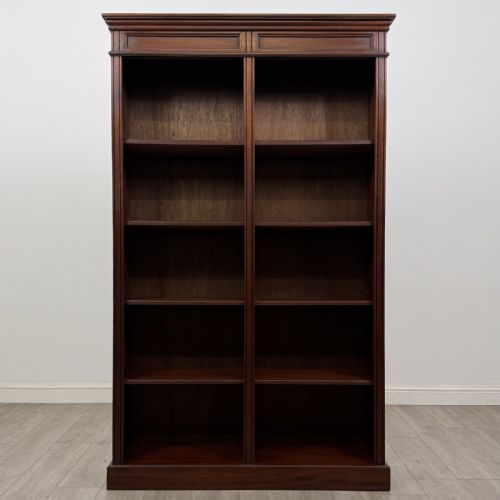
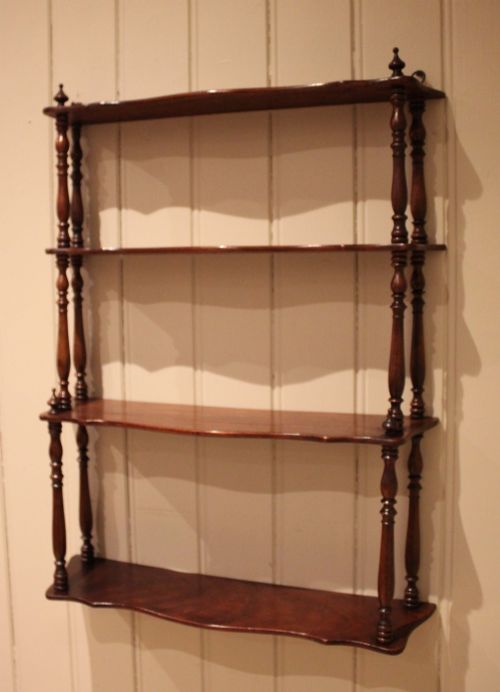
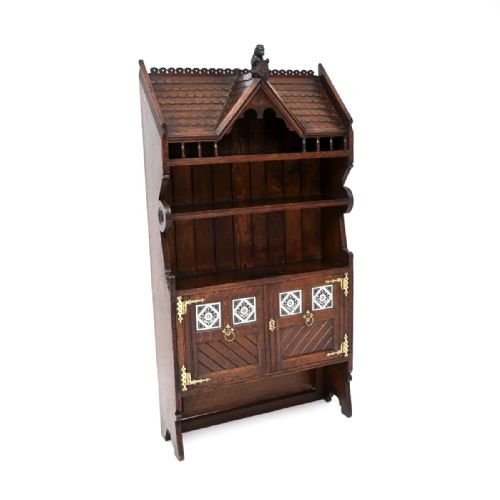
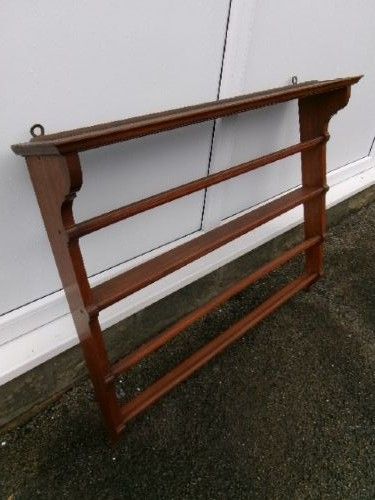
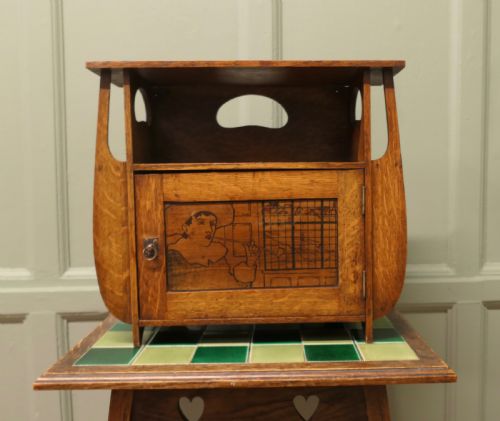
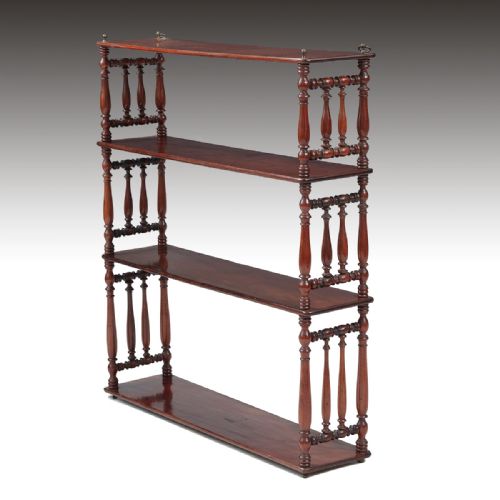
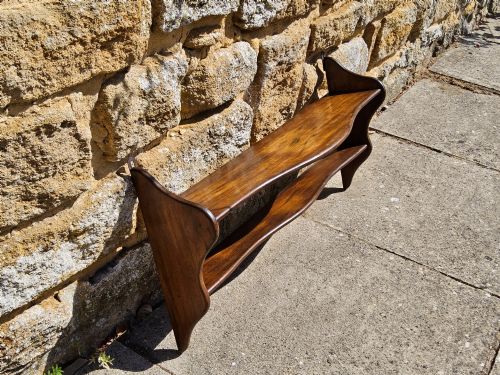
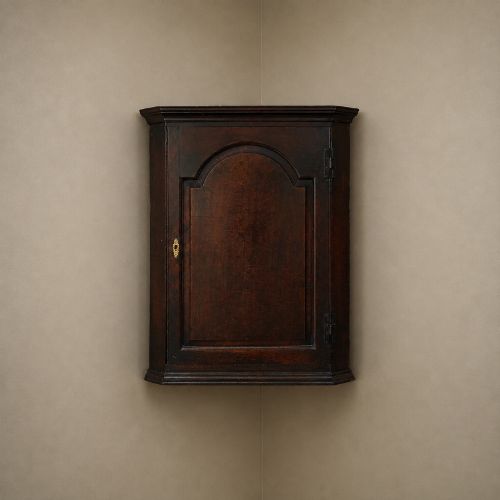
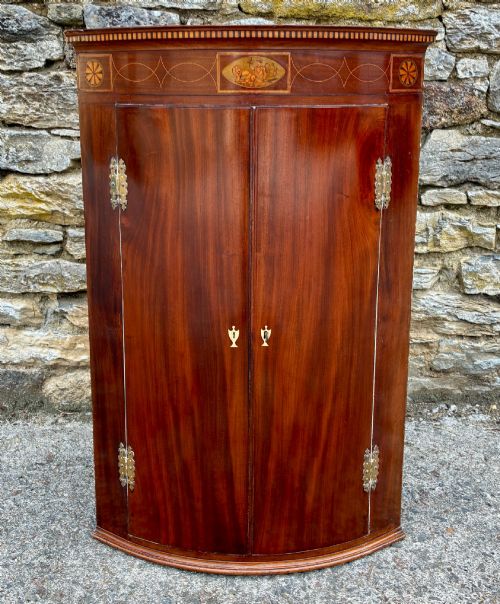
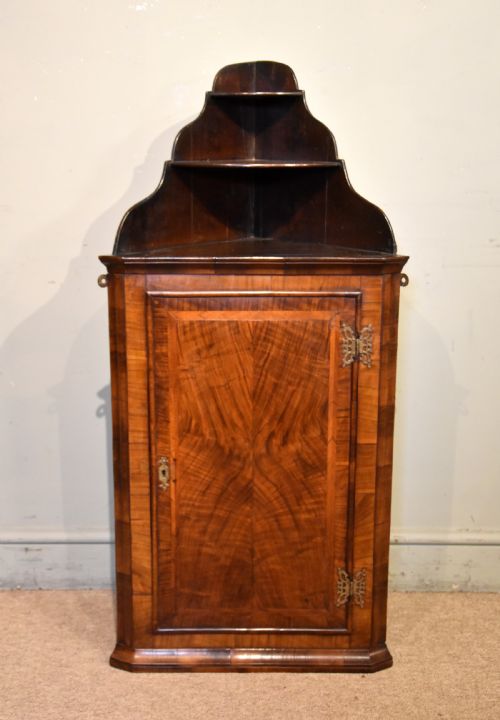
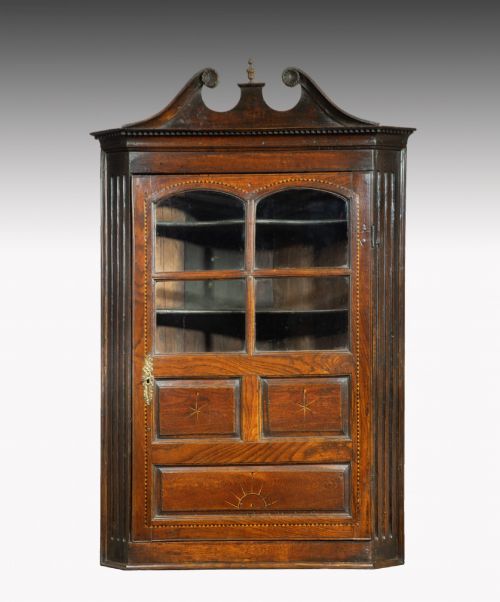
An antique wall display unit covers everything from open pine plate racks to glazed mahogany corner cupboards designed to hang securely from picture rails or wall studs. You will encounter Georgian hanging shelves, Victorian walnut cabinets, and Edwardian inlaid display pieces shaped to fit awkward corners or run flat along a parlour wall.
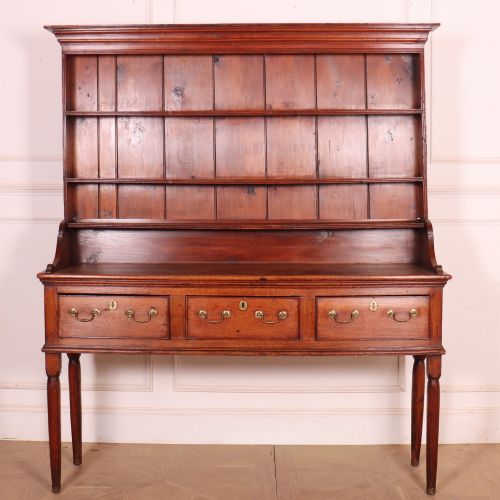
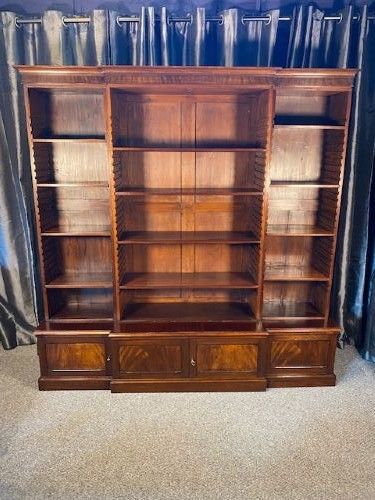
The selection ranges from provincial French oak cupboards to refined Regency mahogany sets, giving you a choice between rustic utility and formal drawing-room elegance. Corner cupboards dominate the earlier Georgian entries, whilst open bookcases and tiered wall shelves appear frequently among the later Victorian and Edwardian items.
Materials and Construction
Cabinet makers relied heavily on timber selections such as mahogany, oak, walnut, and pine, often enhancing the primary wood with contrasting brass hardware or delicate floral inlay. Surviving pieces show traditional joinery methods, where backs comprise matching vertical boards and cornices feature applied mouldings or broken arch pediments.
Painted wood finishes also appear alongside polished surfaces, utilising historic pigments like Little Greene to achieve a decorative matte texture. Glazed doors incorporate small glass panes held together by wooden glazing bars, protecting delicate contents from dust while maintaining visibility.
Antique Wall Display Unit Retail Price Guide 2026
Typical asking prices for wall display unit among the pieces listed under this phrase on Sellingantiques today, from the lower quarter to the upper quarter. They describe what is for sale here now, not the wider market.
Some provincial French cupboards carry the delightful scars of centuries of kitchen spice exposure in their aged timber grain.
The Markers of Superior Craft
Quality reveals itself in the crispness of carved details, the straightness of inlaid banding, and the proportion of the cornice to the body of the cabinet. Fine examples balance decorative ambition with structural integrity, ensuring that hanging brackets and internal shelves support the intended weight without sagging.
The choice of timber grain and the survival of original painted or polished finishes distinguish everyday utility items from superior workshop productions. Subtle touches like glazed door panels with authentic hand-blown glass or carefully mitred mouldings separate standard regional pieces from high-style creations.
The Antique Wall Display Unit Glossary
- Broken arch pediment
- A triangular pediment open at the apex, often terminating in scroll ornaments. This classical architectural feature frequently crowns high-style Georgian corner cupboards.
- Bow front
- A convex curved cabinet front that projects outward in a smooth arc. It adds visual softness to corner cupboards and wall display units.
- Inlay
- A technique where pieces of contrasting wood, such as satinwood or olive wood, are fitted into depressions within the primary surface to create decorative patterns. Sorrento examples often utilise this method.
- Plate rack
- A wall-mounted wooden frame featuring grooved ledges and retaining rails designed specifically to hold ceramic plates upright for display. Eighteenth-century examples remain particularly sought after.
- Hanging shelves
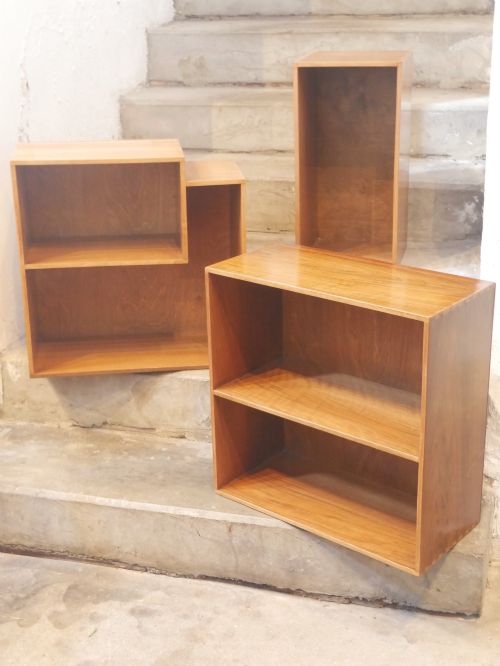
- Open tiers of wooden shelving fitted with side supports and wall fixings to allow elevation off the floor. They provide accessible storage for books and ornaments in compact rooms.
Antique Wall Display Unit: Frequently Asked Questions
How do I hang a heavy antique wall cabinet safely?
Check the weight distribution of the piece and locate the solid timber studs behind your plaster walls before installation. Use heavy-duty steel brackets or mirror plates screwed securely into the cabinet's internal frame rather than relying solely on old hanging loops.
Distribute your displayed ceramics evenly across the shelves to prevent lateral strain. If the piece lacks original mounting hardware, consult a professional restorer to add discreet internal fixing points.
How do I date an antique wall unit?
Examine the timber species, construction tool marks, and overall style against known design periods. Georgian pieces often feature oak or mahogany with hand-cut dovetails, while Victorian and Edwardian items may incorporate machine-sawn elements or Arts and Crafts ironwork.
Look for secondary woods at the back and drawer linings, as these regional variations help narrow down the decade of manufacture. Original glass and painted finishes also provide crucial clues to the era of production.
Can these units support heavy books?
Open bookcases and sturdy Victorian or Edwardian wall shelves handle substantial volumes if mounted correctly. Assess the thickness of the shelf boards and the strength of the side supports before loading heavy folios.
Pine and lighter hanging shelves suit small paperbacks or decorative ceramics rather than dense sets of encyclopaedias. Ensure the fixing screws penetrate structural wall supports if you plan to store heavy reading material.