


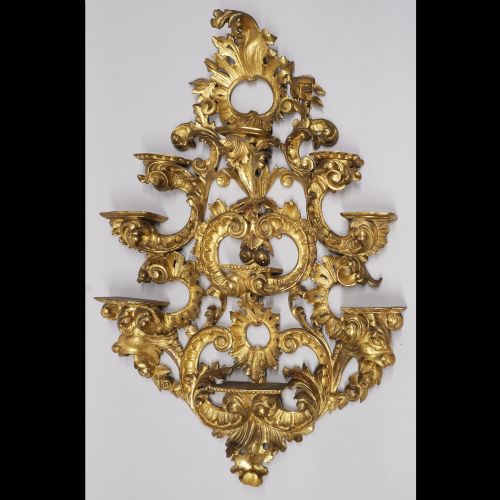


Antique Wall Console Shelves
Antique wall console shelves bring decorative architecture indoors, offering sturdy projections for display that carry the weight of centuries past.
Antique Wall Console Shelves
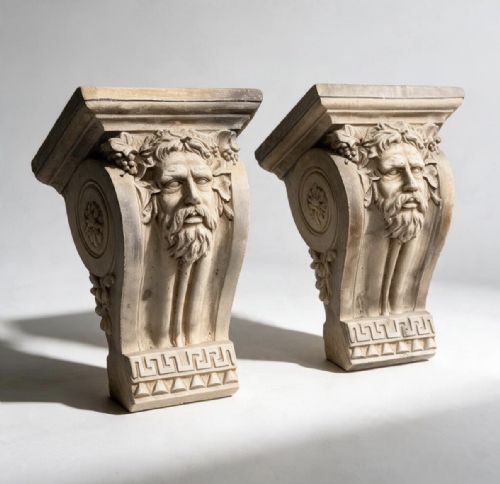
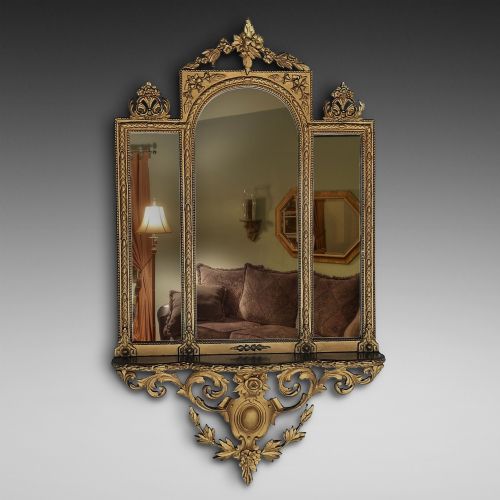
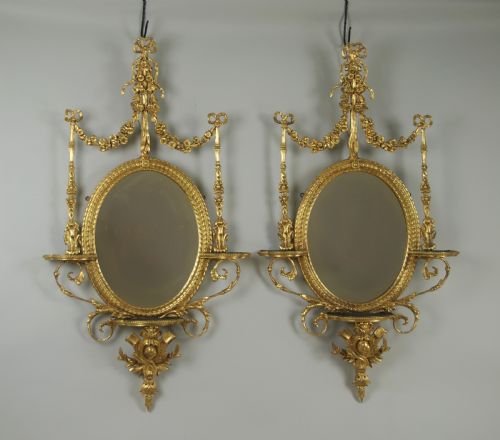
When searching for antique wall console shelves, you encounter a varied group of architectural furnishings designed to mount directly to vertical surfaces. These pieces include compact wall brackets, console tables, mirrored display shelves, and pier mirrors with integrated brackets spanning several centuries of design. Most examples you meet on this page date from the nineteenth century, though earlier eighteenth-century architectural fragments and later twentieth-century French items also appear.
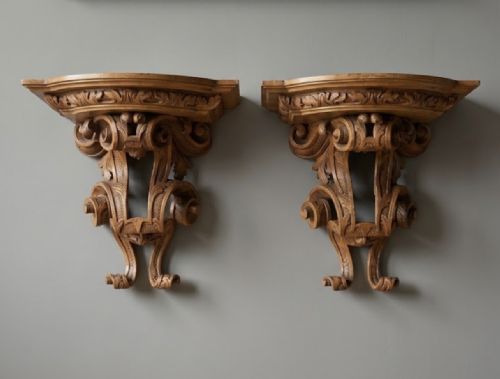
The forms range from small carved wooden wall brackets meant to support a single urn or figure to substantial console tables and mirrored combinations. Styles lean heavily towards the ornate, featuring Rococo Revival, Baroque Revival, Neoclassical, and Italian Rococo influences alongside Anglo-Indian and Black Forest carvings. These items served both practical and decorative functions in period interiors, lifting ornamentation off the floor and onto the walls.
How they were made
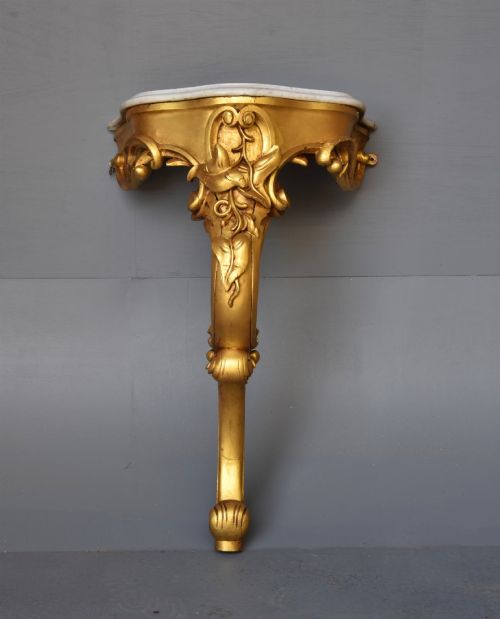
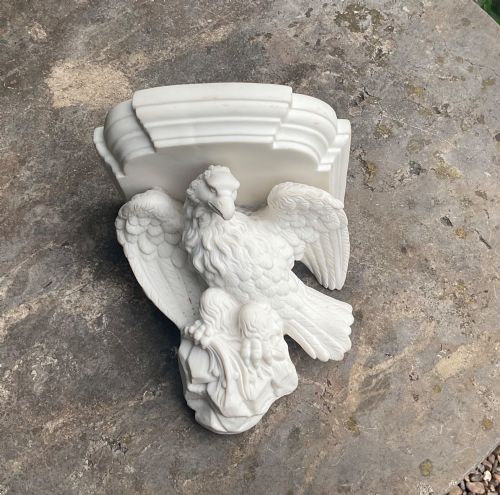
Makers relied primarily on carved wood, particularly walnut, oak, and red walnut, often applying gesso layers to build up intricate relief decoration before gilding with gold leaf. Giltwood and gilded finishes dominate the selection, creating reflective surfaces that catch natural light in domestic rooms. Alternative materials such as terracotta, Parian ware, majolica ceramic, and marble surfaces appear on specific brackets and console tables.
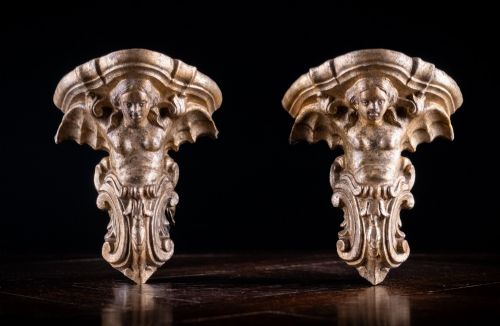
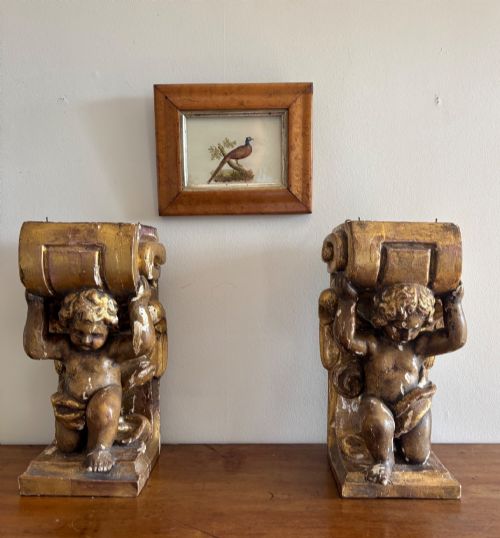
Joinery and hand-carving define the construction methods of these wall fixtures. Artisans utilised hand-carved techniques to shape figurative elements like cherubs, winged sirens, and devils, alongside scrolling acanthus leaves. Mirrors incorporated into these pieces involve bevelled glass set within heavy timber or gesso-moulded frames.
Carved wooden cherubs and winged sirens gaze permanently from these walls, watching over modern rooms with nineteenth-century poise.
What varies in quality
The depth and crispness of the hand-carving distinguish finer pieces from simpler commercial output. Master carvers achieved remarkable definition in facial expressions, feathers, and foliage, whereas lesser examples show softer, shallower relief work. The integrity of the underlying gesso and the preservation of original gold leaf gilding also influence the overall character of a piece.
Material selection plays a significant role in a piece's standing, with solid walnut and heavy carved giltwood representing high standards of period craftsmanship. The quality of associated elements, such as fitted marble tops, mirror glass clarity, and ormolu mounts, separates standard domestic furnishings from exceptional decorative items.
Luigi Frullini
The Antique Wall Console Shelves Glossary
- Wall Bracket
- A decorative architectural support projecting from a wall to hold an object or figure. These range from small wooden corbels to ornate gilded platforms.
- Giltwood
- Timber that has been coated with gold leaf or a gold-coloured substance. This finish was widely utilised during the Victorian and earlier centuries to catch candlelight.
- Gesso
- A plaster-like mixture applied to wood surfaces as a base for painting or gilding. It allows craftsmen to model intricate low-relief ornamentation before applying gold leaf.
- Pier Glass
- A tall mirror designed to hang on the pier, the solid wall space between two windows. They often feature integrated console shelves or brackets beneath the glass.
- Corbel
- A structural or decorative bracket projecting from a stone or wooden wall. In these listings, carved wooden corbels function as sturdy wall shelves.
Antique Wall Console Shelves: Frequently Asked Questions
How were antique wall console shelves used?
These pieces functioned primarily to display decorative objects, clocks, or porcelain figures above eye level while saving floor space in period rooms. They added architectural depth to plain walls and served as focal points in drawing rooms and hallways.
Combined with mirrors, console shelves helped to bounce natural light around dimly lit nineteenth-century interiors. They also acted as surfaces for candles, enhancing the illumination of a space before electricity became common.
How do I secure a heavy wall shelf safely?
Mounting antique wall console shelves requires locating solid wall studs or using heavy-duty wall anchors appropriate for plaster or brick. The substantial weight of carved wood, marble tops, and gesso demands secure load-bearing fixings.
Many brackets feature original hanging loops or backplates designed for sturdy screws. Distributing the weight correctly prevents strain on the antique timber joints and historical fixings.
How can I tell Victorian pieces from earlier eras?
Victorian examples often display exuberant revival styles, combining heavy gesso work with mirror glass and dark woods like walnut. They frequently reflect industrial-era production methods alongside skilled hand-carving.
Eighteenth-century items generally show deeper, more organic carving styles and distinct patination on the timber and gilding. Examining the backboards, fixings, and tool marks helps confirm the age of the structure.
What is the difference between a bracket and a console?
Wall brackets are typically compact, singular projections fixed directly to a wall to support small objects. They focus heavily on carved ornamentation and sculptural forms like cherubs or foliage.
Console tables and wall consoles are larger furnishings that often include front legs or extend further outward from the wall. They frequently incorporate marble tops and integrated mirrors above the surface.
How do I clean gilded and carved wooden shelves?
Dusting requires a very soft, dry brush to avoid disturbing fragile gesso and nineteenth-century gold leaf. Moisture can damage delicate gilding and old timber, so water and chemical cleaners should be strictly avoided.
Professional conservation is recommended for deep cleaning or securing loose elements. Preserving the original surface finish maintains the historical character of the piece.