


Antique Wall Bell
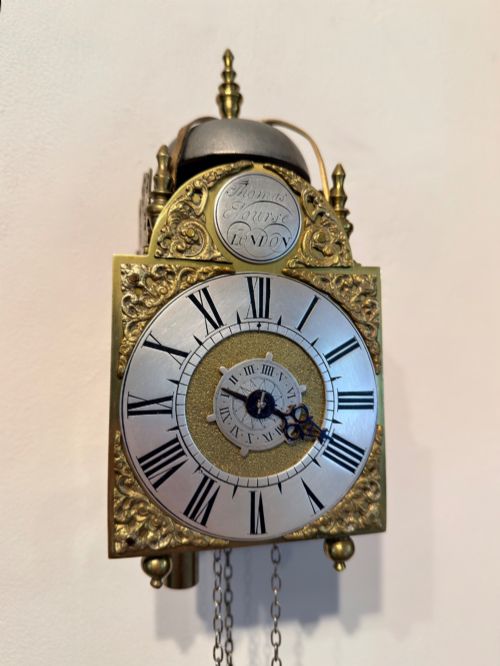
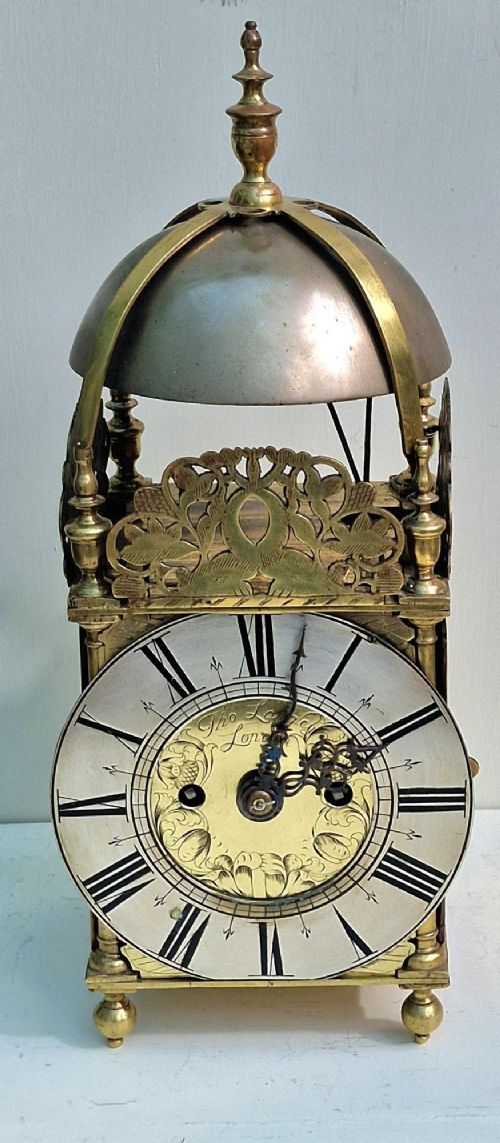
An antique wall bell provides a practical summons with solid metal tone and period mounting.
Antique Wall Bell
An antique wall bell brings together functional metalwork and period wall brackets designed for summoning staff or sounding an alarm in a traditional interior. The examples found here span the Victorian era and the 1900s, often appearing as brass bells mounted upon iron brackets or serviced by wall pull mechanisms.
Buyers seeking an antique wall bell encounter items ranging from simple servants' bells to ornate domestic call systems and school gongs. These pieces reflect the functional requirements of large households, institutions, and country estates during the nineteenth and early twentieth centuries.
Materials and Construction
The construction relies heavily on durable metals like brass and cast iron, chosen for their acoustic resonance and structural strength when mounted on walls. Brackets and mountings frequently employ iron or wood, securing the hanging bell firmly for daily use.
Manufacturing techniques combine metal casting for the bells themselves with forged or cast brackets designed to withstand repeated pulls. Finishes range from polished brass to patinated iron, showing the straightforward utilitarian workmanship of the period.
Some Victorian servants' bells survived decades of kitchen steam only to end up mounted in modern dining rooms as dinner summoners.
Markers of Quality
Quality in an antique wall bell rests upon the clarity and sustain of the tone produced by the metal alloy. A superior piece possesses a well-cast dome that rings true without distortion.
The integrity of the original mounting hardware also separates better examples from standard items. Original cast iron brackets, matching fixings, and functional mechanical linkages demonstrate superior original manufacture.
The Antique Wall Bell Glossary
- Bracket
- A supporting arm or framework projecting from a wall to hold a bell. This architectural element bears the weight and directs the swing of the hanging metal dome.
- Servants' bell
- A signaling device used in large houses to summon domestic staff from various rooms. These often include wall-mounted pulls and distinct tone mechanisms.
- Cast iron
- An iron-carbon alloy poured into a mould to form rigid brackets and structural mounts. It offers high compressive strength and durability for wall fixtures.
- Patina
- The surface texture and coloration developed through age, handling, and oxidation. This natural finish indicates genuine period use and material authenticity.
Antique Wall Bell: Frequently Asked Questions
How do I mount an antique wall bell safely?
Mounting requires securing the bracket directly into solid masonry or wall studs using appropriate fasteners. The weight of the metal bell and the force of ringing demand robust wall anchors.
Ensure the clapper moves freely without striking the mounting plate incorrectly. Proper clearance allows the bell to resonate fully when operated.
Were these bells used indoors or outdoors?
Most domestic and servants' bells were installed indoors within hallways, kitchens, or service corridors. Their primary purpose was communication between different rooms of a large household.
Larger specimens sometimes served as school, estate, or entryway signals. Their placement depended entirely on where a clear sound was needed to summon attention.
What metals are most common in these bells?
Brass is the predominant metal used for the bell domes due to its bright tone and resistance to corrosion. It provides the clear resonance expected from a functional signal.
Supporting brackets and operating levers typically utilise cast iron or wrought iron for added structural stability. Combinations of brass and iron are standard in Victorian and Edwardian examples.
How can I tell a Victorian wall bell from a later piece?
Victorian examples generally exhibit traditional sand-casting textures on the iron brackets and hand-finished details on the brass components. Fasteners and fixings from this period often display hand-cut or early machine-threaded screws.
Later reproductions or twentieth-century pieces tend to feature uniform modern machining and lack the authentic wear patterns found on genuine period mountings.