



Antique Vitrine Cabinet Table
An antique vitrine cabinet table combines glazed display space with a raised surface, offering a clever way to exhibit small collections.
Antique Vitrine Cabinet Table
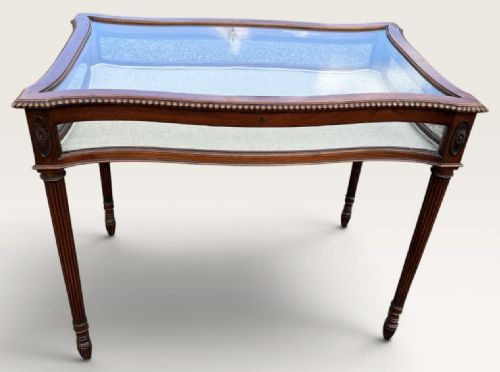
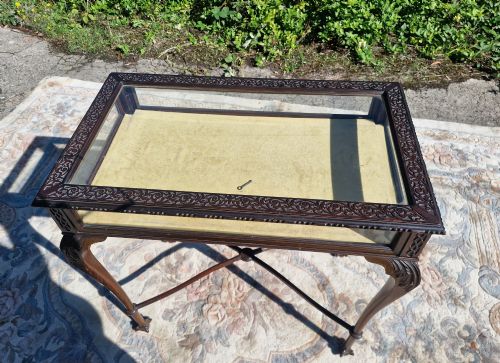
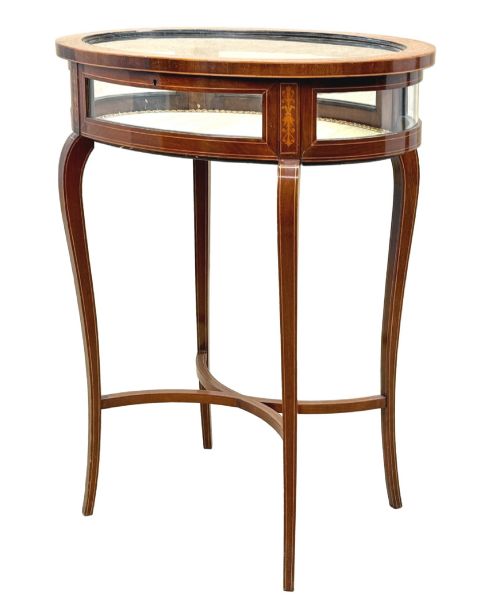
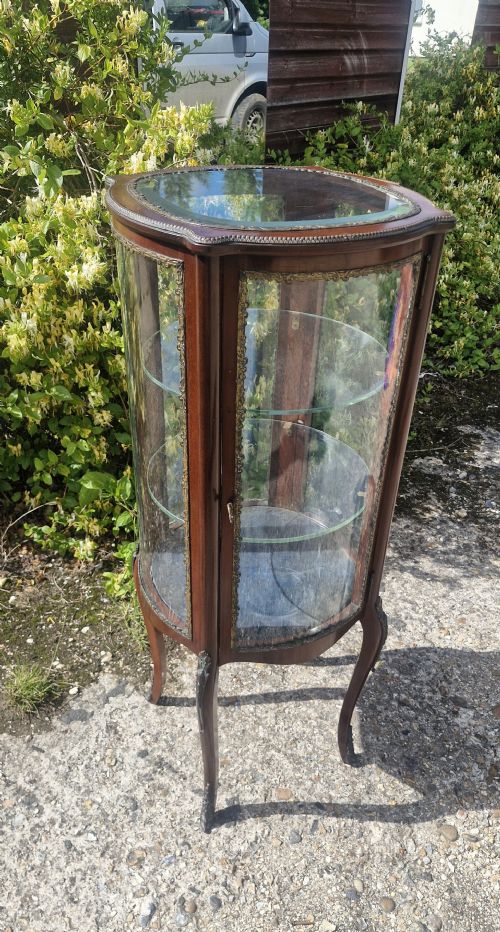
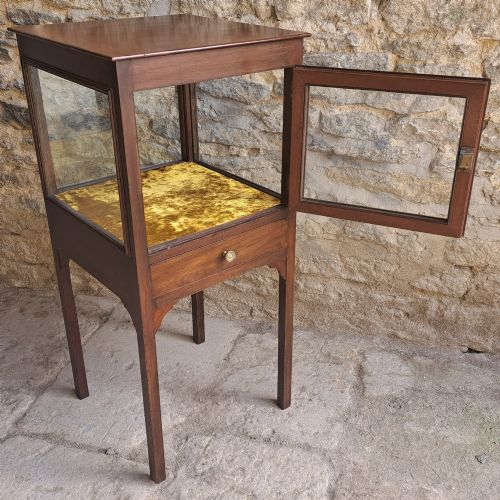
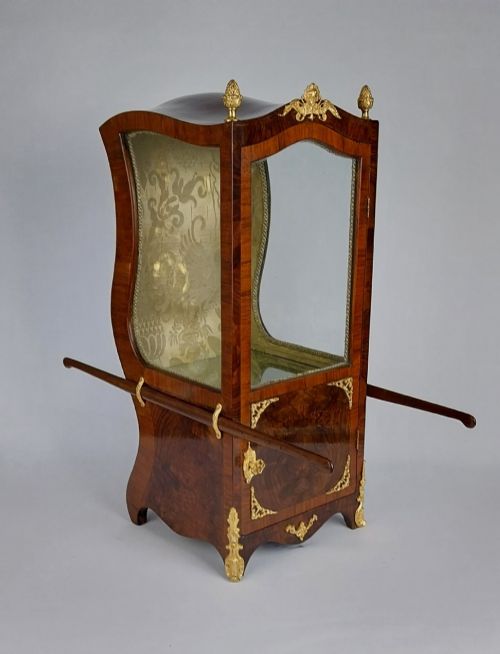
The antique vitrine cabinet table encompasses display tables, bijouterie tables, and table top vitrines designed for showing personal items. These pieces frequently appear in Edwardian and Victorian forms, alongside French nineteenth century revival styles.
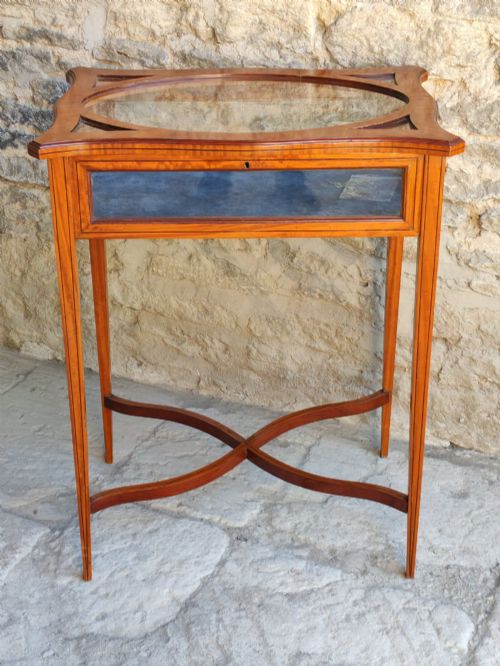
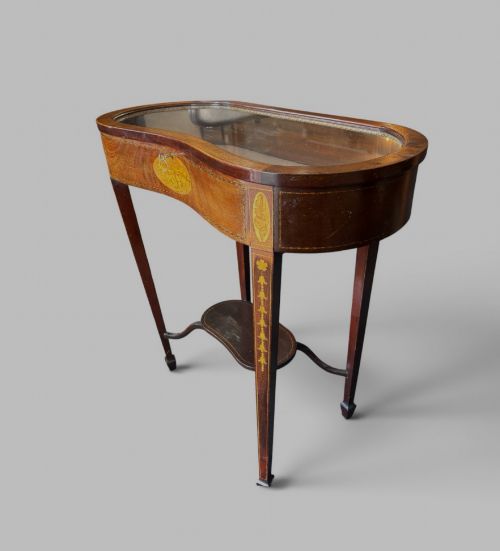
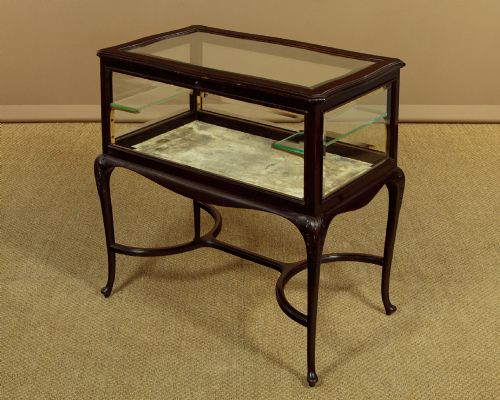
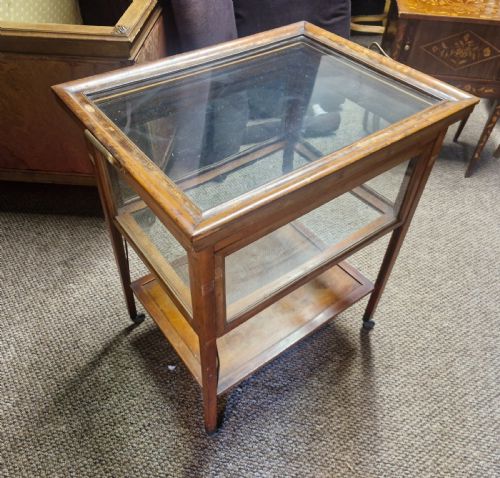
Makers often shaped these glass-topped display pieces in rectangular, oval, serpentine, octagonal, or kidney outlines. Mahogany and satinwood serve as the primary timbers, frequently paired with glazed compartments for holding jewellery and curiosities.
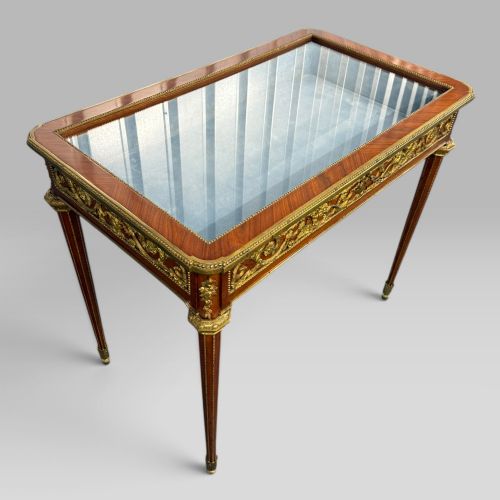
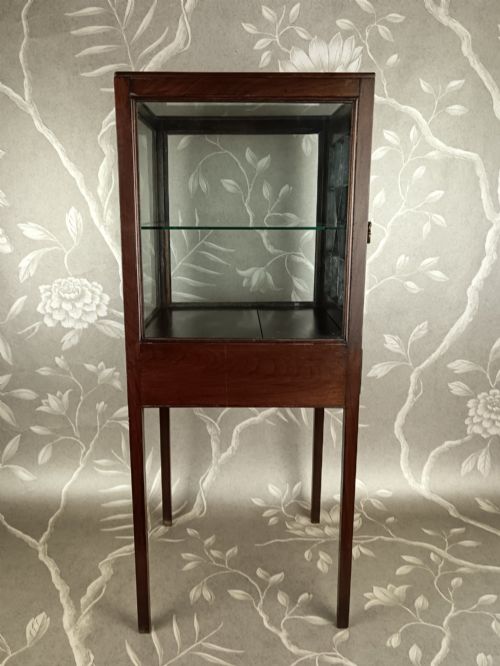
The selection ranges from tall freestanding vitrines down to low tea trolleys and compact tabletop display cases. English Edwardian examples and French ormolu-mounted pieces dominate the available variations.
Assessing Quality
The precision of timber joinery and the crispness of marquetry inlay set finer pieces apart from standard workshop production. Superior examples utilise dense grains of mahogany or kingwood with balanced, symmetrical veneers.
The weight and hand-chasing of the bronze or ormolu mounts indicate the standard of manufacture. Finely cast mounts fit flush against the wooden curves without excessive spacing or crude pinning.
Originality of the interior fabric lining and the clarity of the bevelled glass panes influence the overall character. Heavy gauge glass and robust hinges ensure the lid supports its own weight securely when opened.
Listings feature mahogany, satinwood, and kingwood timbers combined with bevelled glass and velvet linings across various revival styles.
Edwards and Roberts
The Antique Vitrine Cabinet Table Glossary
- Vitrine
- A glass-fronted or glass-topped cabinet designed for the display of curiosities and works of art. These enclosures protect delicate items from dust while maintaining maximum visibility.
- Bijouterie table
- A specialised display table featuring a glazed compartment beneath the top surface for showing jewellery and small collectables. They gained popularity during the Victorian and Edwardian periods.
- Ormolu
- Gilded bronze ornamentation applied to furniture, popular in French nineteenth century design. The technique involves applying a mercury and gold amalgam to cast bronze.
- Marquetry
- Decorative patterns formed by fitting contrasting pieces of veneer into a wooden background. This technique appears frequently on Edwardian satinwood and mahogany surfaces.
- Serpentine
- A furniture outline characterised by a wavy line with a convex centre flanked by concave sides. This flowing shape demands high woodworking skill to execute cleanly in solid timber.
Antique Vitrine Cabinet Table: Frequently Asked Questions
What fits inside an antique vitrine cabinet table?
These glass-topped tables suit small collectables such as pocket watches, vintage jewellery, medals, and miniature ornaments.
The shallow glazed well keeps delicate items secure and visible from above without cluttering general surface space.
How do I clean the interior velvet lining?
Gentle surface dusting with a soft brush helps maintain fabric linings without damaging fragile old textiles.
Avoid liquid cleaners or harsh scrubbing inside the wooden wells to protect the surrounding antique timber veneers.
Are these tables sturdy enough for daily use?
Most pieces function well for serving tea or displaying objects, provided the joints and leg fastenings remain stable.
Heavier loads should stay on the lower shelves rather than the glazed display tops.
How do I distinguish Edwardian from Victorian pieces?
Edwardian examples tend to feature lighter satinwood finishes and delicate inlay work reflecting Sheraton revival tastes. Victorian pieces often utilise heavier mahogany or kingwood with prominent ormolu mounts.