

Antique Vinaigrette Box
An antique vinaigrette box is a small, hinged receptacle for aromatic vinegars used historically to mask odours, crafted predominantly in sterling silver during the Georgian and Victorian periods.
Antique Vinaigrette Box
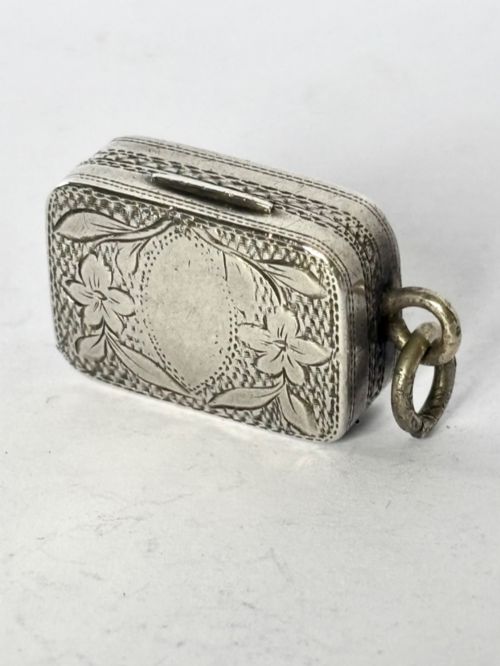
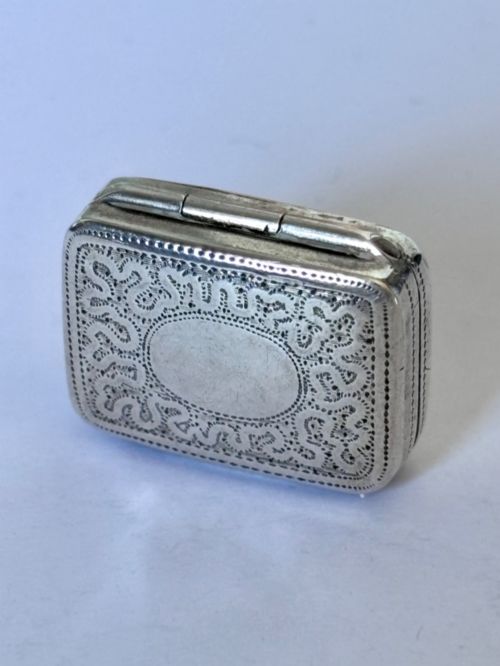
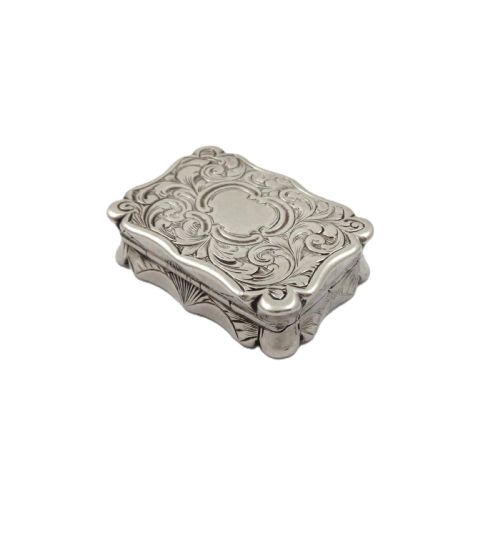
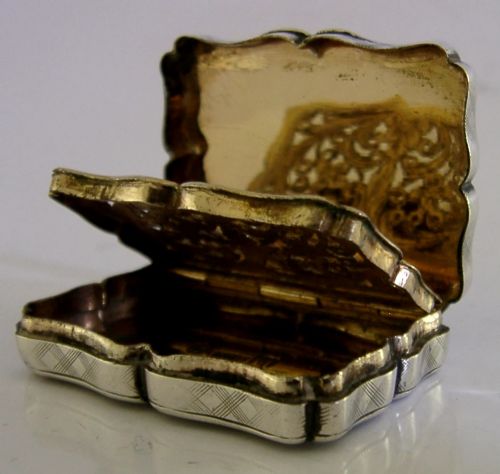
An antique vinaigrette box is a miniature pocket container designed to hold a fragrant sponge soaked in scented vinegar, utilised for personal refreshment when foul odours arose in public spaces. The pieces gathered on this page span the Georgian, William IV, and Victorian periods, alongside Chinese Export and Swiss examples originating from the late eighteenth century through to the end of the nineteenth century.
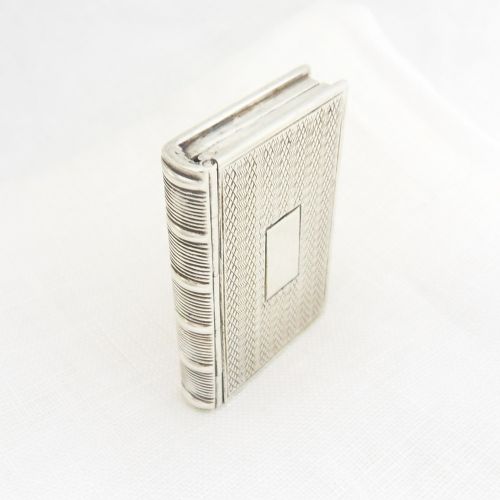
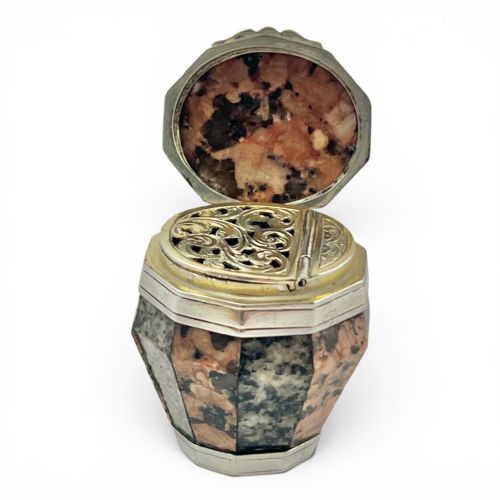
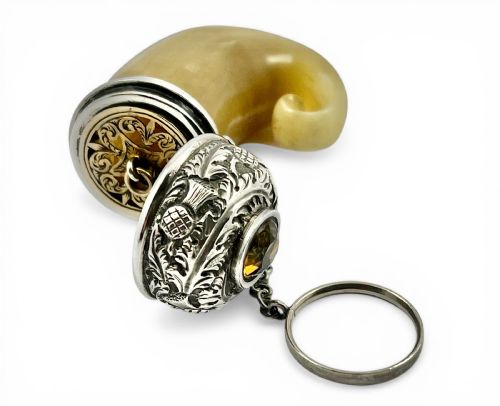
The dominant forms are small silver boxes, though the inventory also encompasses novelty shapes such as books, fish with articulated bodies, barrel designs in Scottish granite or horn, and specialised combinations like snuff and pill boxes or nutmeg graters. Buyers will most frequently encounter sterling silver and silver gilt iterations produced by notable silversmiths operating in Birmingham and London.
How they were made
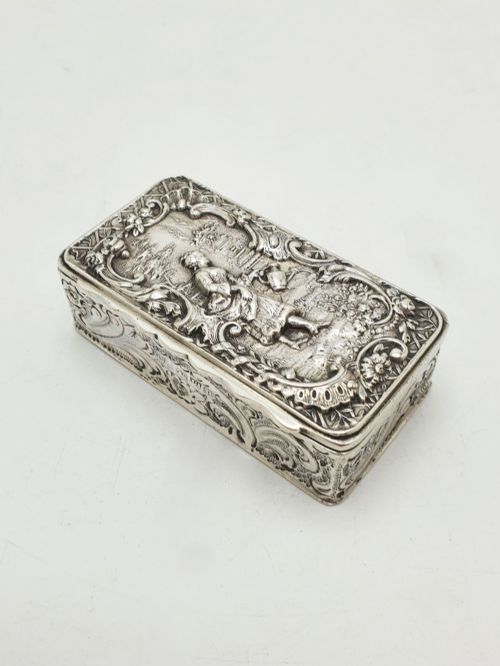
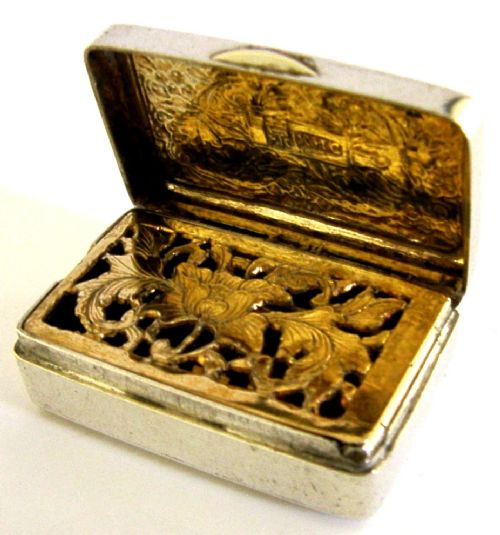
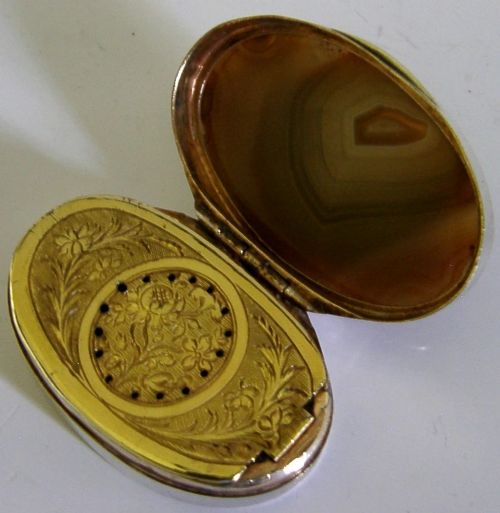
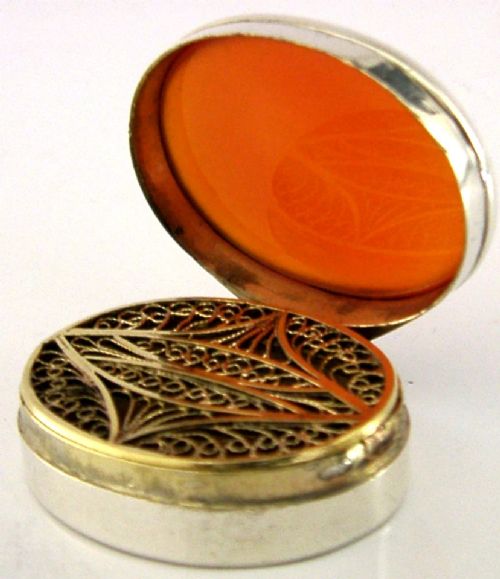
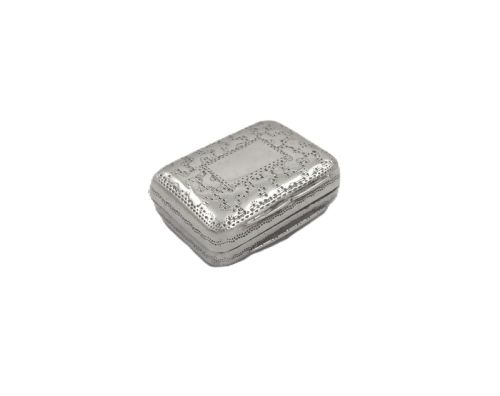
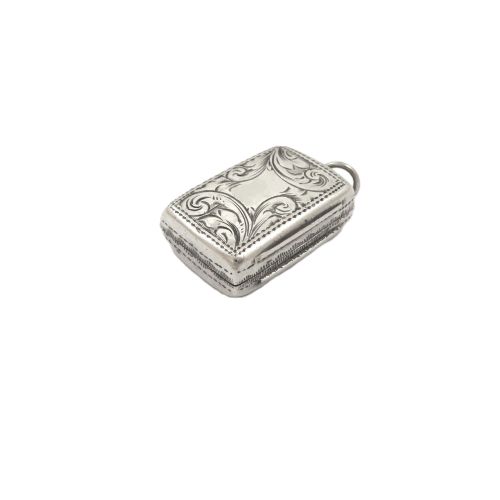
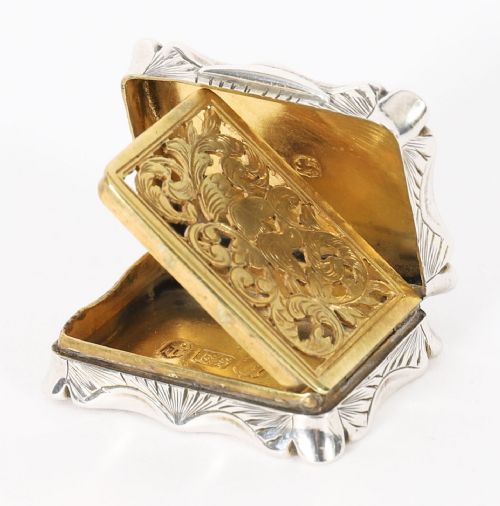
Silversmiths constructed these miniature vessels primarily from sterling silver, frequently applying a gold wash or silver gilt to the interior to protect the base metal from the corrosive nature of the acidic vinegar. Exterior surfaces display techniques such as repoussé work, engine turning, and delicate piercing on the interior grille that retained the soaked sponge.
Specialist materials beyond metal appear regularly in the evidence, incorporating orange and grey agate panels, cowrie shells, citrine, horn, and enamel. Artisans secured these decorative inlays and stones into the hinged lids and bodies with precise bezel settings, while complex novelty pieces required articulated joints and functional miniature hardware.
Some nineteenth-century makers transformed functional vinegar containers into swimming creatures with fully articulated silver tails and hinged heads.
What varies in quality
The distinction between standard output and finer examples rests in the complexity of the interior grille piercing and the crispness of the exterior chasing or repoussé decoration. Superior pieces exhibit deeply articulated motifs, such as architectural castle top scenes or fine foliate scrolls, executed with sharp definition that remains uncompromised by wear.
Material selection and maker attribution elevate individual boxes, with gold construction, precious stone lids like agate or citrine, and documented maker marks commanding greater attention. The presence of original fitted leather cases and intact internal sponges further separates standard functional boxes from exceptional collector pieces.
Taylor and Perry·Samuel Pemberton·Thomas Johnson·Nathaniel Mills·Jacob Amyand·Giles Loyer·John Bettridge·Edward Smith·Reily and Storer
The Antique Vinaigrette Box Glossary
- Vinaigrette
- A small pocket container fitted with a hinged lid and an internal pierced grille designed to hold a vinegar-soaked sponge.
- Silver gilt
- Sterling silver that has been coated with a thin layer of gold, protecting the metal interior from chemical corrosion.
- Repoussé
- A metalworking technique where the artisan hammers the design from the reverse side to form a raised relief pattern on the surface.
- Grille
- The internal pierced or engraved metal plate that covers the aromatic sponge while allowing the scent to escape.
- Castle top
- A specialised pictorial style featuring a detailed engraving or repoussé relief of a specific historic building on the lid.
Antique Vinaigrette Box: Frequently Asked Questions
What is an antique vinaigrette box?
An antique vinaigrette box is a small portable container used in the Georgian and Victorian eras to carry aromatic vinegars. They were carried in pockets or reticules to refresh the senses.
Inside the hinged lid, these boxes feature a perforated metal grille. This grille sits over a tiny sponge soaked in scented liquid, allowing the fragrance to diffuse when opened.
How were vinaigrettes used historically?
People carried these boxes during times when unpleasant street odours or poor sanitation made public outings difficult. Opening the box provided immediate relief from foul smells.
They also served as a restorative remedy for ladies prone to fainting or feeling unwell in crowded, poorly ventilated assembly rooms.
What materials are used in these boxes?
Sterling silver forms the primary body of most surviving examples, frequently paired with a gold gilt interior. This metal layer prevented the acidic vinegar from eroding the silver.
Other versions incorporate natural materials such as agate stones, cowrie shells, horn, citrine, and enamel, alongside solid gold or novelty configurations shaped like fish and books.
How do I identify Georgian and Victorian boxes?
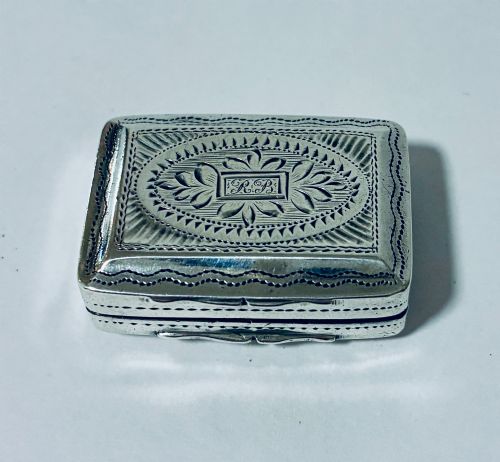
Georgian pieces often display bright-cut engraving, Neoclassical motifs, and makers associated with early nineteenth-century Birmingham and London workshops. Their overall construction tends toward classic geometric forms.
Victorian examples frequently introduce heavier repoussé work, novelty shapes, and specific pictorial lid designs like architectural castle scenes. Hallmarks stamped on the metal provide precise verification of the assay office and date.