

Antique Victorian Taper Holders
Antique victorian taper holders bring practical nineteenth-century lighting into modern interiors through brass, silver plate and sterling silver forms.
Antique Victorian Taper Holders
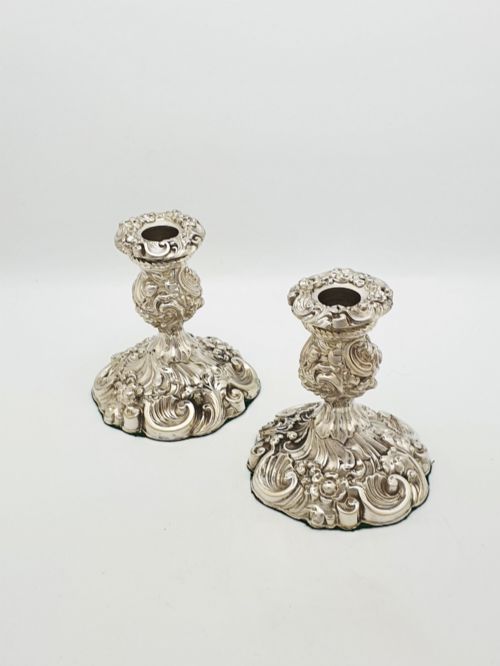
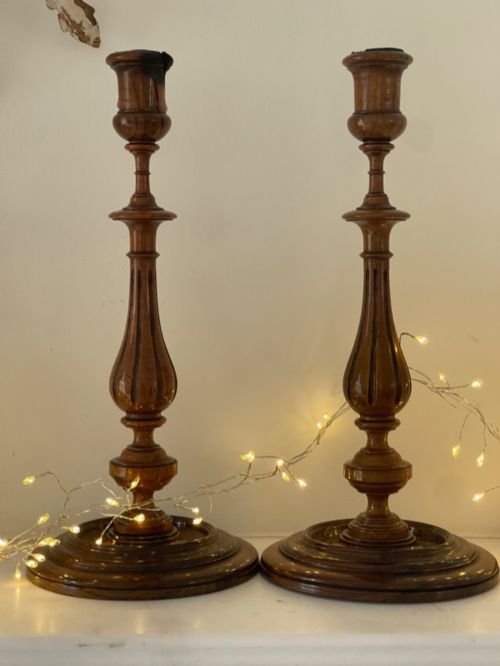
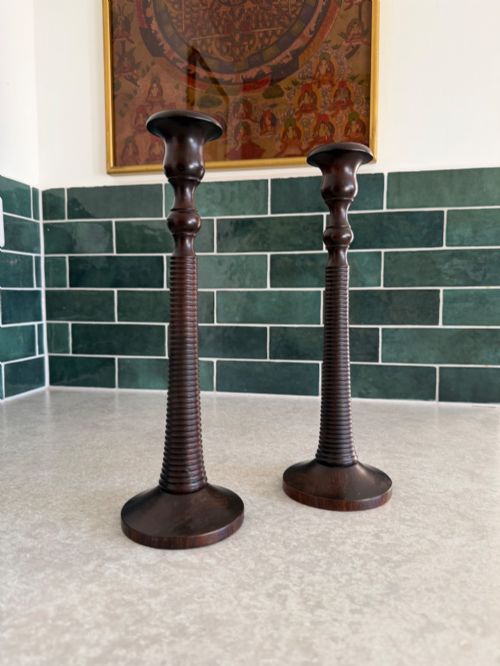
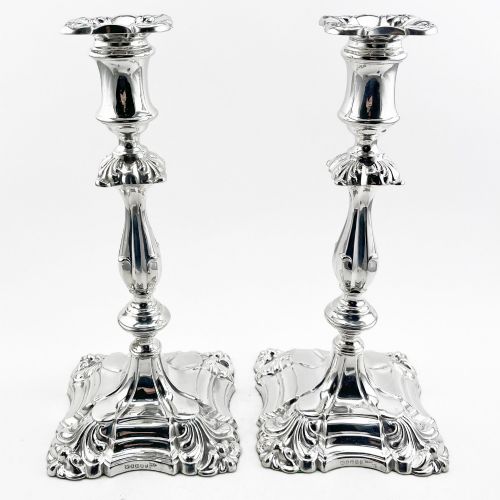
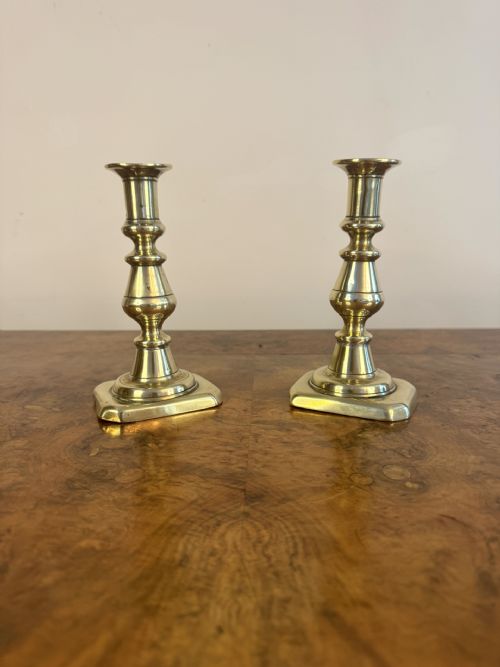
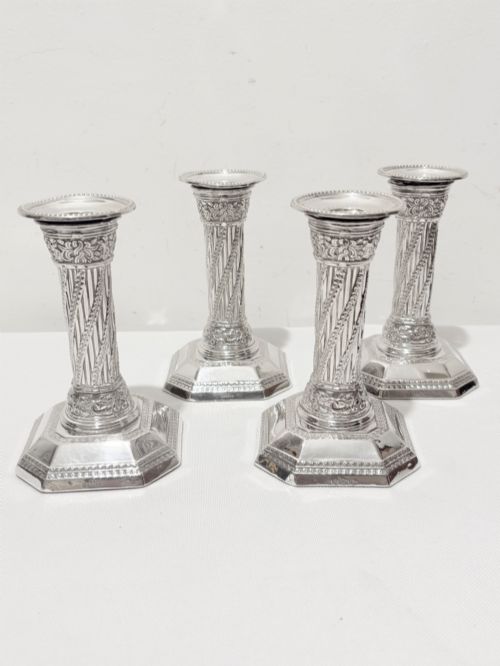
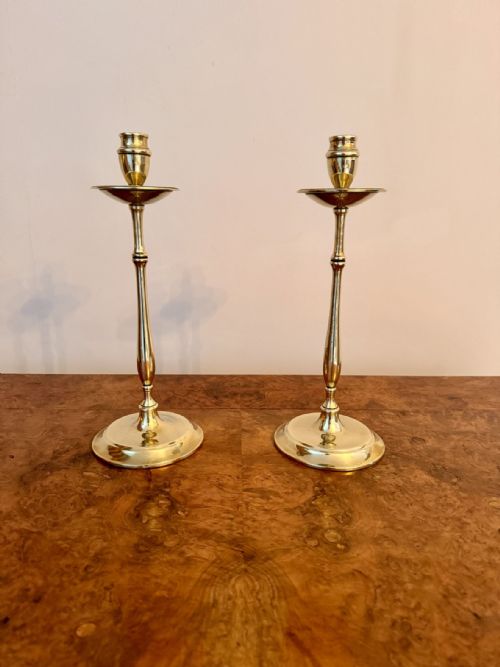
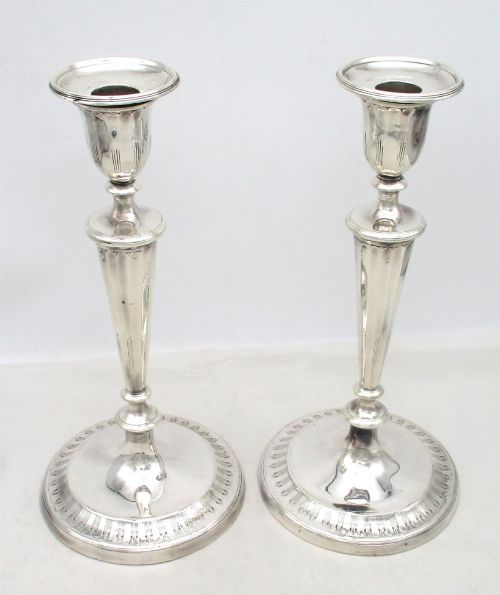
Antique victorian taper holders encompass candlesticks, chambersticks and desk pieces designed for domestic illumination during the nineteenth century. Buyers searching this phrase encounter numerous brass and silver plated examples alongside sterling silver and pewter pieces.
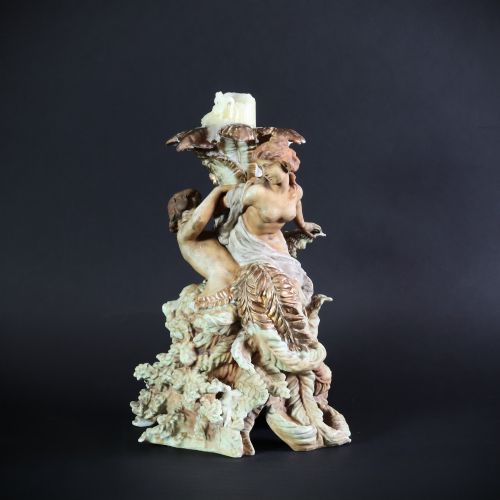
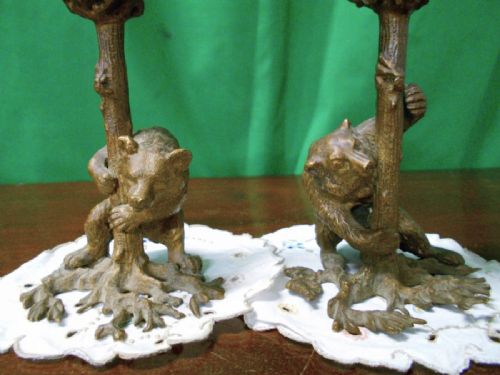
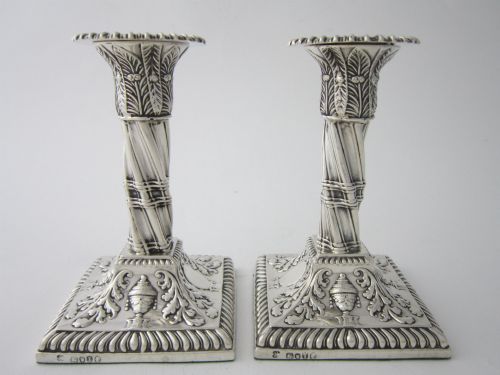
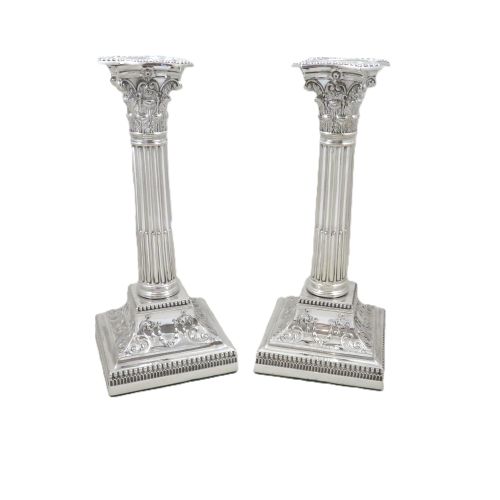
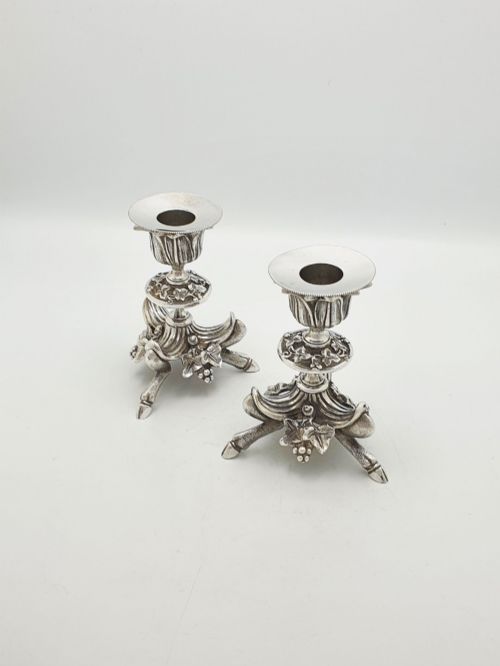
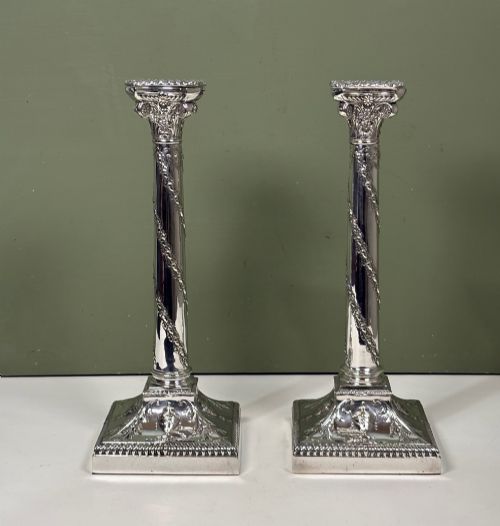
The selection ranges from tall church candlesticks and classical Corinthian columns to miniature desk accessories and figural models. Many items reflect distinct periods from the 1800s through to 1900, showing influences of Gothic Revival, Neoclassical and Art Nouveau styles.
How They Were Made
Metalworking techniques dictate the construction of these items, utilising cast and seamed brass, bronze and pewter. Silversmiths applied silver plate and sterling silver over base metals or constructed solid silver vessels hallmarked in cities such as Sheffield.
Artisans incorporated diverse decorative elements including twisted stems, porcelain inserts, tortoiseshell panels and figural motifs. Surface finishing relies on hand-polished metalwork and detailed chasing rather than applied machinery.
Antique Victorian Taper Holders Retail Price Guide 2026
Typical asking prices for victorian taper holders among the pieces listed under this phrase on Sellingantiques today, from the lower quarter to the upper quarter. They describe what is for sale here now, not the wider market.
Listings span the nineteenth century, featuring brass, silver plate, pewter, bronze, tortoiseshell and sterling silver across styles from Neoclassical to Art Nouveau.
What Varies In Quality
The distinction between standard production items and superior pieces rests upon weight, crispness of cast detail and the integrity of construction. Heavygauge brass and substantial silver plating indicate higher grade manufacturing from the period.
Design complexity also separates standard domestic candlesticks from elaborate figural subjects or architectural column forms. Pieces bearing clear hallmarks and named manufacturer stamps generally represent more desirable examples.
Frederick J Smith & Co·WMF
The Antique Victorian Taper Holders Glossary
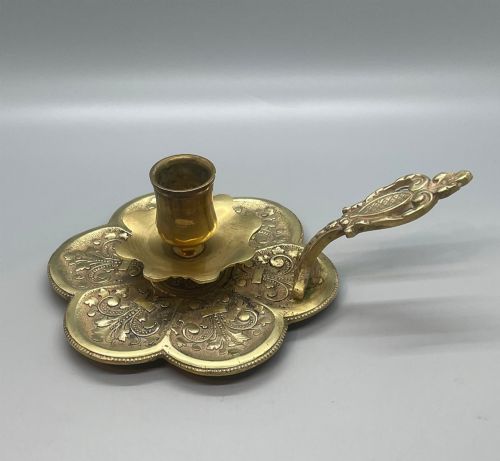
- Chamberstick
- A short candlestick fitted with a pan or saucer base and a small handle. This portable design allowed individuals to carry light through dark hallways.
- Vesta case
- A small pocket container designed for holding matches. These frequently appear combined with go-to-bed taper holders.
- Silver plate
- A thin layer of silver fused or electroplated onto a base metal core such as copper or nickel silver. This technique provided the appearance of solid silver at a lower cost.
- Pewter
- A malleable metal alloy primarily composed of tin with copper and antimony. It was frequently cast into domestic vessels and candlesticks during the nineteenth century.
- Hallmark
- An official stamp applied to precious metals indicating the standard of purity, assay office and date of manufacture.
Antique Victorian Taper Holders: Frequently Asked Questions
What is a taper holder?
A taper holder is a small device designed to burn narrow wax tapers rather than thick candles. These were typically utilised for lighting pipes, sealing wax on correspondence or carrying brief illumination.
Victorian examples frequently sit on desks or act as portable chambersticks for bedroom use.
How do I clean antique brass?
Cleaning antique brass requires mild soap and warm water applied with a soft cloth to remove accumulated dust and grime. Modern abrasive polishes remove historic patination and should be avoided.
Gentle maintenance preserves the original surface finish developed over the nineteenth century.
Are these items solid silver?
Many items utilise brass, pewter, bronze or silver plate over base metals rather than solid silver. Sterling silver pieces feature official hallmarks confirming their precious metal content.
Examining the base or stem often reveals maker marks and metal indicators.
How do I date these candlesticks?
Dating relies on stylistic clues, manufacturing techniques and official silver hallmarks when present. Nineteenth-century pieces reflect changing tastes from early Victorian severity to later Art Nouveau curves.
Comparative analysis of base construction and material composition helps narrow the production window.