



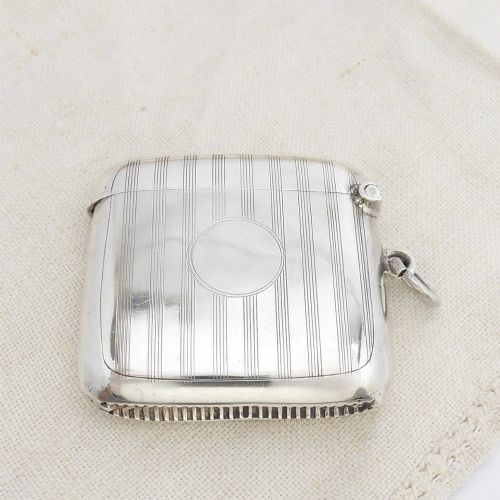
Antique Vesta Box
When you handle an antique vesta box, you hold a pocket-sized striker designed to keep matches dry and ready before safety matches changed the habits of a century.
Antique Vesta Box
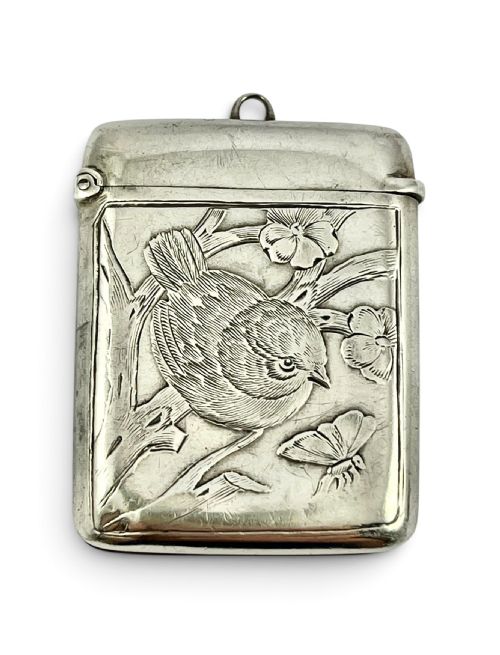
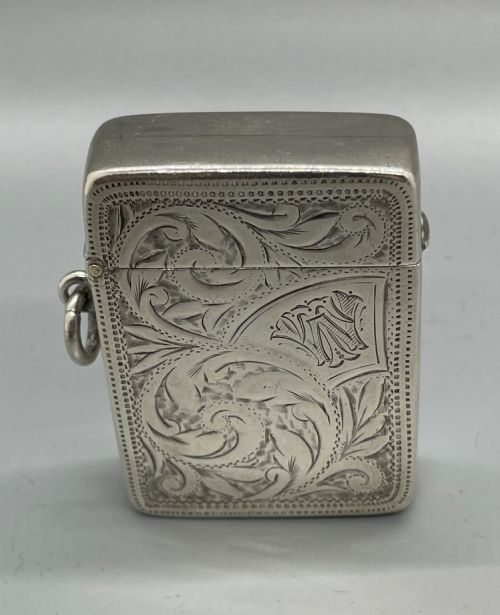
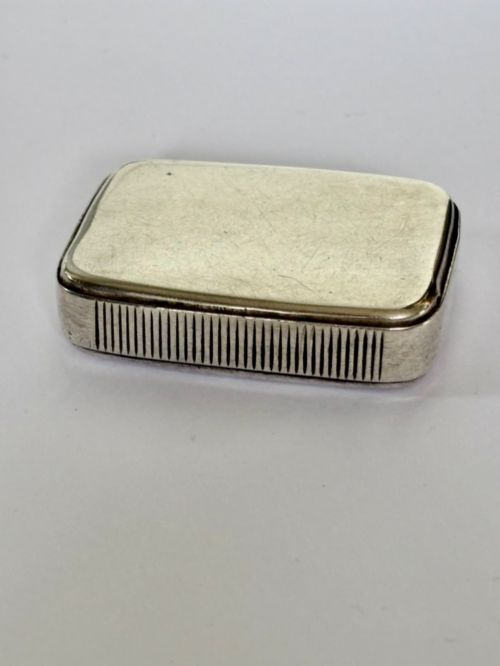
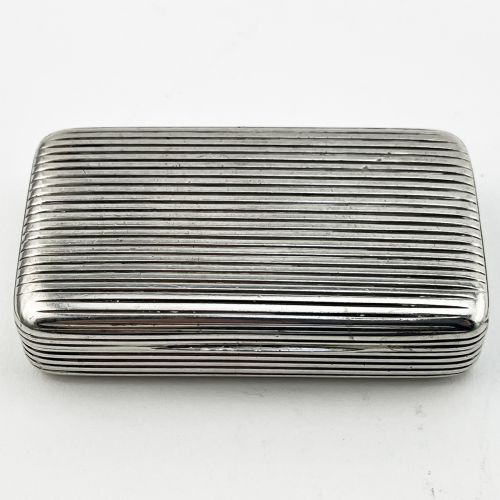
An antique vesta box, often termed a vesta case or matchsafe, is a small lidded container meant for carrying wax matches safely in a waistcoat pocket or handbag.
The pieces you meet on this page span the Victorian and Edwardian eras through to the 1920s, reflecting shifts in smoking habits and personal accessories.
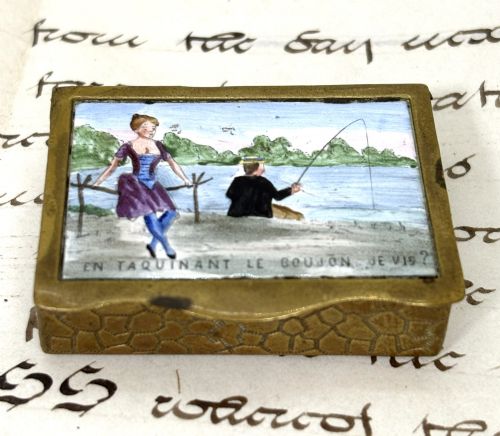
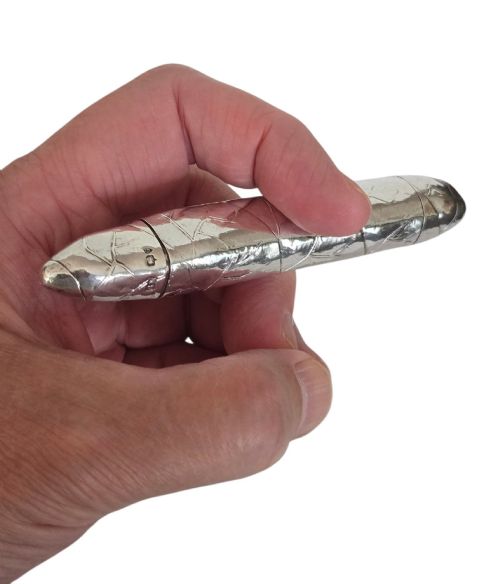
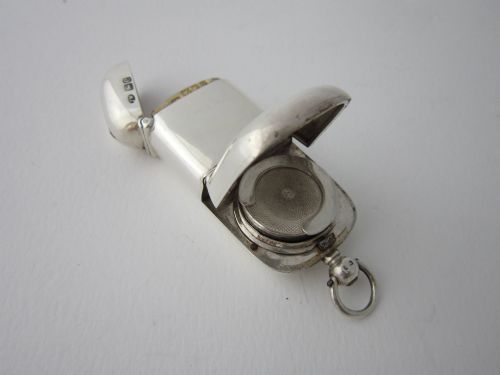
Makers shaped these utilitarian containers into standard rectangular forms, pocket books, and playful novelties including animals, boots, and sentry boxes.
How they were made
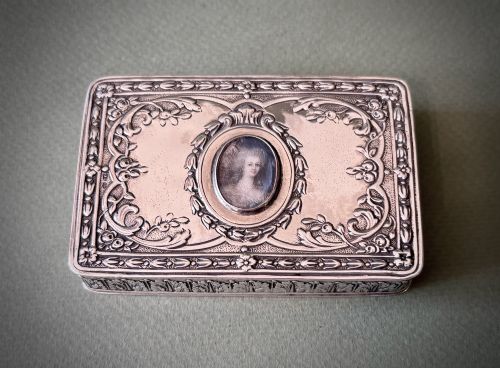
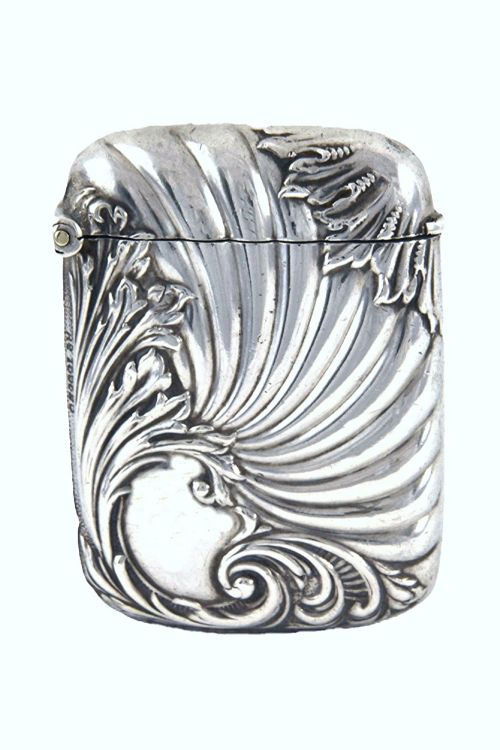
Silversmiths formed the main bodies of sterling silver, brass, or gold using techniques such as stamping, casting, and repoussé to create crisp hallmarks and detailed surface decoration.
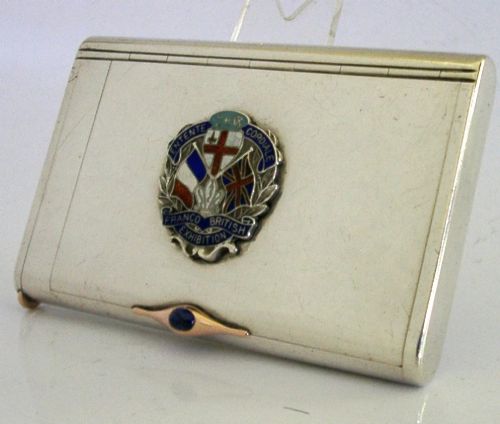
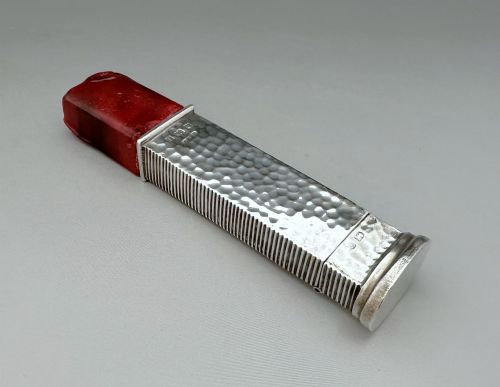
Enamel work, sealing wax, tortoiseshell, and inset jewels frequently adorn the metal surfaces, adding colour and texture to the exterior.
Makers integrated hinged lids with internal spring mechanisms to keep the match compartment tightly closed against moisture, often incorporating a striated striking surface on the base.
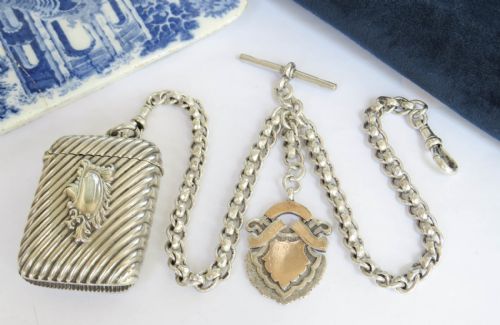
Object forms range from standard vesta cases and matchbook boxes to watch fobs, snuff boxes, and combination sovereign holders.
What varies in quality
Quality rests in the crispness of the casting and the precision of the spring-loaded hinge, which should snap the lid shut with a clean action.
Sampson Mordan & Co·A & J Zimmerman·Robert Pringle·J.B. Bennet·Matthew Linwood·Stephen J Rose·Dunhill
The Antique Vesta Box Glossary
- Vesta
- A short wax match named after the Roman goddess of the hearth. These matches required a abrasive surface to ignite.
- Hallmark
- An official stamp applied to precious metals indicating the assay office, standard of purity, and year of manufacture. British pieces carry distinct town marks like Birmingham anchors or London leopards.
- Striker
- The corrugated or grooved area, usually located on the base of the case, used to ignite the vesta. It shows the wear of actual use.
- Combination case
- A multi-use pocket container that houses matches alongside stamps, sovereign coins, tobacco, or a miniature compass. These offer complex internal engineering.
- Novelty
- A piece formed to resemble an animal, human figure, or object rather than a standard box. These whimsical designs demanded higher skill from the metalworker.
Antique Vesta Box: Frequently Asked Questions
What is the difference between a vesta box and a snuff box?
A vesta box is specifically designed to hold matches and incorporates an integrated striking surface on the exterior, usually the base. Snuff boxes lack this abrasive strip because powdered tobacco requires no ignition.
While both served gentlemen and ladies as pocket accessories during the nineteenth century, their internal compartments and lid designs reflect entirely different contents.
How do I date an antique vesta box?
Dating relies heavily on the hallmarks stamped into the metal, which record the specific assay office and year letter for British pieces. Stylistic clues, such as Edwardian restraint versus Victorian high ornamentation, also narrow down the manufacturing decade.
Unmarked metal or continental pieces require careful comparison of the clasp construction, hinge style, and overall wear patterns to estimate their period.
Why do some vesta boxes have multiple compartments?
Combination pieces were built to carry more than just matches, reflecting the varied needs of Victorian and Edwardian travellers. You will find dual compartments that pair matches with stamps, sovereign coins, or dry snuff.
These multi-functional items required sophisticated internal dividers and secure individual lids within a single pocket-sized frame.
How were novelties used in daily life?
Novelty vestas shaped like animals, books, or boots served as striking conversation pieces drawn from a pocket or displayed on a smoking table. Despite their playful forms, they functioned as practical matchsafes with fully operational spring lids.
Owners appreciated the witty designs, which often caricatured public figures, popular animals, or sporting themes of the era.