




Antique Vernacular Pine Seat
An antique vernacular pine seat brings honest country character to a room, built by regional makers for everyday use.
Antique Vernacular Pine Seat
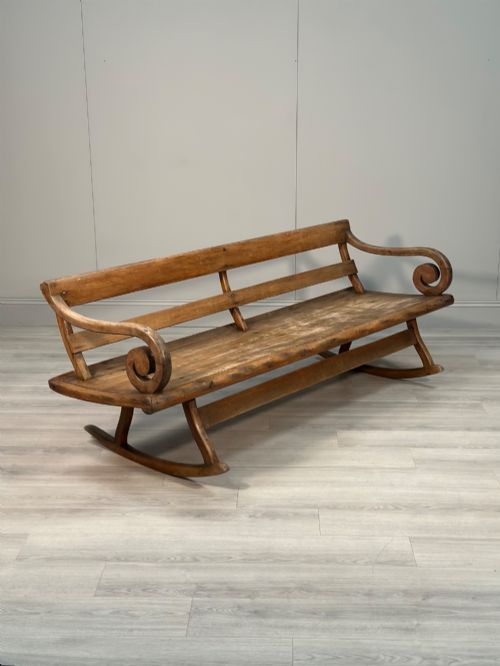
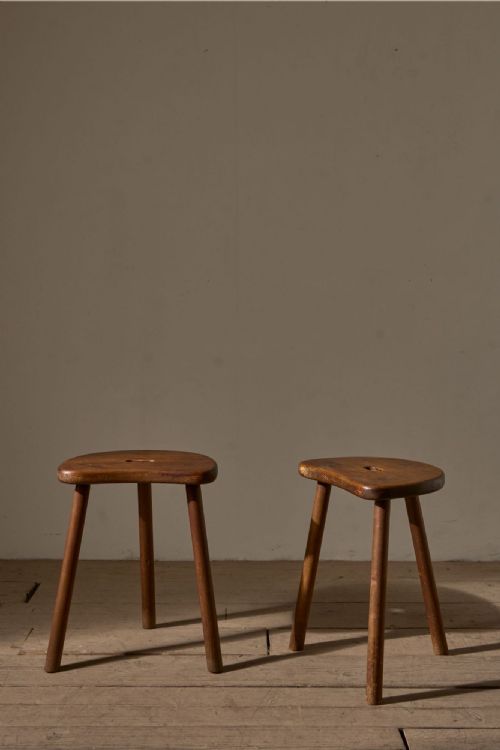
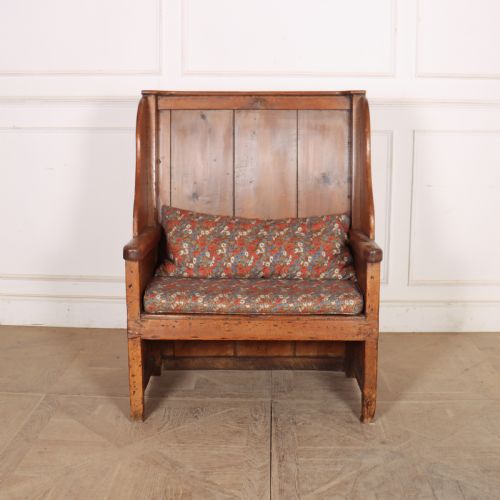
An antique vernacular pine seat encompasses practical domestic furniture made locally without grand workshop pretensions. These pieces range from robust benches and settles to windsor chairs, stools, and chair tables designed for hard service.
The versions met most often on this page hail from the nineteenth and eighteenth centuries, bearing regional traits from Wales, Scotland, England, France, and Scandinavia. They provide a direct link to rural domestic life through simple timber forms.
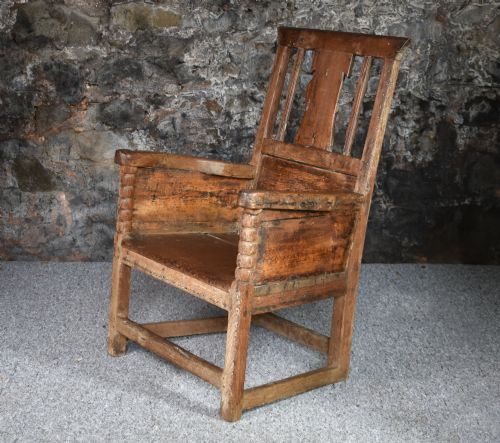
Buyers seek out an antique vernacular pine seat for its unpretentious utility and sculptural presence. Each surviving example displays the distinct regional traditions of its maker, whether constructed as a tavern bench or a crofter armchair.
How they were made
Makers utilised native softwoods and hardwoods such as pine, oak, elm, and ash, often combining timber types within a single frame for structural strength. Construction methods relied on straightforward joinery, pegged joints, and solid panel assembly suited to rural workshops.
Many examples retain traces of early paint or scratch built modifications that record generations of domestic use. Iron fasteners and reinforcements appear where local builders repaired or strengthened high stress areas on benches and settles.
A dug out chair is carved directly from a single log, proving that sometimes the best armchair is just a very determined tree trunk.
What varies in quality
Quality rests in the integrity of the surviving structure and the purity of the regional form. Pieces retaining their original painted surfaces or untouched surface patination stand apart from those stripped or heavily restored.
The balance of proportions and the boldness of the vernacular design dictate desirability. A well considered comb back windsor or a dug out chair with strong lines demonstrates the maker's eye for functional utility.
The Antique Vernacular Pine Seat Glossary
- Vernacular
- Domestic or functional architecture and furniture built by local craftsmen using traditional regional methods and materials. These pieces reflect the specific needs and available resources of a particular area.
- Settle
- A wooden bench with high back, solid arms, and often a storage box beneath the seat to block drafts in rural rooms. Settles served as principal seats beside hearths.
- Chair table
- A convertible piece of furniture featuring a large back that tilts forward on pivots to form a table top. This clever dual purpose design saved space in modest cottages.
- Dug out
- A form of primitive seating fashioned directly from a single solid log or trunk. The maker hollowed out the wood to form the seat and back.
- Comb back
- A Windsor chair variation where the vertical spindles of the back extend upward through a top rail to resemble the teeth of a comb. This construction offers lightweight resilience.
Antique Vernacular Pine Seat: Frequently Asked Questions
How do I date an antique pine seat?
Dating relies on examining construction techniques, tool marks, joinery style, and timber wear.
Comparison with documented regional forms helps place pieces within centuries such as the eighteenth or nineteenth.
Where were these seats made?
They originated in rural workshops across regions like Wales, Scotland, England, France, and Scandinavia.
Local timber availability and distinct regional furniture traditions shaped their final designs.
How should I live with painted pine furniture?
Painted surfaces require stable indoor humidity away from direct sunlight to preserve early finishes.
Gentle dusting maintains the surface patination accumulated over centuries of domestic use.