






Antique Vernacular Chest
An antique vernacular chest brings honest regional craft and sturdy utility into a room, forged from local woods by makers who built for daily life.
Antique Vernacular Chest
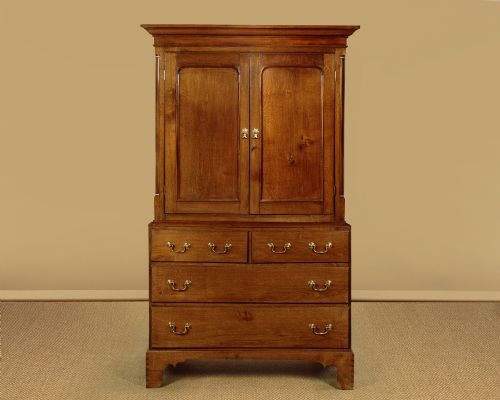
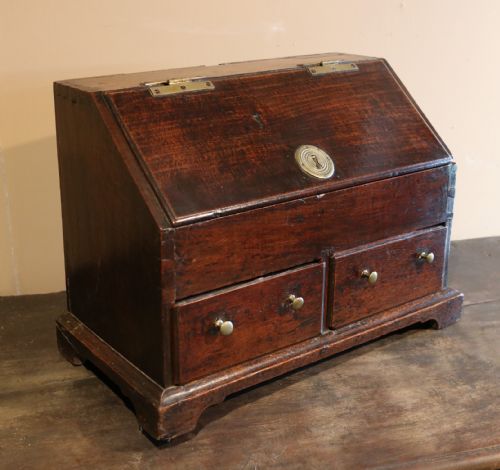
An antique vernacular chest is a practical storage piece shaped by regional traditions rather than metropolitan fashion, spanning the seventeenth through the nineteenth centuries. These items include coffers, blanket boxes, grain arks, dough bins, and miniature coffor bach boxes originating largely from Welsh and Scottish workshops.
Makers utilised simple structural layouts designed to withstand heavy domestic service, often incorporating hinged lids, chip carving, or modest painted finishes. Each piece carries the distinct characteristics of its geographical origin, whether from Snowdonia, Glamorgan, or wider regional practices.
What varies in quality
Quality rests upon the integrity of the timber selection and the competence of the regional joinery, distinguishing sturdy vernacular work from lesser functional items. Superior examples display carefully matched timber grain, tight joinery, and well-preserved original surfaces without extensive timber replacement.
The presence of distinctive regional traits, such as specific chip-carved motifs or untouched patination developed over centuries of use, elevates the standing of a piece. Finer proportioning and thoughtful detailing on smaller items like miniature coffers further set apart the better examples of domestic craft.
Antique Vernacular Chest Retail Price Guide 2026
Typical asking prices for vernacular chest among the pieces listed under this phrase on Sellingantiques today, from the lower quarter to the upper quarter. They describe what is for sale here now, not the wider market.
An eighteenth-century elm bible box recorded here still preserves its original owners' initials, carved to prevent wandering scriptures.
The Antique Vernacular Chest Glossary
- Coffor Bach
- A miniature Welsh coffer traditionally made as a marriage gift or presentation piece to hold small valuables.
- Grain Ark
- A heavy storage chest designed for keeping grain dry, often featuring ventilated panels or sturdy boarded construction.
- Press Cupboard
- A two-stage storage piece featuring an enclosed upper cupboard above lower drawers or a coffer base.
- Chip Carving
- A decorative technique where small chips are removed from the surface of the timber to form geometric patterns.
- Kist
- A traditional Scottish term for a sturdy wooden chest or blanket box used for household storage.
- Dough Bin
- A utilitarian trough-like piece with a lid, used historically for resting bread dough before baking.
Antique Vernacular Chest: Frequently Asked Questions
How do I care for antique oak furniture?
Antique oak furniture requires stable indoor humidity levels away from direct heat sources and strong sunlight to prevent the timber from splitting. Regular dusting with a dry cloth keeps the surface clean without harming the historical patina.
Applying traditional beeswax occasionally helps nourish older wood and maintains a soft sheen without sealing the pores.
What is the difference between a coffer and a chest?
A coffer traditionally describes a wooden storage box with a hinged or removable lid that often includes a till or internal compartment. The term chest is frequently used interchangeably, though it can also denote pieces with drawers incorporated beneath the main storage cavity.
In regional vernacular furniture, these terms describe sturdy household boxes built for domestic storage rather than formal display.
Where were these pieces made?
These pieces originate primarily from rural workshops across Wales and Scotland, reflecting distinct local cabinet-making traditions. Makers utilised readily available regional timbers such as Welsh oak and Scottish pine.
The resulting forms display local building methods that responded directly to the daily requirements of rural farming households.