


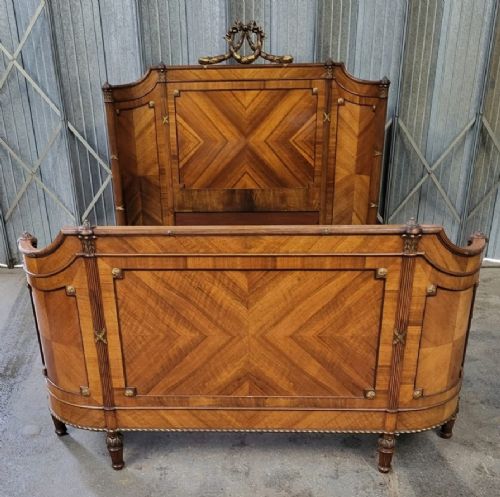


Antique Veneer Bedstead
An antique veneer bedstead brings warmth and rich timber grain to a bedroom, anchoring the room with distinct period character.
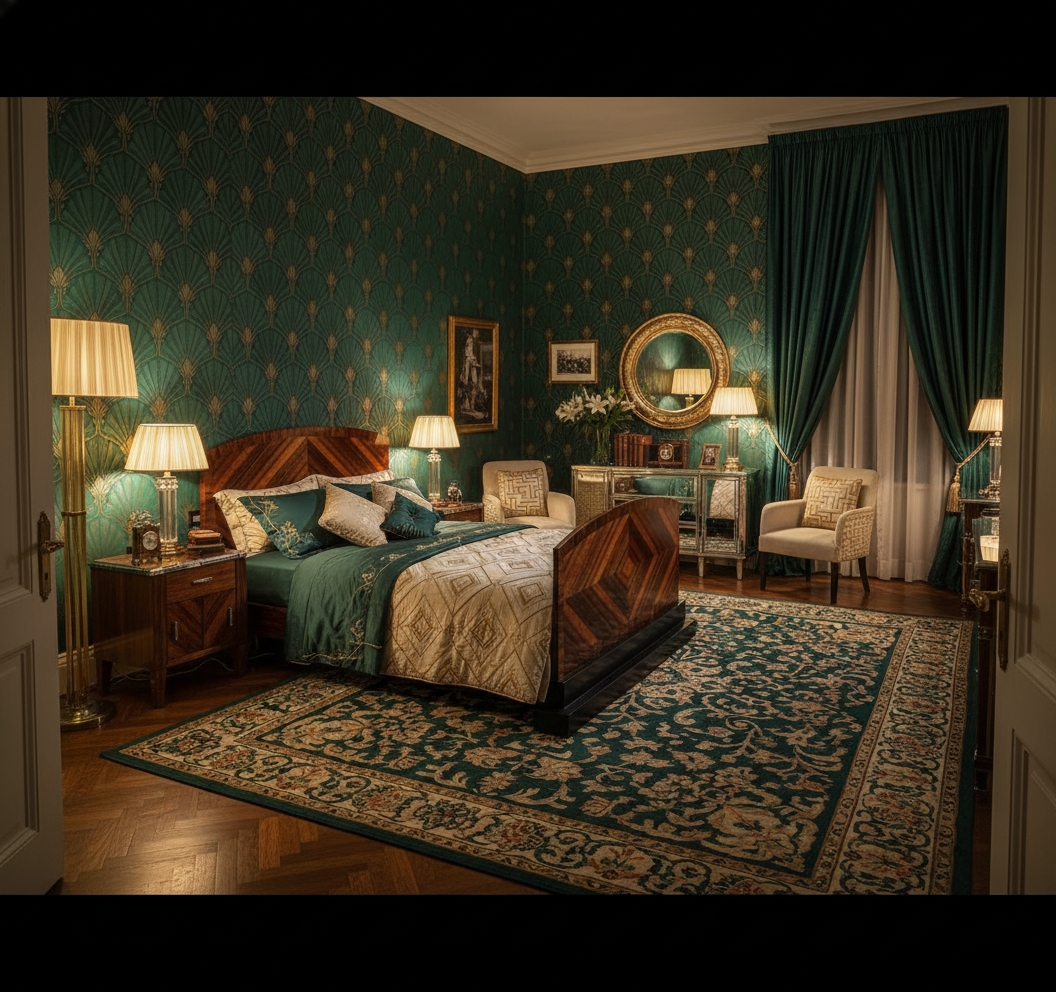
Antique Veneer Bedstead
When you search for an antique veneer bedstead, you encounter substantial furniture pieces designed to serve as the centrepiece of a bedroom. These items combine structural carcases with decorative surface timbers, showing a range of historic aesthetic movements.
The selections span from the late nineteenth century through the Edwardian era into the robust geometry of the nineteen-thirties. Art Deco examples dominate the offerings, showcasing expressive wood grains and stepped silhouettes typical of that period.
You also encounter French Louis Quinze and Louis Seize style influences alongside traditional British Edwardian forms in mahogany and satinwood. Double beds and king size proportions appear frequently, supplemented by occasional single beds.
Materials and construction methods
Cabinet makers utilised thin slices of decorative timber applied over secondary carcase woods to create striking visual patterns on the headboards and footboards. Figured walnut, burr mahogany and fruitwood provide the primary decorative surfaces across these pieces.
Craftsmen enhanced the natural movement of the grain by bookmatching and quarter veneering the timber panels to achieve symmetrical designs. Ormolu mounts occasionally accent the French influenced frames, adding metallic contrast to the polished wood.
Some Art Deco headboards feature fan shaped veneers designed to catch the morning light.
Assessing quality and craftsmanship
The distinction between standard examples and superior pieces lies primarily in the selection and application of the timber veneer. Master craftsmen chose logs with intense figuring, such as burr or highly figured walnut, arranging the grain to flow symmetrically across the entire width of the headboard.
The integrity of the underlying construction and the preservation of the polished finish dictate the overall standard. Pieces retaining their original rich lustre without extensive timber separation represent the higher tiers of surviving examples.
The Antique Veneer Bedstead Glossary
- Art Deco
- A design style from the nineteen-twenties and nineteen-thirties characterised by sleek geometric shapes, streamlined forms and rich materials. It marks the most common stylistic period found in these listings.
- Quarter veneered
- An arrangement where four consecutive slices of veneer from the same log are matched edge to edge. This creates a symmetrical, diamond shaped pattern across the panel.
- Ormolu
- Gilded bronze or brass mounts applied to furniture for decorative effect. The technique gained prominence in French furniture design and persists in revival styles.
Antique Veneer Bedstead: Frequently Asked Questions
What is an antique veneer bedstead?
An antique veneer bedstead is a historic sleeping frame featuring decorative wood surfaces applied over a solid timber or iron base. These pieces date from the nineteenth and twentieth centuries and showcase various historical design movements.
They serve as functional furniture while introducing rich wood tones and historic craftsmanship into modern domestic spaces.
How do I care for a veneered bed?
Care requires maintaining stable indoor humidity levels to prevent the thin timber layers from lifting or cracking over time. Avoid placing the furniture in direct sunlight or near direct heat sources.
Dust regularly with a soft, dry cloth and apply occasional appropriate furniture wax to nourish the polished wood surface.
Are these beds standard sizes?
Older beds often deviate from contemporary mattress dimensions, meaning historic frames may require custom or adapted mattress solutions. Double and king size proportions appear frequently in the listings alongside narrower single formats.
Checking the internal dimensions before acquiring a mattress ensures proper fit within the historic wooden rails.
How do I identify Art Deco beds?
Art Deco beds typically feature symmetrical geometric lines, curved silhouettes, and highly figured walnut or satinwood veneers. They date from the nineteen-thirties and often incorporate stepped architectural motifs on the headboard.
These designs eschew heavy Victorian ornamentation in favour of streamlined elegance and bold grain patterns.