



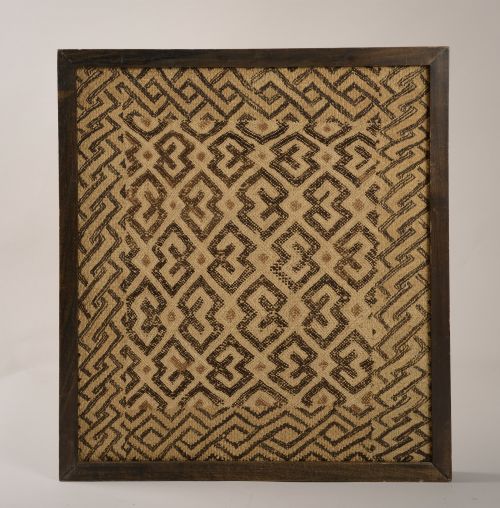


Antique Velvet Panels
Antique velvet panels bring rich tactile warmth and historic textiles to interiors, offering deep pile fabrics shaped by centuries of textile craft.
Antique Velvet Panels
When you search for antique velvet panels, you encounter historic fabric sections preserved from wall hangings, pilaster borders, and ceremonial covers. The selection spans centuries from the seventeenth to the nineteenth century, reflecting diverse regional textile traditions.
The most frequent examples appearing here include eighteenth-century ciselé silk velvet pieces and nineteenth-century Ottoman or Indian velvet textiles. These survivors often originate from larger furnishings or wall coverings, now mounted or framed for display.
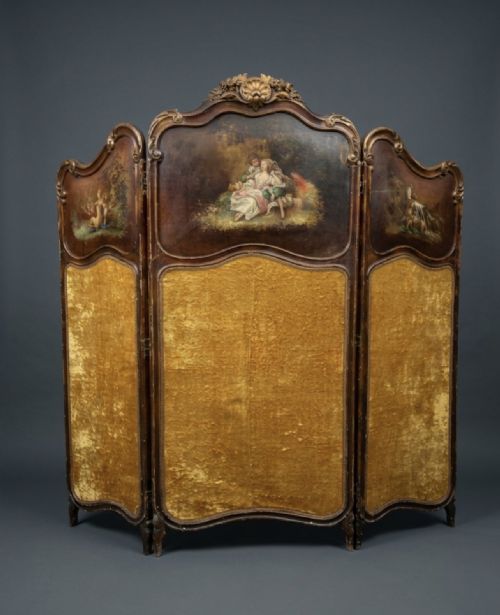
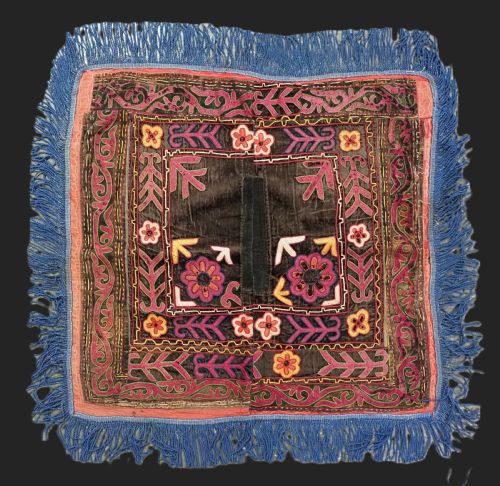
Alongside dedicated textile fragments, the category embraces items where textile components are integrated into broader forms. You will find embroidered velvet grounds and decorative hangings that demonstrate the varied applications of pile fabrics in historical domestic spaces.
What varies in quality
The density and uniformity of the silk pile set exceptional pieces apart from standard examples. Superior velvet panels retain their original depth of pile without extensive thinning or bare foundation threads.
Complexity of weave and the integration of metal-thread embroidery distinguish finer workshops. Examples featuring intricate ciselé patterns or meticulous needlework demonstrate a higher level of artisanal skill and material cost.
Antique Velvet Panels Retail Price Guide 2026
Typical asking prices for velvet panels among the pieces listed under this phrase on Sellingantiques today, from the lower quarter to the upper quarter. They describe what is for sale here now, not the wider market.
The listings span from the seventeenth century through to the nineteenth century, featuring silk velvet, cotton, wood, and gold thread.
The Antique Velvet Panels Glossary
- Ciselé velvet
- A weaving technique where cut and uncut pile are combined to form a patterned design on a contrasting ground. This method creates tactile relief across the fabric surface.
- Silk velvet
- A luxurious textile woven with a silk pile yielding a soft, dense texture. It reflects light differently depending on the direction of the pile.
- Metal thread
- Fine wire made from gold, silver, or gilt metal used in embroidery to introduce metallic sheen. It appears frequently in ceremonial covers and decorative hangings.
- Pilaster hanging
- A long, narrow textile panel designed to fit architectural wall spaces or furniture columns. These pieces often feature repeating vertical motifs.
- Ilgich
- A traditional embroidered wall hanging originating from Central Asian tribal groups. These dowry textiles display distinct regional iconography and stitchwork.
Antique Velvet Panels: Frequently Asked Questions
How were antique velvet panels used?
Historical interiors utilised velvet panels as wall hangings, door curtains, and decorative borders within grand rooms. They provided both insulation against cold stone walls and a display of wealth through rich textiles.
Over time, many surviving sections were repurposed or framed to preserve fragile historic fabrics. Today they function primarily as wall art or decorative textile displays.
How do I care for antique velvet?
Protect delicate historic velvet from direct sunlight to prevent fading of the natural dyes and silk fibres. Keep the display area at a stable humidity level to avoid stressing the ancient textiles.
Dust the surface very gently with a soft brush, avoiding any vigorous rubbing that might crush the pile. Professional conservation framing offers the best protection against physical damage.
How can I tell the period?
Dating relies heavily on the weave structure, dye analysis, and stylistic motifs present in the textile design. Seventeenth and eighteenth-century pieces often feature specific floral arrangements and ciselé weaving patterns.
Nineteenth-century examples frequently incorporate broader global influences, such as Ottoman or Central Asian embroidery styles. Comparing the backing materials and stitching techniques further clarifies the age.
Are these panels made of silk?
Many of the finer historical panels utilise silk velvet constructions, often enhanced with supplementary gold or metal threads. The quality of the fibre contributes significantly to the softness and sheen of the pile.
Some pieces incorporate cotton or other ground materials to support the heavy pile weave. Examining the microscopic structure reveals the exact fibre composition used by the weaver.