
Antique Vanity with Drawers
An antique vanity with drawers is a practical piece of personal furniture designed for grooming, combining a surface or mirror with small storage spaces.
Antique Vanity with Drawers
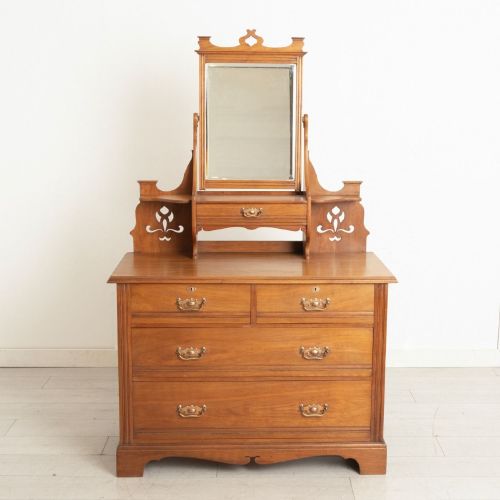
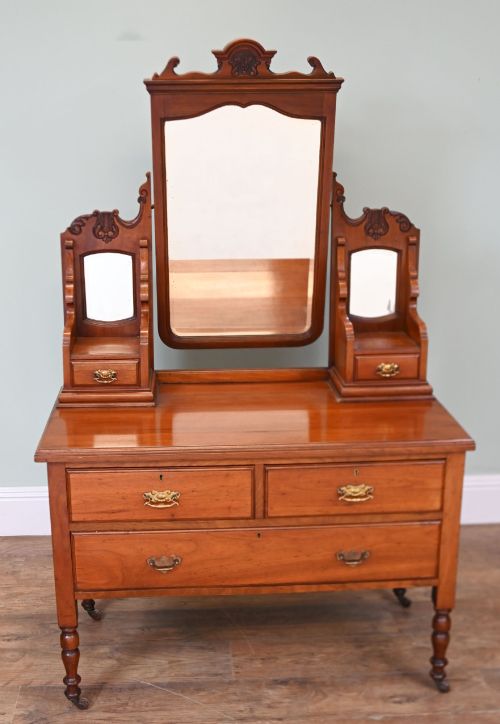
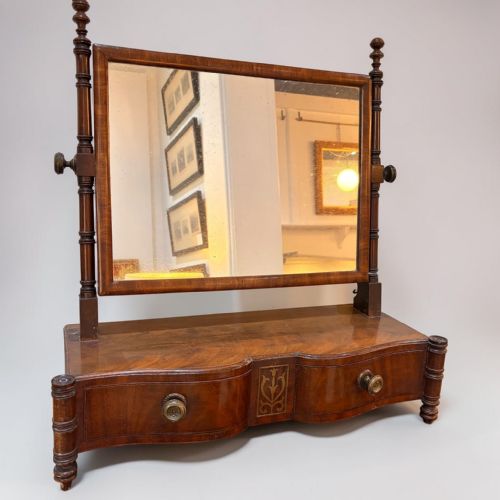
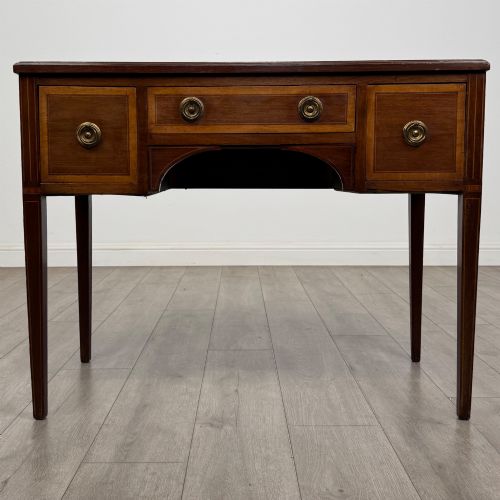
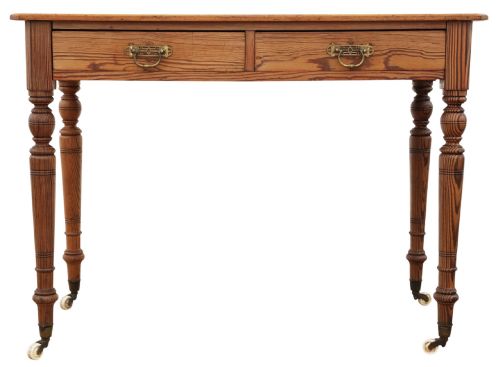
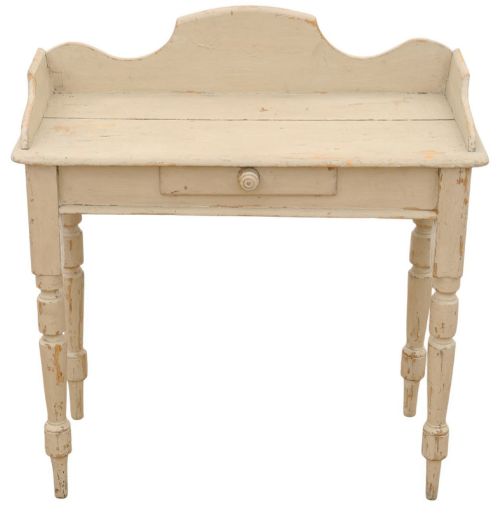
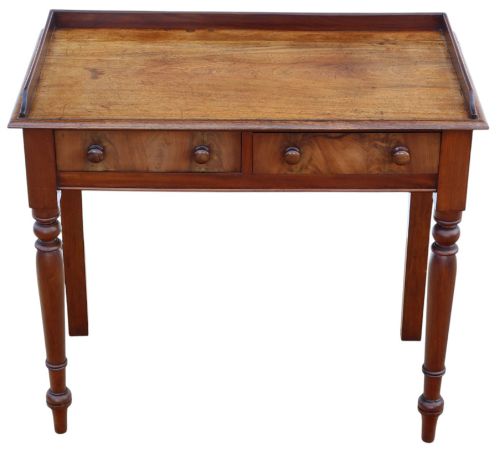
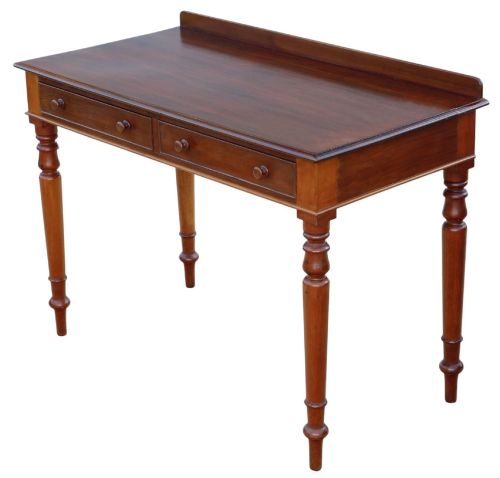
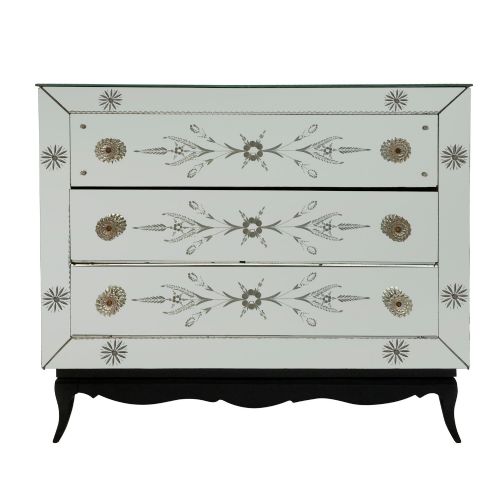
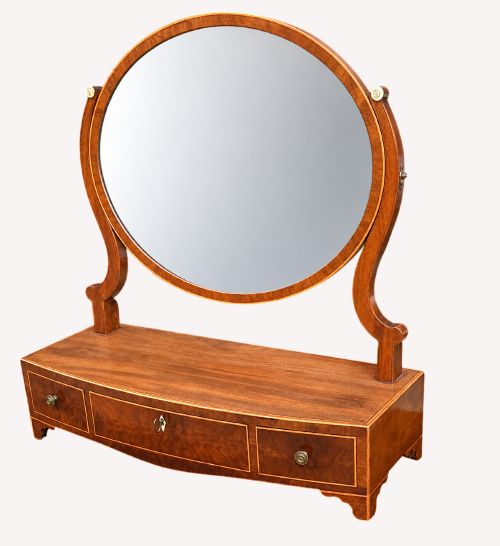
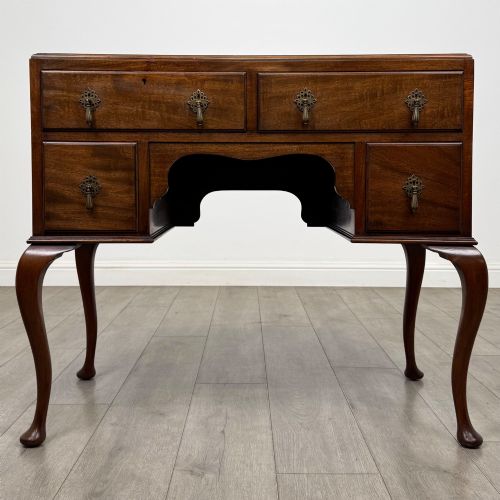
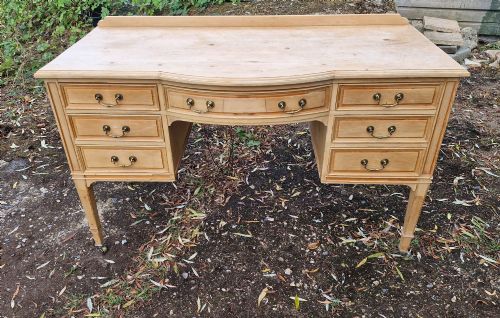
When you search for an antique vanity with drawers, you encounter a range of forms designed for personal grooming and writing, most frequently represented here by table mirrors and dressing tables featuring fitted drawers. These pieces date across the eighteenth, nineteenth, and early twentieth centuries, spanning periods from Georgian and Regency to Edwardian and Victorian production.
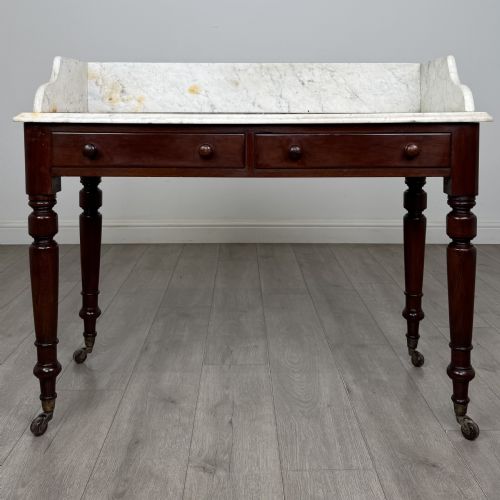
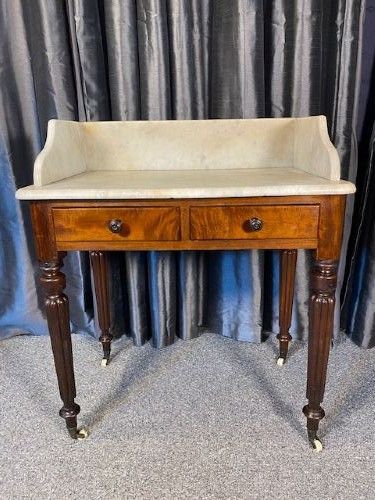
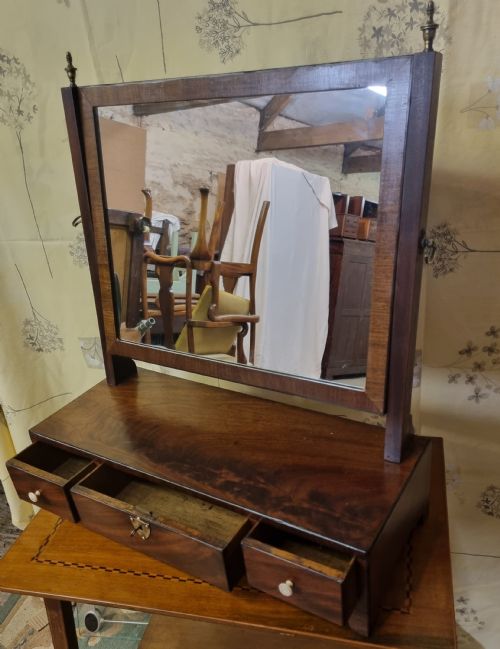
The selection includes compact tabletop toilet mirrors equipped with serpentine or straight drawer bases, alongside larger freestanding dressing chests, washstands, and writing tables. Mahogany and walnut predominate among the surviving examples, often accompanied by pine, oak, and burr walnut finishes.
Materials and construction
Cabinetmakers constructed these pieces primarily using solid hardwoods such as mahogany and walnut, frequently enhancing surfaces with burr walnut veneers, satinwood banding, and marquetry inlay. Secondary woods like pine and oak appear in drawer linings and internal framing.
Mirrors utilise original mirror glass mounted on pivoting swing frames, supported by brass fittings and wooden uprights. Drawers feature traditional joinery, housing small compartments for personal items and documents.
A green stained ash dressing chest brings an unexpected flash of colour to early twentieth-century bedroom furniture.
Assessing the craftsmanship
Quality rests upon the selection of timber figures, such as figured walnut and richly grained mahogany, coupled with the crispness of carved details and inlay. Superior examples display refined proportions and precise joinery in the drawer construction.
The retention of original brass hardware, glass plates, and secondary timbers distinguishes better preserved pieces from those with extensive modern replacements. The integration of bureau fitments or serpentine drawer fronts further elevates the sophistication of the design.
Maple and Co·George Walton
The Antique Vanity with Drawers Glossary
- Toilet mirror
- A small mirror mounted on a wooden frame with a base containing one or more small drawers, designed to sit upon a chest or table.
- Dressing chest
- A lower chest of drawers fitted with an attached mirror or triple mirror superstructure for personal grooming.
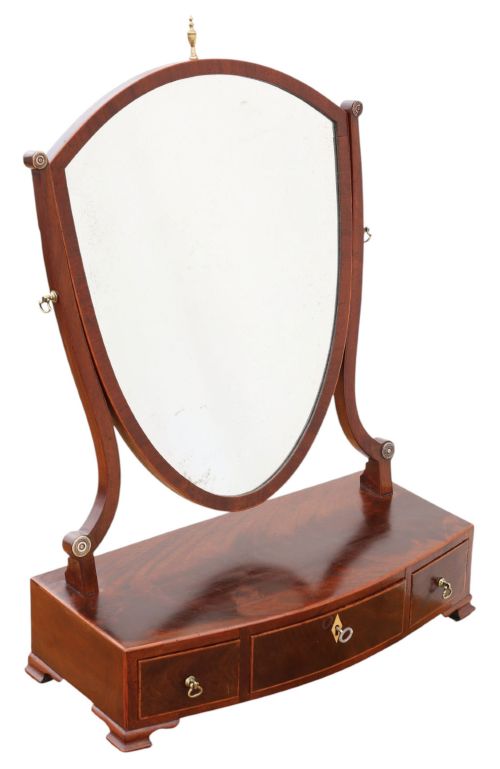
- Shield mirror
- A dressing mirror featuring a vertical plate shaped like a heraldic shield, popular during the eighteenth and nineteenth centuries.
- Serpentine drawers
- Drawers constructed with a gently undulating front profile that curves outward centrally and inward at the sides.
- Kneehole writing table
- A desk or vanity featuring a central recess for the legs, flanked by pedestals containing banks of drawers.
Antique Vanity with Drawers: Frequently Asked Questions
What is an antique vanity with drawers?
These pieces comprise dressing tables, toilet mirrors, and dressing chests equipped with integrated storage compartments for personal grooming items.
They function as both decorative furniture and practical surfaces for daily use in bedrooms and dressing rooms.
How do I identify a Georgian dressing mirror?
Georgian mirrors typically feature solid mahogany or walnut frames, box bases with small drawers, and bracket feet.
They rely on hand-cut joinery and traditional brass swing pins to support the pivoting mirror plate.
Where were these pieces used?
Owners placed them in bedrooms, dressing chambers, and boudoirs for hair styling, applying cosmetics, and writing letters.
Tabletop versions sat upon existing chests or side tables, while freestanding dressing tables stood independently against walls.
What woods were commonly used?
Cabinetmakers favoured dense hardwoods like mahogany and walnut for visible surfaces, frequently selecting figured veneers for visual depth.
Secondary timbers such as pine and oak appear within the concealed drawer boxes and internal framing.