
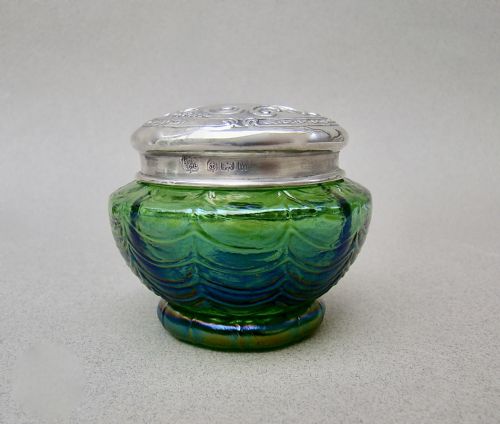
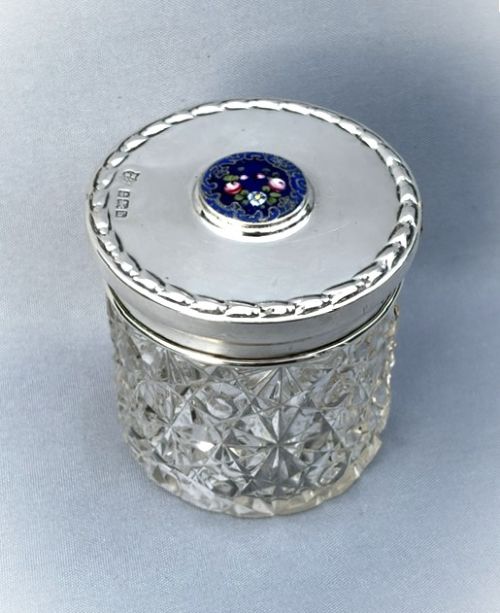
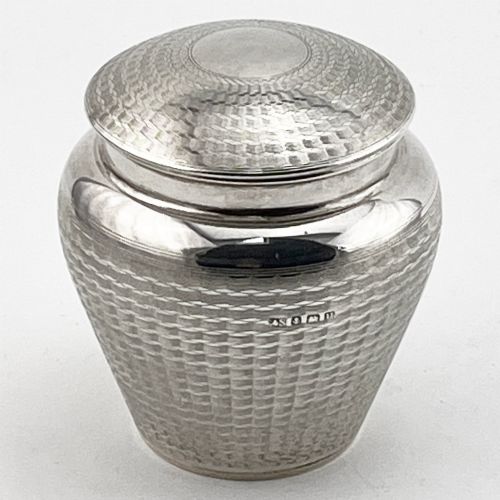
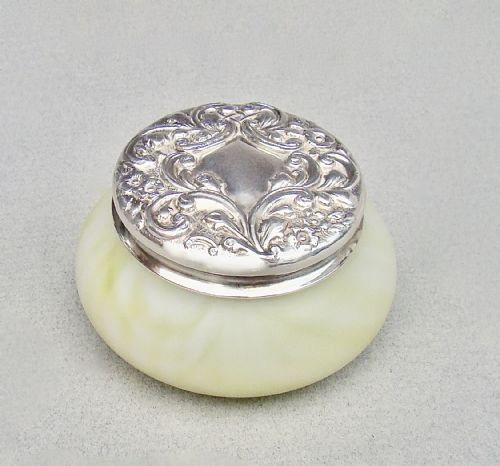


Antique Vanity Jar Lid
An antique vanity jar lid represents a small piece of dressing table history, crafted to seal glass and crystal containers that held powders, creams, and perfumes.
Antique Vanity Jar Lid
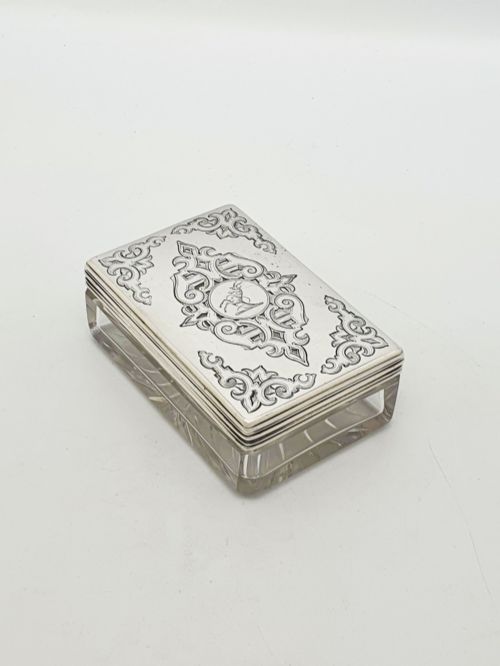
An antique vanity jar lid is a collectible cover, most frequently fashioned from sterling silver, designed to cap glass, crystal, ceramic, or porcelain containers on a dressing table. When searching this phrase, a buyer encounters pieces originating from the nineteenth century through the early twentieth century, spanning Victorian, Edwardian, and Art Deco periods.
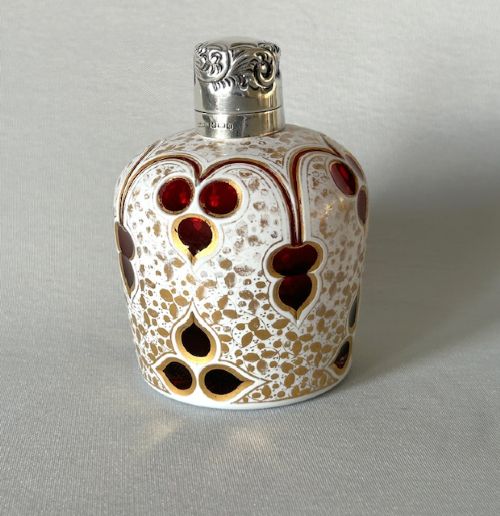
The objects take many forms, including circular powder boxes, rectangular trinket boxes, and tall cologne bottles with matching lids. Many feature maker marks or city hallmarks from assay offices in London, Birmingham, and Chester, providing clear historical context for each piece.
How They Were Made
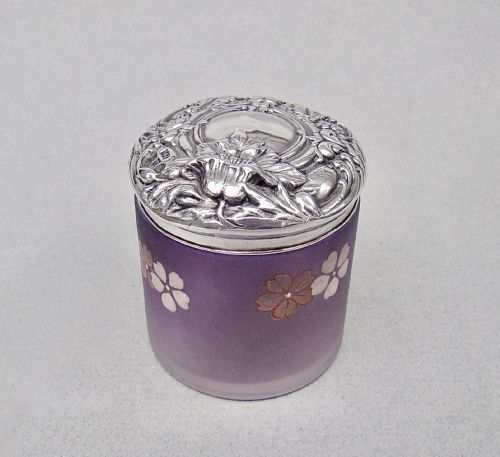
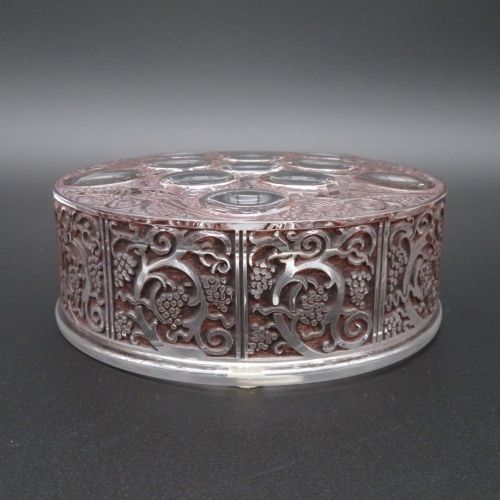
Silversmiths shaped metal lids through stamping, repoussé, and embossing, often incorporating intricate floral motifs, cherubs, or geometric Art Deco patterns. These metal mounts were then fitted onto heavy cut glass, satin glass, or moulded crystal bases produced by established makers.
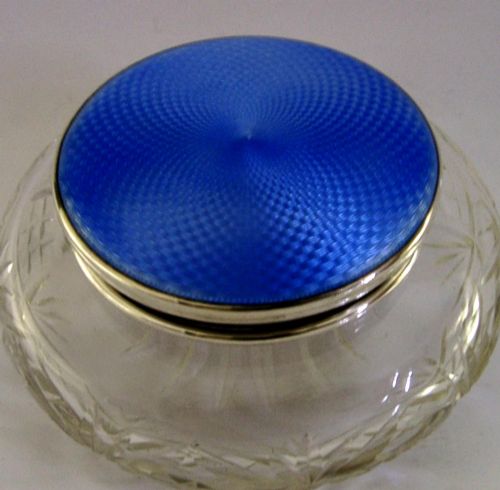
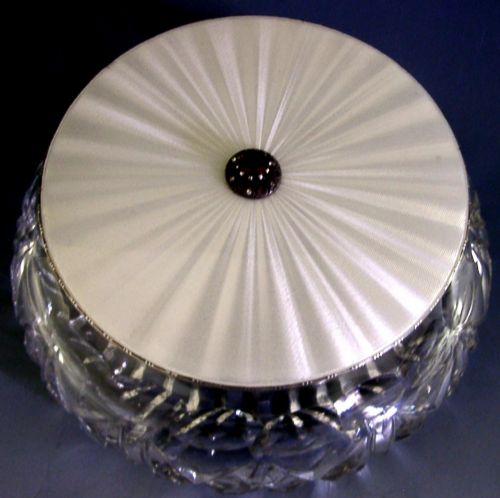
Specialist artisans integrated decorative elements such as guilloché enamel, tortoiseshell with pique inlay, and coloured porcelain. Gold leaf and ceramic finishes further augmented the surface design of bowls and jars intended for daily boudoir use.
What Varies in Quality
Quality rests in the weight of the silver and the depth of the metalwork relief, where crisp details on embossed figures indicate superior craftsmanship. Thicker glass bases with deep, clean hand-cut facets separate finer vanity items from simpler pressed alternatives.
The integrity of fragile decorative accents like translucent enamel and polished tortoiseshell dictates overall standard. Pieces retaining unblemished surface ornamentation and well-fitted, original components represent the upper tier of surviving examples.
A. J. Pepper & Co·A. Bromet & Co·Omar Ramsden·Royal Worcester·Meissen·Asprey·Limoges·Lalique
The Antique Vanity Jar Lid Glossary
- Guilloché enamel
- Enamel decorated with intricate geometric patterns engine-turned into the underlying metal surface. This technique creates a luminous, patterned background beneath translucent coloured glazes.
- Repoussé
- A metalworking method where an artist hammers the design from the reverse side to form a raised relief on the front. It is commonly found on Edwardian silver lids depicting flowers or cherubs.
- Pique inlay
- The process of embedding tiny points of gold or silver into a dark organic material such as tortoiseshell. It produces delicate dotted or linear patterns across the surface of the lid.
- Kralik glass
- Art glass produced by the Bohemian company Wilhelm Kralik Sohn, known for iridescent and patterned finishes. These distinctive glass bodies are frequently paired with silver mounts.
- Hallmark
- Official stamps punched into precious metals to indicate the assay office, purity standard, and year of manufacture. British pieces generally display a series of small stamps including a lion passant and a date letter.
Antique Vanity Jar Lid: Frequently Asked Questions
How were vanity jar lids used?
These lids served as protective covers for containers holding face powder, rouge, pins, and liquid scents on dressing tables. They kept cosmetics clean while adding a decorative element to the room.
Owners removed the lid to access daily grooming products, meaning the tops experienced frequent handling. This regular use explains why many surviving examples show minor signs of age on both the metal and the inner rim.
How do I date a silver vanity lid?
Dating relies heavily on the hallmarks stamped directly into the metal surface, which indicate the exact assay year and city. Stylistic clues also help, such as flowing Art Nouveau lines or geometric Art Deco patterns.
Victorian pieces often feature heavy repoussé floral motifs, whereas Edwardian items frequently display ribbons or angels. Comparing the hallmark date letter with regional assay office records provides the most accurate timeframe.
Are tortoiseshell lids delicate?
Tortoiseshell requires careful handling because organic shell material reacts to extreme humidity and temperature shifts. The thin gold or silver pique inlay can loosen if the shell dries out significantly over time.
Storage in stable environmental conditions preserves the bond between the metal inlay and the shell base. Gentle cleaning without harsh chemicals ensures the polished surface remains intact.
What glass types were used?
Makers utilised heavy cut crystal, satin glass, cranberry glass, and pressed glass for the matching bases and jars. English and Bohemian manufacturers produced deep-faceted crystal that contrasted with polished sterling silver mounts.
Some pieces incorporated coloured art glass or overlay techniques to create striking visual contrast on the dressing table. The thickness and clarity of the glass generally reflect the overall grade of the item.