

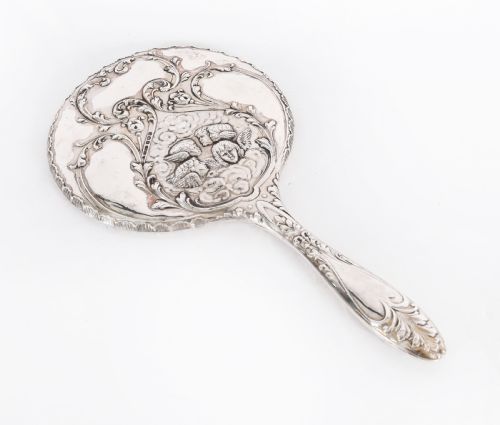


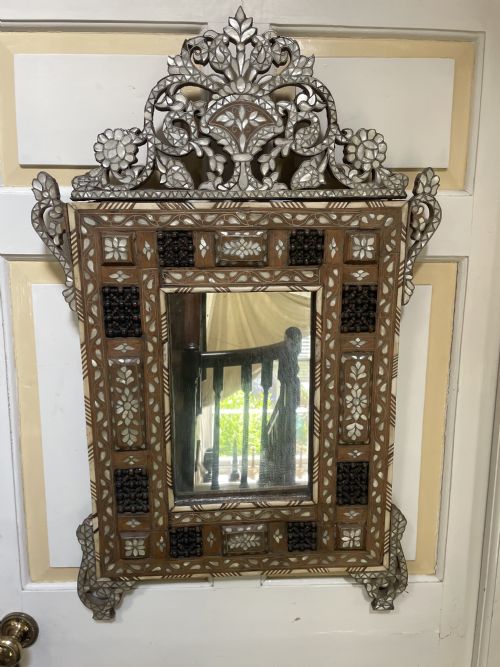
Antique Vanity Hand Mirror
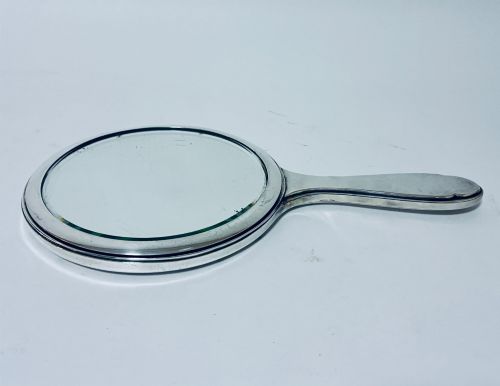
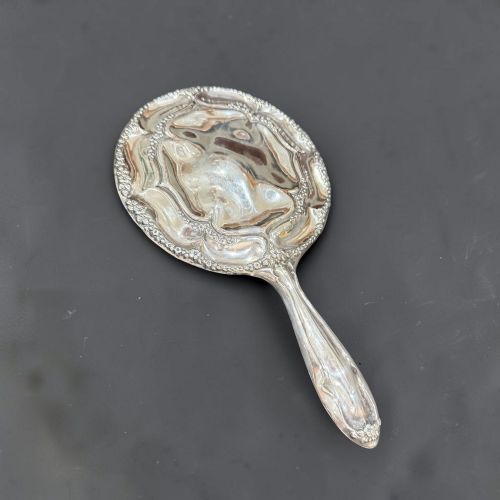
These antique vanity hand mirror pieces are personal looking glasses shaped by various periods, offering a tangible link to historical dressing rituals.
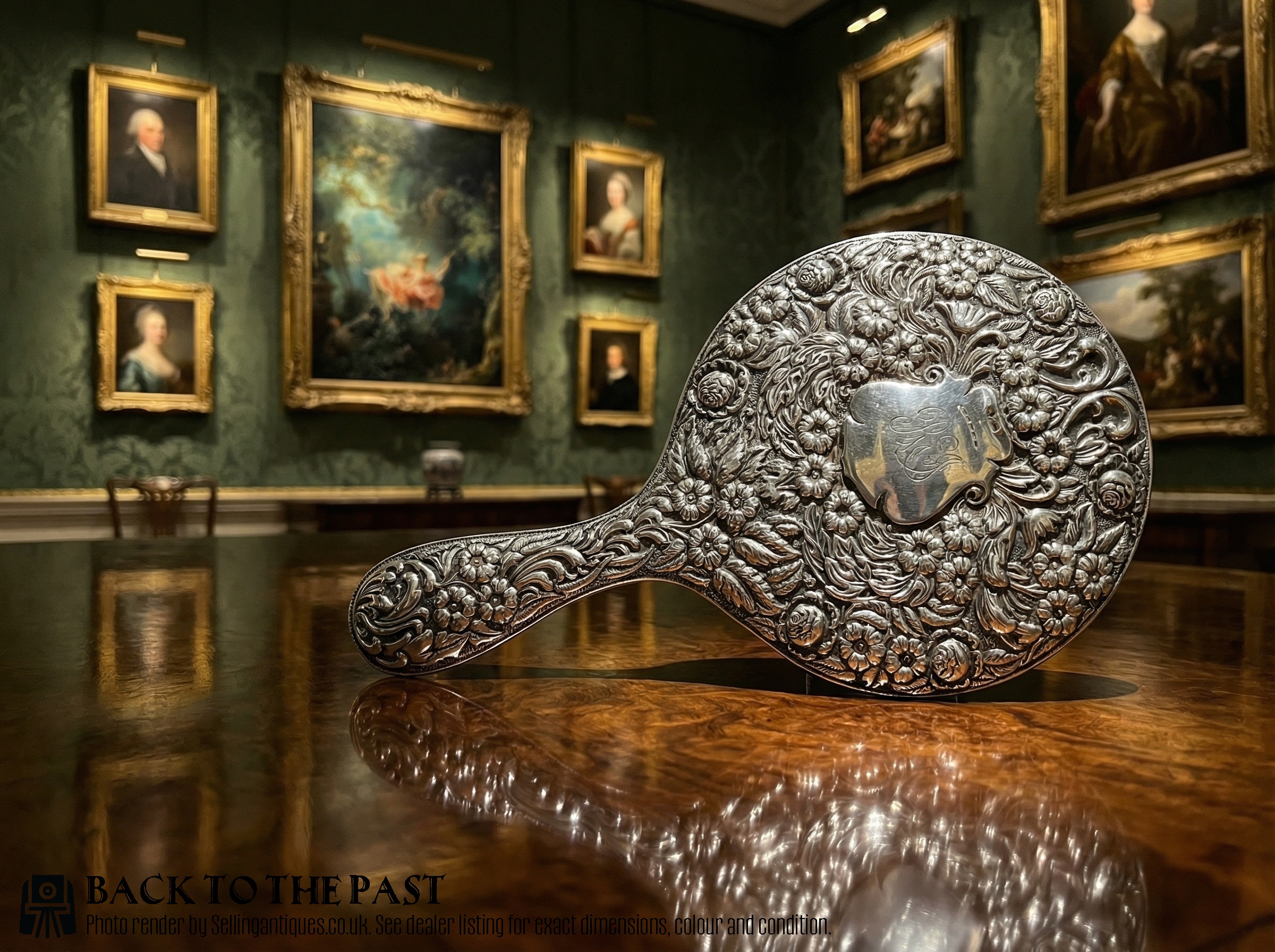
Antique Vanity Hand Mirror
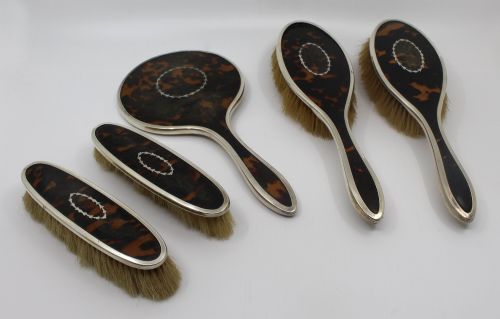
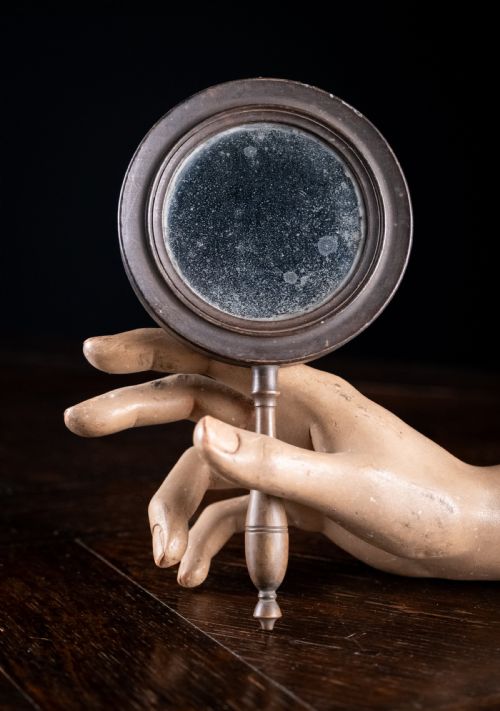
When you search for an antique vanity hand mirror, you encounter portable looking glasses fashioned across multiple eras, ranging from Georgian hand-held examples to Regency double-sided designs. These pieces function as personal accessories or dressing table implements, often matched with brushes or powder compacts.
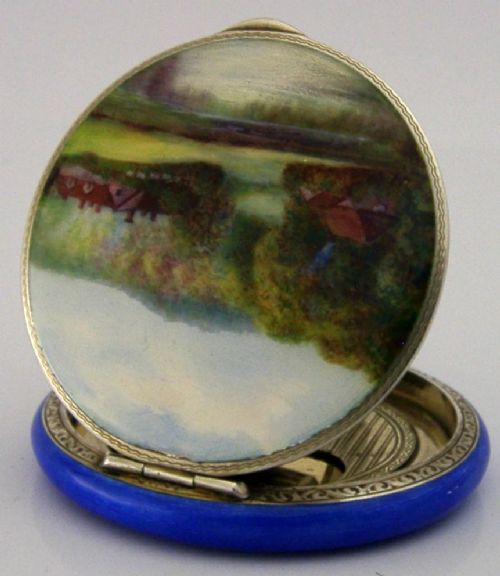
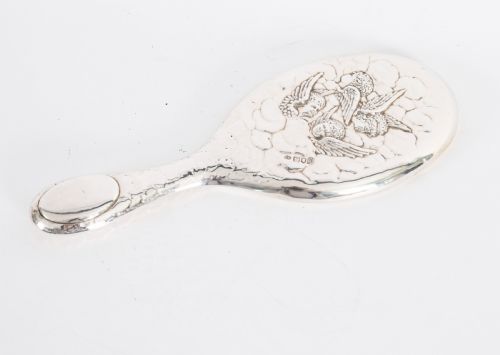
The selections span distinct periods including the Edwardian era and the 19th century, featuring styles such as Art Deco and French 19th century alongside Chinoiserie and Regency forms. You most frequently meet sterling silver models with embossed details or guilloche enamel work from the early twentieth century.
While the primary focus rests on handheld mirror objects, the broader category encompasses related dressing table items and miniature purse mirrors. Each piece reflects the aesthetic preferences of its decade, uniting utility with decorative craftsmanship.
How they were made
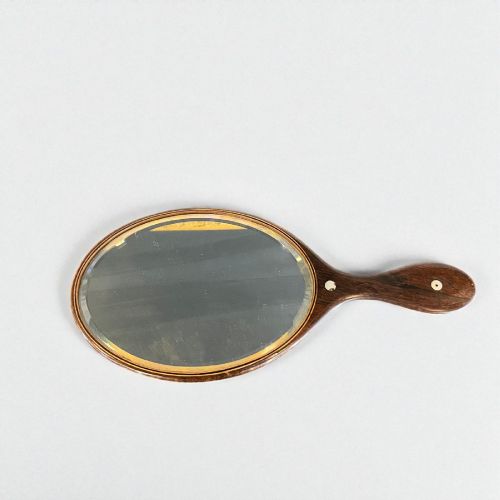
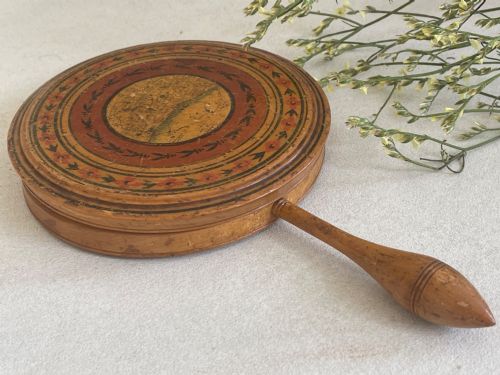
Makers utilised sterling silver, brass, copper, and gilt bronze for the structural frames, often pairing metalwork with wooden elements such as satinwood and ebony. Skilled artisans hammered, cast, and carved these materials to form ergonomic handles and decorative backing.
Enamel techniques, notably guilloche work, provided colourful surface decoration on metal substrates, sometimes accompanied by hand painting or floral motifs. Reflective surfaces relied on traditional mirror glass plate inserted securely into the frame housings.
Materials documented across the collection include glass, wood, sterling silver, enamel, paint, brass, and copper.
What varies in quality
The standard of an antique vanity hand mirror depends significantly on the crispness of the chased or embossed metalwork and the preservation of any enamel decoration. Superior examples display intricate detailing on sterling silver or gilt bronze without distortion or excessive wear.
Integrity of the original mirror glass plate and the firmness of the handle attachment distinguish finer pieces from standard iterations. The presence of clear hallmarks or maker attribution adds historical weight to the physical construction.
Henry Williamson·Charles Boyton·S Blanckensee and Son·Giuliano Spinelli·Joseph Meissonnier
The Antique Vanity Hand Mirror Glossary
- Guilloche enamel
- A decorative technique involving precise, intricate mechanical patterns engraved beneath translucent enamel layers. This method creates a luminous, repeating wave or ray effect frequently seen on Art Deco pieces.
- Sterling silver
- A silver alloy containing substantial pure silver combined with other metals to ensure durability for daily handling. It provides a bright, polishable surface common in Edwardian and Georgian vanity wares.
- Champleve
- An enamelling process where troughs are carved into a metal base and filled with vitreous paste before firing. The resulting design sits flush with the surrounding metal partitions.
- Satinwood
- A durable timber known for its natural golden sheen and smooth grain texture. It served as a refined base for hand-painted Edwardian dressing table furniture and accessories.
- Ormolu
- Gilded bronze utilised historically for decorative mounts and frames on luxury French objects. The technique involves applying a mercury and gold amalgam to bronze.
Antique Vanity Hand Mirror: Frequently Asked Questions
How do I date an antique hand mirror?
Dating relies heavily on hallmarks stamped into silver frames, stylistic cues like Art Deco geometry, and material choices typical of specific decades. Consulting maker registries often provides precise manufacturing years.
Secondary indicators include the fastening methods and the composition of the mirror glass plate itself, which aged differently across the 18th, 19th, and 20th centuries.
Were these mirrors used only for travel?
Many examples served both stationary dressing table duties and portable personal grooming functions.
Compact purse mirrors and travelling mirrors with dedicated cases were built for mobility, whereas heavier silver or bronze pieces remained in the bedchamber.
How should I clean a silver mirror frame?
Maintenance requires gentle cleaning with a soft microfibre cloth and silver-safe polish designed to preserve antique patination.
Care must be taken to avoid getting liquids behind the mirror glass plate or abrading delicate enamel surfaces during the process.
What is the difference between a vanity mirror and a wall mirror?
Vanity mirrors are designed for close-up personal grooming and feature integrated handles or folding table stands for handheld use.
Wall mirrors include hanging loops or mounting brackets intended for permanent fixture to domestic room partitions.